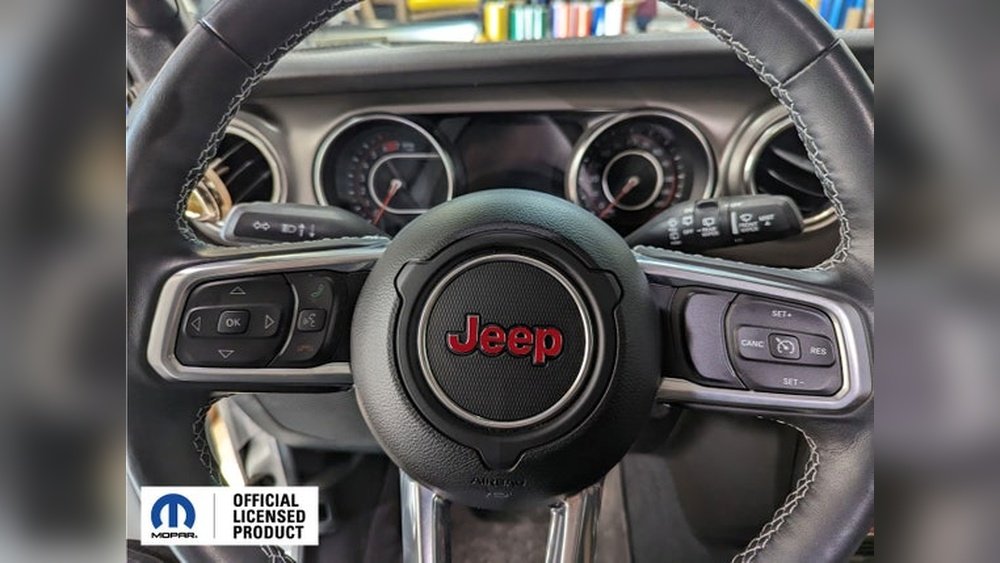
If your Jeep Wrangler’s ESP BAS light just turned on, you’re probably wondering what’s going on and how to fix it fast. This warning isn’t something to ignore; it means your vehicle’s stability and braking systems might not be working right.
But don’t worry. You don’t need to be a mechanic to understand what’s causing the problem or how to get that light off your dashboard.
In this guide, you’ll learn simple steps you can take to diagnose and fix the ESP BAS light issue yourself.
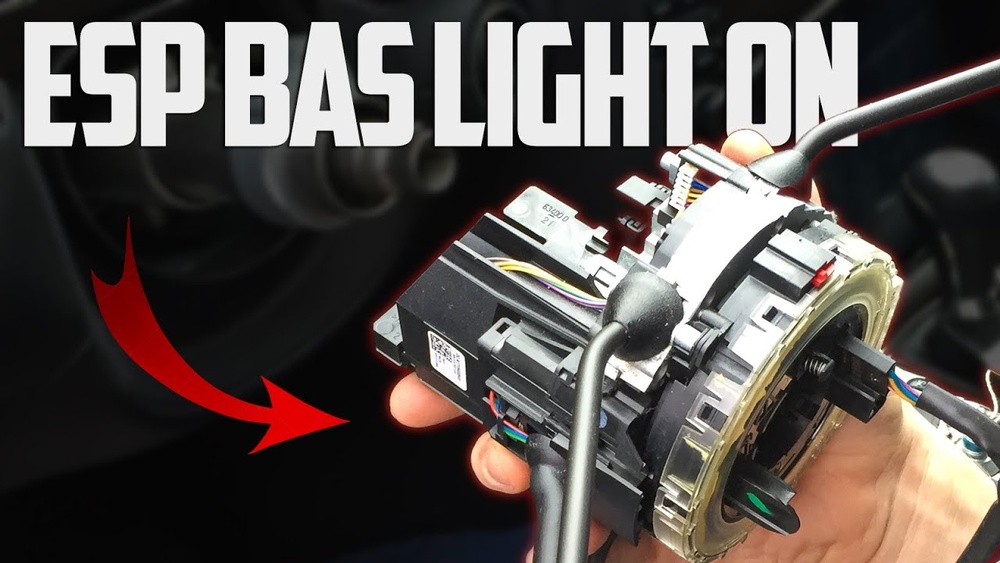
Keep reading to take control of your Jeep’s safety systems and get back on the road with confidence.
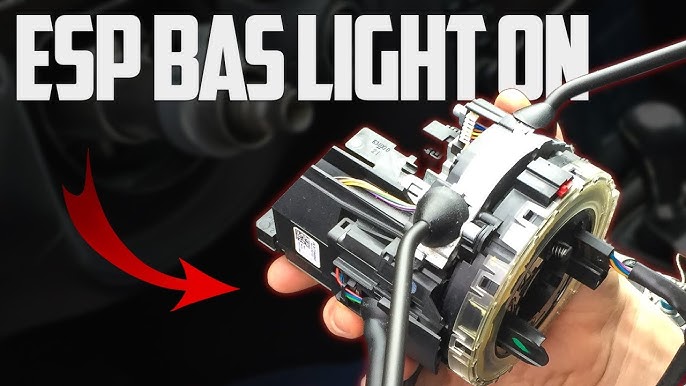
ESP BAS Light Basics
Advanced troubleshooting for the ESP BAS light on a Jeep Wrangler involves precise steps. These steps help identify deeper issues that basic checks might miss. Understanding how to use diagnostic tools and test key components saves time and money. It also ensures your Jeep stays safe to drive.
Using A Diagnostic Scanner
A diagnostic scanner reads error codes from the Jeep's computer. Connect the scanner to the OBD-II port under the dashboard.
Turn on the ignition but do not start the engine. The scanner will display codes related to the ESP and BAS systems.
Write down the codes shown. These codes point to specific problems in the vehicle's system.
Clear the codes and check if the ESP BAS light returns. If it does, the scanner helps narrow down the issue.
This step is essential before replacing any parts.
Testing ABS Module
The ABS module controls the anti-lock braking system and works with ESP BAS. Testing it requires checking electrical connections and sensor signals.
Use a multimeter to test voltage and resistance at the ABS module. Inspect wiring for damage or corrosion.
Faulty wiring can cause false signals and trigger warning lights.
Some Jeep models allow ABS module self-tests via the diagnostic scanner. Follow the scanner's instructions to run these tests.
If the module fails, replacement or professional repair might be necessary.
Replacing Faulty Components
Replace parts only after confirming they are faulty. Common components include wheel speed sensors, brake light switch, and steering angle sensor.
Faulty wheel speed sensors often cause the ESP BAS light to turn on. These sensors are located near each wheel and detect rotation speed.
Remove and inspect these sensors for dirt or damage. Clean or replace them if needed.
The steering angle sensor measures the steering wheel's position. Misalignment or failure here can trigger the warning light.
Replace it following the Jeep's service manual steps.
Diagnosing The Issue
After a day of off-roading, your Jeep Wrangler needs care to keep it running well. The ESP BAS light can come on due to rough terrain and dirt.
Proper checks help prevent long-term issues and keep safety systems working.
Inspecting For Dirt And Damage
Start by checking the wheels and brakes for mud and debris. Dirt can block sensors or cause false readings.
Clean the wheel wells and brake parts carefully. Look for any cracks or dents on the brake lines or ABS sensors.
Damage to these parts can trigger the ESP BAS light.
Wiring Checks Post Off-road Use
Off-roading can loosen or damage wiring under your Jeep. Check the wiring harnesses near the wheels and under the vehicle.
Look for cuts, frays, or loose connections. Secure any loose wires and repair damaged ones.
Good wiring ensures the sensors send correct signals to the control module.
Conclusion
Fixing the ESP BAS light on your Jeep Wrangler helps keep you safe on the road. Check common causes like wheel speed sensors and steering angle alignment.
Simple steps, like resetting the steering wheel, often clear the warning. Regular maintenance can prevent these lights from coming on.
Don’t ignore the warning; address issues early for smooth driving. Your Jeep will perform better and stay reliable with timely fixes.
Keep these tips in mind to handle the ESP BAS light effectively.