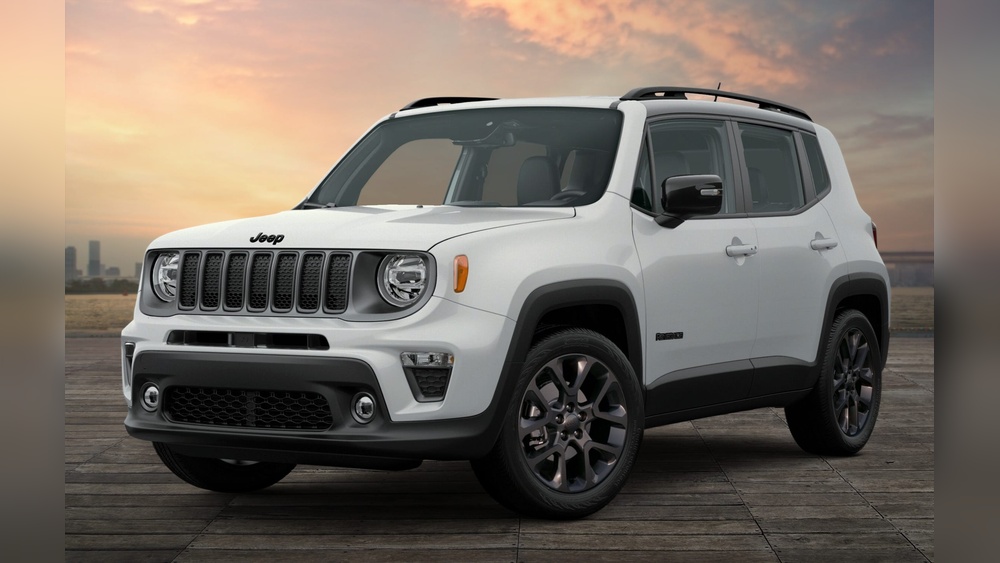
The Jeep Wrangler TJ is more than just a vehicle; it's an icon. For off-road enthusiasts and everyday drivers alike, the TJ generation (1997-2006) represents a sweet spot of classic Jeep design with modern refinements.
When it comes to customizing and maintaining your TJ, every detail matters. Among these details, the Jeep Wrangler TJ wheel center caps play a surprisingly significant role.
They might seem small, but these caps protect your wheel bearings, keep dirt out, and, crucially, add a finishing touch to your Jeep's overall look.
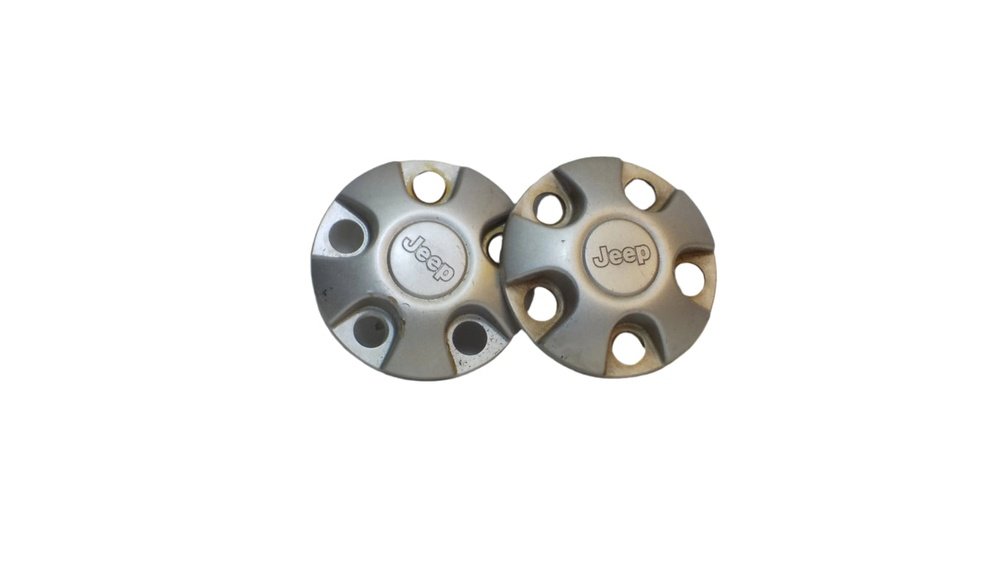
Choosing the right center caps can enhance your TJ’s aesthetics, whether you’re aiming for a stock appearance or a more aggressive, customized vibe. They can tie together a new set of wheels, replace worn-out or lost original parts, or simply add a pop of personality.
This guide will explore everything you need to know about Jeep Wrangler TJ wheel center caps, from understanding their function to selecting the perfect ones for your ride. We’ll cover materials, styles, fitment, and where to find them, ensuring your TJ looks its best both on and off the pavement.
The Importance Of Wheel Center Caps
Wheel center caps, also known as hub caps or wheel nut caps, are small but vital components of your Jeep Wrangler TJ's wheels. Their primary functions extend beyond mere decoration.
Understanding these roles helps appreciate why selecting the correct caps is important for both the performance and appearance of your vehicle.
Protecting Crucial Components
The most critical function of a wheel center cap is protection. Behind the wheel sits the hub assembly, which includes the wheel bearings. These bearings are essential for allowing your wheels to rotate smoothly and freely. They are also critical for steering and supporting the weight of the vehicle. The center cap acts as a shield, preventing dust, dirt, mud, water, and other road debris from entering the hub assembly and contaminating the wheel bearings. Contamination can lead to premature wear, friction, and eventual failure of the bearings, which is a costly and potentially dangerous issue. A well-fitting center cap ensures that these sensitive parts remain clean and lubricated, extending their lifespan and maintaining optimal performance.
Maintaining Proper Functionality
Beyond protection, center caps contribute to the overall functionality of the wheel assembly. They often cover the lug nuts and the center bore of the wheel. The lug nuts secure the wheel to the vehicle’s hub, and keeping them covered and clean helps prevent corrosion and ensures they remain tight. The center bore is the hole in the middle of the wheel that aligns with the vehicle’s axle. A properly seated center cap can help keep the wheel centered on the hub, reducing vibrations and ensuring a smoother ride. Some caps also house the Jeep logo or brand, adding a distinctive visual element.
Enhancing Aesthetics
While their protective and functional roles are paramount, aesthetics are a major reason why Jeep owners pay attention to their wheel center caps. For many, a Jeep Wrangler is a statement vehicle, and every part contributes to its overall look. Original center caps often feature the Jeep logo, adding a touch of authenticity. Aftermarket caps come in a vast array of styles, finishes, and designs, allowing owners to personalize their TJs. Whether you want to maintain a factory look, match a custom paint job, or add a rugged, off-road flair, the right center caps can significantly elevate your Jeep’s appearance. They are a relatively inexpensive way to make a noticeable difference to your wheels and, by extension, your entire vehicle.
Understanding Tj Wheel Center Cap Types
Jeep Wrangler TJ wheel center caps are not one-size-fits-all. They vary based on the original equipment manufacturer (OEM) wheels and the numerous aftermarket wheels available for the TJ.
Identifying the type of wheel you have is the first step to finding compatible caps.
Oem (original Equipment Manufacturer) Caps
If your TJ still has its original wheels, you'll likely need OEM-style center caps. These are designed specifically to fit the factory wheels.
For the TJ generation, common OEM wheel designs include the classic 5-spoke alloy wheels and various steel wheel options.
These caps typically feature the Jeep logo and are designed for a snug, secure fit. They are often made from durable plastic, sometimes with chrome or painted finishes.
Replacing a lost or damaged OEM cap with an identical one will restore the original look of your Jeep.
Aftermarket Wheel Caps
The aftermarket wheel industry for Jeep Wranglers is vast. Many TJ owners opt for aftermarket wheels to achieve a different look or improve off-road performance with larger or stronger wheel designs.
Consequently, there are countless aftermarket center caps available. These caps are designed to fit specific brands and models of aftermarket wheels.
They can range from simple, plain caps to those with custom logos, finishes like brushed aluminum or black, or even caps that mimic the look of beadlock wheels. It’s crucial to know the brand and model of your aftermarket wheels to find the correct replacement or upgrade caps.
Material And Finish Options
Center caps are typically made from durable ABS plastic. This material is chosen for its ability to withstand the elements, resist impact, and maintain its shape. However, the finish can vary significantly.
- Chrome: A popular choice for a shiny, classic look. Chrome caps can add a touch of elegance and stand out against darker wheels.
- Black: Available in matte, satin, or gloss finishes, black caps offer a more understated, rugged, or sporty appearance. They often complement darker wheel colors or tire sidewalls.
- Painted: Caps can be painted to match your Jeep’s body color or to provide a contrasting accent.
- Brushed Aluminum/Metal: Some aftermarket caps are made from metal or have a metallic finish, offering a premium and robust look.
The choice of material and finish depends on your personal style and how you want your TJ to look. Consider how the cap will complement your wheels and the overall aesthetic of your Jeep.

Key Considerations When Buying Tj Wheel Center Caps
Purchasing the right wheel center caps involves more than just picking a style you like. Several factors ensure a proper fit, lasting durability, and satisfaction with your purchase.
Fitment And Compatibility
This is the most critical aspect. Center caps are not universal. They are designed to fit specific wheel diameters and lug patterns.
- Wheel Diameter: Center caps are sized to fit the opening in the center of the wheel. Common TJ wheel sizes include 15-inch, 16-inch, and 17-inch. The cap needs to match the wheel’s center bore diameter.
- Mounting Mechanism: How the cap attaches to the wheel varies. Some caps clip into place, while others screw on or use retaining clips. You need to know how your current caps (or the caps that came with aftermarket wheels) attach. Measuring the diameter of the wheel’s center bore and the diameter of the cap’s mounting area is essential.
- OEM vs. Aftermarket: As mentioned, OEM caps fit OEM wheels, and aftermarket caps fit specific aftermarket wheels. Trying to force an incompatible cap can damage both the cap and the wheel.
Pro Tip: Before buying, always double-check the product description for compatibility information. If you have aftermarket wheels, identify the brand and model and search for caps specifically designed for them. If you have OEM wheels, confirm the year range and trim level of your TJ, as wheel designs can sometimes vary.
Durability And Weather Resistance
Jeep Wranglers, especially TJs, are often used in challenging environments. Your wheel center caps will be exposed to rain, snow, mud, salt, UV rays, and potentially harsh cleaning chemicals.
- Material Quality: High-quality ABS plastic is generally durable. Cheaper plastics can become brittle over time, crack, or fade. Metal caps can be more robust but may be susceptible to corrosion or scratching if not properly coated.
- Finish Longevity: Chrome plating can chip or peel if it’s low quality. Painted finishes can fade or scratch. Look for caps with UV-resistant coatings and durable finishes that are designed to withstand the elements.
Ease Of Installation
While most center caps are designed for straightforward installation, some can be trickier than others.
- Clip-in Caps: These usually push into place. Ensure they fit snugly to prevent them from falling off during driving. Some may require a gentle tap with a rubber mallet.
- Screw-on Caps: These have threads and screw into the wheel hub or a specific mounting point. Ensure the threads are clean and that you don’t overtighten.
- Caps with Retainers: Some designs use a separate clip or retainer that holds the cap in place. Understanding this mechanism is key to proper installation and removal.
If you’re unsure, look for caps that come with clear installation instructions or search for video tutorials specific to your wheel type.
Style And Aesthetics
This is where personal preference comes into play. The style of the center cap should complement the overall look of your TJ.
- Matching Wheels: If you have polished alloy wheels, chrome caps might be a good fit. For black or dark-colored wheels, matte or gloss black caps often look best.
- Branding: Do you want the Jeep logo, a specific aftermarket brand logo, or a plain cap?
- Off-Road vs. Street: For an aggressive off-road look, consider caps that mimic beadlock rings or have a more utilitarian design. For a cleaner street look, simpler, sleeker designs might be preferred.
Popular Wheel Options For The Jeep Wrangler Tj And Their Center Caps
The Jeep Wrangler TJ came with several factory wheel options, and the aftermarket offers a vast universe of choices. Each type often requires specific center caps.
Factory Oem Wheels
Jeep offered a few distinct wheel designs for the TJ during its production run.
- The Classic 5-Spoke Alloy (15″ and 16″): This is arguably the most common OEM alloy wheel for the TJ. It features five distinct spokes and a central hub area where the center cap sits.
- Center Cap Type: These caps are typically round, made of plastic, and feature the Jeep logo, often in red, white, or chrome. They usually clip into place. The diameter is specific to this wheel design.
- Replacement: Finding exact OEM replacements is possible through dealerships or specialized Jeep parts suppliers. Aftermarket replicas are also available, aiming to match the original look.
- Steel Wheels (15″): Many base model TJs came equipped with simple, sturdy steel wheels, often painted black or silver.
- Center Cap Type: These wheels may or may not have center caps. Some have small, plastic caps that cover only the lug nuts, while others have larger caps that cover the entire hub assembly. The design is usually very basic.
- Replacement: If caps were originally present, they are typically simple and clip-on. For a more finished look, aftermarket caps designed for steel wheels might be an option, but compatibility needs careful checking.
- Optional Alloy Wheels (e.g., Ravine Wheels): Higher trim levels or optional packages sometimes included different alloy wheel designs. The “Ravine” wheel, for instance, became popular later in the TJ’s life and continued into the JK generation.
- Center Cap Type: These wheels have unique center bore designs, and their corresponding caps will be specific. They often have a more intricate shape or mounting system than the standard 5-spoke.
- Replacement: OEM replacements are the most reliable way to get the correct fit. Aftermarket options might exist but are less common for less ubiquitous OEM designs.
Popular Aftermarket Wheels For The Tj
The aftermarket wheel scene for the TJ is incredibly diverse, catering to every aesthetic and performance need.
- American Racing Wheels: Known for their classic designs, American Racing offers wheels like the AR-23, AR-172 Baja, and others that fit TJs.
- Center Caps: These wheels use specific center caps designed by American Racing, often featuring their logo. They come in various finishes (chrome, black, machined) and mounting styles. You must match the cap to the specific AR wheel model.
- Pro Comp Wheels: A popular choice for off-roaders, Pro Comp offers rugged wheels like the 69 Series Classic and 7069 Series.
- Center Caps: Pro Comp wheels typically use their branded center caps, designed for durability and a tough look. Black and polished finishes are common. Fitment is usually specific to Pro Comp’s bolt patterns and hub bores.
- Mickey Thompson Wheels: Known for performance and off-road applications, Mickey Thompson offers wheels like the Sidebiter II.
- Center Caps: Mickey Thompson wheels use their own proprietary center caps, often designed to complement the aggressive styling of their wheels. These are usually robust and built for harsh conditions.
- Rugged Ridge Wheels: This brand offers a wide range of wheels for Jeeps, often focusing on classic and functional designs.
- Center Caps: Rugged Ridge provides center caps designed to fit their specific wheel models, often featuring their branding or a Jeep-like logo.
- “Beadlock” Style Wheels: Many aftermarket wheels simulate the look of beadlock wheels, which are used in extreme off-roading to keep the tire bead seated on the rim.
- Center Caps: These often feature a more complex design, sometimes with a simulated beadlock ring around the edge. The center cap itself might be smaller or integrated differently than on standard wheels.
A Note on Lug Patterns: While center caps cover the center bore, ensure any new wheel purchase also matches your TJ’s lug pattern (typically 5×4.5 inches or 5×114.3mm).

Material Deep Dive: Plastic Vs. Metal Center Caps
When considering replacement or upgrade center caps, the material is a key differentiator, impacting durability, appearance, and cost.
Abs Plastic: The Standard Choice
ABS (Acrylonitrile Butadiene Styrene) plastic is the workhorse material for most OEM and many aftermarket center caps.
- Advantages:
- Lightweight: Adds no significant unsprung weight to your vehicle.
- Cost-Effective: Generally less expensive to manufacture than metal.
- Impact Resistance: Can absorb moderate impacts without shattering.
- Moldable: Easily molded into complex shapes and designs.
- Corrosion Resistant: Does not rust like steel or corrode like some metals.
- Disadvantages:
- UV Degradation: Over long periods, prolonged sun exposure can make plastic brittle and fade its color.
- Scratching: Can be prone to scratching, especially with abrasive cleaning methods.
- Heat Sensitivity: Extreme heat can potentially cause warping, though this is rare in typical automotive use.
Finishes on ABS: ABS caps often come with chrome plating, painted finishes, or textured surfaces. The quality of the plating or paint job significantly impacts longevity. Look for caps with a good reputation for finish durability.