Jeep Wrangler Tj Hard Tops: Your Guide To All-season Protection And Style
The Jeep Wrangler TJ, produced from 1997 to 2006, is a beloved icon for off-road enthusiasts and casual drivers alike. Its rugged design and open-air freedom are undeniable draws.
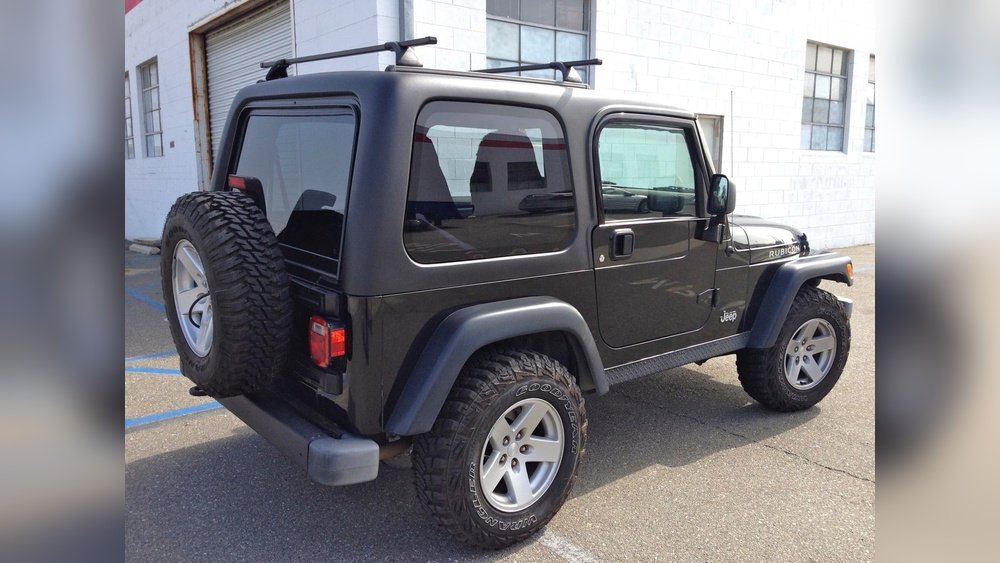
However, for many owners, the desire to use their TJ year-round, in all kinds of weather, means considering a hard top. A hard top offers significant advantages over the standard soft top, transforming the Wrangler from a fair-weather cruiser into a capable all-season vehicle.
This guide will explore everything you need to know about Jeep Wrangler TJ hard tops, from their benefits and types to installation, maintenance, and choosing the right one for your needs.
Owning a TJ Wrangler is often about embracing adventure and versatility. While the soft top provides that classic open-air experience, it comes with limitations.
Noise, security, insulation, and protection from the elements are all areas where a hard top truly shines.
It’s not just about keeping the rain out; it’s about creating a more comfortable, secure, and refined driving environment. Whether you’re commuting in freezing temperatures, facing a sudden downpour, or simply want to reduce road noise on the highway, a hard top is a worthwhile investment for many TJ owners.
The Advantages Of A Tj Wrangler Hard Top
Switching from a soft top to a hard top brings a host of benefits that enhance the overall ownership experience of your Jeep Wrangler TJ. These advantages extend beyond mere weather protection, impacting comfort, security, and even the vehicle’s aesthetic.
Enhanced Security And Theft Deterrence
One of the most significant benefits of a TJ hard top is the increased security it offers. Soft tops, while fun, are relatively easy for thieves to cut through. A hard top, typically made of fiberglass or ABS plastic, provides a much more robust barrier. This deters opportunistic theft of valuables left inside your Jeep and offers greater peace of mind when parking in less secure areas. The solid construction makes it far more difficult to gain unauthorized access, protecting your belongings and your Jeep itself.
Improved All-weather Protection And Insulation
A hard top provides superior protection against rain, snow, wind, and extreme temperatures. The seals are generally much tighter than those on a soft top, preventing leaks and drafts.
This means a warmer cabin in the winter and a cooler one in the summer, especially when combined with proper insulation.
For those who drive their TJ year-round, this improvement in comfort is paramount. The solid shell also does a better job of blocking wind noise, making highway driving considerably more pleasant.
Reduced Road Noise
The fabric of a soft top offers little in the way of sound dampening. As a result, TJ Wranglers with soft tops can be quite noisy at highway speeds, with wind noise and road rumble being constant companions. A hard top, with its solid construction, acts as a significant sound buffer. This reduction in noise makes conversations easier, allows for better enjoyment of music, and generally creates a more refined driving experience. It transforms the TJ from a utilitarian off-roader into a more comfortable daily driver.
Increased Resale Value And Aesthetic Appeal
While subjective, a well-maintained hard top can often increase the resale value of a Jeep Wrangler TJ. Many buyers prefer the versatility a hard top offers for year-round use. Furthermore, a hard top can change the overall look of the TJ, giving it a more finished and even aggressive appearance, depending on the style. It can make the Jeep look more like an enclosed SUV, appealing to a broader range of potential buyers.
Potential For Roof Rack Mounting
Many aftermarket hard tops, and even some factory options, come with integrated mounting points or rails that allow for the installation of roof racks. This is a huge advantage for adventurers who need to carry extra gear like kayaks, bikes, cargo boxes, or camping equipment. A roof rack significantly expands the carrying capacity of your TJ, making it even more suited for road trips and outdoor excursions.

Types Of Jeep Wrangler Tj Hard Tops
When looking for a hard top for your TJ, you’ll encounter several types, primarily differing in material, design, and features. Understanding these differences will help you choose the best option for your budget and needs.
Factory Hard Tops
Original equipment manufacturer (OEM) hard tops, often referred to as factory hard tops, were available as an option when the TJ was new. These are typically made from a multi-layer composite material, similar to ABS plastic or fiberglass, designed to match the Jeep’s body lines.
- Pros: Designed specifically for the TJ, ensuring a good fit and finish. Often come with features like interior lighting, insulation, and tinted windows. Can be painted to match your Jeep’s color.
- Cons: Can be expensive, especially if purchased new or from a dealership. Finding them used can be challenging, and they may show signs of wear. Compatibility with specific TJ models (e.g., 2-door vs. 4-door, though TJs are only 2-door) is usually excellent.
Aftermarket Hard Tops
The aftermarket offers a wide variety of hard tops from different manufacturers. These are often made from fiberglass or ABS plastic and come in various styles and price points.
- Fiberglass Hard Tops: These are a popular choice. They are typically durable, can be painted, and offer good insulation. Some fiberglass tops are designed to be lighter than factory options.
- ABS Plastic Hard Tops: Often more affordable than fiberglass, ABS plastic tops are also durable and lightweight. They might not offer the same level of paint finish or insulation as high-quality fiberglass but are a practical choice for many.
Key Features To Consider In Aftermarket Tops
When evaluating aftermarket options, look for specific features:
- Tinted Windows: Most hard tops come with tinted side and rear windows for privacy and to reduce solar heat gain.
- Interior Headliner: An optional interior headliner can significantly improve insulation (both thermal and acoustic), making the cabin quieter and warmer/cooler.
- Removable Panels (Sky Panels/Freedom Panels): Some hard tops offer removable sections over the front seats, similar to a factory hard top, allowing for a more open-air experience without removing the entire top.
- Mounting Points for Racks: As mentioned earlier, check if the top is designed to accommodate roof racks.
Installing A Jeep Wrangler Tj Hard Top
Installing a hard top on your TJ can range from a relatively straightforward process to a more involved one, depending on the type of top and your mechanical aptitude.
Tools And Preparation
Before you begin, gather the necessary tools. You’ll likely need:
- Socket set and wrenches
- Screwdrivers
- Trim removal tools
- A helper (hard tops are heavy and awkward)
- Possibly a drill (for some aftermarket installations)
- Silicone sealant or appropriate weatherstripping
Preparation involves removing the existing soft top, including the frame, fabric, and any associated hardware. Clean the mounting areas on the Jeep’s body thoroughly to ensure a good seal.
Installation Steps (general Guide)
While specific instructions vary by manufacturer, the general process involves:
- Positioning the Hard Top: With the help of a friend, carefully lift and place the hard top onto the Jeep’s body. Align it with the windshield header and the rear tub mounting points.
- Securing the Windshield Header: Attach the front of the hard top to the windshield frame using the provided clamps or bolts. Ensure a tight seal against the windshield gasket.
- Mounting the Sides: Secure the sides of the hard top to the Jeep’s body tub. This usually involves bolts that go through the hard top and into existing or newly drilled holes in the Jeep’s tub rail.
- Fastening the Rear: Attach the rear of the hard top to the tailgate bar or body tub.
- Installing Windows and Latches: If not pre-installed, fit the side and rear windows and ensure all latches and locking mechanisms function correctly.
- Sealing: Apply weatherstripping or sealant as needed to ensure a watertight fit, especially around the doors and rear tailgate. Double-check all seals for gaps.
- Wiring (if applicable): If your hard top includes interior lights or a rear wiper/defroster, you will need to connect these to your Jeep’s electrical system. This can be the most complex part of the installation.
Pro Tip:
Always follow the manufacturer's specific installation manual for your hard top. Trying to force components or skipping steps can lead to leaks, damage, or an improper fit.
If you're unsure about any part of the process, especially the electrical connections, it's best to have a professional installer handle it.

Maintaining Your Tj Hard Top
Proper maintenance will ensure your hard top lasts for years and continues to provide optimal protection and performance.
Cleaning
Regular cleaning is essential. Use mild soap and water for routine washing.
For more stubborn dirt or grime, a non-abrasive automotive cleaner can be used.
- Exterior: Wash the exterior like you would your Jeep’s paint. Avoid harsh chemicals or abrasive pads that can scratch the surface, especially on fiberglass or painted finishes. A good quality car wax can protect the finish and add shine.
- Interior: The interior headliner (if equipped) can usually be cleaned with a damp cloth and a mild interior cleaner. Avoid soaking the material.
- Windows: Use a good quality glass cleaner and a microfiber cloth to clean the windows, both inside and out. Avoid ammonia-based cleaners on tinted windows, as they can damage the tint film.
Sealing And Weatherstripping
The seals around the doors, windshield, and tailgate are critical for preventing leaks.
- Inspect Regularly: Periodically check the condition of the rubber seals. Look for cracks, tears, or signs of compression.
- Lubricate: Applying a silicone-based lubricant or protectant to the seals can keep them pliable and prevent them from drying out or sticking. This is especially important in extreme temperatures.
- Replace as Needed: If seals are damaged or no longer provide a good barrier, they should be replaced. Many aftermarket suppliers offer replacement seal kits for popular hard tops.
Gel Coat And Paint Care (fiberglass Tops)
If your hard top is painted fiberglass, treat it similarly to your Jeep’s paint.
- Waxing: Apply a coat of automotive wax a couple of times a year to protect the finish from UV rays and environmental contaminants.
- Scratch Repair: Minor scratches can often be buffed out using a rubbing compound and polish. For deeper scratches or chips, touch-up paint may be necessary.
Storage (if Removing The Top)
If you plan to remove the hard top during warmer months, proper storage is crucial.
- Protect from Damage: Store the top in a safe place where it won’t be scratched, dented, or subjected to excessive weight. A dedicated stand or a way to hang it securely is ideal.
- Cover It: Consider covering the top with a breathable tarp or cover to protect it from dust and moisture.
Common Issues And Troubleshooting
Even with proper care, you might encounter a few common issues with TJ hard tops.
Leaks
Leaks are the most frequent complaint. They can stem from:
- Worn Seals: Check and replace any damaged or compressed seals.
- Improper Fit: Ensure the top is correctly aligned and tightened. Sometimes, minor adjustments to mounting points can resolve leaks.
- Cracks: Inspect the hard top itself for any hairline cracks, especially around mounting points or stress areas. Small cracks can often be repaired with fiberglass repair kits.
- Door Seals: Leaks around the doors can sometimes be due to the Jeep’s door seals, not the hard top itself. Adjusting the door hinges or replacing the door seals might be necessary.
Difficulty Removing/installing
Hard tops can be heavy and awkward.
- Get Help: Always use at least one helper when removing or installing.
- Loosen Correctly: Ensure all bolts and clamps are fully loosened before attempting to lift.
- Storage: If you remove it often, consider a hard top hoist or stand for easier handling.
Noise
While a hard top reduces noise, some residual noise can still occur.
- Check Seals: Ensure all seals are making good contact.
- Tighten Fasteners: Loose mounting bolts can sometimes cause rattling.
- Interior Headliner: Adding or repairing an interior headliner can significantly dampen noise.

Choosing The Right Tj Hard Top
Selecting the perfect hard top involves considering your budget, needs, and preferences.
Budget Considerations
- Used Factory Tops: Can be a good value if found in good condition, but prices vary widely. Expect to pay anywhere from $500 to $1500 or more, depending on condition and location.
- New Aftermarket Tops: Generally range from $800 to $2000+, depending on material (ABS vs. fiberglass) and features (like included headliners or sky panels).
- DIY Repairs/Upgrades: If you find a used top that needs some work (e.g., new seals, paint touch-up), factor in the cost of these repairs.
Material And Construction
- Fiberglass: Offers a premium look, good insulation, and can be painted to match. Can be heavier and more prone to cracking on impact than ABS.
- ABS Plastic: Lighter, often more affordable, and durable against minor impacts. May have a less refined finish than high-quality fiberglass.
Features Checklist
When comparing options, ask yourself:
- Do I need tinted windows? (Most come with them)
- Is an interior headliner important for comfort and noise reduction?
- Do I want removable front panels for an open-air feel?
- Will I need mounting points for a roof rack?
- Does the top come painted, or will I need to have it painted?
Fitment And Compatibility
Ensure the hard top you choose is specifically designed for the Jeep Wrangler TJ model (1997-2006). While most are cross-compatible within the TJ range, always double-check.
Popular Hard Top Brands For The Tj
While the market can change, some brands have consistently offered quality hard tops for the TJ Wrangler. It’s always worth checking current reviews and availability.
- Bestop: A well-known name in Jeep tops, Bestop offers various hard top solutions, often praised for their fit and durability.
- Rugged Ridge: Provides a range of aftermarket accessories, including hard tops, often focusing on value and rugged design.
- Mopar (Factory): The OEM option, known for perfect fit and finish but typically comes at a higher price point.
- Other Fiberglass Specialists: Various smaller manufacturers specialize in custom or high-quality fiberglass hard tops, often offering unique designs or features.
When researching, look for reviews that specifically mention TJ fitment, ease of installation,