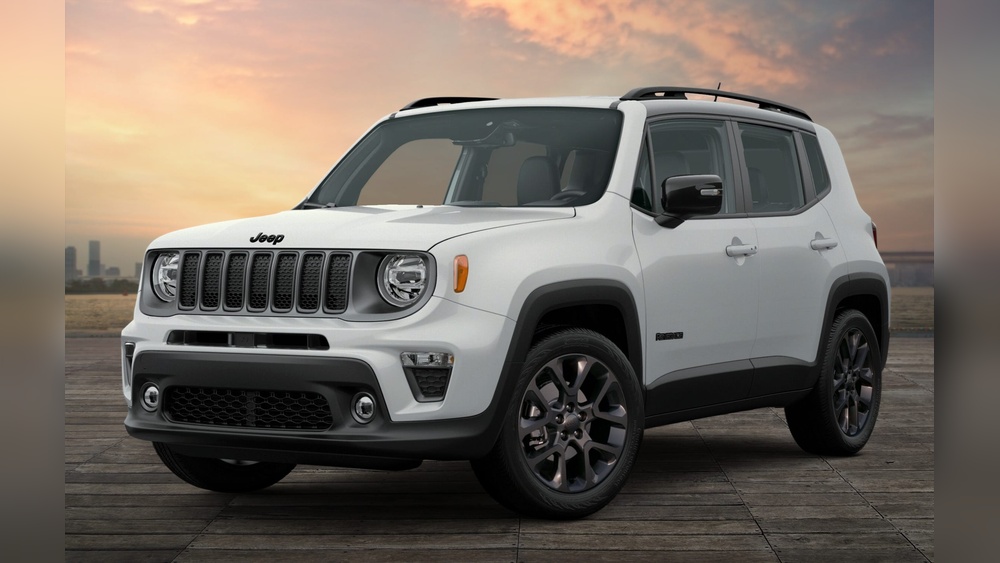
The Jeep Wrangler is an iconic vehicle, known for its off-road prowess and rugged design. A crucial part of its capability and appearance comes from its wheels.
When considering Jeep Wrangler stock aluminum wheel size, it's important to understand that these aren't just about looks; they directly impact performance, handling, and the vehicle's ability to tackle tough terrain. Jeep has offered various wheel sizes over the years and across different trims, each designed to meet specific needs.
This guide will explore the common stock aluminum wheel sizes for the Jeep Wrangler, what they mean for your driving experience, and factors to consider if you're thinking about changing them.
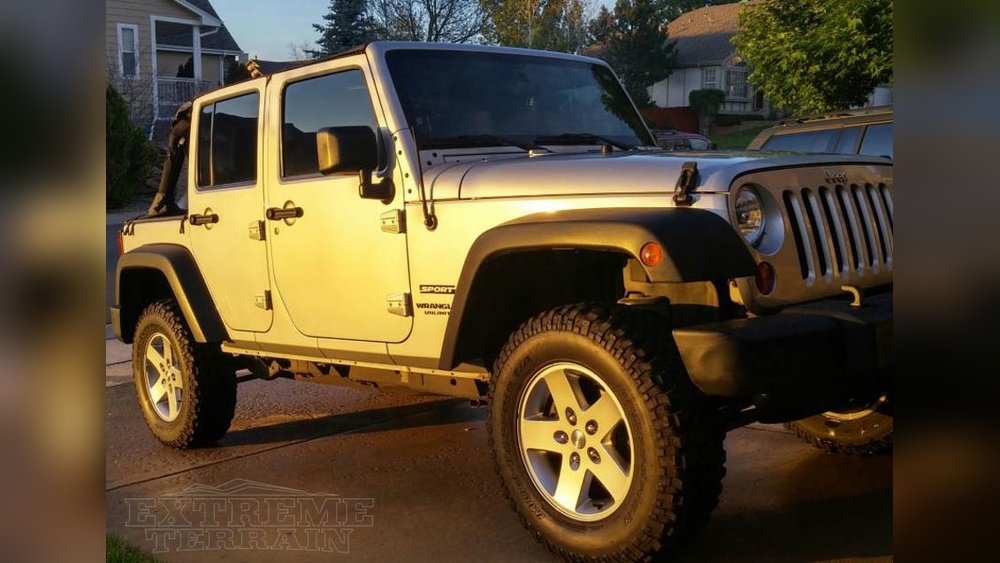
Understanding Jeep Wrangler Wheel Sizes
When we talk about wheel size, we’re usually referring to two main measurements: the diameter and the width of the wheel itself. These are typically expressed in inches. For example, a common stock size might be 17×7.5 inches, meaning the wheel is 17 inches in diameter and 7.5 inches wide.
Diameter: The Big Picture
The diameter of the wheel is the most noticeable measurement. Larger diameter wheels generally allow for larger tires. This can be beneficial for off-roading, as larger tires offer better ground clearance and can roll over obstacles more easily. However, a larger wheel diameter can sometimes lead to a harsher ride if the tire sidewall is too thin.
Width: How Much Tire It Holds
The width of the wheel determines how wide a tire it can safely accommodate. A wider wheel generally supports a wider tire. Wider tires offer a larger contact patch with the ground, which can improve traction, especially on uneven surfaces or in muddy conditions. However, very wide tires can sometimes be more susceptible to damage from sharp rocks or obstacles.
Offset: Positioning Matters
Another critical, though less obvious, aspect of wheel size is offset. Offset refers to how the wheel is mounted to the hub. It’s the distance between the mounting surface of the wheel and the centerline of the wheel.
- Positive offset: The mounting surface is closer to the outside of the wheel. This tucks the wheel inward.
- Negative offset: The mounting surface is closer to the inside of the wheel. This pushes the wheel outward.
- Zero offset: The mounting surface is exactly at the centerline.
Stock Wrangler wheels usually have a specific offset designed to keep the tires within the fender flares for legal and practical reasons, and to maintain proper steering geometry. Changing the offset can affect handling, suspension wear, and how much room you have for larger tires.
Common Stock Aluminum Wheel Sizes For Jeep Wranglers
Jeep has equipped its Wranglers with a variety of aluminum wheel sizes across its model years and trim levels. While specific offerings can change, here are some of the most frequently encountered stock aluminum wheel sizes:
16-inch Wheels
Historically, 16-inch wheels were very common on base model Wranglers. They often came with taller tire sidewalls, which are excellent for off-road articulation and absorbing impacts on rough trails. While less common on newer models as a standard offering, they can still be found on older generations or as an option for specific utility-focused trims.
- Common Widths: Typically around 7 inches wide.
- Tire Profile: Usually paired with tires that have a higher aspect ratio (taller sidewalls), such as 245/75R16 or 265/70R16.
- Performance Impact: Offer a comfortable ride and good off-road compliance due to the tire’s flexibility. Less responsive on-road handling compared to larger diameter wheels with lower profile tires.
17-inch Wheels
The 17-inch wheel has become a staple for the Jeep Wrangler, appearing on a wide range of trims from the Sport to the Rubicon. This size strikes a good balance between on-road manners and off-road capability. It allows for a decent tire sidewall while also accommodating larger, more aggressive off-road tires.
- Common Widths: Often found in 7.5 or 8 inches wide.
- Tire Profile: Typically fitted with tires like 255/75R17 (common on Rubicon models) or 245/75R17.
- Performance Impact: A versatile size that provides a good compromise. The sidewall is still substantial enough for off-roading, and the overall diameter allows for good wheel well fill. Handling is generally better than with 16-inch wheels.
18-inch Wheels
18-inch wheels are more commonly found on higher trim levels or special editions of the Wrangler, such as the Sahara or Overland. These wheels often lean towards a more premium or street-oriented look, though they can still be equipped with capable off-road tires.
- Common Widths: Usually 7.5 or 8 inches wide.
- Tire Profile: Paired with tires that have a slightly lower aspect ratio, like 255/70R18.
- Performance Impact: Offer a slightly more responsive on-road feel due to the reduced tire sidewall height. Off-road performance is still good, but the reduced sidewall offers less cushioning and flexibility compared to 17-inch setups.
20-inch Wheels
20-inch wheels are typically reserved for the most street-focused trims or as an aftermarket upgrade. While they offer a bold aesthetic, they come with significant trade-offs for serious off-roading.
- Common Widths: Often 8 or 8.5 inches wide.
- Tire Profile: Require tires with very low aspect ratios, such as 275/55R20.
- Performance Impact: Provide the most responsive on-road handling and a “sporty” feel. However, the minimal tire sidewall makes them highly susceptible to damage off-road and offers very little cushioning. They also reduce ground clearance if not paired with appropriately sized tires.
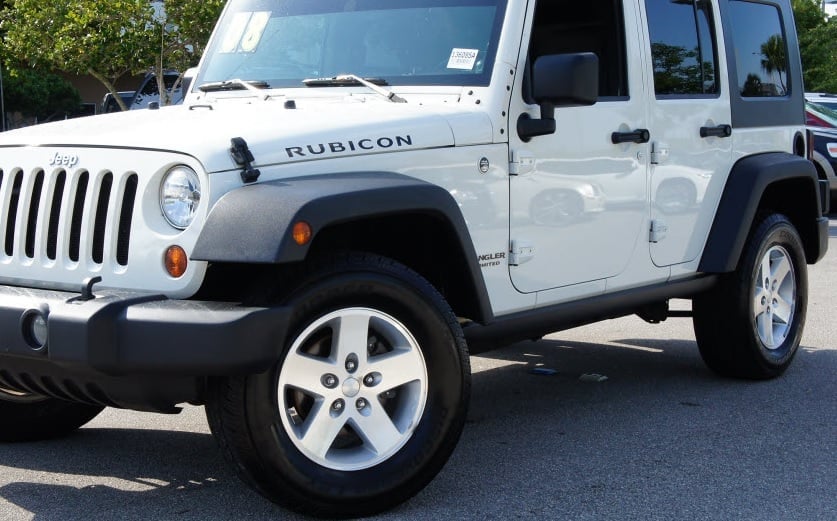
The Evolution Of Wrangler Wheel Sizes By Generation
The specific stock aluminum wheel sizes offered on the Jeep Wrangler have evolved with each generation, reflecting changing consumer preferences and technological advancements.
Jk Generation (2007-2018)
The JK generation saw a significant shift towards larger wheels. While base models might have started with 16-inch or 17-inch wheels, higher trims and later models increasingly featured 17-inch and 18-inch options.
The Rubicon models, in particular, consistently came with 17-inch wheels designed for aggressive off-road tires.
- Example Stock Sizes:
- Sport/Sport S: 16×7.5 (with 225/75R16 tires) or 17×7.5 (with 245/75R17 tires)
- Sahara: 18×7.5 (with 255/70R18 tires)
- Rubicon: 17×7.5 (with 255/75R17 or 285/70R17 tires)
Jl Generation (2018-present)
The current JL generation continues this trend, with 17-inch wheels being the most common size across the board, especially for off-road-oriented trims like the Rubicon. Higher trims like the Sahara often feature 18-inch or even 20-inch wheels.
Jeep also introduced the Gladiator pickup truck based on the JL platform, which shares similar wheel size philosophies.
- Example Stock Sizes:
- Sport/Sport S: 17×7.5 (with 245/75R17 tires)
- Rubicon: 17×7.5 (with 255/75R17 or 285/70R17 tires)
- Sahara: 18×7.5 (with 255/70R18 tires) or 20×8 (with 275/55R20 tires)
Factors Influencing Stock Wheel Size Choices
Jeep selects stock wheel sizes based on a combination of factors, aiming to balance performance, aesthetics, cost, and market appeal.
Performance Needs
For the Wrangler, off-road capability is paramount. Smaller diameter wheels (like 16-inch) with larger sidewall tires offer more flex and cushioning for rough terrain. Larger diameter wheels (like 18-inch or 20-inch) with lower profile tires provide better on-road handling and a sportier look but are less forgiving off-road. Jeep typically equips its more trail-focused models (like the Rubicon) with 17-inch wheels, which are seen as the sweet spot for combining both worlds.
Tire Availability And Cost
The size of the wheel directly impacts the size and type of tire that can be fitted. Common wheel sizes like 17 inches have a vast selection of aftermarket and OEM tires available, from all-terrain to mud-terrain, often at competitive prices.
Less common sizes might have fewer options and could be more expensive.
Fuel Economy And Ride Comfort
Larger diameter wheels and wider tires generally increase the vehicle’s unsprung weight, which can negatively impact fuel economy and ride comfort. Taller, narrower tires with smaller wheels tend to be more fuel-efficient and provide a softer ride. Jeep balances these factors to meet EPA requirements and consumer expectations.
Aesthetics And Market Trends
Consumer demand plays a significant role. In recent years, there's been a trend towards larger wheels across all vehicle segments.
Jeep responds to this by offering larger wheel options on higher trim levels, catering to buyers who prioritize appearance.
Regulatory And Safety Standards
Wheel and tire combinations must meet various safety regulations, including those related to braking system clearance, speedometer accuracy, and vehicle stability. The stock wheel size is carefully chosen to ensure these standards are met without modification.

The Impact Of Stock Wheel Size On Wrangler Performance
The size of your stock wheels has tangible effects on how your Jeep Wrangler drives, both on and off the pavement.
Off-road Capability
- Tire Sidewall: Smaller diameter wheels (e.g., 16″ or 17″) allow for taller tire sidewalls. These sidewalls can flex and conform to uneven terrain, providing better traction and a smoother ride over rocks and bumps. They also allow for lower tire pressures, which further enhances off-road grip and comfort.
- Ground Clearance: While the wheel diameter itself doesn’t directly add ground clearance, the tire size it accommodates does. Larger overall tire diameter means more ground clearance. Stock setups aim for a balance.
- Durability: Taller sidewalls on smaller wheels are generally more resistant to damage from sharp rocks and impacts compared to the very thin sidewalls found on large diameter wheels (like 20″).
On-road Handling
- Responsiveness: Larger diameter wheels (e.g., 18″ or 20″) typically use tires with lower profile sidewalls. This reduces the tire’s tendency to flex during cornering, leading to a more responsive and precise steering feel on paved roads.
- Ride Comfort: The trade-off for better on-road handling with low-profile tires is often a harsher ride. The shorter sidewall has less capacity to absorb road imperfections, transmitting more vibrations and impacts into the cabin.
- Braking Performance: Larger wheels can sometimes accommodate larger brake rotors and calipers, potentially improving braking performance. However, for most stock Wrangler applications, the standard braking systems are well-matched to their respective wheel sizes.
Fuel Economy
As mentioned earlier, larger and wider wheels, along with the tires they carry, generally increase rolling resistance and overall weight. This can lead to a slight decrease in fuel efficiency. The difference might be marginal between closely sized stock options (like 17″ vs 18″), but it becomes more noticeable when comparing very different sizes or when moving to larger aftermarket setups.
Common Stock Aluminum Wheel Specs (examples)
To provide a clearer picture, let’s look at some specific examples of stock aluminum wheel sizes and their typical associated tire sizes for different Wrangler models. These are approximate and can vary by specific year and package.
Here’s a comparison of common stock aluminum wheel and tire configurations:
| Wheel Diameter | Wheel Width | Bolt Pattern | Offset (Approx.) | Common Tire Size (Stock) | Primary Use Case |
|---|---|---|---|---|---|
| 16 inches | 7.0 inches | 5×5 | +44mm | 225/75R16 | Older base models, utility |
| 17 inches | 7.5 inches | 5×5 | +44mm | 245/75R17 | Sport, Sport S, Willys |
| 17 inches | 7.5 inches | 5×5 | +44mm | 255/75R17 | Rubicon, Rubicon Recon |
| 18 inches | 7.5 inches | 5×5 | +44mm | 255/70R18 | Sahara, Altitude |
| 20 inches | 8.0 inches | 5×5 | +44mm | 275/55R20 | High Altitude, specific trims |
*Note: The bolt pattern 5×5 (or 5x127mm) is standard across most modern Jeep Wranglers (JK and JL generations). Offset can vary slightly.*
Understanding The Tire Sidewall Ratio
The numbers in a tire size, like 255/75R17, tell you a lot:
- 255: The width of the tire in millimeters.
- 75: The aspect ratio. This is the tire’s sidewall height as a percentage of its width. So, 75 means the sidewall height is 75% of 255mm.
- R: Indicates a radial tire construction.
- 17: The diameter of the wheel in inches that the tire is designed to fit.
A higher aspect ratio (like 75) means a taller sidewall, which is generally better for off-roading and ride comfort. A lower aspect ratio (like 55 or 50) means a shorter sidewall, leading to better on-road handling but a harsher ride and increased susceptibility to damage.

Can You Change Your Stock Wheel Size?
Yes, you absolutely can change your stock Jeep Wrangler wheel size. Many owners opt to upgrade their wheels for various reasons, from aesthetics to enhanced off-road performance. However, it’