The Jeep Wrangler steering wheel is more than just a way to turn your vehicle. It’s the primary interface between you and your off-road machine.
From precise steering on rocky trails to comfortable cruising on the highway, every component of the steering system, starting with the wheel itself, plays a crucial role. Over time, these parts can wear out, get damaged, or simply become outdated.
Understanding the various Jeep Wrangler steering wheel parts is essential for maintenance, upgrades, and ensuring your Wrangler remains a capable and enjoyable vehicle.
This guide will walk you through the key components that make up your Wrangler’s steering system, focusing on the steering wheel and its immediate surroundings. We’ll cover everything from the basic wheel to the more complex internal mechanisms and accessories that drivers often consider.
Whether you’re dealing with a loose steering wheel, looking to improve its feel, or simply curious about what’s inside, this information will help you keep your Wrangler steering true.
The Steering Wheel Itself: More Than Just A Circle
The steering wheel is the most visible and tactile part of the steering system. Its design and materials directly impact driver comfort and control. For Jeep Wranglers, the steering wheel often reflects the vehicle’s rugged nature, but there’s a lot more to it than meets the eye.
Materials And Design Evolution
Early Jeep models featured simple, durable steering wheels, often made of hard plastic or Bakelite. These were functional and tough, designed to withstand the harsh conditions Wranglers are known for.
As automotive technology advanced, so did steering wheel design.
Modern Wranglers often feature steering wheels with leather wraps for a more comfortable and premium feel. Some models include perforated leather for better grip, especially in sweaty conditions or when tackling challenging terrain. The diameter and thickness of the wheel are also important considerations; a thicker wheel can offer a more substantial grip, which some off-roaders prefer. The overall design has also become more ergonomic, with contours that fit the hand more naturally.
Common Issues And Replacement
Over years of use, the steering wheel can develop issues. The most common problem is wear on the leather wrap, which can become shiny, cracked, or torn. The plastic underneath can also become scuffed or damaged. Another frequent complaint is a loose steering wheel, which can be caused by issues with the steering column or the way the wheel is attached.
Replacing a steering wheel is a common DIY task for many Wrangler owners. It typically involves disconnecting the battery, removing airbag components (if applicable and with extreme caution), unbolting the old wheel, and installing the new one.
It’s crucial to ensure the new wheel is compatible with your specific Wrangler model and year, especially concerning airbag systems.
Aftermarket Steering Wheels
The aftermarket offers a vast array of aftermarket Jeep Wrangler steering wheels. These range from direct replacements with improved materials and ergonomics to completely custom designs. Some popular options include:
- Leather-wrapped wheels: Offering a significant upgrade in comfort and grip over stock plastic wheels.
- Billet aluminum wheels: For a more retro or custom look, often paired with a leather grip.
- Wheels with integrated controls: Newer models often come with steering wheel controls for audio, cruise control, and infotainment. Aftermarket options can replicate or enhance these features.
- Smaller diameter wheels: Some enthusiasts opt for a slightly smaller wheel for a sportier feel or to provide more legroom.
When choosing an aftermarket wheel, always prioritize safety. Ensure it fits securely and does not interfere with any safety systems like airbags or the vehicle’s horn.
The Steering Column: Connecting Wheel To Wheels
The steering column is the crucial link between the steering wheel and the rest of the steering mechanism. It’s a complex assembly that allows for steering input to be translated into rotational movement of the steering shaft.
Components Of The Steering Column
A typical Jeep Wrangler steering column assembly includes several key parts:
- Steering Shaft: This is the main shaft that runs from the steering wheel down through the column. It transmits the rotational force.
- Intermediate Shaft: Often, there’s an intermediate shaft that connects the main steering shaft to the steering gear. This can include universal joints (U-joints) to allow for changes in angle.
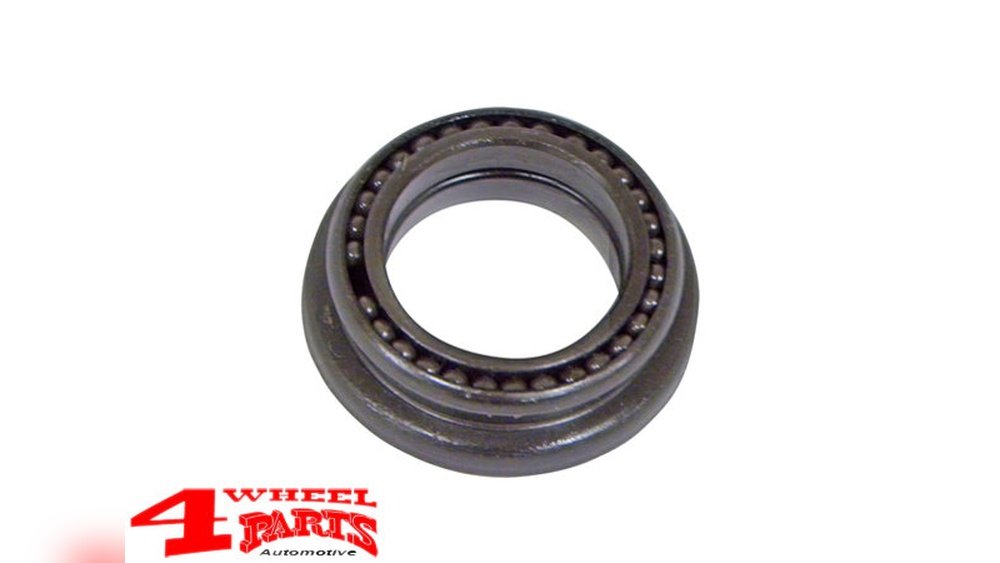
- Bearing and Bushings: These support the rotating shaft and reduce friction. Worn bearings or bushings are a common cause of clunking noises or play in the steering.
- Ignition Lock Cylinder and Switch: Integrated into the column, these control the ignition and starter functions.
- Turn Signal and Wiper Stalks: These levers, typically mounted on the column, control the turn signals, headlights, and windshield wipers.
- Clock Spring (Airbag Coil): This is a vital safety component that allows electrical connections to the steering wheel (for the airbag, horn, and controls) to rotate with the wheel without breaking. A damaged clock spring will cause the airbag warning light to illuminate and disable the horn and steering wheel controls.
- Tilt Mechanism: Many Wrangler steering columns offer a tilt function, allowing the driver to adjust the steering wheel’s angle for comfort. This mechanism involves pins, springs, and a locking lever.
Steering Column Problems And Solutions
Issues with the steering column can manifest in various ways:
- Loose Steering: If the steering wheel feels loose or has excessive play, it could be due to worn U-joints in the intermediate shaft, loose bearings in the column, or a loose steering wheel nut.
- Noises: Clunking, rattling, or grinding noises when turning the wheel can indicate worn bearings, bushings, or issues with the U-joints.
- Malfunctioning Controls: If the horn, airbag light, or steering wheel controls stop working, the clock spring is the most likely culprit. This is a common failure point and requires careful replacement due to the airbag.
- Difficulty Steering: While less common for column-specific issues, a binding steering shaft or damaged internal components can make steering stiff.
Replacing steering column components can be intricate, especially those involving the airbag system. It’s often recommended to have these repairs performed by a qualified mechanic.
The Steering Gear And Linkage: Translating Rotation To Movement
While not strictly “steering wheel parts,” the steering gear (also known as the steering box or rack and pinion) and the steering linkage are directly connected to the steering column and are critical for the steering wheel’s function.
Steering Gear Options In Wranglers
Jeep Wranglers have historically used different steering gear systems:
- Steering Box (Recirculating Ball System): Older Wranglers (like the TJ and earlier models) typically use a steering box. This is a robust, albeit less direct, system. It converts the rotational motion of the steering shaft into linear motion via a pitman arm, which then moves the linkage. This system is known for its durability off-road.
- Rack and Pinion: Newer models, particularly the JL Wrangler, often incorporate a rack and pinion system. This system offers a more direct and precise feel. The steering shaft turns a pinion gear, which moves a linear rack, directly connected to the tie rods.
Steering Linkage Components
The steering linkage connects the steering gear to the front wheels. Key components include:
- Pitman Arm: In steering box systems, this arm attaches to the output shaft of the steering box and connects to the drag link.
- Drag Link: Connects the pitman arm (or the rack on some systems) to the steering knuckle.
- Tie Rods: These connect the steering knuckles to each other, ensuring that both front wheels turn in unison. They consist of inner and outer tie rod ends.
- Tie Rod Ends: These are ball-and-socket joints that allow for the necessary movement and articulation. Worn tie rod ends are a common cause of loose steering, wandering, and uneven tire wear.
Maintaining Steering Health
Regular inspection of the steering linkage is vital for safety and performance. Look for:
- Loose or Worn Tie Rod Ends: Check for play by trying to move the linkage by hand.
- Damaged Boots: Torn rubber boots on tie rod ends or ball joints allow dirt and moisture in, accelerating wear.
- Bent or Damaged Components: Off-roading can bend tie rods or pitman arms.
- Leaking Steering Gear: Power steering fluid leaks from the steering box or rack can indicate seal failure.
When replacing steering linkage components, it’s crucial to get an alignment afterward to ensure proper steering geometry and prevent premature tire wear.
Power Steering System: Making It Easier
For most modern Wranglers, a power steering system assists the driver, making it significantly easier to turn the wheels, especially at low speeds or when maneuvering off-road.
Power Steering Components
The power steering system typically includes:
- Power Steering Pump: Driven by a belt from the engine, this pump pressurizes the power steering fluid.
- Power Steering Fluid Reservoir: Holds the fluid for the system.
- Hoses and Lines: Carry the pressurized fluid to and from the steering gear.
- Steering Gear (Box or Rack): Incorporates hydraulic valves and pistons that use fluid pressure to assist steering effort.
- Power Steering Fluid: A specialized hydraulic fluid that lubricates and transmits pressure.
Common Power Steering Problems
- Whining Noise: A common symptom of low fluid level, air in the system, or a failing pump.
- Stiff Steering: Can be caused by low fluid, a failing pump, or leaks in the system.
- Fluid Leaks: Hoses, seals in the pump, or the steering gear itself can develop leaks.
- Foamy Fluid: Often indicates air contamination, which can be caused by a low fluid level or a leak allowing air to enter.
Pro Tip: Always use the correct type of power steering fluid specified for your Jeep Wrangler. Using the wrong fluid can damage seals and components. Check your owner’s manual for the specific type.
Steering Wheel Accessories And Upgrades
Beyond replacement parts, many Wrangler owners opt for accessories to enhance their steering wheel experience.
Steering Wheel Covers
A simple and effective way to change the feel and appearance of your steering wheel is a steering wheel cover. These come in various materials:
- Leather: For a premium feel and improved grip.
- Neoprene/Silicone: Offer excellent grip, especially in wet conditions.
- Faux Fur/Sheepskin: For added comfort and a unique look.
When choosing a cover, ensure it fits snugly to prevent slipping, which can be a safety hazard.
Steering Wheel Spacers
For some Wrangler models, steering wheel spacers are available. These devices mount between the steering wheel and the steering column, moving the wheel slightly closer to the driver. This can be beneficial for taller drivers who find the steering wheel positioned too far away, especially if they have a larger aftermarket steering wheel or a modified dashboard.
The horn button is integrated into the steering wheel. While typically durable, the horn button or its surrounding bezel can become worn, cracked, or faded. Replacement is usually straightforward and can refresh the look of the steering wheel. For custom builds, aftermarket horn buttons with different designs or logos are also available.
Airbag Covers
If the airbag cover on your Wrangler’s steering wheel is damaged or you’re installing a non-airbag steering wheel (which is generally not recommended for safety reasons on vehicles equipped with airbags), you might consider a replacement airbag cover. However, tampering with airbag systems requires extreme caution.
Safety First: Airbags And Clock Springs
The airbag system integrated into the steering wheel is a critical safety feature. The clock spring is its electrical conduit.
The Role Of The Clock Spring
The clock spring, also known as an airbag coil or spiral cable, is a small, circular component located behind the steering wheel. It contains a ribbon cable that allows electrical signals to pass from the vehicle’s control module to the airbag, horn, and any steering wheel-mounted buttons. As the steering wheel turns, the ribbon cable winds and unwinds within the clock spring housing.
Signs Of A Failing Clock Spring
- Airbag Warning Light: This is the most common indicator. If the light stays on, it means the airbag system is not functional.
- Horn Not Working: The horn relies on a connection through the clock spring.
- Steering Wheel Controls Malfunctioning: Cruise control, audio controls, and other buttons will stop working.
- Intermittent Issues: Sometimes, the problems might be intermittent, especially when turning the wheel, indicating a frayed ribbon cable.
Replacing A Clock Spring
Replacing a clock spring is a job that requires meticulous attention to detail and safety.
- Disconnect the Battery: Always disconnect the negative battery terminal and wait at least 15-30 minutes to allow any residual charge in the airbag system to dissipate.
- Remove Airbag Module: Carefully follow the manufacturer’s instructions for releasing the airbag module from the steering wheel. This often involves releasing clips from behind the wheel.
- Remove Steering Wheel: Once the airbag is safely set aside, the steering wheel can be unbolted.
- Replace Clock Spring: The old clock spring is usually held in place by screws and can be carefully removed.
- Install New Clock Spring: Ensure the new clock spring is centered correctly before installing the steering wheel. Failure to do so can damage the new unit.
- Reassemble: Reinstall the steering wheel, airbag module, and reconnect the battery.
Warning: If you are not comfortable working with automotive electrical systems or airbag components, it is highly recommended to have a professional perform this repair. Accidental deployment of an airbag can cause serious injury.
Frequently Asked Questions
What Are The Most Common Jeep Wrangler Steering Wheel Problems?
The most common issues include a loose steering wheel, worn leather wrap, a non-functional horn, and the airbag warning light being illuminated. Loose steering can stem from worn tie rod ends, intermediate shaft U-joints, or column bearings. Worn wraps are cosmetic. Horn and airbag issues often point to a faulty clock spring.
How Do I Know If My Jeep Wrangler Clock Spring Is Bad?
A bad clock spring will typically cause your airbag warning light to come on, and your horn and any steering wheel-mounted controls (like cruise control or audio buttons) will stop working. Sometimes, these issues might be intermittent, especially when you turn the steering wheel.
Can I Replace My Jeep Wrangler Steering Wheel Myself?
Yes, many Jeep Wrangler owners replace their steering wheels themselves. However, if your Wrangler has an airbag, it is crucial to disconnect the battery and follow safety procedures carefully.
If you are not comfortable working with airbag systems, it's best to have a professional do the job.