The Jeep Wrangler starter relay is a small but vital component. It acts like a switch, telling your engine’s starter motor to turn over when you twist the key.
Without a working starter relay, your Jeep won't start, no matter how good your battery or starter motor is. This guide will help you understand what it is, how it works, why it might fail, and how to fix it.
Understanding The Jeep Wrangler Starter Relay
A starter relay is an electromagnetic switch. When you turn the ignition key to the “start” position, a small amount of electrical current flows from the ignition switch to the starter relay. This current energizes a coil inside the relay. When the coil is energized, it creates a magnetic field that pulls a small metal lever. This lever closes a set of contacts, allowing a much larger electrical current to flow from the battery directly to the starter motor. The starter motor then spins, engaging the engine’s flywheel and starting the engine. Once the engine starts, you release the key, the small current to the relay stops, the magnetic field disappears, and the contacts open, cutting power to the starter motor.
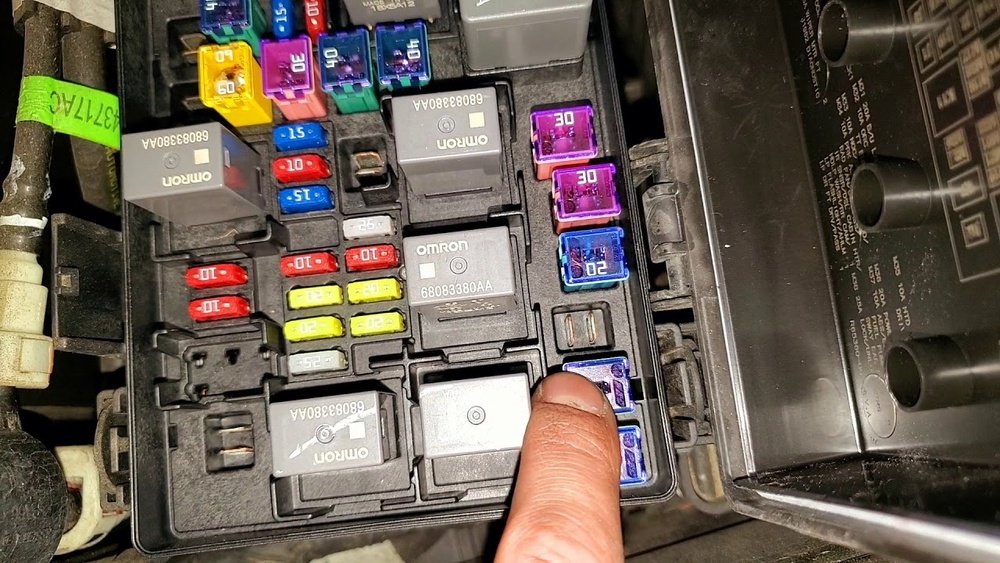
The starter relay is typically a small, rectangular box, often made of plastic, with electrical terminals on one side. It’s usually located in the fuse box or a dedicated relay module under the hood or on the dashboard. Its job is to protect the ignition switch from the high current drawn by the starter motor. Imagine trying to switch on a powerful motor with a tiny switch, it would quickly burn out. The relay acts as an intermediary, using a low-current signal to control a high-current circuit.
How The Starter Relay Works In Your Jeep Wrangler
The process of starting your Jeep Wrangler involves a sequence of electrical events, and the starter relay is a key player.
- Ignition Switch Activation: When you turn the ignition key to the “START” position, the ignition switch sends a low-voltage signal (usually 12 volts) to the starter relay. This signal doesn’t have enough power to directly operate the heavy-duty starter motor.
- Relay Coil Energization: The low-voltage signal travels to the starter relay’s coil winding. This coil acts like an electromagnet. When electricity flows through it, it generates a magnetic field.
- Contact Closure: The magnetic field created by the energized coil pulls a small armature inside the relay. This movement closes a set of internal electrical contacts. These contacts are designed to handle the high amperage required by the starter motor.
- High-Current Flow: With the contacts closed, a direct, high-current path is established from the vehicle battery to the starter motor solenoid. The solenoid is a powerful electromagnet attached to the starter motor.
- Starter Motor Engagement: The solenoid receives the high current and does two things: it pushes the starter gear (Bendix gear) forward to mesh with the engine’s flywheel, and it powers the starter motor itself. The motor spins rapidly, turning the engine over.
- Engine Starts, Relay Deactivates: As soon as the engine starts running on its own power, you release the ignition key back to the “RUN” position. This breaks the low-voltage signal to the starter relay coil. The magnetic field collapses, the armature springs back, and the contacts inside the relay open. This immediately cuts off power to the starter solenoid and motor, preventing damage and saving battery power.
This entire sequence happens in a matter of seconds, and the starter relay is crucial for managing the power flow safely and efficiently.

Common Jeep Wrangler Starter Relay Problems
Like any automotive component, the starter relay can wear out or fail. Several issues can lead to a malfunctioning starter relay, preventing your Jeep from starting.
Worn-out Contacts
Over time, the electrical contacts inside the relay can become pitted, corroded, or worn down due to the constant high-current switching. This wear can increase resistance or prevent a solid connection, meaning the starter motor doesn’t receive enough power to turn.
Sometimes, a slightly worn relay might work intermittently, your Jeep might start sometimes but not others.
Coil Failure
The electromagnet coil within the relay can also fail. If the coil burns out or breaks internally, it won’t be able to generate the magnetic field needed to close the contacts, even when it receives the signal from the ignition switch.
This results in a complete failure to start.
Moisture And Corrosion
Jeep Wranglers are often used for off-roading and can be exposed to water, mud, and other elements. If moisture gets into the starter relay housing, it can cause corrosion on the internal components and electrical terminals.
This corrosion can lead to poor electrical connections, intermittent operation, or outright failure.
Physical Damage
While less common, the relay can suffer physical damage from impacts or improper handling during other repairs. A cracked housing or bent terminals can compromise its function.
Overheating
If the starter motor is engaged for too long (e. g.
, if the engine doesn't start immediately and the driver keeps holding the key), the starter motor and relay can overheat. This excessive heat can damage the relay’s internal components, leading to failure.
Symptoms Of A Failing Jeep Wrangler Starter Relay
Recognizing the signs of a failing starter relay can save you time and frustration. These symptoms often point towards a relay issue, though it’s important to remember that other components like the battery, starter motor, or ignition switch can cause similar problems.
No Crank, No Start
This is the most classic symptom. You turn the key to start your Jeep, and absolutely nothing happens.
You don't hear the starter motor trying to engage, no clicking sounds, no engine cranking. The dashboard lights might come on, but the engine won't even try to turn over.
This often indicates a complete failure of the relay, preventing any power from reaching the starter solenoid.
Single Loud Click
Sometimes, when you turn the key, you might hear a single, loud click. This click often comes from the starter solenoid engaging, but it’s not receiving enough power (or any power) from the battery due to the failed relay.
The solenoid tries to push the gear and engage the starter motor, but the motor itself doesn't spin.
Intermittent Starting Issues
Your Jeep might start fine one day and then refuse to start the next. These intermittent problems are a strong indicator of a failing starter relay, especially if the issue seems random. It could be that the relay’s contacts are worn or corroded, making a connection only when conditions are just right.
Slow Engine Crank
While often linked to a weak battery, a slow engine crank can sometimes be caused by a starter relay with high resistance. The worn contacts restrict the flow of current, so the starter motor receives less power than it needs, causing it to spin sluggishly.
Dashboard Lights Dim Or Flicker
When you try to start the engine, the dashboard lights might dim significantly or flicker. This can happen if the starter relay is drawing excessive current due to internal problems or if it’s struggling to make a good connection.
No Click Or Sound From Engine Bay
Unlike a failing battery (which might produce rapid clicking) or a seized starter motor (which might make a grinding noise), a completely dead starter relay means no signal gets to the starter solenoid. Therefore, you might hear absolutely nothing from the engine bay when you turn the key to start.
It’s crucial to diagnose properly before replacing parts. A mechanic will typically test the battery voltage, check connections, and then test the starter relay itself.

How To Test Your Jeep Wrangler Starter Relay
Testing a starter relay is a common DIY task for Jeep owners. You can perform a simple test to see if the relay is functioning correctly.
Visual Inspection
First, locate the starter relay. It’s usually in the fuse and relay box under the hood. Consult your Jeep Wrangler owner’s manual for the exact location and identification of the starter relay. Once found, remove it. Look for any signs of physical damage, burnt plastic, or corrosion on the terminals. If you see any of these, the relay is likely bad and needs replacement.
The Headlight Test (jumper Wire Method)
This is a popular method to test the relay’s ability to switch power. You’ll need a jumper wire with alligator clips on both ends.
- Identify Terminals: Examine the relay. It will have four or five terminals. Two larger terminals are for the high-current circuit (battery and starter motor), and two smaller terminals are for the low-current control circuit (ignition switch and ground). The owner’s manual or a wiring diagram will show which terminal is which. Typically, the large terminals are numbered 30 and 87, and the small ones are 85 and 86.
- Connect Jumper Wire: With the relay removed, connect one end of the jumper wire to the battery terminal (usually terminal 30) and the other end to the starter motor terminal (usually terminal 87). This bypasses the relay’s internal switch.
- Apply Power: Briefly touch the positive (+) terminal of your battery with the end of the jumper wire connected to terminal 30. Then, touch the positive terminal of the battery to the terminal that controls the coil (usually terminal 86). You should hear a click from the relay as its coil is energized.
- Test the Switch: Now, using your jumper wire, connect the battery terminal (30) to the starter terminal (87). You should hear the starter motor spin. If it spins, the starter motor and battery are good, and the relay is likely the issue. If it doesn’t spin, the problem might be elsewhere (e.g., starter solenoid, wiring).
Pro Tip: Be extremely careful when performing this test. Ensure the jumper wire only touches the specified terminals. Accidental contact with other components can cause damage or short circuits. Work in a well-lit area and have someone assist you if possible.
Using A Multimeter
A more precise method involves using a multimeter to check for continuity and resistance.
- Check Coil Resistance: Set your multimeter to the resistance (ohms, Ω) setting. Place the probes on the two smaller terminals (85 and 86) of the relay. You should get a reading indicating resistance, typically between 50 and 150 ohms. If you get an open circuit (OL or infinite resistance), the coil is likely broken.
- Check Contact Continuity: Set your multimeter to the continuity setting (often indicated by a speaker symbol). With the relay de-energized (no power to the small terminals), check for continuity between the two larger terminals (30 and 87). There should be no continuity (OL reading).
- Energize the Coil: Apply a small 12V power source (like a spare battery or a fused wire from your Jeep’s battery) to the small terminals (85 and 86) to energize the coil. Now, check for continuity between the large terminals (30 and 87) again. You should hear a click and get a continuity reading (low resistance, often beeping sound on the multimeter), indicating the contacts have closed.
If any of these tests fail, the starter relay needs replacement.
Replacing The Jeep Wrangler Starter Relay
Replacing a starter relay is generally a straightforward process for most Jeep Wrangler owners.
Step-by-step Replacement Guide
- Safety First: Disconnect the negative battery terminal to prevent any accidental electrical shorts. This is a crucial safety step.
- Locate the Relay: Find the starter relay in the fuse and relay box. Your owner’s manual is the best resource for this.
- Remove the Old Relay: The relay is usually held in place by friction. You can gently pry it out using a flathead screwdriver or a trim removal tool. Be careful not to damage the surrounding components or the fuse box. If it’s stuck, a gentle wiggle should free it.
- Prepare the New Relay: Ensure you have the correct replacement part. Starter relays can look similar but have different amperage ratings or pin configurations. Always verify the part number against your Jeep’s specifications.
- Install the New Relay: Align the terminals of the new relay with the socket in the fuse box and push it firmly into place until it clicks or sits flush.
- Reconnect the Battery: Reconnect the negative battery terminal.
- Test the Ignition: Turn the key to the “START” position. Your Jeep should now crank and start normally. If it doesn’t, recheck your work, ensure the new relay is correctly seated, and consider that the problem might lie elsewhere.
What You’ll Need
- New Starter Relay: Ensure it’s the correct part number for your specific Jeep Wrangler model and year.
- Basic Hand Tools: A flathead screwdriver or trim removal tool might be helpful for prying out the old relay.
- Owner’s Manual: Essential for locating the relay and verifying the part number.
- Safety Glasses: To protect your eyes.
- Gloves: To keep your hands clean and protected.
Where To Find The Starter Relay
The starter relay is almost always located within the main fuse and relay box, which is typically found under the hood of your Jeep Wrangler. Some older models might have a relay located elsewhere, like behind the dashboard, but the under-hood fuse box is the most common location. Always refer to your owner’s manual for the precise location and diagram of the fuse box.
When To Seek Professional Help
While replacing a starter relay is often a DIY job, there are times when it’s best to let a professional mechanic handle it.
- Uncertainty About Diagnosis: If you’ve tested the relay and are still unsure if it’s the culprit, or if your tests indicate a different problem (like a faulty starter solenoid or wiring issue), a mechanic has the specialized tools and experience to pinpoint the exact cause.
- Complex Electrical Systems: Modern vehicles, including newer Jeep Wranglers, have complex electrical systems. If you’re not comfortable working with automotive electrical systems, attempting repairs could lead to more significant damage.
- Inability to Locate the Relay: If you cannot find the starter relay in your fuse box, or if it’s in a difficult-to-access location, it might be worth the cost of professional labor to avoid frustration and potential damage.
- Repeated Failures: If you replace the starter relay and the problem persists, or if a new relay fails prematurely, there might be an underlying issue, such as an electrical short, a faulty ground, or an issue with the starter itself, that requires professional diagnosis.
- Lack of Proper Tools: While simple tools are often sufficient, advanced diagnostics might require specialized equipment that most DIYers don’t have.
A qualified mechanic can perform thorough diagnostic tests, including checking the entire starting circuit, ensuring all components are functioning correctly and safely.
Frequently Asked Questions