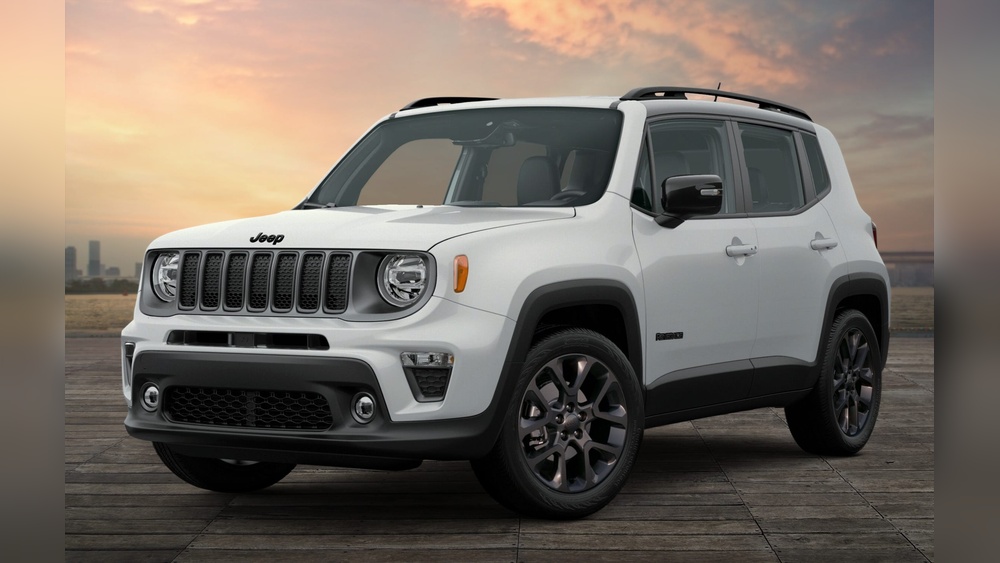
The Jeep Wrangler is an icon. For decades, it’s been the go-to vehicle for off-road adventures, rugged trails, and open-air freedom.
While its legendary capability comes from its robust design and powerful engines, proper maintenance is key to keeping it performing at its best. One crucial, yet often overlooked, aspect of maintenance is wheel torque.
When you need to remove and reinstall your Jeep Wrangler Sport wheels, perhaps for a tire rotation, a brake job, or a flat tire, knowing the correct wheel torque specification is vital. This isn’t just about ensuring your wheels stay on; it’s about preventing damage to your wheels, studs, and even your suspension components. Overtightening can strip threads or crack wheels, while undertightening can lead to loose wheels, a dangerous situation.
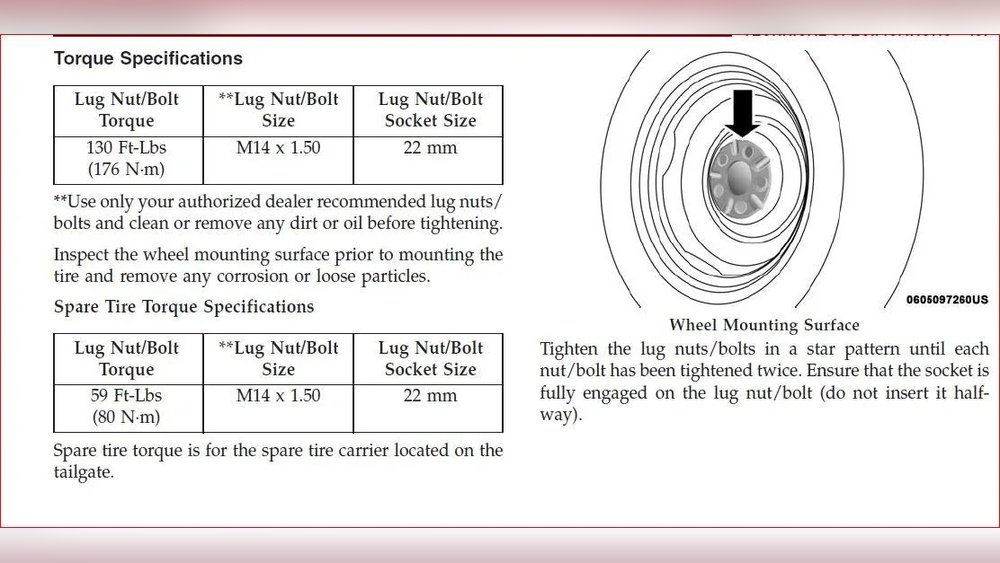
This guide will walk you through everything you need to know about Jeep Wrangler Sport wheel torque specifications. We’ll cover why it’s important, what the specific torque values are for different Wrangler generations, how to properly torque your wheels, and common mistakes to avoid. Whether you’re a seasoned off-roader or a new Jeep owner, understanding and applying the correct wheel torque will help keep your Wrangler safe and reliable on any terrain.
Why Wheel Torque Matters For Your Jeep Wrangler Sport
Wheel torque is the tightness applied to the lug nuts or bolts that secure your wheels to the vehicle’s hub. It’s measured in foot-pounds (ft-lbs) or Newton-meters (Nm). When you tighten lug nuts, you’re essentially stretching the wheel studs. This stretch creates clamping force that holds the wheel firmly against the hub.
Getting this clamping force just right is critical for several reasons:
- Safety: The most important reason. If lug nuts are too loose, the wheel can wobble, leading to vibrations, damage to the studs and wheel, and in the worst-case scenario, the wheel could detach from the vehicle. This is incredibly dangerous for everyone on the road.
- Preventing Damage: Overtightening is just as bad, if not worse. Excessive torque can:
- Strip lug nut threads: This makes it impossible to properly secure the wheel.
- Damage wheel studs: Over-stretching or breaking studs requires costly replacement.
- Warp brake rotors: Uneven or excessive clamping force can distort the brake rotors, leading to pulsating brakes and reduced stopping power.
- Crack wheels: Especially with aftermarket alloy wheels, over-torquing can cause stress fractures.
- Ensuring Even Pressure: Proper torque ensures that the wheel is seated evenly against the hub. This is important for the smooth operation of your brakes and suspension.
- Maintaining Tire and Wheel Integrity: Correct torque helps distribute the load evenly across the wheel and tire assembly, preventing premature wear or damage.
Think of it like tightening screws on a delicate piece of equipment. You need them snug, but not so tight that you strip the threads or crack the material.
Wheel torque is the same principle, applied to a critical safety component.
Jeep Wrangler Sport Wheel Torque Specifications By Generation
The exact wheel torque specification for a Jeep Wrangler Sport can vary slightly depending on the model year and generation of the vehicle. Jeep has made several generations of the Wrangler, each with minor design differences that can influence these specifications.
It’s always best to consult your owner’s manual for the most accurate information for your specific vehicle. However, here are the commonly accepted torque specifications for recent Jeep Wrangler generations:
Jk Generation (2007-2018)
The JK Wrangler, a very popular generation, typically uses a 14mm x 1.5 thread size for its wheel studs.
- Standard Torque Specification: 100 ft-lbs (135 Nm)
This specification generally applies to both the 2-door (JKU) and 4-door (JK) models of the Wrangler Sport, Sahara, and Rubicon trims within this generation.
Jl Generation (2018-present)
The current generation, the JL Wrangler, also primarily uses 14mm x 1.5 wheel studs. The torque specification remains consistent with the JK generation for most models.
- Standard Torque Specification: 100 ft-lbs (135 Nm)
This applies to the Wrangler Sport, Sport S, Sahara, Rubicon, and other trims in the JL lineup.
Tj Generation (1997-2006)
Older generations, like the TJ, often used a slightly smaller 1/2 inch x 20 thread size for their wheel studs.
- Standard Torque Specification: 95 ft-lbs (129 Nm)
While this guide focuses on the Wrangler Sport, it’s worth noting that this specification was common across most TJ models.
Yj Generation (1987-1995)
The YJ generation, the first to officially bear the “Wrangler” name, also commonly used the 1/2 inch x 20 studs.
- Standard Torque Specification: 95 ft-lbs (129 Nm)
Important Considerations For Your Specific Wrangler
- Owner’s Manual: Always, always check your owner’s manual. It’s the definitive source for your specific vehicle.
- Aftermarket Wheels: If you have installed aftermarket wheels, they might have different requirements. Some aftermarket wheels, especially those with thinner lug nut seats or different materials, may require a slightly lower torque spec to prevent damage. Consult the wheel manufacturer for their recommendations.
- Aftermarket Lug Nuts: Similarly, if you’ve changed your lug nuts, ensure they are compatible with your studs and wheels.
- Hub Centric vs. Lug Centric: Most Wranglers are lug-centric, meaning the wheel is centered by the lug nuts. Some aftermarket wheels might be hub-centric, relying on a precisely machined center bore to align with the vehicle’s hub. This distinction usually doesn’t change the torque spec but is good to be aware of for proper wheel mounting.

How To Properly Torque Your Jeep Wrangler Sport Wheels
Simply tightening the lug nuts until your wrench feels tight is not enough. You need a torque wrench and a systematic approach to ensure each lug nut is tightened to the exact specification.
Here’s a step-by-step guide:
Tools You’ll Need:
- Torque Wrench: A reliable click-type or beam torque wrench that reads in ft-lbs or Nm. Ensure it’s calibrated regularly.
- Lug Wrench or Socket Set: With the correct size socket for your lug nuts (usually 19mm or 21mm for most Wranglers).
- Jack and Jack Stands: For safely lifting the vehicle.
- Wheel Chocks: To prevent the vehicle from rolling.
Steps:
- Prepare the Vehicle:
- Park your Jeep on a flat, level surface.
- Engage the parking brake firmly.
- Place wheel chocks behind the wheels that will remain on the ground (e.g., if you’re changing a front tire, chock the rear wheels).
- If the wheel is already off, ensure the vehicle is securely supported by a jack stand before proceeding.
- Install the Wheel:
- Place the wheel onto the hub.
- Install all lug nuts by hand, turning them clockwise until they are snug against the wheel. This helps prevent cross-threading.
- Initial Tightening (Star Pattern):
- Using your lug wrench (without the torque wrench for now), tighten the lug nuts in a star pattern (also known as a crisscross pattern).
- Go around the wheel a few times, tightening each nut a little at a time. The goal here is to seat the wheel evenly against the hub and snug up the nuts. Don’t fully tighten them yet.
- Why the star pattern? This ensures even pressure distribution. Tightening in a circle can pull the wheel unevenly, potentially causing it to bind or not seat properly.
- Torqueing the Lug Nuts:
- Set your torque wrench to the specified value (e.g., 100 ft-lbs for a JK/JL).
- Begin tightening the lug nuts in the star pattern again.
- When the torque wrench “clicks” (for a click-type) or indicates the set torque, stop on that lug nut.
- Move to the next nut in the star pattern.
- Continue this process, working your way around the wheel, until all lug nuts have been torqued to the specified value.
Pro Tip: When using a torque wrench, always pull the wrench smoothly and steadily. Avoid jerky movements. Also, never use an impact wrench to final torque lug nuts. Impact wrenches are great for quickly removing nuts or for initial snugging, but they make it very difficult to achieve precise torque and can easily lead to over or under-tightening.
- Final Check:
- After torquing all the nuts, go around the star pattern one more time with the torque wrench set to the same value. This is a crucial step to ensure none of the nuts loosened slightly as you tightened others. Confirm each nut reaches the torque spec.
- Repeat for All Wheels:
- Repeat the entire process for all four wheels.
- Re-Torque After Driving:
- This is a critical step that many people forget. After driving for about 50-100 miles (80-160 km), you must re-torque all the lug nuts.
- Drive gently and avoid hard braking or acceleration during this initial period.
- The star pattern tightening process can cause slight settling of the wheel, and the studs can stretch a bit more under initial load. Re-torquing ensures everything remains securely fastened.
Common Mistakes When Torquing Jeep Wrangler Wheels
Even with the right tools and knowledge, mistakes can happen. Being aware of common pitfalls can help you avoid them.
- Using the Wrong Torque Value: As mentioned, always verify the spec for your specific year and model. Using a generic value might be incorrect.
- Not Using a Torque Wrench: Relying on feel or a standard wrench is inaccurate. Torque wrenches are essential for safety-critical components like wheels.
- Using an Impact Wrench for Final Torque: Impact guns can easily overtighten or undertighten nuts, and they don’t provide the precise control needed. Use them only for initial rundown or removal.
- Skipping the Star Pattern: Tightening in a circle can lead to uneven pressure, potentially causing wheel wobble or even damaging the wheel hub.
- Not Re-Torquing After Driving: This is a common oversight. Wheels can settle after initial driving, and lug nuts can loosen slightly. Re-torquing after 50-100 miles is vital.
- Overtightening: This can strip threads, break studs, warp brake rotors, or crack wheels. It’s a serious issue that leads to expensive repairs.
- Undertightening: This is equally dangerous, potentially leading to wheel detachment.
- Dirty Threads or Mounting Surfaces: Dirt, rust, or debris on the wheel studs, lug nuts, or the hub face can affect the torque reading. Ensure these surfaces are clean. Some manufacturers recommend *against* applying lubricant or anti-seize to threads, as it can alter torque readings significantly. Always check your manual; most manufacturers specify dry threads.
- Cross-Threading Lug Nuts: This happens when a lug nut is screwed on at an angle, damaging the threads on both the nut and the stud. Always start lug nuts by hand to ensure they thread smoothly.
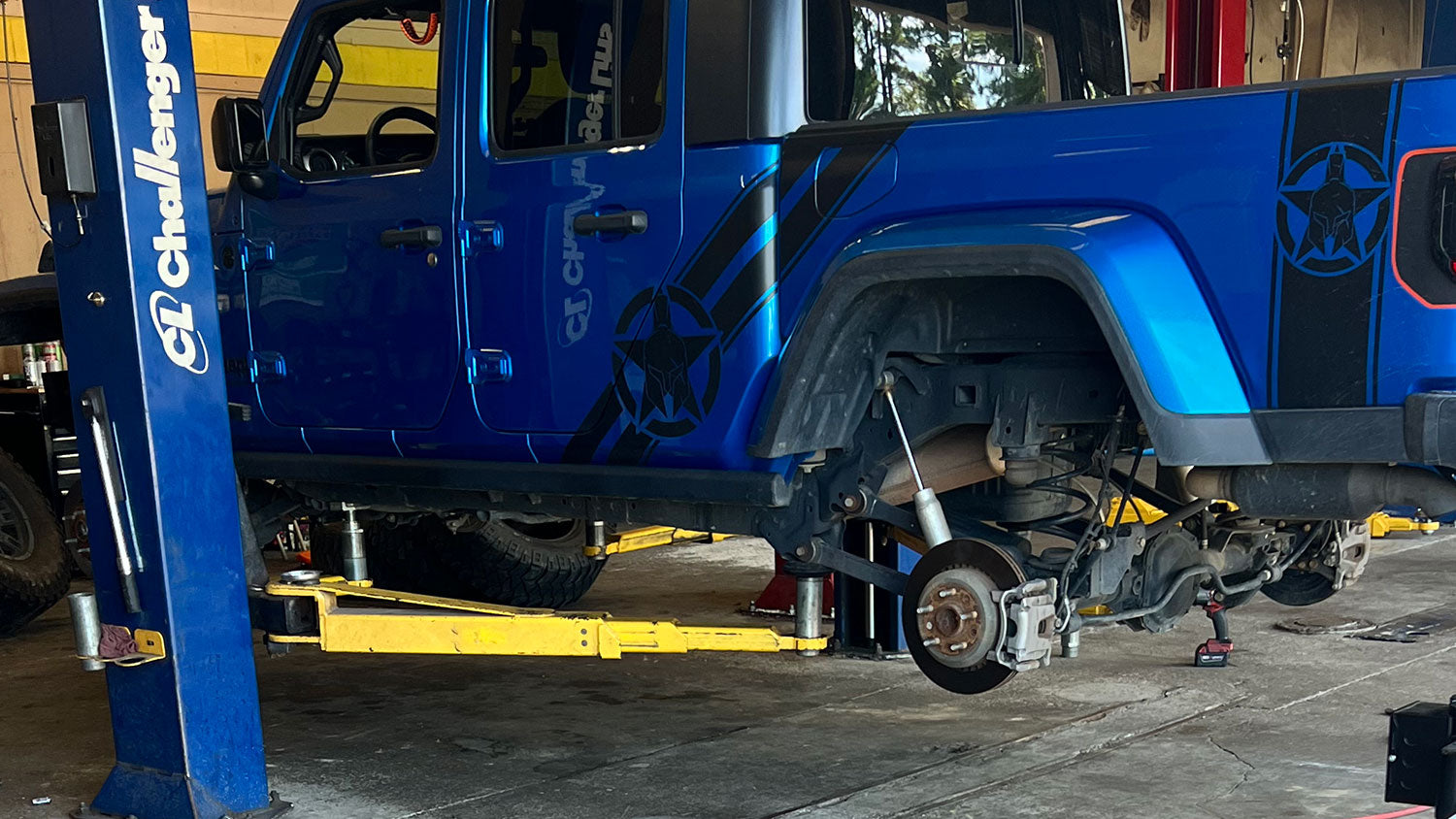
Factors Affecting Wheel Torque
While the specified torque value is the target, several factors can influence the actual clamping force achieved. Understanding these can help you be more diligent.
Thread Condition
The condition of the wheel studs and lug nuts plays a significant role.
- Cleanliness: As mentioned, debris, dirt, or corrosion on the threads can create false torque readings. A clean stud and nut allow the torque wrench to accurately measure the stretch of the stud.
- Lubrication: Most automotive manufacturers recommend installing lug nuts and studs dry. Applying oil, grease, or anti-seize compounds can significantly reduce the friction between the threads. This means that when your torque wrench reaches the set value, the actual clamping force (the stretch in the stud) will be much higher than intended. For example, a lubricant could effectively increase the clamping force by 20-30%, potentially leading to over-stressing the studs or damaging the wheel. If your manual specifies lubrication, follow that guidance precisely, but generally, dry is the way to go.
Material Of Wheels And Lug Nuts
The materials used in your wheels and lug nuts can affect friction and stress.
- Steel Wheels: Generally robust and less prone to damage from over-torquing compared to alloy wheels.
- Alloy Wheels: Can be more susceptible to damage. Overtightening can cause stress cracks, especially around the lug nut seats. Some aftermarket alloys might also have thinner lug nut seats.
- Lug Nut Material: Lug nuts are typically made of steel, but coatings can vary. These coatings can slightly alter friction.
Stud Stretch Vs. Friction
Torque is a measure of rotational force, but what we’re actually trying to achieve is a specific amount of clamping force, which comes from the stretch of the wheel stud. This stretch is achieved through a combination of overcoming friction (in the threads and under the lug nut seat) and actually stretching the stud.
- Friction: A significant portion of the torque applied is used to overcome friction. If friction is reduced (e.g., by dirt or lubricant), more of the applied torque goes into stretching the stud.
- Stud Condition: Damaged or worn studs might not stretch consistently, leading to unpredictable clamping force.
This is why using a calibrated torque wrench and ensuring clean, dry threads are paramount. It’s the best way to get as close as possible to the desired clamping force specified by the manufacturer.
When To Seek Professional Help
While changing a tire or rotating your own wheels is a common DIY task, there are times when it’s best to let professionals handle it.
- Lack of Proper Tools: If you don’t own a reliable torque wrench or other necessary tools, it’s safer to visit a tire shop or mechanic.
- Uncertainty: If you’re unsure about the correct torque specification for your specific Jeep Wrangler Sport or uncomfortable with the