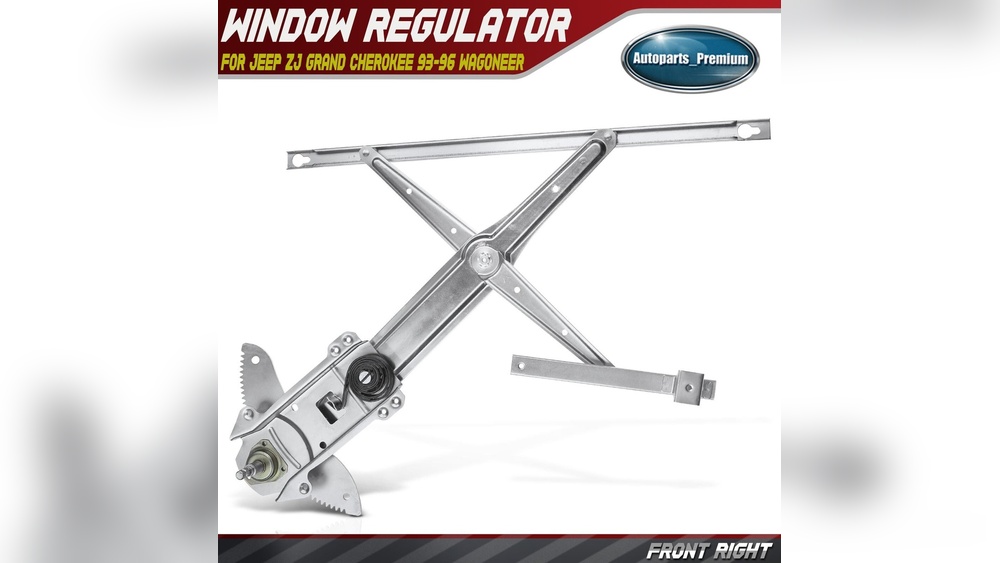
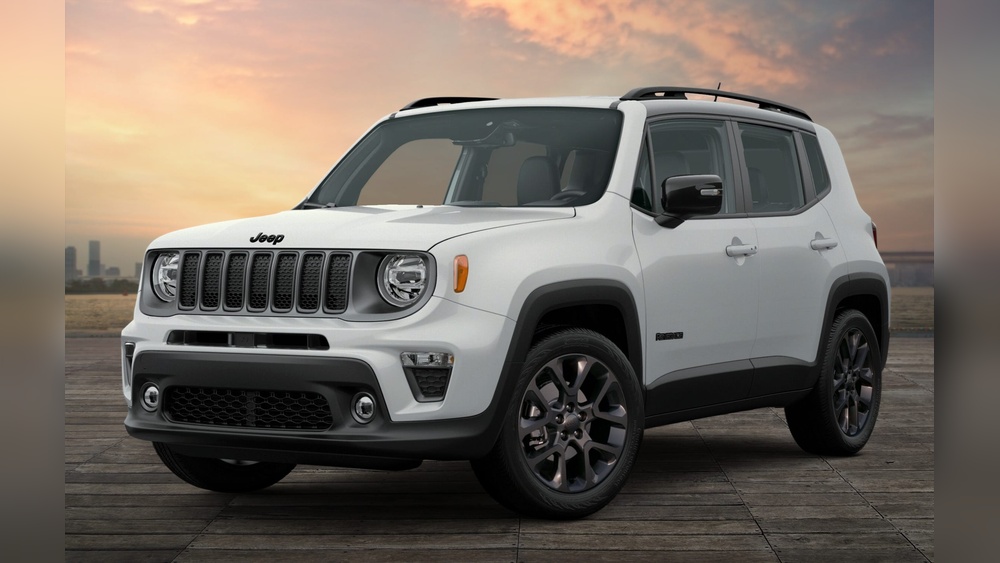
A Jeep Wrangler silver 5th wheel cover is more than just an accessory; it's a vital shield for your recreational vehicle. When you invest in a fifth-wheel camper, you're investing in freedom, adventure, and memorable experiences.
Protecting that investment, especially from the harsh elements, is paramount. A silver fifth-wheel cover, specifically designed for your Jeep Wrangler's towing needs, offers a robust solution.
It's not just about keeping your camper clean; it's about preserving its value, ensuring its longevity, and making your travel experiences smoother.
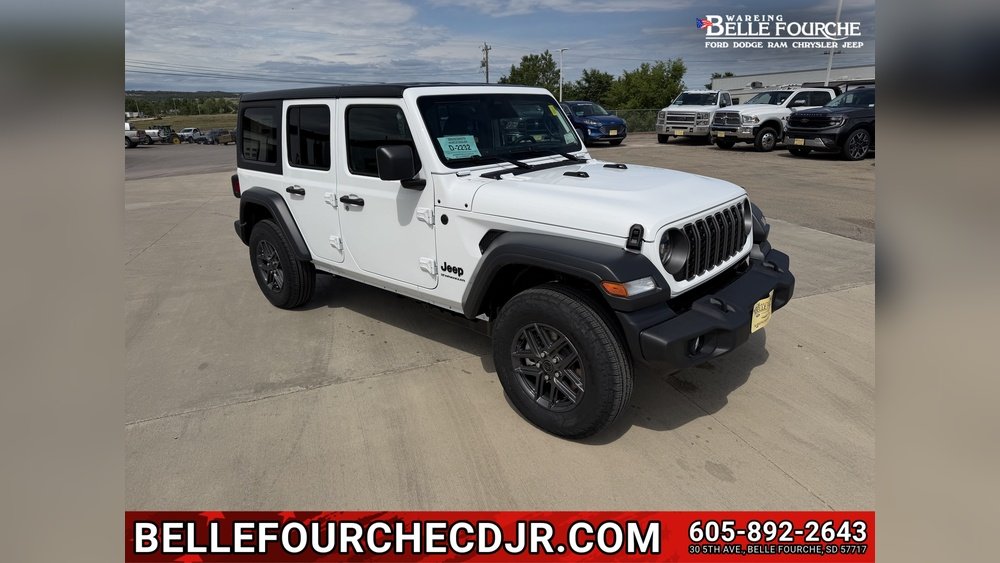
This guide will explore why a silver fifth-wheel cover is a smart choice for Jeep Wrangler owners, what features to look for, and how to maintain it for maximum benefit.
Why Choose A Silver 5th Wheel Cover For Your Jeep Wrangler?
The decision to purchase a fifth-wheel cover might seem straightforward, but understanding the specific benefits, especially for a Jeep Wrangler owner, adds significant value. Jeep Wranglers are known for their rugged capabilities, often venturing into diverse terrains and facing varied weather conditions.
This means your fifth-wheel trailer isn’t just traveling on highways; it might be exposed to more than just sun and rain.
Protection Against The Elements
The most apparent benefit of any RV cover is protection. A silver fifth-wheel cover acts as a barrier against a multitude of environmental threats:
- UV Rays: Prolonged exposure to the sun’s ultraviolet (UV) rays can break down RV materials. This includes fading paint, cracking seals, and deteriorating fabrics on awnings and other exterior components. Silver covers are often made with UV-resistant materials or coatings that reflect sunlight, significantly reducing heat buildup and UV damage. This is particularly important for RVs that might sit for extended periods, whether at home or in storage.
- Rain and Snow: Water can seep into seams, cause rust on metal components, and promote mold and mildew growth. A good quality cover is waterproof or highly water-resistant, preventing moisture from reaching the RV’s surface. In snowy regions, it also prevents snow and ice accumulation, which can add significant weight and cause physical damage.
- Wind: High winds can carry debris like sand, dirt, and small stones that can scratch and damage the RV’s exterior. A well-fitted cover straps down securely, preventing it from flapping and causing abrasion. It also shields the RV from wind-blown dust and grime.
- Dirt and Debris: Bird droppings, tree sap, and general road grime can be difficult to clean and can permanently stain or etch the RV’s finish. A cover keeps these contaminants at bay, making cleanup much easier when you do need to remove it.
Preserving Resale Value
Your Jeep Wrangler and its fifth-wheel trailer represent a significant investment. Maintaining their condition is crucial for preserving their resale value.
A trailer that looks well-cared-for, with a pristine exterior and intact seals, will command a higher price when it's time to sell or trade it in.
A silver fifth-wheel cover actively contributes to this by preventing the cosmetic and material degradation that occurs with constant exposure. It’s a proactive measure that pays off in the long run.
Maintaining Interior Comfort
While the exterior is the primary focus, a good cover also helps regulate the interior temperature. The reflective silver surface bounces sunlight away, keeping the RV cooler during hot months.
This means less strain on your air conditioning system when you first arrive and a more comfortable environment to step into.
In colder weather, it can offer a minor insulating effect, helping to retain some warmth.
Ease Of Use And Maintenance
Modern fifth-wheel covers are designed with user-friendliness in mind. Many feature zippered panels that allow access to RV doors and storage compartments without completely removing the cover.
This is incredibly convenient for quick checks or retrieving items. The materials are typically durable and easy to clean, a simple rinse with water or a mild soap solution is often enough to keep the cover looking its best.
Key Features To Look For In A Jeep Wrangler 5th Wheel Cover
When selecting a silver fifth-wheel cover, especially one intended for use with a Jeep Wrangler, certain features are non-negotiable. The “silver” aspect often refers to the color, which is highly reflective, but the material, fit, and construction are equally important.
Material Quality And Durability
The fabric is the heart of any RV cover. Look for materials that are:
- UV Resistant: As mentioned, this is critical. Materials like high-denier polyester or specially treated polypropylene are common. Look for covers that explicitly state UV protection or feature a reflective coating.
- Waterproof or Water-Resistant: While completely waterproof covers can sometimes trap moisture, a highly water-resistant cover with good breathability is ideal. This prevents water from pooling while allowing condensation to escape.
- Breathable: This is a crucial, often overlooked feature. Breathable fabrics allow air circulation, which helps prevent the buildup of moisture, mold, and mildew underneath the cover. Non-breathable covers can sometimes do more harm than good by trapping humidity.
- Tear-Resistant: The cover will be exposed to wind and potentially snags. A fabric with a high denier count (a measure of fiber thickness) and reinforced seams will resist tearing.
Fit And Size
A cover that fits properly is essential for effective protection and security.
- Vehicle Specific vs. Universal: While universal covers exist, a cover designed for a fifth-wheel trailer is different from one for a travel trailer or motorhome. Ensure you are looking at fifth-wheel specific covers.
- Accurate Measurements: Measure your fifth-wheel trailer carefully. Covers are typically sized based on the length of the RV from hitch to rear bumper. Check the manufacturer’s sizing chart to ensure you select the correct size for your specific model. A cover that is too tight can strain seams, while one that is too loose can flap in the wind and chafe the RV’s surface.
- Coverage: Does the cover extend fully to the bottom of the trailer, or does it leave the wheels and lower chassis exposed? Full coverage offers the best protection.
Design And Construction
Beyond the fabric, the construction details make a big difference:
- Reinforced Seams: Double-stitched or triple-stitched seams add strength and durability.
- Zippered Access: Look for covers with zippers that allow you to open specific sections, like doors or storage compartments, without removing the entire cover. These zippers should be heavy-duty and weather-resistant.
- Buckle and Strap System: A secure strapping system is vital for keeping the cover in place during high winds. Adjustable straps with quick-release buckles are common and effective. Ensure there are enough straps placed strategically around the cover.
- Vents: Integrated vents help with air circulation, reducing moisture buildup and preventing the cover from ballooning in the wind.
- Front and Rear Closures: Elasticated hems or drawstrings at the front and rear help create a snug fit and prevent wind from getting underneath.
Color And Reflectivity
The silver color is a key feature for a reason. Silver is highly reflective, bouncing sunlight away from the RV. This helps keep the interior cooler and reduces the impact of UV rays on the exterior materials. While other colors might be available, silver is often preferred for its functional benefits in warm climates or for storage.
Brand Reputation And Warranty
As with any significant purchase, consider the reputation of the manufacturer. Brands that have been in the RV accessory market for a long time often have a better understanding of what makes a quality product.
Check for reviews and look for covers that come with a reasonable warranty (e.
g. , 1-3 years).
A warranty indicates the manufacturer's confidence in their product's durability.
Top Considerations For Jeep Wrangler Towing Dynamics
While the cover itself is for the fifth-wheel, the fact that you’re using a Jeep Wrangler as your tow vehicle introduces some unique considerations. Jeep Wranglers, particularly those with modifications for towing, can have different handling characteristics and potential for debris compared to larger, heavier trucks.
Tire Protection
The tires of your fifth-wheel are critical components. A cover that provides full coverage, including over the tires when the RV is stored, can protect them from UV degradation.
While driving, the tires are exposed, but during storage, sunlight can harden and crack the rubber over time, leading to premature failure.
Aerodynamics And Wind Resistance
While the cover is primarily for protection when stationary, its design can also play a role in wind resistance when towing. A well-fitted cover that is securely fastened will create less drag and flapping than a loose-fitting one.
This is important for fuel efficiency and for preventing damage to the cover itself or the RV.
Although the Jeep Wrangler might be a capable tow vehicle, managing aerodynamics is always a good practice.
Ground Clearance And Debris
Jeep Wranglers, especially modified ones, can sometimes have higher ground clearance. This can mean that when towing, the fifth-wheel might be positioned slightly differently relative to the ground.
While this doesn't directly impact the cover choice, it's a reminder that your RV might be exposed to different types of road debris.
A cover that reaches low enough to protect the undercarriage is beneficial.
Installation And Maintenance Of Your Silver 5th Wheel Cover
Proper installation and regular maintenance are key to maximizing the lifespan and effectiveness of your silver fifth-wheel cover.
Installation Process
Most fifth-wheel covers are designed for DIY installation, but it’s helpful to have a second person assist, especially for larger RVs.
- Clean the RV: Before putting on the cover, ensure the RV’s exterior is clean and free of sharp objects, debris, or rough patches that could snag or abrade the cover.
- Position the Cover: Carefully unfold the cover and drape it over the fifth-wheel. Start from the front (hitch end) and work your way back.
- Secure the Straps: Locate the buckle and strap system. Most covers have straps that go under the RV. Thread them through the designated loops or anchor points and tighten them securely. Ensure the cover is snug but not overly stretched. Pay attention to any front and rear closures or drawstrings.
- Check Access Zippers: If your cover has zippered access panels, test them to ensure they open and close smoothly.
- Inspect for Snags: Once secured, do a final walk-around to ensure no part of the cover is dragging on the ground or snagged on any sharp edges of the RV.
Maintenance Tips
- Regular Cleaning: Periodically clean the cover to remove dirt, bird droppings, and other contaminants. This prevents them from becoming embedded in the fabric or causing stains. Use a mild soap and water solution and a soft brush or sponge. Rinse thoroughly and allow the cover to air dry completely before re-covering the RV or storing it.
- Checking for Damage: During cleaning, inspect the cover for any signs of wear and tear, such as small rips, loose stitching, or worn straps. Address minor damage promptly to prevent it from worsening.
- Proper Storage: If you remove the cover for extended periods (e.g., during a long trip or season), ensure it is clean and completely dry before storing it. Fold it loosely and store it in a dry, protected area, such as a storage bin or tote. Avoid storing it where it might be exposed to moisture, pests, or heavy objects that could damage it.
- Tightening Straps: After periods of strong wind or significant temperature changes, check the straps to ensure they remain securely tightened.
Common Mistakes To Avoid
Even with the best intentions, RV owners can make mistakes that shorten the life of their covers or reduce their effectiveness.
Mistake 1: Buying The Wrong Size
This is perhaps the most common error. An ill-fitting cover won’t provide optimal protection. Too small, and it strains seams and may not cover critical areas. Too large, and it can flap excessively in the wind, leading to abrasion and potential tears. Always measure your RV accurately and consult the manufacturer’s sizing guide.
Mistake 2: Neglecting Breathability
While you want protection from water, a cover that is completely non-breathable can trap moisture. This creates a humid environment under the cover, which is a breeding ground for mold and mildew. Look for covers advertised as breathable or those with integrated vents.
Mistake 3: Not Securing Properly
A cover that isn’t securely fastened is vulnerable to wind damage. Straps can loosen over time, especially with temperature fluctuations. Regularly check and tighten all straps, particularly after strong winds or prolonged periods of storage.
Mistake 4: Storing A Dirty Or Wet Cover
Putting a dirty or wet cover back on your RV, or storing it improperly, can lead to mold, mildew, and fabric degradation. Always ensure the cover is clean and completely dry before storing it.
Mistake 5: Using The Wrong Cleaning Products
Harsh chemicals, abrasive cleaners, or power washing can damage the fabric and protective coatings of your RV cover. Stick to mild soap and water for cleaning.
Protecting Your Investment: Beyond The Cover
While a silver fifth-wheel cover is a crucial component of protecting your RV, it’s part of a larger strategy.
Regular Washing And Waxing
Even with a cover, occasional washing and waxing of your fifth-wheel's exterior are beneficial. Washing removes accumulated dirt and grime, while waxing provides an additional layer of protection against UV rays and environmental contaminants.
This is especially important for areas not fully covered, like the front cap or lower sections.
Sealant Checks
Regularly inspect all seals around windows, doors, and roof penetrations. These are common entry points for water.
A good cover helps, but damaged seals can still lead to leaks. Repair or replace any cracked or worn seals promptly.
Tire Maintenance
Proper tire inflation and regular inspection are vital for safe towing and longevity. While a cover protects tires during storage, it doesn't replace the need for proper maintenance when the RV is in use or even when parked.
Check tire pressure regularly and look for signs of wear or damage.
Storage Location
If possible, store your RV in a covered location, such as a garage or under a carport, even when it’s covered with its RV cover. This provides an extra layer of protection against the elements and potential vandalism or theft.
Frequently Asked Questions
What Is The Primary Benefit Of A Silver Fifth-wheel Cover?
The primary benefit of a silver fifth-wheel cover is its superior reflectivity. The silver color is highly effective at bouncing sunlight and UV rays away from the RV. This helps keep the interior cooler, reduces heat buildup, and significantly slows down the degradation of exterior materials caused by sun exposure, such as fading paint and cracking seals. It provides a robust shield against the elements.
How Do I Ensure The Cover Fits My Fifth-wheel Trailer Correctly?
To ensure a proper fit, you must measure your fifth-wheel trailer accurately. The most critical measurement is typically the length from the hitch to the rear bumper. Consult the manufacturer’s sizing chart for the specific cover you are considering. RV covers are usually