The Jeep Wrangler Rubicon is more than just a vehicle; it's a symbol of freedom, adventure, and rugged capability. For those who push their Jeeps to the limits, every component matters.
This includes side steps. While often seen as a simple accessory, the right side steps can significantly impact your Rubicon's functionality, protection, and overall aesthetic.
They are crucial for easier entry and exit, especially on lifted Jeeps, and can provide vital protection against trail hazards. This guide will explore everything you need to know about choosing, installing, and benefiting from Jeep Wrangler Rubicon side steps, ensuring your adventures are both safer and more stylish.
Why Side Steps Matter For Your Rubicon
Many Wrangler owners wonder if side steps are truly necessary, especially on a Rubicon model that already boasts impressive ground clearance and off-road prowess. The answer is a resounding yes, for several key reasons.
Easier Entry And Exit
This is perhaps the most obvious benefit. When you lift a Jeep Wrangler, especially a Rubicon which often comes with a factory lift or is modified further, the distance from the ground to the cabin increases significantly. Without side steps, climbing into and out of the vehicle can be a challenge, particularly for shorter individuals, children, or anyone with mobility issues. Side steps act as a built-in step, providing a stable platform to place your foot, making ingress and egress much smoother and safer. This is not just about convenience; it prevents accidental slips and falls, which can happen on uneven terrain or when exiting the vehicle quickly.
Enhanced Protection
The undercarriage of a Jeep Wrangler Rubicon is built to withstand abuse, but there are limits. Rocks, logs, and other trail debris can cause serious damage to the vehicle’s body panels, rocker panels, and even the frame if you’re not careful. Rubicon side steps, especially those designed for off-roading, act as a crucial layer of defense. They are often constructed from robust materials like steel and are designed to take the brunt of impacts, protecting the vulnerable rocker panels. This protection is invaluable on challenging trails where scraping or impact is almost inevitable.
Improved Aesthetics
While functionality is paramount for a Rubicon, its appearance is also important to many owners. Side steps can significantly alter the visual profile of a Wrangler.
They can give the vehicle a more finished, aggressive look, filling the gap between the tires and the body.
Many aftermarket side steps are designed to complement the rugged styling of the Rubicon, adding to its overall appeal. Whether you prefer a sleek, low-profile design or a heavy-duty, rock-slider style, there’s a side step to match your personal taste.
Increased Resale Value
A well-maintained Jeep with functional and stylish accessories can command a higher resale value. Quality side steps that have protected the vehicle from damage and enhanced its usability can be a significant selling point for future buyers. They demonstrate that the Jeep has been cared for and potentially used for its intended purpose, with protection in place.
Types Of Jeep Wrangler Rubicon Side Steps
The world of aftermarket side steps for the Jeep Wrangler Rubicon is vast, offering a variety of styles, materials, and functionalities. Understanding the different types available will help you choose the best option for your needs.
Rock Sliders
These are the heavy-duty champions of side steps. Rock sliders are designed primarily for extreme off-roading. They are typically made from thick steel tubing or plate and are bolted directly to the Jeep’s frame. Their main purpose is to protect the rocker panels and the lower body from damage when navigating rocky terrain. They are built to withstand direct impacts and can even be used to pivot the Jeep over obstacles. While they function as steps, their primary role is protection, and they often have a more aggressive, utilitarian appearance.
Pro Tip: If you plan on serious rock crawling, rock sliders are a non-negotiable upgrade. They are an investment in protecting your Rubicon’s body from costly damage.
Nerf Bars
Nerf bars, also known as side bars or tube steps, are a popular choice for many Wrangler owners. They typically consist of one or more tubes running along the length of the vehicle, with integrated steps or diamond plate surfaces. They offer a good balance between ease of entry, moderate protection, and aesthetics. Nerf bars are usually made from steel or aluminum and can provide some protection against minor trail debris or parking lot dings, but they are not as robust as rock sliders for extreme off-roading.
Running Boards
Running boards are generally wider and flatter than nerf bars, offering a larger stepping surface. They are often designed to provide maximum ease of entry and exit, making them ideal for families or those who prioritize comfort.
Many running boards have a more integrated, factory-like appearance.
However, they typically offer the least amount of protection against trail impacts and can be more susceptible to damage from rocks and debris. Some running boards are made from aluminum or composite materials to reduce weight.
Hoop Steps / Tread Steps
These are simpler, often more affordable options. Hoop steps or tread steps are individual steps that mount directly to the vehicle’s body or frame at each door. They provide a basic stepping point for entry and exit but offer very little in terms of body protection. They are a good choice if your primary need is just a little boost getting in and out, and you don’t plan on aggressive off-roading.
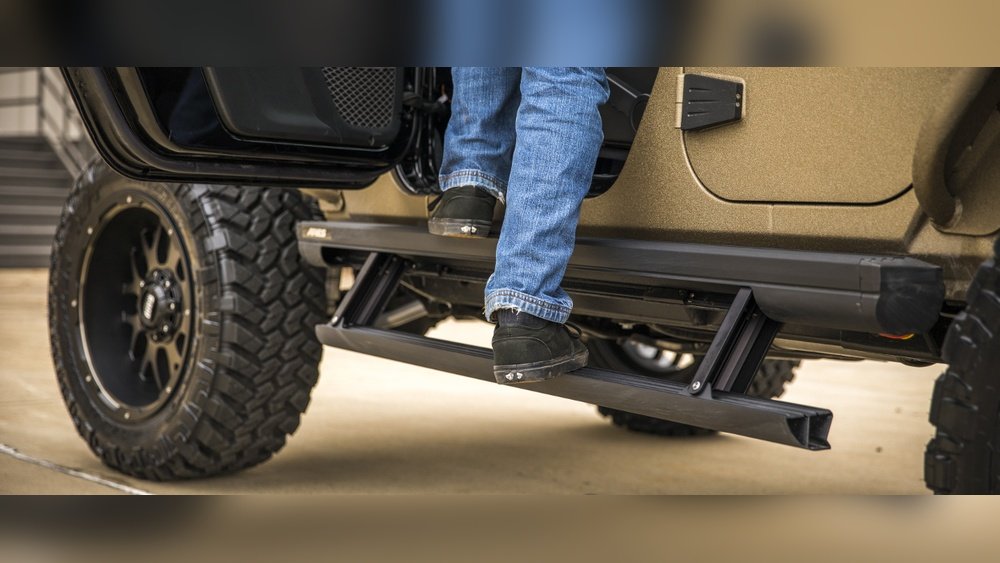
Power Steps
For a blend of modern technology and convenience, power steps are an option. These steps automatically deploy when a door is opened and retract when the doors are closed, tucking neatly under the vehicle. This maintains a clean look and maximizes ground clearance when not in use. They are electrically operated and can be a great addition for ease of use, but they add complexity and potential points of failure, and their off-road protection capabilities are minimal.

Key Features To Consider When Buying
Choosing the right side steps involves looking beyond just the style. Several key features will determine their performance, durability, and suitability for your Rubicon.
Material And Construction
The material used will dictate the strength, weight, and corrosion resistance of the side steps.
- Steel: This is the most common material for heavy-duty side steps and rock sliders. It offers excellent strength and durability. However, steel can be heavy and is susceptible to rust if not properly coated. Look for powder-coated steel or e-coated steel for better corrosion resistance.
- Aluminum: Lighter than steel, aluminum is a good option if weight is a concern. It is naturally corrosion-resistant. However, aluminum is generally not as strong as steel, so it might not be the best choice for extreme rock crawling applications unless it’s specifically designed for high-impact use.
- Stainless Steel: Offers a good balance of strength and corrosion resistance, often with a polished look. It’s a premium option that can be more expensive.
The thickness of the tubing or plate is also crucial. For rock sliders, thicker gauge steel (e.g., 1/8″ or 3/16″) is preferable.
Mounting System
How the side steps attach to your Wrangler is critical for both security and protection.
- Frame-Mounted: These are the most robust and secure. They bolt directly to the Jeep’s frame rails, providing maximum strength and stability. This is the preferred method for rock sliders and heavy-duty nerf bars.
- Body-Mounted: Some simpler steps mount to the pinch seam or body mounts. These are generally less strong and offer less protection than frame-mounted options. They are more common on less rugged designs like some running boards.
Design And Finish
The visual appeal and practical design of the steps should align with your preferences and usage.
- Texture and Grip: Look for steps with a non-slip surface, such as diamond plate or textured coatings, to ensure secure footing, especially in wet or muddy conditions.
- Low Profile vs. High Clearance: Some steps sit closer to the body for a cleaner look and better clearance, while others might extend out slightly more. For off-roading, a design that doesn’t significantly reduce your approach or departure angles is important.
- Finish: A durable powder coat or bed liner finish will protect against scratches, UV damage, and corrosion, maintaining the steps’ appearance over time. Common colors include black, textured black, and sometimes body-matching colors.
Compatibility With Your Rubicon Model
Ensure the side steps you choose are specifically designed for your Jeep Wrangler model year and body style (e.g., 2-door JK, 4-door JL, etc.). Fitment is crucial for secure installation and proper function. Some side steps might also be designed to work with specific lift kits or fender flares.
Ease Of Installation
While many side steps are designed for DIY installation, some are more complex than others. Rock sliders often require drilling into the frame, while simpler nerf bars might bolt directly into existing holes.
Check product reviews and installation guides to gauge the difficulty.
If you’re not comfortable with mechanical work, factor in the cost of professional installation.
Popular Brands And Models For Jeep Wrangler Rubicon
The aftermarket for Jeep accessories is competitive, with many reputable brands offering excellent side step options. Here are a few well-regarded choices that cater to the Rubicon’s needs:
Body Armor 4×4
Body Armor 4×4 offers a range of rugged accessories, including their TrailGuard and 4X4 Hi-Line side steps and rock sliders. These are known for their robust construction, often using thick steel and durable finishes, designed to withstand serious off-road abuse. They typically feature a sleek, modern design that complements the aggressive look of the Wrangler.
Rock-slide Engineering
As their name suggests, Rock-Slide Engineering specializes in off-road protection. Their “Step-Sliders” are a unique product that combines the functionality of a step with the strength of a rock slider. They feature a spring-loaded step that retracts when off-road to prevent damage, and deploys for easy entry. This is a great option for those who want both utility and protection without compromising on either.
Smittybilt
Smittybilt is a long-standing name in the Jeep aftermarket. They offer a variety of side steps, including their popular Raptor and SRC (Steel, Rugged, Comfortable) series. The Raptor steps often feature a unique tread pattern and durable construction, while the SRC series provides more traditional nerf bar and rock slider options. They are generally known for offering good value for money.
Ace Engineering
Ace Engineering is another brand focused on high-quality, American-made Jeep parts. Their Rock Steps are a popular choice, offering excellent protection with a clean, functional design. They are typically made from heavy-duty steel and are designed for direct frame mounting, ensuring maximum durability on the trail.
N-fab
N-Fab offers a range of stylish and functional side steps and rock rails. Their Predator Pro and Rocker Guards are well-liked for their aggressive styling and durable coatings. They often feature a patented mounting system that makes installation straightforward. While some of their designs are more focused on aesthetics, they also offer options with significant protective capabilities.
When researching specific models, always check compatibility with your exact Wrangler year and trim. Reading user reviews and looking at photos of the steps installed on similar Jeeps can provide valuable insights.

Installation Guide: What To Expect
Installing side steps on a Jeep Wrangler Rubicon can range from a simple bolt-on job to a more involved process requiring drilling. Here’s a general overview of what you might encounter.
Tools You’ll Likely Need
- Socket wrench set with various metric and standard sockets
- Wrenches (adjustable and fixed)
- Drill and drill bits (if drilling is required)
- Measuring tape
- Level
- Safety glasses and gloves
- Torque wrench (recommended for final tightening)
- Pen or marker for marking drill points
General Installation Steps (varies By Product)
- Preparation: Park your Jeep on a level surface. Gather all your tools and the new side steps. Read the manufacturer’s instructions thoroughly before starting. Some installations might require removing existing components.
- Locate Mounting Points: Identify the designated mounting points on your Jeep’s frame or body. For frame-mounted steps, these are usually pre-drilled holes or designated flat areas on the frame rails. For body-mounted steps, they might attach to the pinch seam or specific body mounts.
- Mounting (No Drill): If the steps are designed for a no-drill installation, they will typically bolt into existing holes in the frame. Loosely attach the brackets and the steps to ensure proper alignment.
- Mounting (Drill Required): If drilling is necessary, carefully measure and mark the locations for the new holes according to the instructions. Use a level to ensure straightness. Wear safety glasses and drill pilot holes first, then enlarge them to the required size. Install any included hardware, such as rivnuts or bushings, if specified.
- Attach Side Steps: Once the brackets are securely mounted, attach the side steps themselves to the brackets. Again, start with loose hardware to allow for adjustments.
- Alignment and Tightening: With all components loosely in place, check the alignment of the steps. Ensure they are level, centered, and have adequate clearance from the body and doors. Once satisfied, begin tightening all bolts and nuts. Use a torque wrench to tighten them to the manufacturer’s specified torque settings. Over-tightening can strip threads or damage components, while under-tightening can lead to loose steps.
- Final Check: Inspect all connections. Ensure there are no rattles or movement. Open and close the doors to check for any interference. Test the steps by applying your weight to them.
Important Considerations
- Body Lift vs. Suspension Lift: If your Jeep has a body lift, you might need specific brackets or longer hardware to ensure proper fitment.
- Aftermarket Bumpers: If you have aftermarket front or rear bumpers, ensure they don’t interfere with the side step installation. Some side steps are designed to integrate with specific bumper styles.
- Professional Help: If you’re unsure about any step of the installation, especially if drilling is involved, it’s best to seek professional help from a reputable off-road shop.
Protecting Your Investment: Maintenance And Care
To keep your Jeep Wrangler Rubicon side steps looking great and functioning optimally, regular maintenance is key.
Cleaning
- Regular Washing: Wash your side steps regularly with mild soap and water. This will remove dirt, mud, salt, and other contaminants that can degrade the finish over time. Use a soft brush or sponge to avoid scratching.
- Deep Cleaning: For stubborn mud or grime, you might need a more powerful cleaner. However, always use products specifically designed for automotive use and avoid harsh chemicals that could damage the coating.
- Rinse Thoroughly: Always rinse the steps completely after