The Jeep Wrangler is famous for its tough design and strong off-road skills. But, like any vehicle, some parts need special care—one of them is the rear window glass. While it may seem simple, this glass is key for visibility, safety, and keeping your cabin comfortable. Whether you own a hardtop or soft top model, knowing the details about your Jeep Wrangler’s rear window glass will help you protect your ride and make smart choices if repairs or upgrades are needed.
Types Of Jeep Wrangler Rear Window Glass
Most Jeep Wranglers come in two main roof styles: hardtop and soft top. The rear window glass differs between these.
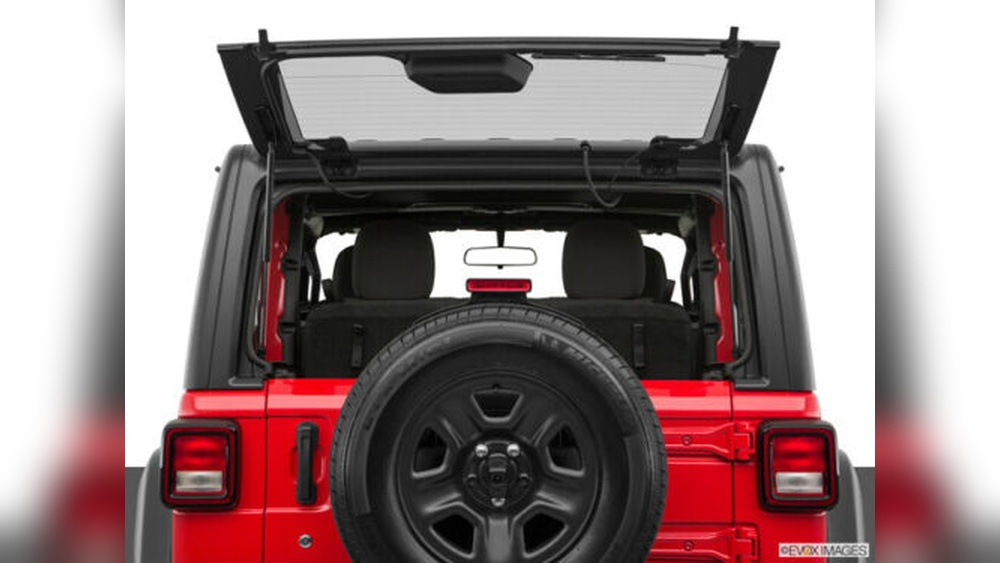
- Hardtop Models: These use real glass for the rear window. It’s strong, offers clear visibility, and usually includes a defroster.
- Soft Top Models: These use a plastic or vinyl rear window. It is flexible and lighter, but scratches and fades faster.
Here is a quick comparison of both types:
| Feature | Hardtop Rear Glass | Soft Top Rear Window |
|---|---|---|
| Material | Tempered Glass | Plastic/Vinyl |
| Visibility | Very Clear | Can Cloud Over Time |
| Durability | High | Medium |
| Replacement Cost | Higher | Lower |
| Defroster | Usually Included | Rarely Included |
Common Issues With Rear Window Glass
The rear window glass can face several problems, especially if you use your Jeep for outdoor adventures.
- Cracks and Chips: Hardtop glass can crack from flying rocks or accidents.
- Scratches and Fading: Soft top plastic windows scratch easily and may turn yellow from sun exposure.
- Leaks: Seals can wear out, leading to water leaks.
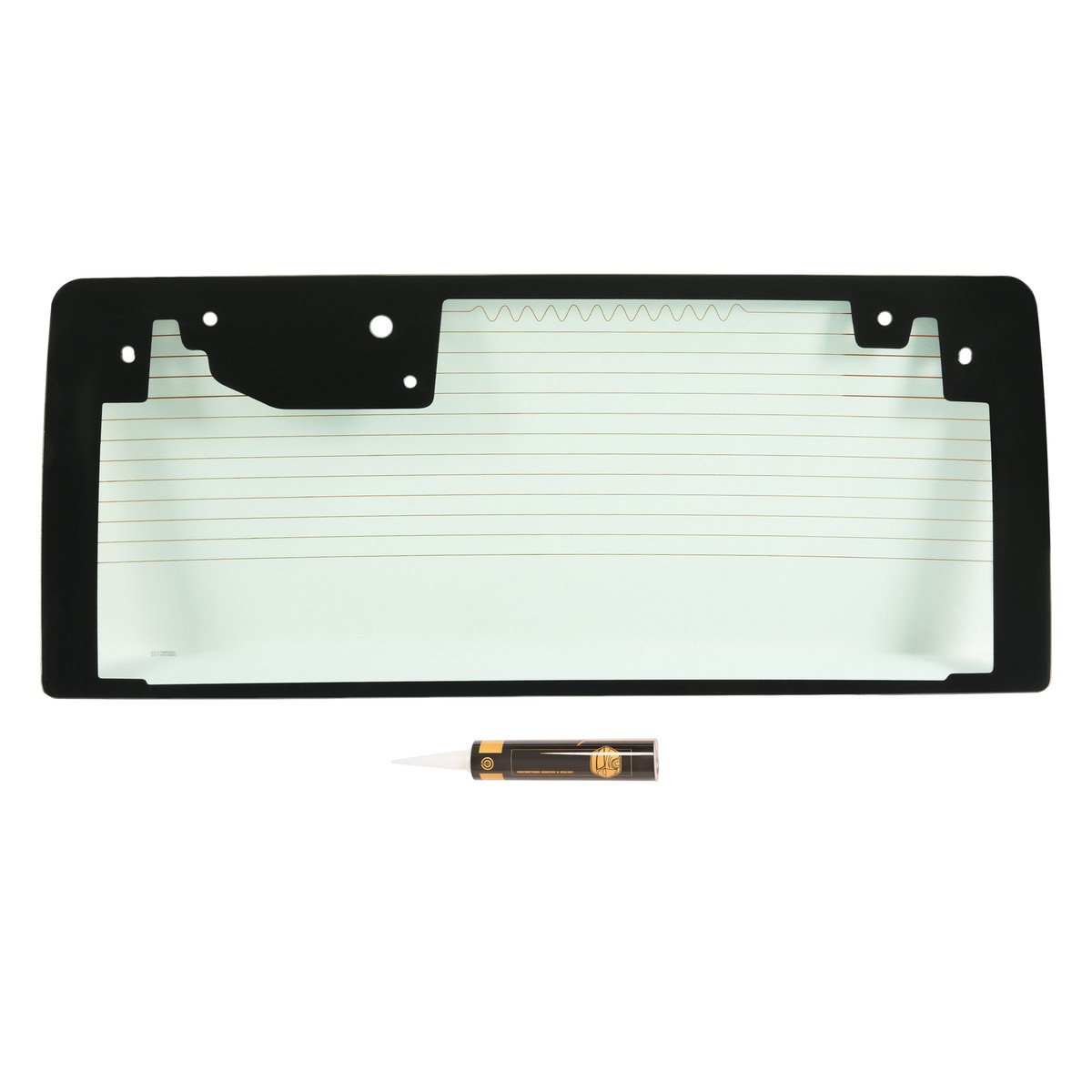
- Defroster Failure: In hardtop models, the defroster lines can break, making it hard to clear fog or ice.
One issue beginners often overlook is that small scratches on soft top windows can become big visibility problems after just a few seasons. Also, the defroster grid on hardtop glass is delicate a simple bag or tool rubbing against it can break the circuit.
Replacement And Repair: What You Need To Know
When damage happens, you have two main options: repair or replace. The best choice depends on the type and size of the damage.
- Small Chips or Cracks: Some chips can be repaired with a special resin if caught early.
- Large Cracks or Broken Glass: Full replacement is usually needed. For hardtops, this involves removing the damaged glass and installing a new one. Soft top windows are usually zipped and velcroed in place, making DIY replacement easier.
Let’s look at typical replacement costs:
| Model | Average Cost (Parts + Labor) |
|---|---|
| Hardtop Rear Glass | $350 – $700 |
| Soft Top Rear Window | $100 – $250 |
Insurance may cover replacement if damage is from an accident or vandalism. However, for older Jeeps or soft top windows, many owners handle replacement themselves to save money.
Choosing The Right Replacement Glass
When it’s time to replace your rear window, a few details matter:
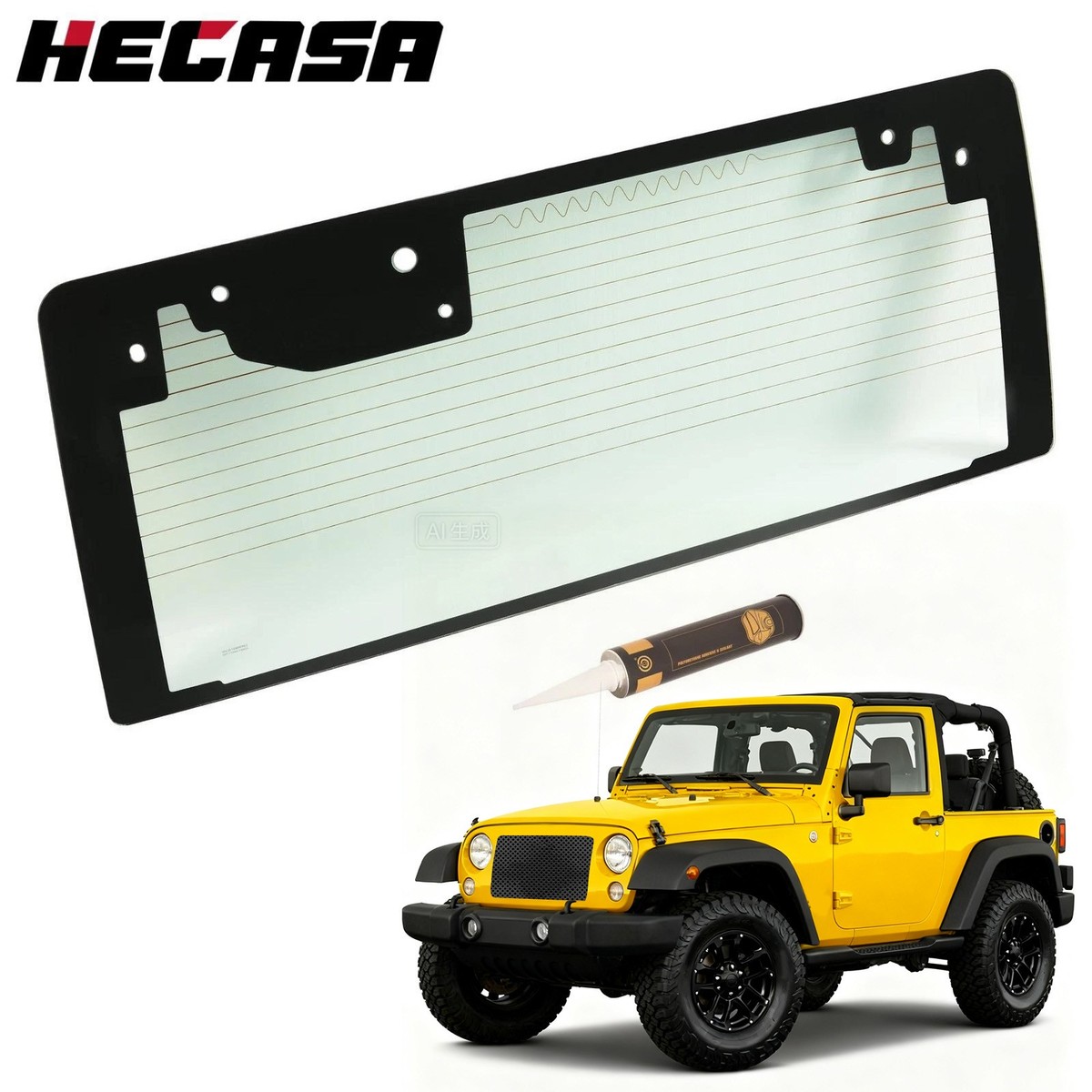
- OEM vs. Aftermarket: OEM (Original Equipment Manufacturer) glass matches the original in fit and quality but is more expensive. Aftermarket glass is cheaper but may not fit perfectly.
- Tint: Some replacement windows come tinted, offering more privacy and blocking UV rays.
- Defroster Compatibility: Ensure the new glass supports your Jeep’s defroster system if it had one before.
- Installation Complexity: Hardtop glass usually needs a professional. Soft top windows can often be replaced at home.
Here is a table comparing OEM and aftermarket options:
| Option | Pros | Cons |
|---|---|---|
| OEM | Perfect fit, matches original specs, reliable | Expensive, longer wait time |
| Aftermarket | Cheaper, more choices | May not fit as well, quality can vary |
A common mistake is choosing the cheapest option without checking reviews or compatibility. Some aftermarket glass may not seal properly, leading to leaks or wind noise.
Maintenance Tips For Longer Life
To keep your rear window glass in top shape, regular care is important.
- Clean Soft Top Windows: Use only soft cloths and cleaners made for plastic. Avoid paper towels, which can scratch.
- Check Seals: Inspect the seals every few months. Replace if cracked or loose.
- Avoid Heavy Loads: Don’t stack heavy items against the rear glass, especially if your Jeep is packed for a trip.
- Protect from Sun: Park in the shade or use a cover to prevent fading and cracking.
Many owners forget that cleaning solutions with ammonia (like some household glass cleaners) can damage soft top windows. Stick to products designed for automotive use.
Upgrades And Customization
Some Jeep owners choose to upgrade their rear window glass for style or function.
- Tinted Glass: Adds privacy and reduces glare.
- Upgraded Defroster: Newer models may support stronger defroster lines.
- Security Glass: Harder to break, giving extra protection against theft.
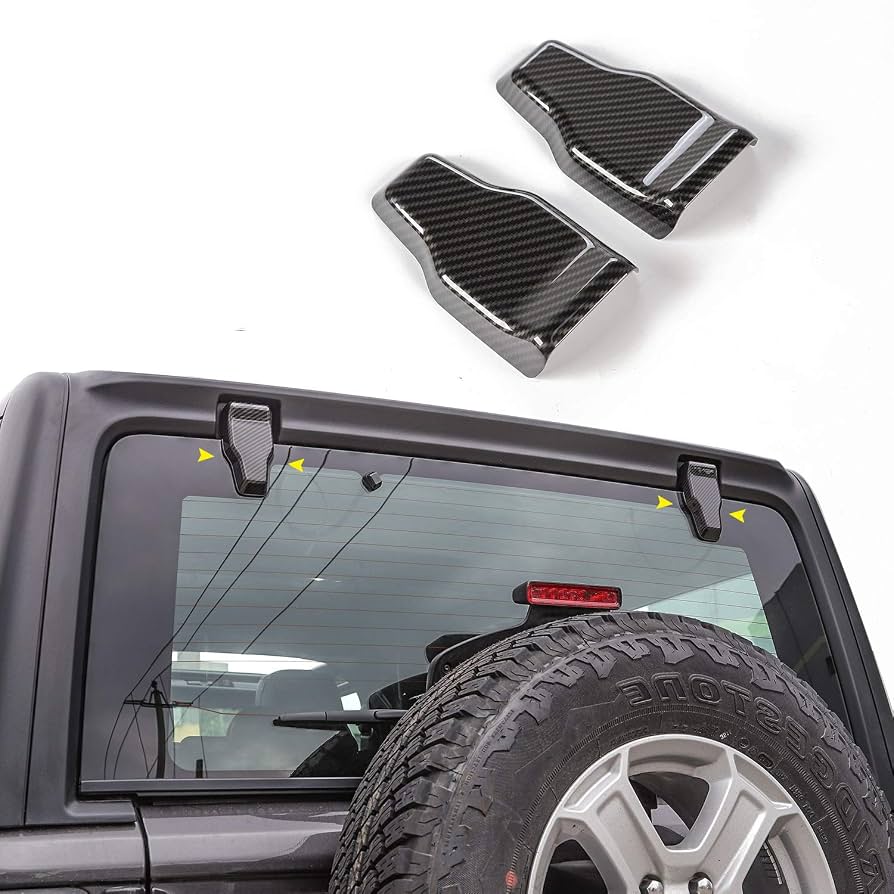
If you want to upgrade, make sure the glass you choose fits your Jeep’s model year and roof type. You can find more details about Jeep parts and upgrades on the official Jeep website.
Frequently Asked Questions
What Is The Difference Between Hardtop And Soft Top Rear Windows?
Hardtop models use real glass with options like a defroster, while soft top models use plastic or vinyl that can scratch more easily and usually do not have a defroster.
Can I Replace My Jeep Wrangler Rear Window Glass Myself?
For soft top windows, yes—most people can do it at home. For hardtop glass, it’s better to use a professional because it involves removing seals and sometimes wiring for the defroster.
How Do I Stop My Rear Window From Fogging Up?
Make sure your defroster is working and keep the glass clean inside and out. For soft tops, you can also use anti-fog sprays made for plastic.
Is Tinted Rear Window Glass Legal?
Tinted windows are legal in most places, but laws vary by state. Always check local regulations before installing darker glass.
How Can I Protect My Rear Window Glass From Damage?
Avoid hitting it with sharp objects, do not stack heavy things against it, and use proper cleaners. For soft tops, keep the window rolled down when cleaning to avoid scratches.
Taking care of your Jeep Wrangler rear window glass means better safety, comfort, and a longer-lasting vehicle. With the right knowledge, you can fix issues quickly and even upgrade for more style or function.