The Ultimate Guide To Jeep Wrangler Paracord Steering Wheel Wraps
A Jeep Wrangler is more than just a vehicle; it's a statement. It’s about freedom, adventure, and a connection to the rugged outdoors.
Owners often customize their Jeeps to reflect their personality and enhance their off-road capabilities. One unique and increasingly popular modification is the paracord steering wheel wrap.
This isn't just about looks; it offers practical benefits that can improve your driving experience, especially when you're tackling challenging terrains.
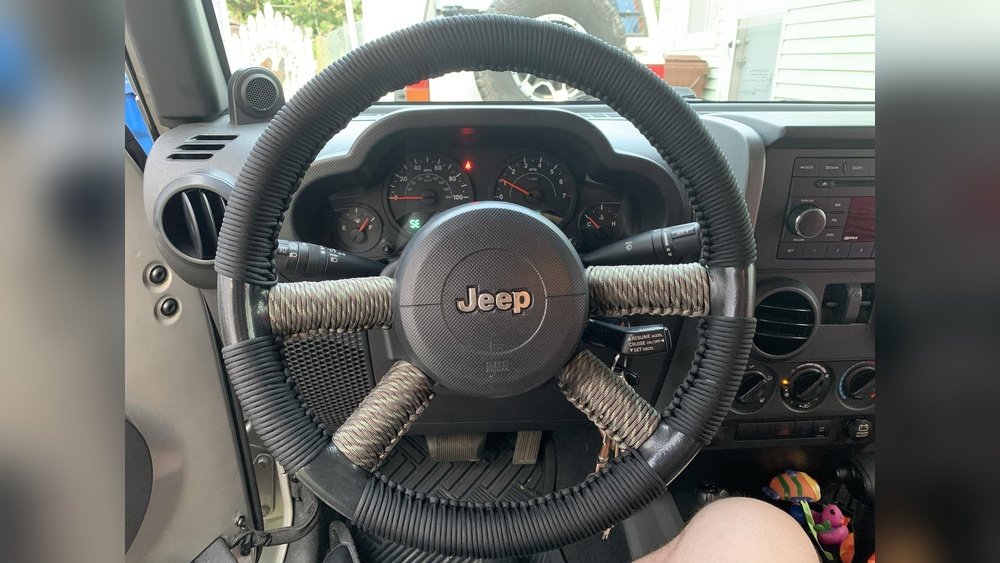
Many Jeep owners seek ways to add a personal touch while also improving grip and durability. Traditional steering wheel covers can be bulky or slip easily.
Paracord, short for parachute cord, is a lightweight nylon kernmantle rope originally used in parachute suspension lines.
Its incredible strength, durability, and versatility have made it a favorite among survivalists, outdoor enthusiasts, and, of course, Jeep customizers. Wrapping your steering wheel in paracord offers a custom look, a superior grip, and a sense of accomplishment for those who install it themselves.
This guide will walk you through everything you need to know about paracord steering wheel wraps for your Jeep Wrangler, from understanding the benefits to choosing the right materials and even how to install it.
Why Choose A Paracord Steering Wheel Wrap?
The appeal of a paracord steering wheel wrap goes beyond its rugged aesthetic. It’s a functional modification that can genuinely enhance your driving. Let’s break down the key advantages.
Enhanced Grip And Control
This is arguably the most significant benefit. Standard steering wheels, especially older ones or those made of plastic, can become slippery, particularly when your hands are sweaty or wet. This is a major concern when off-roading, where precise steering control is crucial. Paracord, with its woven texture, provides an unmatched grip. It feels secure in your hands, giving you more confidence when navigating tricky trails, steep inclines, or sudden obstacles. The cord material offers a tactile feedback that synthetic or leather covers can’t always replicate. This improved grip means less slipping and sliding, leading to better control and a safer driving experience.
Durability And Longevity
Paracord is renowned for its strength and resistance to wear and tear. It’s designed to withstand significant stress and harsh conditions. A paracord wrap can protect your original steering wheel from scratches, UV damage, and general degradation. Unlike some vinyl or leather covers that can crack or peel over time, a well-installed paracord wrap is incredibly durable. It won’t easily fray or break down, even with constant use and exposure to the elements. This makes it a long-term investment in your Jeep’s interior.
Customization And Aesthetics
Jeep culture is all about personalization, and a paracord steering wheel wrap is a fantastic way to express your style. You can choose from a vast array of colors and patterns. Want a classic black wrap? Or perhaps a vibrant red and blue to match your Jeep’s exterior? You can even combine multiple colors to create a unique design. There are numerous paracord weaving patterns, from simple diamond knots to more complex braids, allowing for endless aesthetic possibilities. This customization can make your Wrangler’s interior truly stand out.
Protection For The Original Steering Wheel
Underneath the paracord, your original steering wheel remains protected. This is especially valuable if you have a classic Wrangler or a steering wheel made of materials that are prone to damage. The paracord acts as a protective layer, shielding the original material from direct sunlight, heat, and physical abrasion. This can help maintain the resale value of your Jeep and keep its interior looking newer for longer.
Diy Installation And Satisfaction
For many Jeep owners, the act of modifying their vehicle themselves is part of the fun. Installing a paracord steering wheel wrap can be a rewarding DIY project. While it requires patience and attention to detail, the process itself can be enjoyable. Successfully completing the installation provides a sense of pride and a deeper connection to your customized Jeep.

Types Of Paracord Wraps And Weaves
When you decide to go with a paracord steering wheel wrap, you’ll encounter different ways the paracord can be applied and woven. Understanding these options will help you choose the best look and feel for your needs.
Pre-made Covers Vs. Diy Kits
You can find pre-made paracord steering wheel covers that are essentially sleeves you slide over your existing wheel. These are the easiest to install but offer less customization in terms of weave pattern and fit.
More commonly, you’ll find DIY paracord wrap kits. These kits typically include:
- Pre-cut lengths of paracord in your chosen colors.
- Detailed instructions or access to online tutorials.
- Sometimes, needles or other basic tools.
These kits require you to do the wrapping yourself. This allows for a much more customized fit and a wider range of weaving patterns. The downside is that it takes time and practice to get it right.
Popular Paracord Weaving Patterns
The way the paracord is woven significantly impacts the look, feel, and even the grip of the steering wheel. Here are some of the most popular patterns:
- Diamond Knot (Fusion Knot): This is a classic and very common pattern. It creates a series of interlocking diamond shapes that provide excellent texture and grip. It’s relatively straightforward to learn but can be time-consuming.
- Cobra Weave (Solomon Bar): Similar to the diamond knot in its basic structure, the cobra weave also creates a textured surface. It’s often a bit flatter than the diamond knot, which some people prefer.
- King Cobra Weave: This is essentially a double cobra weave, resulting in a thicker, more substantial wrap. It offers a very robust feel and excellent grip.
- Ladder Rack: This pattern creates parallel lines of cord running around the steering wheel, often with a contrasting color woven between them. It has a clean, organized look.
- Full Wrap vs. Grip Areas: Some people choose to wrap the entire steering wheel, while others opt to focus the paracord only on the areas where their hands typically rest, leaving the rest of the wheel exposed or covered with a different material. This can save on paracord and time while still providing enhanced grip where it’s needed most.
Material Considerations
While “paracord” is the general term, there are different types and qualities. For a steering wheel wrap, you’ll typically use 550 paracord, which is the most common type. It has a breaking strength of 550 pounds and consists of a nylon sheath with multiple inner strands (usually 7-9).
- Nylon vs. Polyester: Most 550 paracord is made of nylon. Nylon is strong, slightly stretchy, and resistant to mildew and rot. Polyester is less stretchy and can be more resistant to UV rays, but nylon is generally preferred for its feel and strength.
- Core Strands: You can use the paracord with all its inner strands intact for maximum strength, or you can separate the strands and use just the sheath for a thinner, more flexible wrap. For a steering wheel, using all strands or a combination often provides the best balance of grip and comfort.
- Quality: Always opt for high-quality paracord from reputable manufacturers. Cheap, unbranded paracord might not have the same strength, durability, or consistent weave. Look for paracord made in the USA or from well-known outdoor brands.
How To Install A Paracord Steering Wheel Wrap (diy Guide)
Installing a paracord steering wheel wrap is a project that requires patience, precision, and a bit of elbow grease. While the exact method can vary depending on the weave pattern and whether you’re using a kit or starting from scratch, the general principles remain the same.
This guide provides a detailed overview of the process.
What You’ll Need
Before you begin, gather all the necessary tools and materials.
- Paracord: Enough for your chosen weave pattern and steering wheel size. It’s always better to have a little extra. For a full wrap, you might need anywhere from 50 to 150 feet, depending on the pattern and wheel diameter.
- Steering Wheel Wrap Kit (Optional): If you purchased a kit, it will likely include pre-measured paracord and instructions.
- Sharp Knife or Scissors: For cutting the paracord cleanly.
- Lighter or Heat Source: To melt and seal the ends of the paracord, preventing fraying.
- Patience: This is crucial. It’s a time-consuming process.
- Optional Tools:
- G-Clamps or Binder Clips: To hold the paracord in place while you work.
- Wrench or Socket Set: If you need to remove the steering wheel (not usually necessary for wraps).
- Thin Flathead Screwdriver or Pick: To tuck in loose ends neatly.
- Gloves: To protect your hands.
Step-by-step Installation Process
This is a general guide, focusing on a common weave like the diamond knot. Always refer to specific tutorials for your chosen pattern.
- Preparation:
- Clean the Steering Wheel: Ensure the steering wheel is clean and free of grease or dirt. This will help the paracord grip better and prevent it from becoming embedded with grime.
- Plan Your Starting Point: Decide where you want to begin wrapping. Many people start at the bottom center or the top center of the wheel.
- Secure the Initial End: You need to anchor the first piece of paracord securely. You can do this by tying a strong knot (like a figure-eight knot) to a spoke and then weaving over it, or by using a technique that tucks the end under subsequent wraps. Some methods involve drilling small holes in the plastic trim around the wheel to anchor the cord, but this is generally not recommended unless you’re experienced. A common approach is to thread the cord through a spoke, tie it off securely, and then weave over the knot to hide it.
- Begin Wrapping:
- Thread the Cord: Pass the paracord around the steering wheel.
- Create the First Stitch: Depending on the pattern, you’ll start making your first knots or stitches. For a diamond knot, you’ll typically create a base loop or two, then begin forming the knot around the steering wheel.
- Maintain Tension: This is vital for a tight, professional-looking wrap. Keep the paracord consistently taut as you work. Loose wraps will look sloppy and can become uncomfortable or even unravel over time.
- Weaving the Pattern:
- Follow the Pattern: Carefully follow the steps for your chosen weave. This usually involves specific sequences of passing the cord over, under, and through existing loops.
- Work in Sections: It’s often easier to work on one section of the steering wheel at a time. Use clamps or clips to hold the finished part securely while you continue.
- Even Spacing: Ensure your knots or stitches are spaced evenly. This creates a uniform look and prevents the wrap from being lopsided. If you’re using multiple colors, plan your color transitions carefully.
- Dealing with Spokes and Sections:
- Around Spokes: When you reach a steering wheel spoke, you’ll need to decide how to handle it. Some wraps go directly over the spoke, while others incorporate it into the design, often by looping the cord around the spoke before continuing the main weave.
- Completing a Section: Once you’ve wrapped a section (e.g., from the bottom center to a spoke), you’ll need to finish it off neatly before starting the next section. This might involve tying off the cord and tucking the end, or transitioning directly into the next part of the weave.
- Finishing the Wrap:
- Reach the End Point: Continue wrapping until you’ve covered the entire desired area of the steering wheel.
- Secure the Final End: Just like the starting point, the ending needs to be secured firmly. Tie a strong knot and tuck the end securely under several existing wraps. You can also use a lighter to melt the very end of the cord to prevent fraying, but be careful not to melt the main wrap.
- Trim Excess: Cut off any excess paracord, leaving just enough to tuck in securely.
- Tuck and Hide: Use a thin tool (like a flathead screwdriver or a pick) to carefully tuck any loose ends or knots underneath the woven paracord. This gives a clean, finished look.
- Final Touches:
- Inspect Your Work: Go over the entire wrap. Check for any loose spots, unevenness, or areas that need tightening.
- Melt Ends: Carefully use a lighter to melt and seal the very ends of the paracord where you cut them. This prevents unraveling. Be quick and precise to avoid damaging the wrap.
Pro Tip: Practice Makes Perfect
If you’re new to paracord weaving, consider practicing the knot or pattern on a scrap piece of paracord or a non-critical item first. This will help you get a feel for the technique and identify potential challenges before you start on your steering wheel.
Many online video tutorials demonstrate specific weaves, which can be incredibly helpful.

Choosing The Right Paracord For Your Jeep Wrangler
Selecting the correct paracord and understanding its properties is key to a successful and satisfying steering wheel wrap. It’s not just about picking a color; it’s about choosing a material that will perform well and last.
Understanding 550 Paracord
As mentioned, 550 paracord is the standard for most DIY projects like this. The “550” refers to its minimum tensile strength of 550 pounds. It’s made from a nylon sheath and typically contains 7 to 9 inner strands.
- Sheath: The outer layer, which provides abrasion resistance and forms the visual pattern.
- Core Strands: The inner threads that give the cord its strength. These can often be separated and used for various purposes, such as fishing line or sewing thread, though for a steering wheel wrap, you’ll usually want to use the cord as-is or with the core strands still inside the sheath.
Factors To Consider When Buying
- Color and Aesthetics: This is where personal preference shines. Consider:
- Solid Colors: Simple and classic.
- Multi-Colored Cords: Some cords have patterns or gradients built-in.
- Pattern Combinations: Using two or three different colors can create striking designs. Think about complementing or contrasting with your Jeep’s interior and exterior.
- Length Needed: This depends heavily on your chosen weave pattern and the size of your steering wheel. A good rule of thumb is to buy more than you think you’ll need. Running out mid-project is frustrating. For a full wrap



















