The Jeep Wrangler is an icon. For decades, it has been the symbol of off-road adventure, rugged capability, and freedom.
When most people think of a Wrangler, they picture it conquering muddy trails, climbing rocks, or splashing through water. This image is strongly linked to its legendary 4×4 system.
However, the automotive world is vast and diverse, and sometimes, a vehicle designed for a specific purpose might have variations that cater to different needs.
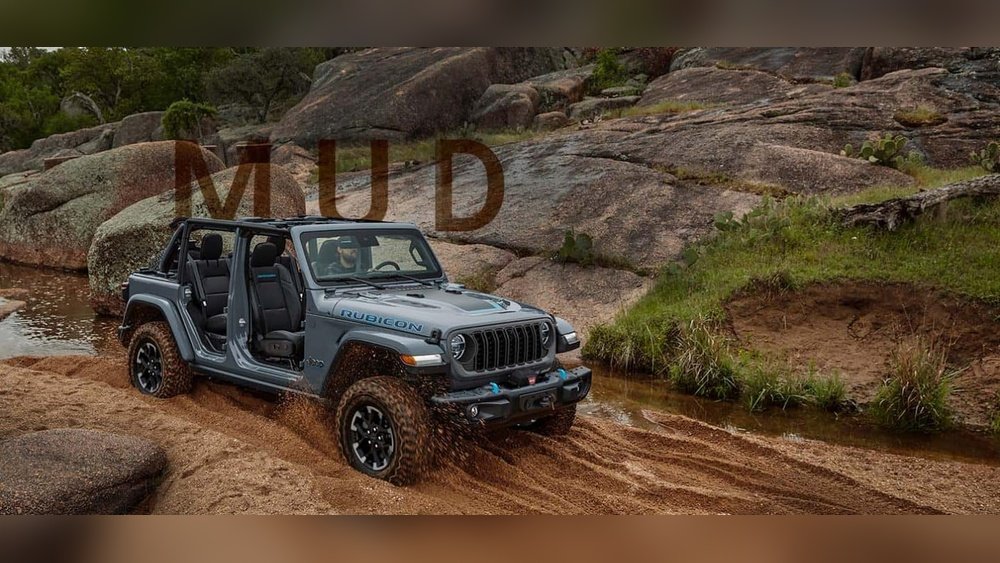
This brings us to a point of curiosity: does a Jeep Wrangler without 4-wheel drive exist, and if so, what does that mean for the vehicle and its potential owners?
For many years, the Jeep Wrangler has been exclusively offered with a 4×4 system. This is fundamental to its identity and its core purpose. The very name “Jeep” became synonymous with the ability to go anywhere, and the 4×4 drivetrain is the heart of that promise. However, market trends and evolving consumer needs can lead manufacturers to introduce different configurations of their popular models. This exploration into a “Jeep Wrangler no 4 wheel drive” scenario isn’t about finding a mythical unicorn; it’s about understanding the nuances of automotive production, market segmentation, and what happens when a highly specialized vehicle is adapted for a broader audience.
This article will investigate the possibility and implications of a Jeep Wrangler that does not feature a 4-wheel drive system. We will look at historical context, potential reasons for such a configuration, and what a 2WD Wrangler might look like.
We will also explore the impact on performance, intended use, and whether such a vehicle truly aligns with the Wrangler’s heritage.
The Unwavering 4×4 Heritage Of The Jeep Wrangler
The Jeep Wrangler’s DNA is inextricably linked to its four-wheel-drive capability. From its World War II origins as the Willys MB, designed for military reconnaissance and transport across challenging terrain, to the modern Rubicon models built for extreme off-roading, the ability to engage all four wheels has been a defining characteristic. This system isn’t just about traction; it’s about control, power distribution, and the confidence to tackle obstacles that would stop any other vehicle.
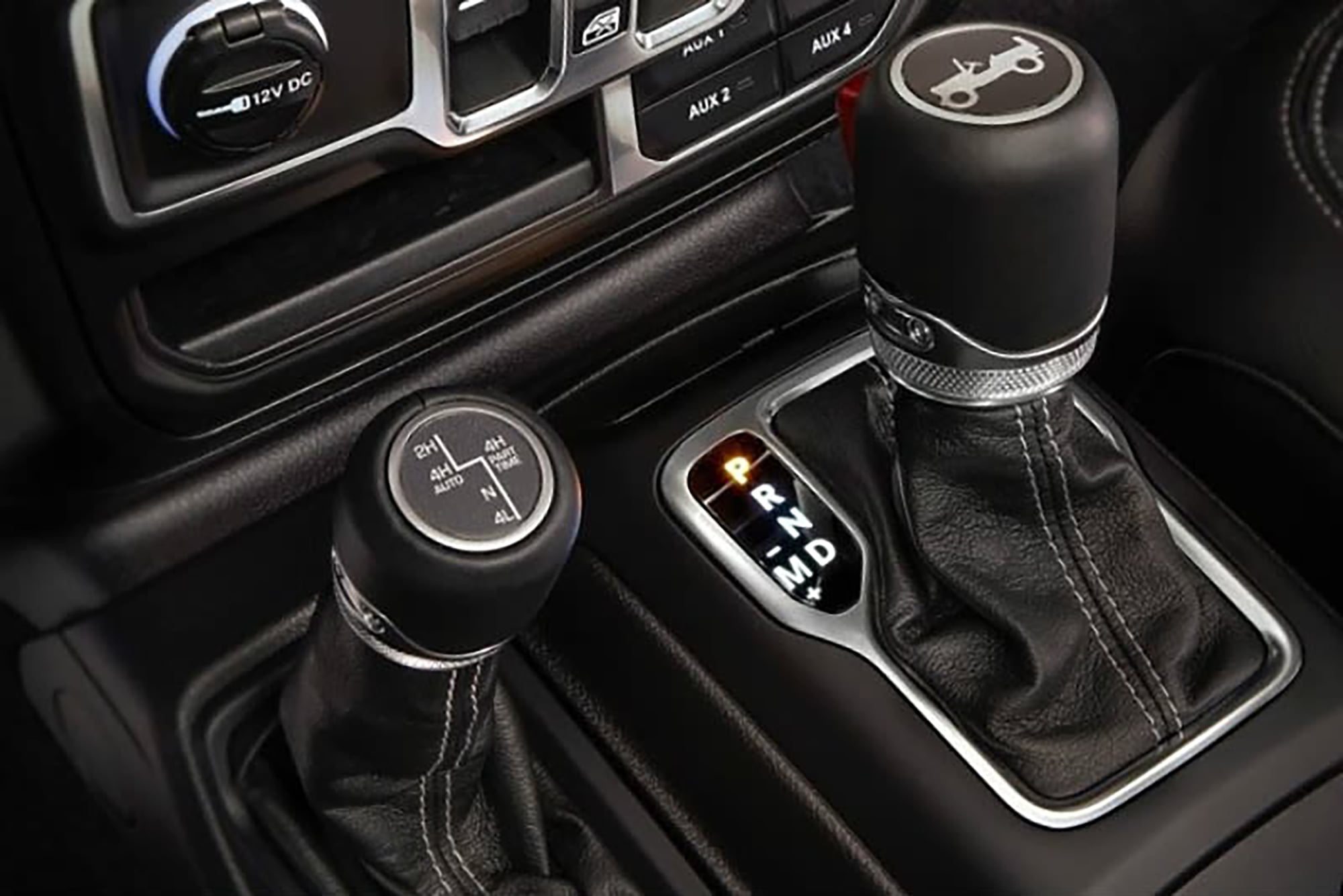
The Command-Trac and Rock-Trac 4×4 systems, standard on most Wranglers, are engineering marvels. They allow drivers to select between 2WD (for normal road driving) and 4WD High or 4WD Low. 4WD High is used for slippery conditions like snow or gravel, while 4WD Low provides maximum torque and control for crawling over rocks or steep inclines. This flexibility is what makes the Wrangler so versatile for adventurous pursuits. The transfer case is the heart of this system, allowing the driver to manually shift gears and engage different drive modes.
Furthermore, the Wrangler’s solid front and rear axles are crucial for off-road articulation, allowing the wheels to maintain contact with uneven ground. When combined with the 4×4 system, these axles provide superior ground clearance and durability. The locking differentials found on higher trims further enhance off-road prowess, ensuring that power is sent to the wheels with the most grip, even if other wheels are lifted off the ground.
Without the 4×4 system, the fundamental purpose and capability of the Wrangler would be significantly altered. It would essentially become a rear-wheel-drive vehicle with a body designed for a very different kind of use. This raises the question: why would Jeep, or any consumer, opt for such a configuration?
Exploring The Possibility: Jeep Wrangler 2wd Models
Historically, Jeep has offered two-wheel-drive versions of its other popular models, such as the Cherokee and Grand Cherokee. This strategy often aims to make a vehicle more accessible to a wider market by reducing cost and improving fuel efficiency, appealing to buyers who like the *style* and *image* of an SUV but don’t require its full off-road capabilities.
For the Wrangler, the idea of a 2WD version has surfaced periodically, often leading to confusion and debate among enthusiasts. The primary reason for this discussion is the potential for Jeep to create a more affordable and fuel-efficient Wrangler that still captures the iconic Wrangler look.
The Jeep Cj-8 Scrambler And Early Willys Models
While the modern Wrangler is almost exclusively 4×4, some historical Jeep models offered 2WD configurations. For instance, the Jeep CJ-8 Scrambler, produced from 1981 to 1986, was primarily a 4×4 vehicle, but some rare 2WD versions were produced, mainly for specific fleet or export markets. These were exceptions rather than the rule, and they did not represent the mainstream identity of the Jeep brand. Similarly, some very early Willys Jeeps, predating the CJ line, might have had 2WD configurations for specific civilian or utility purposes, but these are distant from the Wrangler lineage.
The Jk Wrangler “freedom” And “sport” Editions (limited 2wd)
The most concrete examples of Wranglers being offered with 2WD come from the JK generation (2007-2018). Jeep did produce and sell a limited number of Wranglers with a 2WD drivetrain, primarily in the Sport and Freedom trim levels. These were not widely advertised and were often targeted at specific markets or demographics.
These 2WD Wranglers typically used the same body and chassis as their 4×4 counterparts but omitted the front driveshaft, front differential, and the 4WD transfer case. Instead, they featured a standard 2WD transfer case that only powered the rear wheels.
The rationale behind these models was straightforward: to offer a more affordable entry point into the Wrangler ownership experience. By removing the complex and costly 4×4 components, Jeep could lower the sticker price. These vehicles appealed to buyers who were drawn to the Wrangler’s distinctive styling, open-air experience, and removable doors and roof, but who had no intention of venturing off-road. They were essentially “lifestyle vehicles” that mimicked the rugged aesthetic without the functional off-road hardware.
The Jl Wrangler (2018-present) And 2wd Availability
In the current JL generation, Jeep has continued this practice, albeit with a slightly different approach. While the vast majority of JL Wranglers sold are 4×4, 2WD variants have been offered in certain markets and trims, often designated as the “Sport” or “Sport S” with specific 2WD badging. These models are designed for consumers who appreciate the iconic Wrangler design and the open-air driving experience but primarily use their vehicle for daily commuting and light-duty tasks on paved roads.
The 2WD JL Wrangler typically comes with the standard 2-door or 4-door body styles, the familiar removable roof and doors, and a selection of gasoline or plug-in hybrid powertrains. However, the absence of the 4×4 system means it lacks the low-range gearing and front axle engagement that define its off-road siblings.

What Does A 2wd Wrangler Mean For Performance And Capability?
The most significant difference between a 4×4 Wrangler and a 2WD version lies in its performance and capability, particularly off-road. The absence of a 4-wheel drive system fundamentally changes what the vehicle can do.
Off-road Limitations
A 2WD Wrangler is essentially a rear-wheel-drive vehicle. While it might retain a higher ground clearance than many standard cars, its ability to traverse challenging terrain is severely limited.
- Traction: Without the ability to send power to all four wheels, traction becomes a major issue on slippery surfaces like mud, sand, snow, or loose gravel. The rear wheels can easily spin, leading to the vehicle getting stuck.
- Obstacle Negotiation: Climbing over rocks, navigating steep inclines, or traversing uneven terrain requires the coordinated effort of all four wheels. A 2WD system cannot provide the necessary grip and control.
- Low-Range Gearing: A crucial component of serious off-roading is the low-range gear setting found in 4×4 transfer cases. This multiplies engine torque, allowing for slow, controlled crawling over obstacles. A 2WD Wrangler lacks this feature entirely.
On-road Driving Experience
On paved roads, a 2WD Wrangler will likely offer a slightly different driving experience compared to its 4×4 counterpart.
- Fuel Efficiency: Removing the weight and mechanical drag of the 4×4 system can lead to modest improvements in fuel economy. This is often a key selling point for 2WD variants.
- Handling: While the core suspension and steering remain the same, the reduced weight and different drivetrain configuration might result in subtle differences in handling characteristics. However, the Wrangler is not typically praised for its on-road refinement, so this difference might be minor for most drivers.
- Acceleration: In some cases, the reduced drivetrain loss could lead to slightly quicker acceleration, though this is unlikely to be a primary consideration for Wrangler buyers.
Intended Use And Target Audience
The existence of 2WD Wranglers suggests a deliberate strategy by Jeep to broaden the appeal of the Wrangler nameplate. These models are primarily aimed at:
- Urban and Suburban Drivers: Those who appreciate the rugged aesthetic and iconic design for daily commuting, errands, and weekend trips.
- Lifestyle Buyers: Individuals who want the “Jeep look” and the open-air experience (removable doors/roof) for casual enjoyment, beach trips, or light trailering, but have no need for serious off-road capability.
- Budget-Conscious Consumers: Buyers who are attracted to the Wrangler’s image but find the price of a 4×4 model prohibitive. The 2WD version offers a lower entry cost.
Pro Tip: While a 2WD Wrangler can still be fun with its open-air design, it’s essential to understand its limitations. If you plan on venturing beyond well-maintained gravel roads, the 4×4 system is non-negotiable.
Comparing 2wd And 4×4 Wrangler Trims
When considering a Jeep Wrangler, understanding the differences between 2WD and 4×4 configurations across various trims is crucial. While the core differences stem from the drivetrain, Jeep often packages these options with other features that further distinguish the models.
Let’s look at how 2WD and 4×4 options might appear in common Wrangler trims. It’s important to note that availability can vary significantly by model year, region, and specific market offerings.
Wrangler Sport (2wd Vs. 4×4)
The Sport trim is typically the base model. In its 2WD configuration, it offers the essential Wrangler experience, the iconic body, removable top and doors, and basic features. Its primary appeal is affordability and style.
When equipped with 4×4, the Sport trim gains the full off-road capability. It usually comes with the Command-Trac NV241 GII transfer case, offering 2H, 4H, and 4L modes. This makes it a capable entry-level off-roader.
Wrangler Sahara (primarily 4×4)
The Sahara trim is generally positioned as a more comfort-oriented and upscale option, traditionally focused on 4×4 capability with enhanced on-road manners. While in some generations or specific markets, a 2WD Sahara might have been theoretically possible or offered in limited runs, it’s far less common. The Sahara often comes standard with features like larger tires, upgraded suspension, and interior amenities that complement its more refined, yet still capable, nature. Its identity is strongly tied to being a versatile all-weather, all-terrain vehicle, making 4×4 almost a prerequisite.
Wrangler Rubicon (exclusively 4×4)
The Rubicon trim is the pinnacle of Wrangler off-road performance. It is exclusively offered with 4×4, featuring the more robust Rock-Trac transfer case with a lower crawl ratio, electronically locking front and rear differentials, and electronic sway bar disconnect. There are no 2WD Rubicon models, as this would completely undermine the trim’s purpose and identity as a dedicated off-road machine.
Other Trims (overland, Willys, Mojave, Etc.)
Other trims like Overland often blend comfort and capability, usually coming standard with 4×4 but potentially offering 2WD in some configurations for market-specific reasons. Willys editions typically emphasize off-road upgrades on a Sport-like platform, making them inherently 4×4. Mojave and other special editions are almost always performance-oriented, meaning they are 4×4.
Key Drivetrain Differences Summarized
| Feature | Wrangler Sport (2WD) | Wrangler Sport (4×4) | Wrangler Rubicon (4×4) |
|---|---|---|---|
| Drivetrain | Rear-Wheel Drive (RWD) | Four-Wheel Drive (4WD) | Four-Wheel Drive (4WD) |
| Transfer Case | Standard 2WD Transfer Case | Command-Trac NV241 GII (2H, 4H, 4L) | Rock-Trac NV241 OR (2H, 4H, 4L with lower crawl ratio) |
| Front Axle | Solid Front Axle (non-driven) | Solid Front Axle (driven) | Dana 44 Solid Front Axle (heavy-duty, driven) |
| Rear Axle | Standard Rear Axle | Standard Rear Axle | Dana 44 Solid Rear Axle (heavy-duty) |
| Differential Lockers | No | No (standard) | Electronic Locking Front & Rear Differentials |
| Sway Bar Disconnect | No | No | Electronic Front Sway Bar Disconnect |
| Off-Road Capability | Limited (mostly on-road) | Good (trail-ready) | Extreme (rock crawling, serious off-roading) |
| Price | Lower | Higher | Highest |
| Fuel Efficiency | Potentially slightly better | Standard | Potentially slightly lower (due to heavier duty parts) |
This table highlights the significant mechanical distinctions. The 2WD models sacrifice core off-road hardware for cost savings and potentially minor fuel economy gains.
The 4×4 models, especially the Rubicon, are built with specialized components designed for the most demanding environments.
The Argument For A 2wd Wrangler: Style Over Substance?
The existence and occasional popularity of 2WD Wranglers spark a recurring debate: are they truly Wranglers, or are they simply vehicles that borrow the Wrangler’s iconic look? This question often comes down to what one values in a vehicle.



















