The Jeep Wrangler JL is an icon. Known for its off-road prowess and rugged design, it’s a vehicle many people love.
However, like any machine, it can have its quirks. One common issue that drivers might notice is steering wheel play, also known as steering wheel looseness or wandering steering.
This means there’s a bit of free movement in the steering wheel before the front wheels actually start to turn. While a small amount of play is normal, too much can feel unsettling and even be a safety concern.
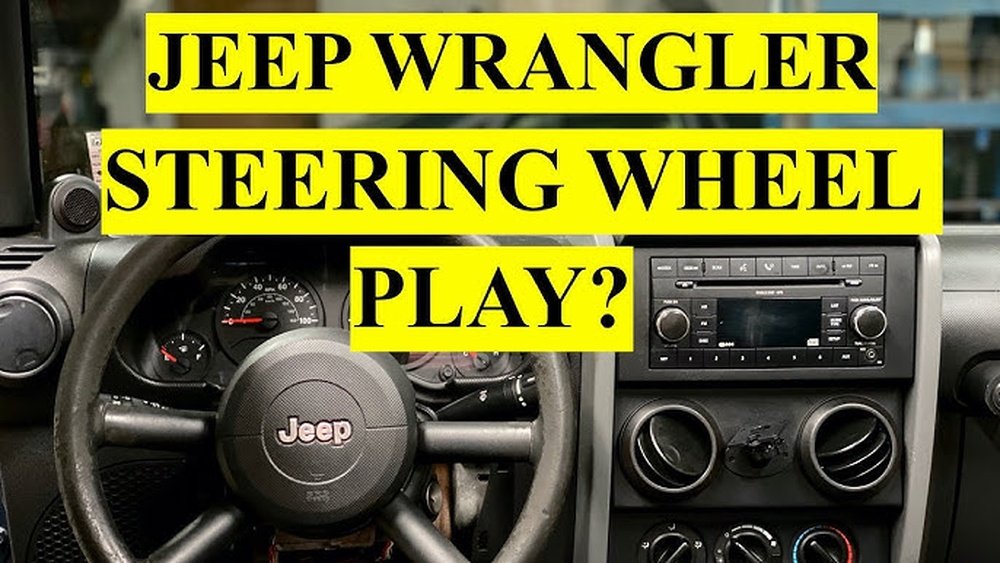
Understanding why your Jeep Wrangler JL steering wheel might feel loose is the first step to fixing it. It’s not always a single cause; several components work together to give you precise steering.
When one or more of these parts wear out or become loose, you’ll feel it in the steering wheel.
This article will explore the common reasons for steering wheel play in a JL Wrangler, how to identify the problem, and what steps you can take to get that tight, responsive steering back.
Common Causes Of Jeep Wrangler Jl Steering Wheel Play
Several mechanical parts are involved in your Jeep Wrangler’s steering system. When any of these components experience wear and tear or become loose, it can lead to noticeable play in the steering wheel. Let’s break down the most frequent culprits.
1. Worn Steering Gear (steering Box)
The steering gear, often called the steering box, is the heart of the steering system. It translates the rotational motion of your steering wheel into the side-to-side motion of your front wheels.
Inside the steering box are gears that mesh together.
Over time and with heavy use, especially off-roading, these gears can wear down.
When the gears inside the steering box wear out, they create a gap. This gap is what you feel as steering wheel play. You turn the wheel, but there’s a moment before the internal gears engage enough to move the steering linkage. This is a significant component, and wear here often results in substantial looseness. It’s not uncommon for this part to require replacement after many miles or hard use.
2. Loose Or Worn Tie Rod Ends
The tie rods connect the steering gear to the steering knuckles on each wheel. They have joints at each end called tie rod ends. These ends have ball-and-socket joints that allow for movement as the suspension articulates. Like any joint, these can wear out.
When tie rod ends become worn, they develop play. This means the connection between the steering gear and the wheel is no longer tight.
You’ll turn the steering wheel, and there will be a delay before the wheels respond because the worn tie rod ends have to take up the slack.
This is a critical safety component; worn tie rod ends can lead to unpredictable steering and are a common cause of wandering or loose steering.
3. Worn Ball Joints
Ball joints are another crucial part of the suspension and steering system. They connect the control arms to the steering knuckles, allowing the wheels to pivot and the suspension to move up and down.
Similar to tie rod ends, they are ball-and-socket joints that can wear out over time.
Worn ball joints introduce play not just in the suspension but also in the steering. If the ball joint is loose, there’s free movement between the steering knuckle and the rest of the suspension.
This play translates directly to the steering wheel, making it feel less precise.
You might notice clunking noises along with the steering looseness.
4. Issues With The Steering Shaft Or U-joints
The steering shaft connects the steering column (where the wheel is) to the steering gear. This shaft often includes one or more universal joints (U-joints) to allow for the angle changes between the column and the gear.
These U-joints, like any other joint, can wear out.
If the U-joints in the steering shaft become loose or worn, they can introduce play. You’ll turn the steering wheel, and the U-joint will have to move through its slack before it can effectively transfer that rotation to the steering gear.
This can feel like a dead spot or looseness right in the center of the steering.
5. Power Steering System Problems
While the power steering system’s primary job is to make steering easier, issues within it can sometimes contribute to perceived looseness.
- Low Power Steering Fluid: If the power steering fluid level is low, the system might not provide enough assistance, making steering feel heavier and potentially less responsive. While this doesn’t directly cause mechanical play, the lack of smooth, consistent assist can feel like looseness.
- Air in the System: Air bubbles in the power steering fluid can cause erratic steering behavior, including a feeling of vagueness or looseness. This often comes with whining noises.
- Worn Power Steering Pump or Rack: In some systems, the power steering pump or the steering rack itself can develop internal wear, leading to less effective assistance and a less precise feel. For the JL Wrangler, which uses an electric power steering system (EPS), problems can arise with the electric motor or the internal gearing within the rack.
6. Loose Steering Damper
The steering damper (or stabilizer) is a shock absorber for your steering system. It helps reduce steering wheel kickback from bumps and vibrations.
While it doesn't directly cause steering wheel play, a worn or loose steering damper can make the steering feel less controlled and more prone to wandering, which some people might interpret as looseness.
If the mounting points are loose, the damper itself can move around, contributing to a vague steering feel.
7. Tire And Wheel Issues
Sometimes, the problem isn’t with the steering components themselves but with the wheels and tires.
- Underinflated Tires: Tires that are significantly underinflated will feel soft and mushy. This can make the steering feel vague and unresponsive, similar to having play in the system.
- Uneven Tire Wear: Tires with uneven wear patterns, especially on the edges, can cause the vehicle to wander or feel less stable, which might be mistaken for steering looseness.
- Loose Lug Nuts: While rare, loose lug nuts on a wheel can cause a wobbly sensation and affect steering. This is a serious safety hazard.
Identifying The Source Of Steering Wheel Play
Diagnosing steering wheel play requires a systematic approach. You can’t just assume it’s one thing.
By carefully inspecting the components and observing the symptoms, you can narrow down the possibilities.
Visual Inspection And Basic Checks
Start with what you can see and feel. With the engine off and the vehicle parked on a level surface, have a helper gently rock the steering wheel back and forth while you look and feel for movement in various parts of the steering system.
- Check Tire Pressure: Ensure all tires are inflated to the manufacturer’s recommended pressure. This is a quick and easy first step.
- Inspect Tires: Look for any signs of uneven wear or damage.
- Examine Steering Linkage: Get under the Jeep (safely!) And look at the tie rods, drag link, and steering damper. Wiggle them. Is there obvious play in the tie rod ends? Is the steering damper loose?
- Check Steering Shaft U-Joints: Locate the U-joints on the steering shaft. Try to move them by hand. Any significant free play here could be the issue.
- Look for Leaks: Check the power steering system (if applicable to your specific JL model, some have electric assist) for any fluid leaks.
How To Test Specific Components
To pinpoint the exact cause, you’ll need to test individual parts.
Testing Tie Rod Ends And Drag Link
With the engine off, have your helper slowly turn the steering wheel back and forth, just enough to move the wheels slightly. While they do this, place your hands on the tie rod ends and the drag link. You should feel a direct, immediate connection.
If you can see or feel excessive play in the tie rod ends before the wheels turn, or if the joints themselves move independently of the shaft, they are likely worn.
Testing The Steering Gear (box)
This is a bit trickier without specialized tools, but you can get a good indication. With the engine running, have your helper slowly turn the steering wheel from lock to lock. Pay attention to the steering gear itself.
- Movement: Look for any excessive movement at the input shaft going into the steering gear, or at the pitman arm (if applicable, though JLs have rack and pinion).
- Noise: Listen for any grinding or clunking noises coming from the steering gear.
- Feel: While the helper turns the wheel, try to feel for play directly at the steering gear. If you turn the wheel and there’s a noticeable delay before the linkage connected to the gear moves, the steering gear itself might be worn.
Testing Ball Joints
To test ball joints for play, you typically need to lift the front wheel off the ground. With the wheel suspended, try to rock it by hand, pushing and pulling at the top and bottom.
Any significant play or clunking indicates worn ball joints.
You can also use a pry bar to gently check for up-and-down movement between the control arm and the steering knuckle.
Testing Steering Damper
Check the mounting bolts for the steering damper. Ensure they are tight.
Then, with the engine off, try to move the damper itself. It should offer resistance and move smoothly.
If it feels loose, leaks fluid, or has no resistance, it might need replacement.
When To Seek Professional Help
If you’re not comfortable working under your Jeep or don’t have the necessary tools, it’s always best to take it to a qualified mechanic. Steering and suspension components are critical for safety.
A professional mechanic has the experience and equipment to diagnose these issues accurately and perform the necessary repairs.
They can also identify less common problems that might be contributing to your steering wheel play.

Repairing Steering Wheel Play In Your Jeep Wrangler Jl
Once you’ve identified the cause of the steering wheel play, you can proceed with the repair. The specific repair will depend entirely on which component is failing.
Replacing Worn Tie Rod Ends And Drag Link
If your tie rod ends or drag link are worn, they will need to be replaced. This is a common repair.
- Disassembly: The old tie rod ends are unbolted from the steering knuckle and the steering gear. Sometimes, the entire tie rod assembly needs to be replaced.
- Installation: New tie rod ends are installed. It’s crucial to get the toe adjustment correct. This is the alignment of the front wheels relative to each other.
- Alignment: After replacing tie rods, a wheel alignment is absolutely essential. This ensures your tires wear evenly and the vehicle tracks straight.
Pro Tip: When replacing tie rod ends, consider replacing both sides at once, even if only one shows significant wear. This ensures consistent steering feel and performance.
Replacing The Steering Gear (steering Box)
Replacing the steering gear is a more involved job.
- Access: The steering gear is typically located at the front of the vehicle, connected to the frame. It requires removing other components to gain access.
- Removal: The steering shaft is disconnected, and the hydraulic lines (if applicable) or electrical connections are removed. The gear is then unbolted from the frame.
- Installation: The new or rebuilt steering gear is installed, and all connections are re-secured.
- Bleeding (Hydraulic Systems): If it’s a hydraulic system, it will need to be properly bled to remove air.
- Alignment: As with tie rod replacement, a wheel alignment is usually necessary after replacing the steering gear.
Replacing Ball Joints
Worn ball joints also require replacement.
- Removal: The wheel and brake components are removed. The ball joint is pressed out of its socket. This often requires specialized tools like a ball joint press.
- Installation: The new ball joint is pressed into place.
- Alignment: A wheel alignment is generally recommended after ball joint replacement to ensure proper steering geometry.
Replacing Steering Shaft U-joints
If the U-joints in the steering shaft are worn, they can be replaced.
- Access: The steering shaft needs to be accessed, often requiring removal of interior trim panels and working under the hood.
- Removal: The U-joints are typically pressed off and new ones pressed on. Sometimes, the entire steering shaft assembly is replaced.
- Testing: After replacement, ensure smooth operation and check for any binding.
Addressing Power Steering Issues
- Fluid and Air: If the issue is low fluid or air in the system, topping up the fluid and bleeding the system are the first steps.
- Pump/Rack: If the power steering pump or electric steering rack is failing, it will need to be replaced. This can be an expensive repair, especially for electric systems.
Replacing The Steering Damper
This is usually a straightforward replacement.
- Removal: The bolts holding the old damper in place are removed.
- Installation: The new damper is bolted on.
- Testing: Ensure it’s securely mounted and operates smoothly.
Preventative Maintenance For Your Wrangler’s Steering
While some wear is inevitable, especially with off-roading, good maintenance practices can help prolong the life of your steering components and minimize the risk of developing excessive play.
Regular Inspections
Make it a habit to visually inspect your steering and suspension components regularly. Look for:
- Fluid Leaks: Around the power steering pump, lines, or rack.
- Damaged Boots: Check the rubber boots on tie rod ends, ball joints, and the steering rack for tears or cracks. Damaged boots allow dirt and moisture in, accelerating wear.
- Loose Fittings: Ensure all bolts and nuts are tight, especially on the steering damper and linkage.
- Tire Condition: Monitor your tires for uneven wear, which can be an early indicator of alignment or suspension issues.
Proper Driving Habits
- Avoid Potholes and Obstacles: Hitting large potholes or curbs can severely damage steering and suspension components. Drive cautiously on rough roads.
- Mindful Off-Roading: If you take your Wrangler off-road, be aware of the terrain. Avoid excessive rock bashing or impacts that could bend or break steering components.
- Smooth Steering Input: While the Wrangler is built for adventure, avoid jerky or abrupt movements of the steering wheel, especially at speed.
Wheel Alignment Checks
Get your wheel alignment checked periodically, especially after any suspension work or if you notice uneven tire wear or the vehicle pulling to one side. A proper alignment ensures all components are working together correctly and helps prevent premature wear.
Tire Pressure Maintenance
Always maintain the correct tire pressure. Underinflated tires can make steering feel vague and reduce fuel efficiency.
Overinflated tires can lead to a harsher ride and uneven wear. Check your owner’s manual or the sticker on your driver's side doorj