Enhancing Your Jeep Wrangler Jl: A Deep Dive Into Side Steps
The Jeep Wrangler JL is more than just a vehicle; it's a symbol of freedom, adventure, and rugged capability. For many owners, the desire to customize and improve their Wrangler is a driving force, and one of the most practical and popular upgrades is the addition of side steps.
These aren't just about looks; they offer significant functional benefits that enhance the overall ownership experience. Whether you're looking to make entry and exit easier, protect your vehicle from trail damage, or simply give your JL a more aggressive stance, choosing the right side steps is crucial.
This guide will explore everything you need to know about Jeep Wrangler JL side steps, from their types and materials to installation and the key factors to consider.
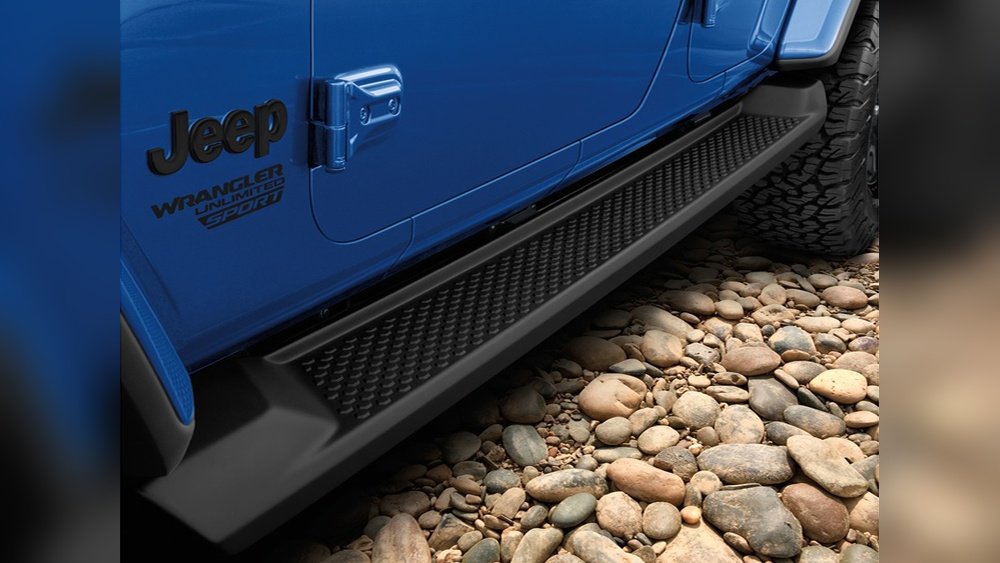
The Wrangler JL, with its distinct body style and off-road prowess, presents unique challenges and opportunities when it comes to accessories. Side steps, often called rock sliders or running boards, need to be robust enough to handle the demands of off-roading while also providing a convenient step for everyday use.
The market offers a wide array of options, each with its own set of advantages and disadvantages. Understanding these differences will empower you to make an informed decision that best suits your needs, driving style, and aesthetic preferences.
We'll break down the various styles, materials, and features available, helping you find the perfect fit for your JL.
Understanding The Different Types Of Jeep Wrangler Jl Side Steps
When you start looking for side steps for your Jeep Wrangler JL, you'll quickly notice there isn't just one kind. They serve different purposes, from simple stepping assistance to serious off-road protection.
Knowing the distinctions between these types is the first step towards making the right choice.
Rock Sliders: The Off-road Warriors
For the serious off-roader, rock sliders are an essential upgrade. Their primary function is not to provide a convenient stepping surface, but to protect the vulnerable rocker panels of your Jeep from damage. Rocker panels are the body panels located directly below the doors. On a Wrangler, these are particularly susceptible to damage from rocks, logs, and other trail obstacles.
Rock sliders are typically made from thick, heavy-duty steel tubing or solid metal. They are designed to be mounted directly to the Jeep's frame, providing a strong barrier that can withstand direct impacts.
When you slide over a rock or log, the slider takes the brunt of the force, preventing dents, tears, and scrapes to your body panels.
Many rock sliders are designed with an upward angle, which helps to deflect obstacles away from the vehicle and can even help you “climb” over them.
While their main purpose is protection, many rock sliders also incorporate a treaded surface or a step-like design on their top surface. This adds a secondary benefit of providing a platform to step on, making it easier to get in and out of a lifted Jeep.
However, it’s important to note that the step function is often secondary to their protective capabilities. They can be a bit higher off the ground than traditional running boards, which might be a consideration for some users.
Running Boards: Everyday Convenience
Running boards are designed primarily to aid in entry and exit from your vehicle. They offer a wider, flatter surface area compared to the often-tubular design of rock sliders, making them more comfortable and easier to use for stepping. Running boards are a popular choice for daily drivers, families with children, or anyone who frequently enters and exits their Wrangler, especially if it has been lifted.
These can come in various styles, including:
- Sleek, low-profile designs: These blend seamlessly with the vehicle’s aesthetics and don’t significantly alter its appearance.
- More rugged, textured surfaces: Offering better grip, especially in wet or muddy conditions.
- Power running boards: These automatically retract when the doors are closed and deploy when a door is opened, offering a clean look when not in use and convenient access when needed. While less common for the rugged Jeep aesthetic, they are an option for those prioritizing ease of use and a clean appearance.
Running boards are generally made from materials like aluminum, steel, or high-impact plastic. While they offer some minor protection against light debris, they are not designed to withstand direct impacts from off-road obstacles.
Their mounting points are often to the vehicle's body or pinch seam, which is less robust than the frame mounting of rock sliders.
Nerf Bars: A Hybrid Approach
Nerf bars are a type of side step that often bridges the gap between rock sliders and running boards. They typically consist of a single, large-diameter tube that runs along the length of the vehicle’s side, often with a textured, non-slip surface integrated into the top.
Nerf bars offer a good balance of protection and step assistance. They are generally more robust than traditional running boards and can offer some defense against minor trail hazards.
Their tubular design can help deflect lighter obstacles, and the integrated step provides a solid platform for entry and exit.
They are often made from steel or aluminum and are a popular choice for those who do a mix of daily driving and light off-roading.
Hoop Steps: Simple And Functional
Hoop steps, also known as single-step bars or grab steps, are a more minimalist option. They consist of a single, U-shaped hoop that mounts to the vehicle’s frame or pinch seam, typically positioned directly below each door.
These offer a dedicated stepping surface that is very effective for making entry and exit easier, especially on lifted vehicles. They are usually made of steel and are quite durable for their size.
While they provide a solid step, they offer very little in terms of body protection from trail obstacles.
Their compact size means they don’t extend far out from the vehicle, which can be desirable for maintaining a cleaner look and avoiding clearance issues.

Materials Matter: What Your Side Steps Are Made Of
The material used in the construction of your side steps significantly impacts their durability, weight, appearance, and cost. Understanding these materials will help you choose a product that aligns with your priorities.
Steel: The King Of Durability
Steel is a popular choice for Jeep Wrangler JL side steps, especially for rock sliders and heavy-duty nerf bars. It offers exceptional strength and durability, making it ideal for off-road protection.
- Mild Steel: This is a common and cost-effective option. It’s strong enough for most applications but can be susceptible to rust if not properly coated or maintained. Many mild steel steps are powder-coated for added protection against corrosion and wear.
- Stainless Steel: More expensive than mild steel, stainless steel offers superior corrosion resistance. It’s a great choice if you live in an area with a lot of salt or moisture, as it’s much less likely to rust. Stainless steel also has a distinct, often polished, appearance that many owners find attractive.
Pros of Steel:
- Exceptional strength and durability: Ideal for off-road protection.
- High impact resistance: Can withstand significant abuse.
- Relatively affordable (mild steel): Offers great value for protection.
Cons of Steel:
- Heavy: Can add significant weight to your vehicle, potentially affecting fuel economy.
- Susceptible to rust (mild steel): Requires proper coating and maintenance.
- Can be expensive (stainless steel): Premium material comes with a premium price tag.
Aluminum: Lighter, But Still Capable
Aluminum is another material commonly used for running boards and some nerf bars. It offers a good balance of strength, weight, and corrosion resistance.
- T-6 Aluminum: This is a common grade of aluminum used in automotive applications. It’s strong enough for running boards and can even be used for some lighter-duty rock sliders, though it won’t be as robust as steel in extreme off-road situations.
Pros of Aluminum:
- Lightweight: Significantly lighter than steel, which can help maintain fuel efficiency and handling.
- Corrosion resistant: Naturally resists rust, making it a good choice for various climates.
- Can be formed into complex shapes: Allows for sleek and stylish designs.
Cons of Aluminum:
- Less strong than steel: Not ideal for extreme rock crawling or heavy impacts.
- Can be more expensive than mild steel: The cost can be comparable to or higher than mild steel options.
- Can dent more easily than steel: While strong, it might show dents from impacts more readily.
High-impact Plastic/polymer: Style And Affordability
Some running boards and steps are made from high-impact plastic or polymer. These are often the most affordable options and can be designed to look quite stylish.
Pros of Plastic/Polymer:
- Lightweight: Minimal impact on vehicle weight.
- Affordable: Generally the most budget-friendly option.
- Easy to clean: Simple to maintain.
- Can be molded into various shapes: Offers design flexibility.
Cons of Plastic/Polymer:
- Least durable: Not suitable for off-road use or significant impacts.
- Can become brittle in extreme cold: May crack under stress in very low temperatures.
- Can fade or degrade in UV exposure: May lose its appearance over time if exposed to constant sunlight.
Key Features To Consider For Your Jl Side Steps
Beyond the type and material, several other features can influence your decision. These details can make a big difference in usability, aesthetics, and overall satisfaction.
Mounting System: Frame Vs. Body Mount
The way side steps are attached to your Jeep is critical for their strength and stability.
- Frame-Mounted: This is the most robust mounting system, typically used for rock sliders and some heavy-duty nerf bars. These steps bolt directly to the Jeep’s chassis or frame rails. This provides a very secure attachment point capable of handling significant stress and impacts, making them ideal for off-roading.
- Body-Mounted (Pinch Seam/Sill Mount): Many running boards and some hoop steps mount to the vehicle’s body, often using the pinch seam (the folded metal edge along the bottom of the doors) or the sill plates. While generally secure for stepping, these mounting points are less robust than frame mounts and are not designed for direct impacts from rocks or other trail hazards. They can still offer a stable platform for entry and exit.
Surface Grip And Texture
For any side step, especially those that will be used in wet or muddy conditions, surface grip is paramount. Look for steps that feature:
- Treaded surfaces: These have raised patterns designed to channel water and mud away, providing better traction.
- Textured coatings: A rough, spray-on or molded texture can offer a secure grip.
- Integrated grip pads: Some steps incorporate rubber or plastic inserts specifically designed for grip.
A smooth, slippery surface can be a hazard, particularly when getting in or out of a lifted vehicle.
Ground Clearance And Departure Angles
When choosing side steps, especially for off-road use, consider how they might affect your Jeep’s ground clearance and departure angles.
- Ground Clearance: This is the distance between the lowest point of your vehicle (excluding tires) and the ground. Bulky side steps can reduce ground clearance, potentially getting caught on obstacles. Rock sliders are often designed to be as close to the body as possible or to have a profile that helps deflect obstacles.
- Departure Angle: This is the angle at which your vehicle can go down an incline without the rear end hitting the ground. Side steps that protrude significantly can reduce your departure angle, limiting your ability to navigate steep terrain.
Ease Of Installation
Some side steps are designed for a straightforward, bolt-on installation that can be done at home with basic tools. Others might require drilling or more complex modifications.
- Bolt-on: Many aftermarket steps are designed to utilize existing mounting holes on the Jeep’s frame or body. This makes installation relatively simple, often taking just an hour or two.
- Drilling Required: Some steps might necessitate drilling new holes. This requires more precision and can be intimidating for novice DIYers.
- Professional Installation: If you’re not comfortable with installation or if the steps require significant modifications, consider professional installation. The cost can vary, but it ensures the steps are fitted correctly and securely.
Aesthetics And Finish
While function is important, the look of your side steps also plays a role. Side steps come in various finishes and styles:
- Black Powder Coat: A durable and popular finish that offers good corrosion resistance and a rugged look.
- Chrome: Offers a shiny, classic look but can be prone to scratching and corrosion if not high quality.
- Satin Black/Matte Black: A modern, stealthy appearance that complements many Jeep builds.
- Polished Stainless Steel: Provides a bright, premium look.
- Body Color Match: Some manufacturers offer steps that can be painted to match your Jeep’s exterior color.
Consider how the style and finish of the side steps will complement your Jeep’s overall aesthetic.

Popular Jeep Wrangler Jl Side Step Brands And Models
The aftermarket for Jeep accessories is vast, and there are many reputable brands offering high-quality side steps for the JL. While specific models change, here are some well-regarded brands known for their durability, design, and performance.
Rugged Ridge
Rugged Ridge is a well-known name in the Jeep accessory market, offering a wide range of products. For the JL, they provide:
- Classic Side Steps: These are often tubular or have a flat, wide stepping surface, focusing on ease of entry and exit. They typically feature a durable black powder coat finish.
- Rocker Guards/Rock Sliders: Rugged Ridge also offers more heavy-duty options designed for off-road protection, made from steel and built to withstand trail abuse.
Smittybilt
Smittybilt is another brand synonymous with off-road Jeep gear. Their side step offerings often include:
- Rocker Guards: Known for their robust construction, often made from 3mm or 4mm steel tubing, providing excellent protection for the rocker panels.
- Sure Step 3″ Side Bars: These are nerf bar style steps offering a good balance of step function and moderate protection, typically in a black powder coat finish.
Go Rhino
Go Rhino offers a variety of running boards and steps, often with innovative designs. For the Wrangler JL, they might offer:
- Dominator Series: These are heavy-duty rock sliders that often incorporate a step area, providing both protection and utility. They are usually made from steel and come in textured black finishes.
- RB Series Running Boards: More focused on step assistance, these can be sleek and modern or rugged and utilitarian.
Barrier Industries
Barrier Industries is known for its rugged, American-made products. Their offerings often include:
- Rock Sliders: Built with serious off-roading in mind, these are typically constructed from thick steel and designed for