The Jeep Wrangler is an icon. It’s built for adventure, for off-roading, and for those who love to explore.
But climbing into a lifted Wrangler, especially for shorter drivers or those with mobility issues, can be a challenge. That’s where Jeep Wrangler factory side steps come in.
These aren't just accessories; they are functional additions that make your Wrangler more accessible and practical for everyday use.
Factory side steps, also known as running boards or nerf bars, are designed specifically for your Jeep Wrangler by the manufacturer. This means they fit perfectly, match the vehicle's style, and are built to the same high standards.
They provide a stable platform to step onto, reducing the distance you need to lift your leg.
This is a significant benefit for many drivers and passengers. Beyond just stepping, they can also offer a degree of protection against minor road debris or parking lot bumps.
Choosing the right side steps involves understanding the different types available, their materials, how they are installed, and what benefits they offer. This guide will explore everything you need to know about Jeep Wrangler factory side steps, helping you make an informed decision for your beloved Jeep.
Why Add Side Steps To Your Jeep Wrangler?
Adding side steps to your Jeep Wrangler might seem like a simple modification, but the benefits extend far beyond just aesthetics. For many owners, the primary driver is improved accessibility. Wranglers, especially those equipped with larger tires or suspension lifts for off-roading, have a higher ground clearance. This makes them more capable on rough terrain but also creates a significant step up for entering and exiting the vehicle. Factory side steps provide a lower, stable platform, making it much easier for people of all heights, ages, and physical abilities to get in and out. This is particularly helpful for children, elderly passengers, or anyone with knee or hip issues.
Beyond accessibility, side steps offer practical protection. While not heavy-duty armor, they can act as a first line of defense against minor impacts. Think about carelessly parked cars in tight parking lots or low-lying obstacles on the trail. The side steps can absorb some of the impact, potentially saving your Wrangler’s body panels from scratches or dents. This is a subtle but valuable benefit for maintaining your Jeep’s appearance.
Furthermore, side steps can enhance the overall look of your Wrangler. While factory options are designed to complement the vehicle’s rugged styling, they can also add a more finished and complete appearance. Some drivers find that the added visual element breaks up the large expanse of the doors and fenders, giving the Jeep a more substantial presence.
Finally, side steps can keep your interior cleaner. When you step on a side step, you wipe more dirt and mud off your boots before stepping into the cabin. This is especially useful after off-roading adventures or during wet weather, reducing the amount of grime tracked into your Jeep.
Understanding Jeep Wrangler Factory Side Step Options
When you look for factory side steps for your Jeep Wrangler, you'll find a few distinct styles. These are designed to integrate seamlessly with the Wrangler’s aesthetic and functionality.
Understanding these options will help you choose the best fit for your needs and preferences.
Mopar Tubular Side Steps
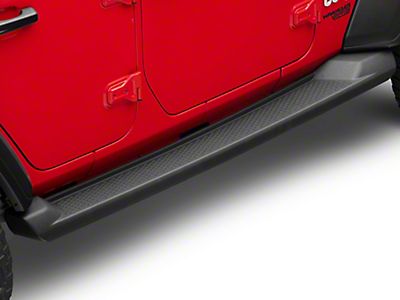
Mopar is the official parts brand for Chrysler, Dodge, Jeep, and Ram. Their tubular side steps are a popular choice for Wranglers. These are typically made from durable steel tubing, often with a black powder-coated finish to resist corrosion and provide a rugged look. They mount directly to the Wrangler’s frame or pinch seam, offering a sturdy platform.
- Design: These steps feature a tubular profile that runs along the length of the doors. They often have a slightly raised pattern or texture on the stepping surface for better grip, even when wet. The design is generally understated, fitting well with the Wrangler’s utilitarian image.
- Material: High-strength steel is the standard, ensuring durability and load-bearing capacity. The powder coating adds a layer of protection against rust and scratches.
- Installation: Mopar steps are designed for a direct bolt-on installation, often utilizing existing mounting points on the vehicle’s chassis. This usually means no drilling is required, making the installation process relatively straightforward.
- Benefits: Excellent durability, good grip, clean factory look, and ease of installation. They provide a solid stepping surface and a moderate level of protection.
Mopar Rock Rails
While not strictly “side steps” in the traditional sense of providing a wide platform, Mopar rock rails are an essential factory option for serious off-roaders. These are heavy-duty metal components designed to protect the rocker panels (the area between the wheels below the doors) from damage during off-road excursions. They are exceptionally strong and low-profile.
- Design: Rock rails are typically made from thick steel and are mounted very close to the body, following the line of the rocker panels. They are designed to take the brunt of impacts from rocks, logs, and other trail hazards.
- Material: Heavy-gauge steel is standard, often with a black powder-coat finish. Some versions might be made of aluminum for a lighter weight, but steel is more common for maximum protection.
- Installation: Like tubular steps, rock rails are usually designed for a bolt-on installation, attaching to the frame or reinforced pinch seam areas.
- Benefits: Superior protection for the rocker panels during extreme off-roading. They are extremely durable and can support the weight of the Jeep if it slides on its side.
- Important Note: While rock rails offer some step-like functionality due to their shape, they are primarily protective armor. The stepping surface might be narrower or less comfortable than dedicated side steps, and they are not designed to be the primary entry/exit aid for everyday use.
Other Factory-style Options
Sometimes, manufacturers offer slightly different variations of side steps or running boards that might be considered “factory” or OEM-equivalent. These could include:
- Slightly Wider Platforms: Some designs might offer a broader stepping area than the standard tubular steps, providing more stability.
- Integrated Designs: Certain trims or special editions of the Wrangler might come with side steps that are more integrated into the vehicle’s overall design, perhaps with a more sculpted appearance.
The key takeaway is that factory or Mopar-branded options are engineered specifically for your Jeep Wrangler, ensuring a proper fit, compatibility with other accessories, and adherence to Jeep’s quality standards.

Materials And Durability: What To Expect
The materials used in Jeep Wrangler factory side steps are chosen for their strength, durability, and resistance to the elements. Since Wranglers are often used in challenging environments, these steps need to withstand mud, water, salt, and impacts.
Steel is the most common material for factory side steps and rock rails. It offers excellent strength and can support significant weight, which is crucial for a stable stepping platform. However, steel can be susceptible to rust if the protective coating is damaged. For this reason, most steel steps and rails are treated with a powder coating. This is a durable, baked-on finish that provides a tough layer of protection against corrosion and minor abrasions. Black is the most popular color, offering a rugged aesthetic that complements the Wrangler’s design.
Aluminum is another material sometimes used, particularly for lighter-duty running boards or certain rock rail designs. Aluminum is naturally resistant to rust and corrosion, making it a good choice for areas with high humidity or exposure to salt. It is also lighter than steel, which can be a minor advantage. However, aluminum is generally not as strong as steel, so aluminum steps might be designed differently or intended for less demanding use.
When considering durability, the quality of the finish is paramount. A good powder coat will resist chipping and peeling, even after years of use. The mounting hardware is also critical. Factory steps typically use robust, corrosion-resistant fasteners that are designed to withstand the stresses of driving and provide a secure attachment.
Longevity is a key benefit of factory side steps. Because they are designed and tested by Jeep, they are built to last the lifespan of the vehicle under normal use. While they might eventually show signs of wear, such as minor scratches or fading of the finish, their structural integrity usually remains sound for many years. Rock rails, in particular, are built for extreme durability and are designed to take significant abuse on the trail.
Installation: A Diy Project Or Professional Job?
Installing Jeep Wrangler factory side steps is often achievable for the average DIY enthusiast, but the complexity can vary. Most factory-designed steps and rails are engineered for a direct bolt-on installation. This means they utilize existing mounting points on the Wrangler’s frame or body, eliminating the need for drilling new holes. This is a significant advantage, as drilling into a vehicle’s frame can be intimidating for some and requires precision to ensure structural integrity.
What to Expect During Installation:
- Gather Tools: You’ll typically need a socket set, wrenches, and possibly a torque wrench to tighten bolts to the manufacturer’s specifications.
- Locate Mounting Points: The instructions will guide you to specific holes or brackets on the underside of your Wrangler’s frame or pinch seam.
- Attach Brackets (if applicable): Some steps come with separate mounting brackets that attach to the frame first.
- Mount the Step: The side step or rail then bolts onto these brackets or directly to the frame.
- Tighten Securely: Ensure all bolts are tightened properly. Using a torque wrench is recommended to avoid over-tightening, which can strip threads, or under-tightening, which can lead to looseness.
Factors Affecting DIY Difficulty:
- Wrangler Model and Year: Older Wranglers might have slightly different mounting points than newer models.
- Specific Step Design: Some designs might be more complex than others.
- Vehicle Condition: If the mounting points are rusted or damaged, installation can become more challenging.
- Your Mechanical Skill Level: If you’re comfortable working with tools and following instructions, you’ll likely find it manageable.
When to Consider Professional Installation:
- Lack of Tools or Workspace: If you don’t have the necessary tools or a suitable place to work (like a garage or driveway), professional installation is easier.
- Uncertainty or Lack of Confidence: If you’re hesitant about working on your Jeep, a professional installer at a dealership or a reputable aftermarket shop can do the job quickly and correctly.
- Time Constraints: Professional installation is usually faster than a DIY job, especially if you’re unfamiliar with the process.
- Complex Designs: While most factory steps are straightforward, exceptionally intricate designs or modifications might be best left to experts.
Pro Tip: Always consult the installation manual that comes with your side steps. It will provide specific instructions for your exact Jeep model and the particular side step you’ve purchased. Watching installation videos online for your specific Wrangler year and side step model can also be incredibly helpful.
Comparing Factory Side Steps To Aftermarket Options
While this article focuses on Jeep Wrangler factory side steps, it’s helpful to understand how they compare to the vast array of aftermarket options available. This comparison helps solidify why factory steps are a good choice for many owners.
Factory (Mopar) Side Steps:
- Pros:
- Perfect Fit: Engineered specifically for the Wrangler, ensuring no fitment issues.
- Seamless Aesthetics: Designed to match the vehicle’s styling.
- Quality Materials & Finish: High standards for durability and appearance.
- Easy Installation: Often designed for direct bolt-on, no drilling.
- Warranty: Covered under Jeep’s new vehicle warranty or Mopar parts warranty.
- Resale Value: Can contribute positively to resale value as an OEM accessory.
- Cons:
- Limited Style Options: Fewer designs compared to the aftermarket.
- Potentially Higher Cost: OEM parts can sometimes be more expensive than comparable aftermarket options.
- Less Extreme Off-Road Focus: While durable, they might not offer the extreme protection of specialized aftermarket rock sliders.
Aftermarket Side Steps/Rock Sliders:
- Pros:
- Wider Variety of Styles: Numerous designs, materials (steel, aluminum), finishes, and features (e.g., LED lighting, integrated traction pads).
- Specialized Functionality: Options designed for extreme off-roading (heavy-duty rock sliders), enhanced aesthetics (flame-thrower designs), or maximum utility (steps with built-in toolboxes).
- Potentially Lower Cost: Can find budget-friendly options, though high-end aftermarket can be very expensive.
- Innovation: Aftermarket companies often introduce unique features or materials first.
- Cons:
- Fitment Issues: Universal or poorly designed aftermarket parts might not fit perfectly, requiring modification.
- Variable Quality: Quality can range from excellent to very poor. Research is crucial.
- Installation Complexity: Some aftermarket options may require drilling or more complex mounting procedures.
- Warranty Concerns: May not be covered by the vehicle’s warranty; aftermarket warranties vary.
- Aesthetics: Some designs might clash with the Wrangler’s factory look.
Example Comparison Table:
| Feature | Mopar Factory Side Steps | Typical Aftermarket Rock Sliders |
|---|---|---|
| **Primary Use** | Accessibility, light protection, aesthetics | Heavy-duty trail protection, accessibility |
| **Material** | Steel (powder-coated) | Steel, Aluminum |
| **Durability** | High (for daily use/light trails) | Very High (for extreme off-roading) |
| **Installation** | Bolt-on, no drilling | Bolt-on or requires drilling, varies greatly |
| **Style Options** | Limited, integrated | Extensive, diverse |
| **Cost** | Moderate to High | Moderate to Very High |
| **Warranty** | OEM Warranty | Varies by manufacturer |
| **Fitment** | Guaranteed perfect fit | Varies; research is essential |
When to Choose Factory: If your priority is reliable accessibility, a clean factory look, and hassle-free installation without compromising your vehicle’s warranty, Mopar factory side steps are an excellent choice. They offer the best balance of form and function for the typical Wrangler owner.
When to Choose Aftermarket: If you’re a dedicated off-roader needing maximum protection for your rocker panels, or if you desire a very specific aesthetic that factory options don’t provide, then aftermarket rock sliders or specialized steps are the way to go. Thorough research into brands and reviews is essential.
Maintaining Your Jeep Wrangler Factory Side Steps
Proper maintenance will ensure your Jeep Wrangler factory side steps look good and perform well for years. Since they are exposed to the elements and road grime, a little care goes a long way.
**Regular