If you’ve opened the hood of your Jeep Wrangler and noticed the engine cover feels hot—or even smells like it’s burning—but your temperature gauge shows normal, you’re not alone. Many Wrangler owners experience this strange issue. It can be unsettling, especially if you’re worried about engine health or fire risk. Let’s break down why your engine cover might be burning without your Jeep actually overheating, what you should check, and when it’s time to take action.
Why The Engine Cover Feels Like It’s Burning
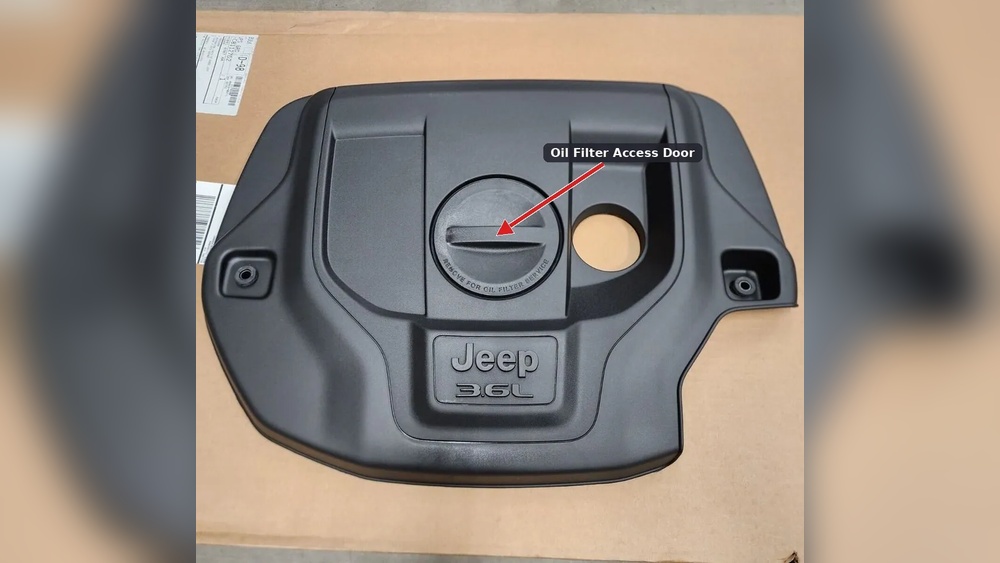
The engine cover sits directly above the engine block. Its main job is to reduce noise and protect sensitive parts from dust and debris. It isn’t designed to be heatproof, but it should never get hot enough to burn or smell unless something is wrong.
Here are the most common reasons for a burning engine cover when your Jeep isn’t overheating:
- Oil Leaks: Oil dripping onto the engine cover or nearby components can cause a burning smell as it heats up and smokes. Even small leaks can create strong odors.
- Plastic or Debris Contact: Sometimes, plastic bags or leaves can get stuck near the engine and melt due to the heat, causing a burning plastic smell.
- Coolant Leaks: Coolant leaking onto the engine cover evaporates and can smell sweet or burnt, even if the engine runs at a normal temperature.
- Faulty Heat Shields: Missing or damaged heat shields can let more heat reach the engine cover, especially after long drives or off-road trips.
- Aftermarket Parts: Non-original engine covers or modifications might not handle heat as well as factory parts.
How To Diagnose The Problem
Before you panic, do a quick check. Most issues are simple to spot if you know what to look for.
| Symptom | Possible Cause | What to Check |
|---|---|---|
| Burning oil smell | Oil leak | Inspect valve cover, gaskets |
| Plastic smell | Debris | Check for melted plastic or leaves |
| Burnt sweet odor | Coolant leak | Look for coolant stains or drops |
| Very hot cover | Heat shield issue | Check for missing/damaged shields |
Note: Always let the engine cool before touching any parts.
When To Be Concerned
A burning smell or hot engine cover is usually not normal, but it doesn’t always mean a disaster is coming. Here’s when you should take action:
- Visible smoke: If you see smoke coming from under the hood, stop the vehicle and investigate.
- Persistent burning smell: If the odor doesn’t go away after a few drives, something needs fixing.
- Oil or fluid spots: Finding drops or wet spots near the engine cover points to a leak.
- Check engine light: This means the car’s computer has detected a problem.
If you notice any of these, it’s best to have a professional mechanic check your Jeep.
Common Jeep Wrangler Engine Cover Problems
Wranglers have some known issues that can lead to a burning engine cover:
- Valve Cover Gasket Failure: The valve cover gasket can wear out, especially on older models (like 2007–2011 JK Wranglers). This causes oil to drip onto the hot engine parts.
- PCV Valve Issues: A clogged PCV valve can cause extra pressure and push oil past seals, leading to leaks.
- Loose Engine Cover: If the cover isn’t properly seated, it may trap heat or allow debris to collect.
- Aftermarket Modifications: Custom engine covers, snorkels, or turbo kits can change airflow and raise temperatures.
Here’s a quick comparison of common Jeep Wrangler engines and the likelihood of experiencing engine cover heat issues:
| Engine Type | Model Years | Common Heat Issue |
|---|---|---|
| 3.6L Pentastar V6 | 2012–Present | Valve cover gasket leaks |
| 3.8L V6 | 2007–2011 | PCV valve and gasket leaks |
| 2.0L Turbo I4 | 2018–Present | Heat shield issues |
What To Do If You Notice Burning
If your engine cover is hotter than normal or smells burnt, follow these steps:
- Inspect for Leaks: Look for oil, coolant, or other fluids on and around the engine cover.
- Remove Debris: Check for plastic bags, leaves, or any foreign materials.
- Check Heat Shields: Make sure all shields are present and not damaged.
- Consider Driving Conditions: Heavy towing or off-roading can make the engine bay hotter than usual.
- Seek Professional Help: If you can’t find the cause or if the problem keeps coming back, visit a certified mechanic.
Preventing Engine Cover Problems
A few simple habits can help avoid engine cover issues:
- Regular inspections: Open the hood every month to look for leaks or debris.
- Scheduled maintenance: Change engine oil, check gaskets, and replace worn parts on time.
- Use OEM parts: Original parts usually fit better and handle heat properly.
- Keep the engine clean: Clean spills and dirt right away to avoid buildup.

Real-world Example
A 2015 Jeep Wrangler owner noticed a plastic burning smell after a trail ride. Inspection revealed a grocery bag melted onto the exhaust manifold, just under the engine cover.
Removing the bag solved the problem no mechanical repairs needed. This shows how sometimes the cause is simple, but the smell can be alarming.
Two Insights Jeep Owners Miss
First, many owners don’t realize small oil leaks can burn off before hitting the ground, so they never see drips under the Jeep. Second, aftermarket engine covers—especially cheap plastic ones—may not tolerate engine heat as well as factory covers, leading to early warping or burning smells.

When To Ignore And When To Act
If the burning smell happens just once, after driving through heavy rain or mud, it might just be debris. But if you smell burning every time you drive, or see smoke, don’t ignore it.
Engine bay fires are rare, but early action prevents bigger problems.
For more technical details and maintenance advice, check the Jeep Wrangler Wikipedia page.
Frequently Asked Questions
Why Does My Jeep’s Engine Cover Smell Like Burning Plastic?
Plastic bags or debris caught near the engine often melt when they touch hot parts. Check for foreign objects under the hood.
Is It Safe To Drive With A Burning Engine Cover Smell?
Short drives are usually safe if there’s no smoke or fluid leaks. However, repeated burning smells should be checked by a mechanic to prevent damage or fire.
Can Oil Leaks Cause Burning Smells Without Overheating?
Yes. Small oil leaks can create burning smells without changing engine temperature. The oil burns off quickly, so you may not see drips.
Should The Engine Cover Be Hot To Touch?
The cover gets warm after driving but should not be so hot that it burns you or smells. Extreme heat means there’s a problem.
Do Aftermarket Engine Covers Cause Heat Problems?
Some aftermarket covers may not handle Jeep engine heat as well as original parts, leading to warping or burning smells.
If you ever feel unsure, it’s always better to have your Wrangler checked by a professional. Taking care of small issues early keeps your Jeep safe and ready for adventure.