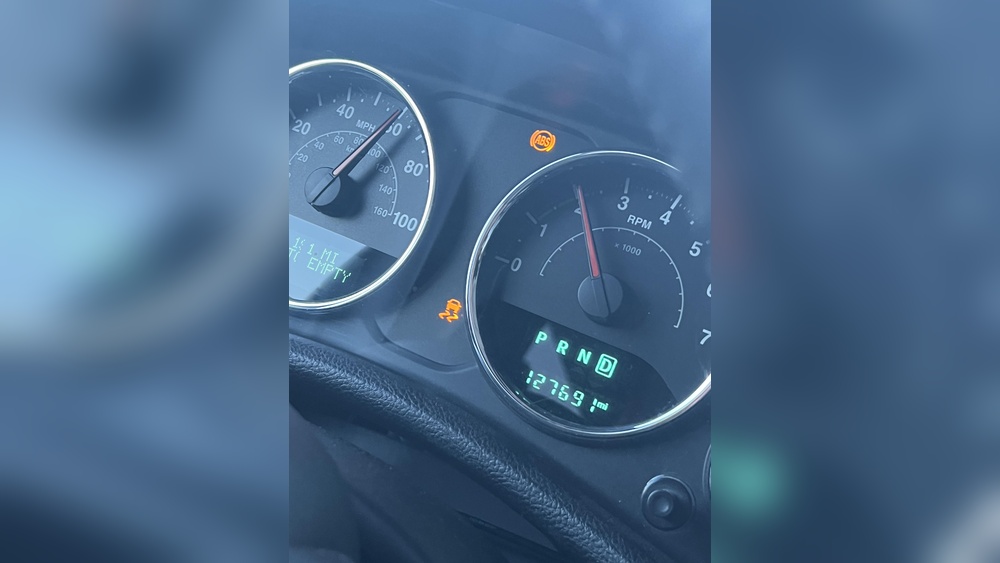
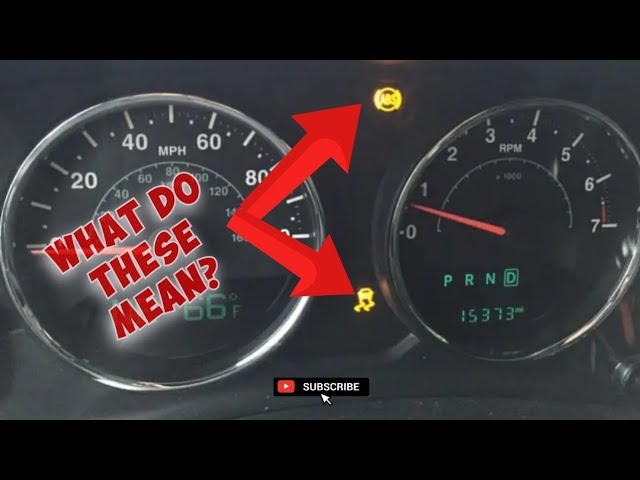
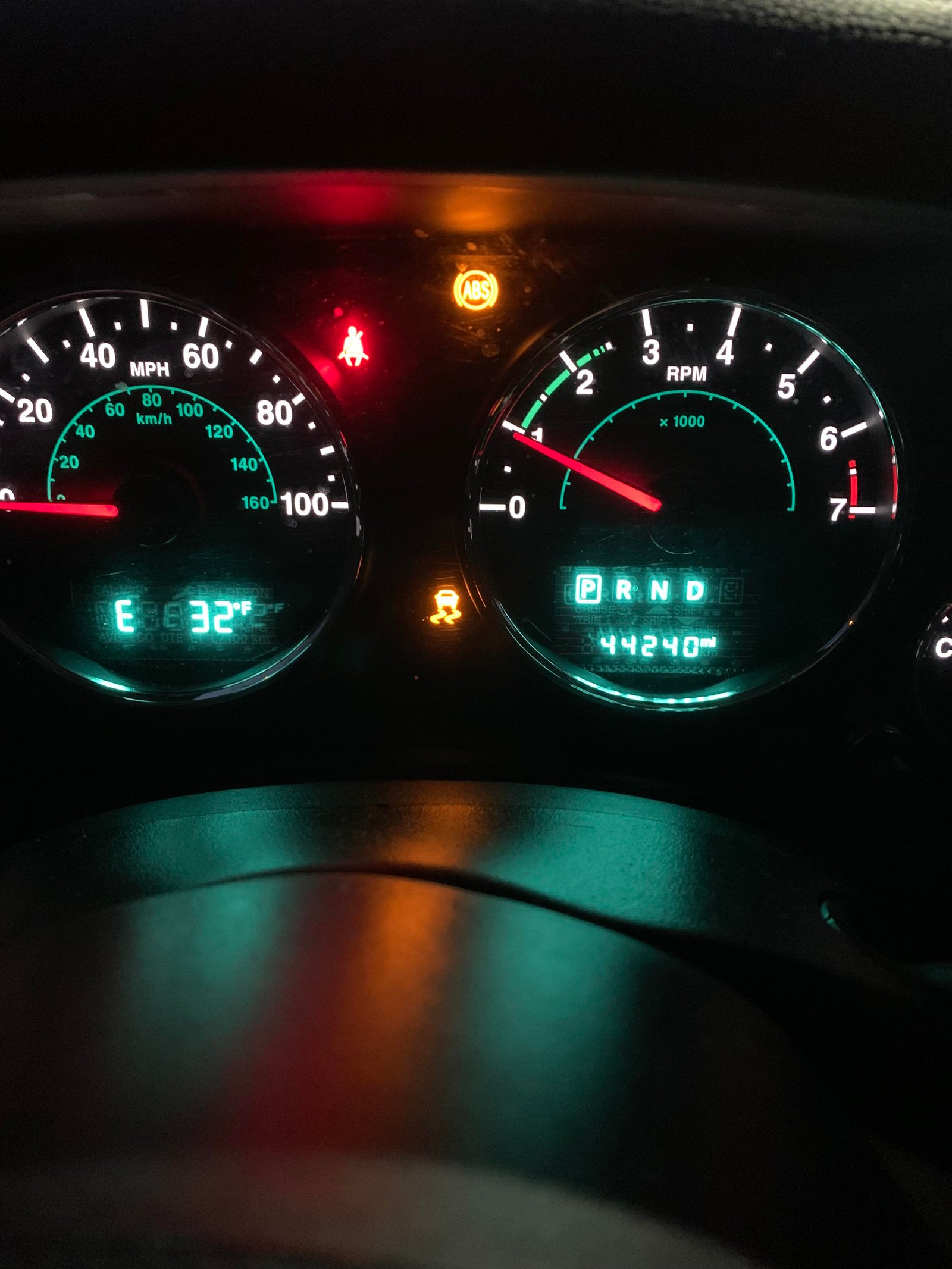
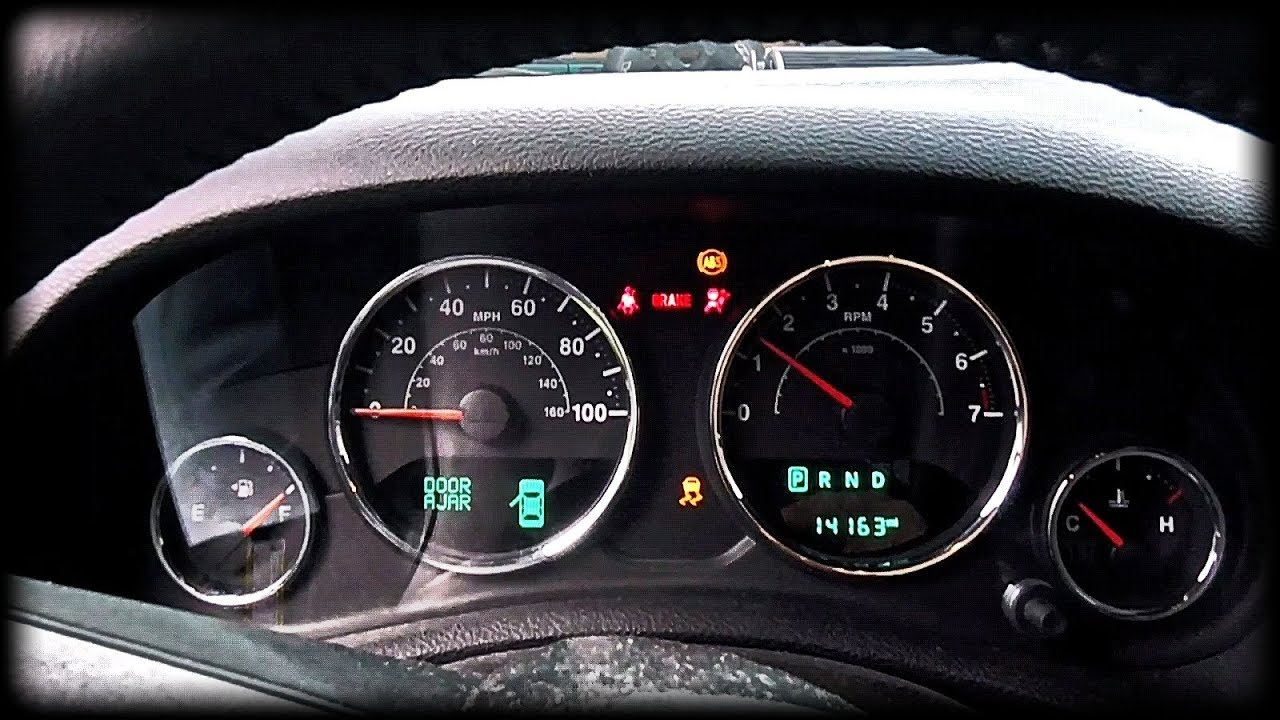
If you’ve noticed the ABS and traction control lights glowing on your Jeep Wrangler’s dashboard, you’re probably wondering what it means and if it’s something you need to worry about right away.
These warning lights aren’t just random blips—they signal that your Jeep’s safety systems might not be working properly.
But don’t panic. Understanding why these lights come on can save you time, money, and stress. You’ll learn the common reasons behind these warning lights, how to diagnose the issue, and what steps you can take to fix it. Keep reading to make sure your Jeep Wrangler stays safe and ready for the road ahead.
Common Causes
The ABS and traction control lights on a Jeep Wrangler often signal issues with the vehicle’s safety systems. These lights turn on to warn drivers about potential problems that need attention.
Understanding the common causes helps in diagnosing and fixing the issue quickly.
Most problems arise from sensors or components that detect wheel movement and help control braking and traction. Dirt, damage, or misalignment can disrupt these signals, triggering the warning lights.
Below are the frequent causes that lead to the ABS and traction control lights activating.
Faulty Wheel Speed Sensor
The wheel speed sensor monitors how fast each wheel turns. A faulty sensor sends wrong signals to the ABS system.
This causes the lights to come on. Sensors can fail due to wear, impact, or corrosion.
Damaged Wiring And Connectors
Wires and connectors carry signals from the wheel sensors to the vehicle’s computer. Damage from dirt, moisture, or road debris can break or corrode these wires. This interrupts communication, triggering the warning lights.
Dirty Tone Rings
Tone rings work with wheel speed sensors to detect wheel rotation. Mud, brake dust, or metal shavings can stick to the tone rings.
This dirt blocks the sensor’s readings, causing the ABS and traction control lights to activate.
Misaligned Steering Wheel
A steering wheel that is off-center while driving straight can confuse the traction control system. The system may think the vehicle is sliding.
This mistake causes the traction control light to turn on.
Wheel Bearing Issues
Wheel bearings allow wheels to spin smoothly. When they wear out or fail, sensors may detect irregular wheel speed.
This mismatch can activate the ABS and traction control lights. Signs include noise and looseness in the wheel area.
Leaking Rear Axle Seal
A leaking rear axle seal can drip grease onto the wheel speed sensor. This contamination blocks the sensor’s ability to read wheel speed.
The system then triggers the ABS and traction control warning lights.
Symptoms To Watch For
Watching for clear symptoms helps catch ABS and traction control issues early. These warnings often appear as dashboard lights or changes in how your Jeep drives.
Noticing them quickly can prevent bigger problems and keep you safe on the road.
Abs Light Activation
The ABS light turns on when the system detects a fault. It usually stays lit during your drive.
This light means the anti-lock brake system may not work properly. Your Jeep might still brake, but without ABS support.
Traction Control Light Illumination
The traction control light signals issues with wheel grip or sensors. It often blinks while the system works to prevent slip.
If it stays on, the system might be disabled. This reduces your Jeep’s ability to maintain traction on slippery surfaces.
Handling And Braking Changes
You may notice the Jeep pulls to one side when braking. The brake pedal could feel softer or harder than usual.
The vehicle might skid or slide more easily on wet or loose roads. Steering response can also feel less stable or delayed.
Unusual Noises Or Vibrations
Strange sounds near the wheels can point to sensor issues. Grinding or clicking noises during braking are warning signs.
Vibrations felt in the brake pedal or steering wheel may also indicate a problem. These symptoms often mean the ABS or traction system is struggling.
Diagnostic Steps
Diagnosing the ABS and traction control lights on a Jeep Wrangler requires a clear and methodical approach. Start with simple checks and then move to more detailed inspections.
This helps pinpoint the exact cause quickly. Follow these diagnostic steps to find the problem and decide the right fix.
Using A Scan Tool
Begin by connecting an OBD-II scan tool to the Jeep’s diagnostic port. This tool reads error codes stored in the vehicle’s computer.
These codes reveal which system part is causing the warning lights. A scan tool saves time and guides your repair efforts accurately.
Inspecting Wheel Speed Sensors
Wheel speed sensors often trigger ABS and traction control lights. Check each sensor for dirt, damage, or misalignment.
Clean the sensor if dirty. Replace it if cracked or broken.
Good sensor function is key for ABS and traction systems to work properly.
Checking Wiring And Connectors
Look closely at the wiring and connectors linked to the wheel speed sensors. Wires can get damaged by debris or crushed during off-road driving.
Corrosion on connectors also causes signal loss. Fix any frayed wires or clean corroded connectors to restore proper sensor signals.
Examining Tone Rings
Tone rings work with wheel speed sensors to track wheel rotation. Dirt, brake dust, or metal shavings on tone rings block sensor readings.
Inspect tone rings for buildup or cracks. Clean gently with a soft brush.
Replace if the ring is damaged or broken.
Verifying Steering Alignment
Check if the steering wheel centers correctly when driving straight. Misaligned steering tricks the traction system into thinking the vehicle is sliding.
This false signal turns on the warning lights. Correct the alignment to prevent unnecessary ABS and traction control alerts.
Simple Fixes
Simple fixes can often solve the Jeep Wrangler ABS and traction control light issues. These problems usually stem from common, easy-to-fix causes.
Addressing these areas can restore your vehicle’s safety features quickly. Here are some practical steps to consider.
Cleaning Sensors And Tone Rings
Dirt and debris often cover sensors and tone rings. This buildup stops sensors from reading wheel speed correctly.
Use a soft brush and mild cleaner to remove grime. Make sure to clean gently to avoid damage.
After cleaning, check if the lights turn off.
Repairing Or Replacing Wiring
Wiring can get damaged by rocks, mud, or wear over time. Look for cracked, cut, or corroded wires near the wheel sensors.
Repair small breaks with electrical tape or replace wires if damaged badly. Proper wiring restores signals to the ABS and traction control systems.
Realigning Steering Wheel
A misaligned steering wheel can confuse the traction control system. If your steering wheel is not centered while driving straight, the system may think the car is sliding.
Visit a mechanic or use an alignment tool to fix this. Correct alignment often clears warning lights.
Replacing Faulty Sensors
Sometimes sensors fail due to age or damage. Faulty wheel speed sensors are common causes of ABS and traction control lights.
Test sensors with a scanner or multimeter. Replace any sensor that shows errors or no signal.
New sensors help the system work properly again.
When To Seek Professional Help
The ABS and traction control lights on your Jeep Wrangler signal issues that affect driving safety. Knowing when to get professional help can prevent further damage and keep you safe on the road.
Some problems need expert tools and skills to fix properly. Ignoring warning lights can lead to costly repairs or dangerous situations.
This section explains key signs that mean you should visit a mechanic or dealership.
Persistent Warning Lights
Sometimes the ABS or traction control lights stay on even after restarting the car. This persistence shows the problem is not a simple glitch.
A professional can use a scanner to read error codes. They identify the exact cause and fix it right.
Ignoring these lights can reduce braking efficiency and vehicle stability.
Complex Electrical Issues
Electrical faults in ABS or traction control systems are often tricky. Wiring damage or sensor failure needs detailed inspection.
Only experienced technicians have the right tools to test circuits and sensors. DIY fixes may miss hidden problems or cause new ones.
Professional help ensures your Jeep’s systems work correctly again.
Brake System Repairs
ABS problems often relate to the brake system. Signs like spongy brakes, unusual noises, or poor stopping power need expert attention.
Brake repairs require precise work and safety checks. Mechanics follow strict guidelines to maintain brake performance.
Trust specialists to handle brake system repairs safely and effectively.
Warranty And Dealership Services
If your Jeep Wrangler is under warranty, use dealership services for ABS and traction control issues. Warranty coverage may protect you from repair costs.
Dealerships have factory-trained technicians and genuine parts. They keep records of repairs, which helps with future claims.
Professional dealership service gives peace of mind and quality assurance.
Driving Safety Tips
Driving safety is crucial when the ABS and traction control lights come on in your Jeep Wrangler. These warning lights signal that your vehicle’s safety systems might not work fully.
Staying safe means knowing how these systems affect your drive and what changes to make on the road.
Understanding how limited ABS and traction control work helps you react wisely. Adapting your driving style in slick or rough conditions lowers risks.
Avoiding hazards off-road keeps your Jeep and passengers safe. Fixing issues quickly ensures safety features function properly again.
Understanding Limited Abs And Traction Control
ABS and traction control help keep your Jeep stable and prevent wheel lock-up. When these lights turn on, the systems may only work partially or not at all.
Your Jeep may skid more easily or take longer to stop. It is important to drive carefully and expect less control.
Limited ABS means braking may feel different or less responsive. Limited traction control means wheels may slip more on slippery surfaces.
Knowing these limits helps you stay alert and adjust your driving.
Adjusting Driving In Slick Conditions
Wet, icy, or muddy roads need slower speeds and gentle actions. Avoid sudden turns, sharp braking, or quick acceleration.
Keep a bigger distance from other vehicles to allow more stopping space. Smooth steering and braking reduce chances of losing control.
Use lower gears when driving downhill or on slippery slopes. This helps control speed without heavy braking.
Always watch the road ahead for patches of ice or mud to prepare early.
Avoiding Off-road Hazards
Off-road trails can hide rocks, deep ruts, or soft sand. These hazards can worsen if ABS and traction control are limited.
Drive slowly and choose safe paths around obstacles. Avoid sudden moves or aggressive driving on rough terrain.
Check your tires for proper pressure and tread before off-roading. Good tires improve grip and reduce the chance of slipping or getting stuck.
Planning Repairs Promptly
ABS and traction control lights on mean a problem needs fixing. Delaying repairs can cause more damage or risk safety.
Find a trusted mechanic to diagnose the exact issue quickly. Common fixes include wheel sensor repair, wiring checks, or cleaning sensor rings.
Regular maintenance helps prevent sensor damage from dirt or corrosion. Fix problems early to keep your Jeep’s safety systems ready for any drive.
Frequently Asked Questions
What Does It Mean When Your Abs And Traction Control Light Comes On A Jeep Wrangler?
The ABS and traction control lights on a Jeep Wrangler indicate a fault in the braking or traction system. Common causes include a faulty wheel speed sensor, damaged wiring, dirty tone rings, or misaligned steering.
Addressing these issues requires diagnostic scanning and sensor inspection.
Why Would My Traction Control Light And Abs Light Come On?
Your traction control and ABS lights often come on due to a faulty wheel speed sensor, damaged wiring, or dirty tone rings. These issues disrupt sensor readings, triggering warning lights.
Misaligned steering can also cause the traction control light to activate.
Prompt diagnosis prevents safety risks.
Why Is My Abs And Traction Control Light On My Jeep Patriot?
The ABS and traction control lights on a Jeep Patriot usually indicate a faulty wheel speed sensor or damaged wiring. Dirt, corrosion, or misaligned steering can also trigger these warnings.
Check sensors, wiring, and steering alignment to fix the issue promptly.
Can I Drive My Jeep With Abs And Traction Control Light On?
Driving with ABS and traction control lights on is possible but not recommended. These systems may not work properly, increasing accident risk.
Get your Jeep checked immediately to fix sensor or wiring issues. Safe driving depends on functional ABS and traction control systems.
Conclusion
The ABS and traction control lights on a Jeep Wrangler warn of a system issue. Common causes include faulty wheel speed sensors, damaged wiring, or dirty tone rings.
Simple checks can help identify the problem early. Ignoring these lights can affect vehicle safety and performance.
Regular maintenance keeps your Jeep running smoothly. Always address warning lights promptly to avoid costly repairs.
Staying informed helps you drive with confidence and peace of mind.