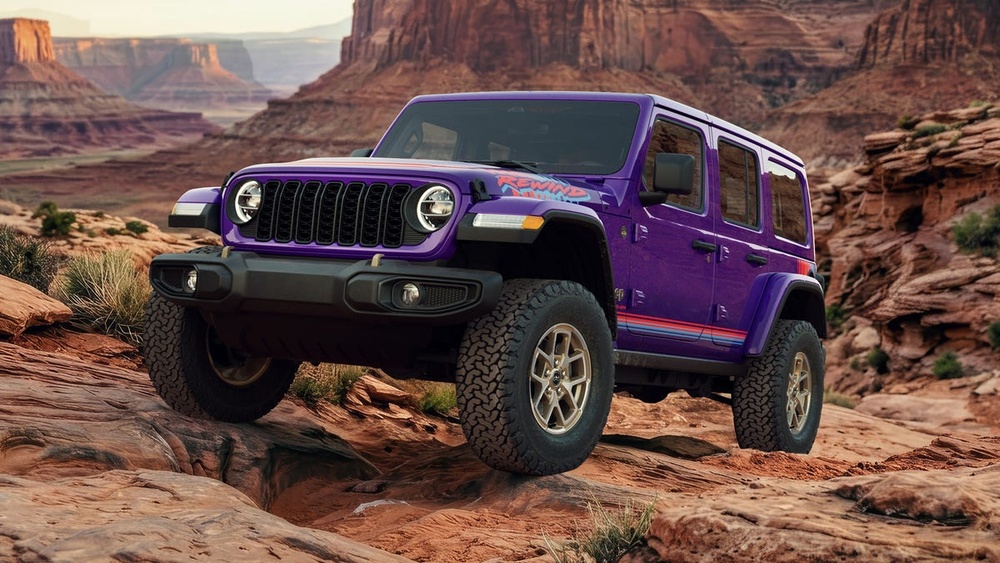
Exploring the wild with a Jeep is exciting and challenging. Off-road driving brings you closer to nature and tests your skills behind the wheel. Many people think it’s all about power, but real off-roading is more about technique, preparation, and respect for the environment. Whether you’re new to off-roading or want to improve, learning how to drive a Jeep off road safely and confidently is key.
Preparing Your Jeep For Off-road
Before you hit the trails, make sure your Jeep is ready. A well-prepared vehicle can handle rough terrain and keep you safe.
- Check Tire Pressure: Lowering tire pressure increases grip on soft surfaces like sand and mud. For most Jeeps, dropping from 32 psi to 18-20 psi works well.
- Inspect Recovery Gear: Always carry a tow strap, winch, and D-rings. A shovel and traction mats can help if you get stuck.
- Secure Loose Items: Fasten all gear inside your Jeep. Bouncing over rocks can turn loose items into hazards.
- Test Lights and Battery: You may need extra visibility if you’re driving at dusk or in bad weather.
- Know Your Jeep’s Limits: Check clearance and approach angles. Not all Jeeps are built for extreme trails.
Here’s a quick comparison of Jeep models and their off-road capabilities:
| Jeep Model | Ground Clearance (inches) | Approach Angle (degrees) | Best For |
|---|---|---|---|
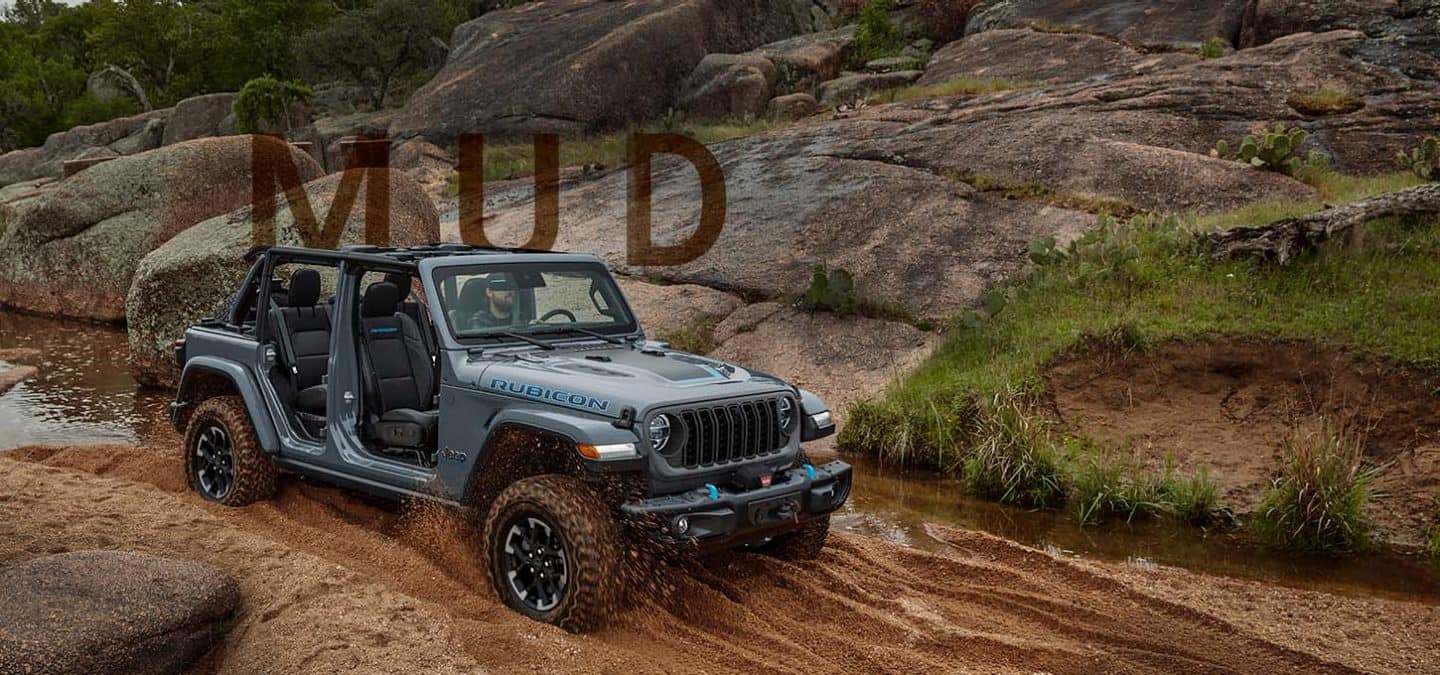
| Wrangler Rubicon | 10.8 | 43.9 | Rock crawling, mud |
| Cherokee Trailhawk | 8.7 | 29.9 | Moderate trails |
| Grand Cherokee | 8.1 | 26.0 | Sand, gravel |
Basic Off-road Driving Techniques
Driving off-road is very different from regular roads. You need to adjust your habits to handle rough terrain.
Understand 4wd Modes
Most Jeeps offer 4WD High and 4WD Low. Use 4WD High for dirt, gravel, or light mud. Switch to 4WD Low for steep climbs, deep mud, or heavy rock crawling. Always shift when stopped.
Control Your Speed
Go slow about 5-15 mph is best for rough trails. Fast driving increases risk of damage and makes it harder to react.
Use Proper Steering
Keep both hands on the wheel. Turn slowly, and avoid sudden jerks.
This helps you stay in control, especially on loose surfaces.
Approach Obstacles Carefully
When facing rocks, logs, or deep ruts:
- Approach at an angle, not straight on.
- Use steady throttle, not sudden bursts.
- Keep wheels on the highest points to avoid scraping the undercarriage.
Master Hill Climbing
For uphill:
- Use 4WD Low.
- Maintain steady power.
- Don’t stop halfway; if you must, reverse down carefully.
For downhill:
- Use engine braking (stay in low gear).
- Don’t rely only on brakes, as wheels may lock.
Here’s a comparison of driving modes and when to use them:
| Driving Mode | Terrain | Speed Range | Recommended Use |
|---|---|---|---|
| 4WD High | Gravel, sand, snow | Up to 55 mph | Light off-road, slippery surfaces |
| 4WD Low | Rocks, deep mud | Under 25 mph | Heavy off-road, climbing |
| 2WD | Paved roads | Normal | Regular driving |
Safety Tips And Common Mistakes
Off-road driving can be risky. Knowing what to avoid is just as important as knowing what to do.
Essential Safety Tips
- Travel with a buddy: Never go off-road alone. If you get stuck, it’s safer with help nearby.
- Carry a first aid kit: Injuries can happen, especially in remote areas.
- Let someone know your route: Share your plans before you leave.
- Stay on marked trails: Protect nature and avoid getting lost.
Common Mistakes
- Overestimating Your Jeep: Not every Jeep can handle every trail. Know your model’s limits.
- Ignoring Weather: Rain turns trails into mud. Plan ahead and check forecasts.
- Not Using Recovery Gear: People often forget to pack or use their winch. Practice using your recovery tools before you need them.
- Speeding: Fast driving leads to damage and accidents. Stay slow and steady.
- Underestimating Obstacles: Deep water or mud can be deeper than it looks. Check before you cross.
Non-obvious Insights For Beginners
Many new off-road drivers miss these points:
- Tire Choice Matters: All-terrain tires perform much better than standard tires, even if your Jeep is stock.
- Weight Distribution Affects Traction: Load heavy gear low and near the center. This keeps your Jeep stable on uneven ground.
- Momentum is Key: Sometimes, slow momentum helps you get over obstacles without spinning tires.

Environmental Responsibility
Off-roading is fun, but it’s important to respect nature.
- Avoid driving over plants and through streams.
- Pack out all trash, including food wrappers and broken gear.
- Follow local rules—some trails are closed seasonally to protect wildlife.
If you want to learn more about responsible off-roading, check out Tread Lightly! for guidelines.
Frequently Asked Questions
How Do I Choose The Right Jeep For Off-roading?
Look for ground clearance, strong suspension, and 4WD. The Jeep Wrangler Rubicon is popular for difficult trails, while the Cherokee Trailhawk suits moderate terrain.
What Should I Do If I Get Stuck?
Stay calm. Try rocking your Jeep gently forward and backward.
Use traction mats, a tow strap, or a winch if needed. Don’t spin tires; it can dig you deeper.
Is It Safe To Drive Off-road At Night?
It’s possible but riskier. Use strong LED lights and go slower. Always travel with a buddy and know the trail well.
How Can I Protect My Jeep’s Underbody?
Install skid plates. They shield your Jeep’s oil pan, fuel tank, and transfer case from rocks and debris.
Do I Need Special Insurance For Off-roading?
Check your policy. Many standard car insurances don’t cover off-road damage.
Ask your insurer about coverage for off-road activities.
Driving a Jeep off road is both thrilling and rewarding. You build skills with each trip and learn new ways to enjoy nature.
Remember, preparation and patience are your best tools. With practice, you’ll tackle tougher trails and enjoy the freedom that off-road driving brings.