The 2017 Jeep Wrangler 4×4 stands as a testament to enduring off-road capability and a rugged, iconic design. For enthusiasts and adventurers, the Wrangler has always been more than just a vehicle; it's a symbol of freedom and exploration.
The 2017 model year continued this legacy, offering a potent blend of classic Jeep DNA with practical modern touches. Whether you're a seasoned off-roader looking for a capable trail machine or someone who appreciates the distinctive style, the 2017 Wrangler 4×4 presents a compelling package.
This article will dive deep into what makes this particular Wrangler a noteworthy option, exploring its features, performance, and what buyers should consider.
Understanding The 2017 Jeep Wrangler 4×4
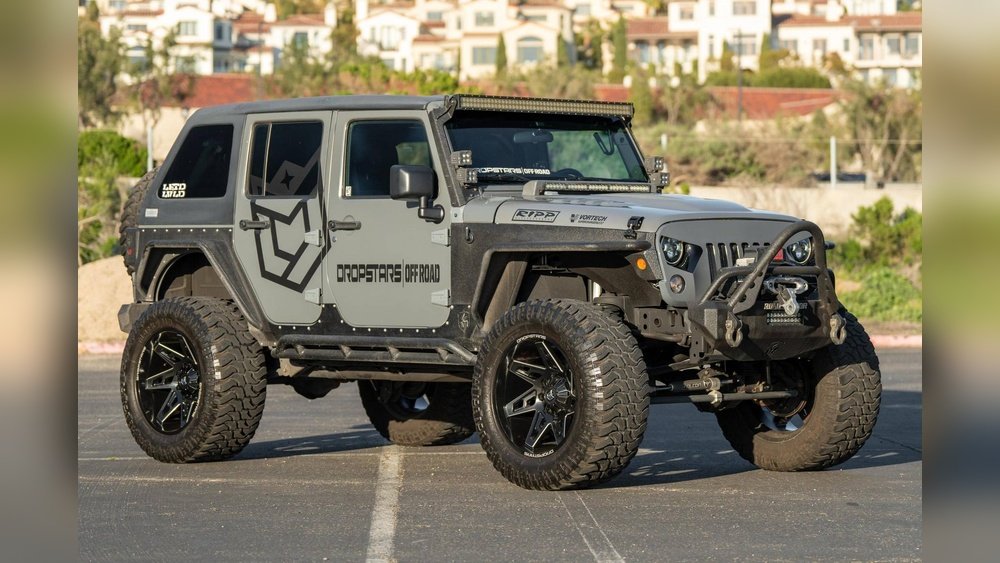
The Jeep Wrangler is built on a foundation of robust engineering designed for tackling tough terrain. The 2017 model year falls within the JK generation, which ran from 2007 to 2018. This generation brought significant updates over its predecessors while retaining the core principles of the Wrangler’s design. The 4-wheel drive system is central to its identity, providing drivers with the confidence to venture off the beaten path. Jeep offers different 4×4 systems, and understanding these is key to appreciating the Wrangler’s capabilities.
The standard Command-Trac NV241 GII system, found on most Sport and Sahara models, is a part-time system. It allows the driver to shift between 2WD High, 4WD High, and 4WD Low. This is ideal for everyday driving in 2WD High and engaging 4WD High when conditions get slippery, like on snow or gravel roads. 4WD Low is reserved for extreme off-road situations where maximum torque and slow speed control are needed, such as climbing steep hills or navigating rocky trails.
For those seeking even greater off-road prowess, the Rock-Trac NV241OR system is available on Rubicon models. This system is designed for serious rock crawling. It features a lower gear ratio in 4WD Low (4:1 compared to the Command-Trac’s 2.72:1), which multiplies engine torque significantly. This allows for very slow crawling speeds with excellent control, essential for navigating large obstacles without damaging the vehicle. Rock-Trac also typically comes with locking front and rear differentials, further enhancing its ability to maintain traction when one or more wheels are lifted off the ground.
Powertrain Options
Under the hood, the 2017 Jeep Wrangler is powered by a single, well-regarded engine: the 3.6L Pentastar V6. This engine delivers a healthy 285 horsepower and 260 lb-ft of torque. It’s known for its smooth power delivery and adequate performance for both on-road driving and off-road challenges. Paired with this engine are two transmission choices: a 6-speed manual and a 5-speed automatic.
The manual transmission offers a more engaging driving experience, allowing the driver to have precise control over gear selection, which can be beneficial in off-road situations. The automatic, while having fewer gears than some competitors, is still a capable unit that provides convenience for daily driving.
When paired with the 4WD Low range, the automatic transmission can also be very effective for crawling.
Body Styles And Trims
The 2017 Wrangler was available in two main body styles: the two-door Wrangler and the four-door Wrangler Unlimited. The two-door offers classic styling and a more nimble feel, making it easier to maneuver on tight trails. However, it has limited cargo space and rear-seat legroom. The Wrangler Unlimited, on the other hand, provides four doors, a more spacious cabin, and significantly more cargo capacity, making it a more practical choice for families or those who need to carry more gear.
Jeep offered several trim levels for 2017, each with varying features and off-road equipment. The primary trims include:
- Sport: The entry-level model, offering the core Wrangler experience with essential 4×4 capability.
- Sport S: Adds some comfort and convenience features over the Sport, like air conditioning and power windows.
- Sahara: A more upscale trim, often featuring body-colored fenders, larger wheels, and interior upgrades. It typically comes with the Command-Trac system but can be optioned with more robust features.
- Rubicon: The pinnacle of off-road performance. Rubicon models are equipped with the more advanced Rock-Trac 4×4 system, electronic locking differentials (front and rear), an electronic sway bar disconnect, and beefier axles for extreme trail use.
Key Features Of The 2017 Jeep Wrangler 4×4
The appeal of the Wrangler extends beyond its mechanical prowess; it’s also about the experience and the unique features that define it. The ability to customize and adapt the vehicle to different needs is a significant part of its charm.
Removable Doors And Top
One of the most iconic features of any Wrangler, including the 2017 model, is its removable doors and top. This allows owners to transform the vehicle into an open-air machine, perfect for enjoying good weather and connecting with the environment. The doors can be removed entirely, and the hardtop or soft-top can be taken off in sections or completely. This feature is not just for fun; it enhances the feeling of freedom and adventure that the Wrangler embodies. Removing the doors requires a specific process, typically involving disconnecting electrical harnesses for power windows and locks (if equipped), and then unbolting the hinges.
Interior Design And Comfort
While the Wrangler has always prioritized function over luxury, the 2017 model offered a reasonably comfortable and practical interior. The design is straightforward, with durable materials designed to withstand the rigors of off-road use and easy cleaning.
- Seating: Cloth seats are standard, offering good support. Leather upholstery was available on higher trims. The front seats are generally comfortable for long drives, while the rear seats in the two-door model can be cramped for adults. The Unlimited model offers much better rear-seat space.
- Infotainment: Standard audio systems were basic, but higher trims and optional packages included features like Uconnect touchscreen systems with navigation, Bluetooth connectivity, and satellite radio. Even the base systems were user-friendly.
- Storage: Cargo space in the two-door is limited, especially with the rear seats in place. The Wrangler Unlimited offers a much more practical cargo area, suitable for camping gear, groceries, or other essentials. Both models have useful storage compartments, including a lockable glove box and center console.
Off-road Specifics
The 2017 Wrangler is engineered from the ground up for off-road performance. Key features contributing to its capability include:
- High Ground Clearance: Essential for clearing obstacles on trails.
- Short Wheelbase (Two-Door): Aids in maneuverability on tight, winding trails and helps with breakover angles.
- Solid Front and Rear Axles: Unlike most modern vehicles that use independent suspension, the Wrangler uses solid axles. This design is robust and offers excellent articulation (flexibility) over uneven terrain, allowing wheels to maintain contact with the ground for better traction.
- Skid Plates: Protecting the underbody components like the fuel tank, transfer case, and transmission is crucial. The 2017 Wrangler comes with skid plates, especially on Rubicon models, to shield these vital parts from rocks and debris.
- Tow Hooks: Front and rear tow hooks are standard, providing attachment points for recovery situations.
Performance And Driving Experience
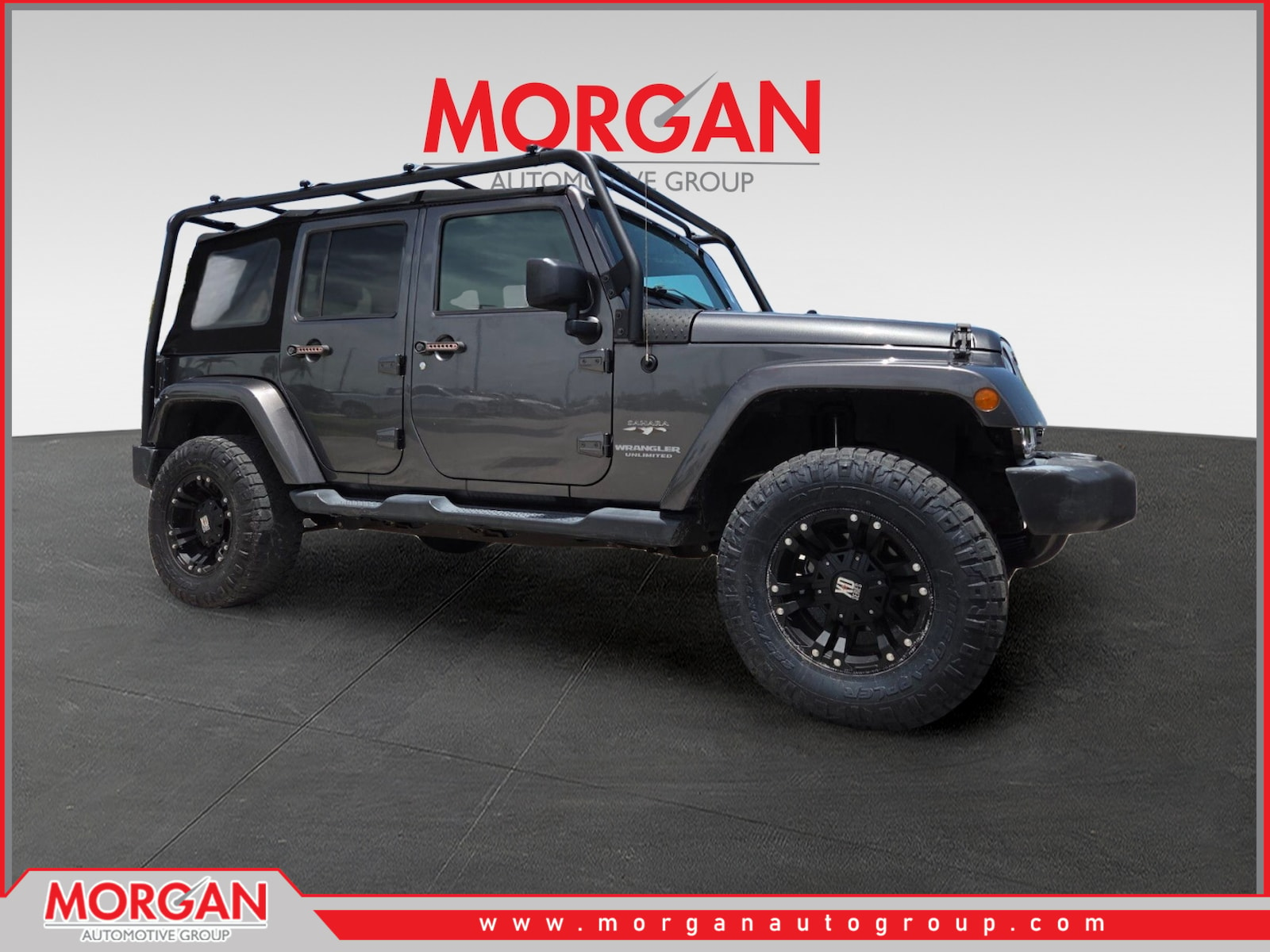
The driving experience of a Jeep Wrangler is unique, blending on-road civility with exceptional off-road prowess. It’s important to set expectations appropriately, as the Wrangler is not designed for the same refined on-road comfort as a typical SUV.
On-road Manners
On paved roads, the 2017 Wrangler provides a competent, though not luxurious, ride. The solid axles, while great for off-road articulation, can lead to a slightly more rugged ride compared to vehicles with independent suspension. You might feel more road imperfections.
Steering can also feel a bit vague at higher speeds, a characteristic of its robust off-road-focused steering system. Wind noise can be noticeable, especially with the hardtop, and even more so with the soft-top.
However, the 3. 6L Pentastar V6 provides enough power for confident acceleration and highway cruising.
Fuel economy is not a strong suit, with most models averaging in the mid-to-high teens for combined MPG.
Off-road Capability
This is where the Wrangler truly shines. Engaging the 4WD system is straightforward, and the vehicle feels planted and capable on various surfaces.
- Mud and Snow: With the appropriate tires, the Wrangler is excellent in mud and snow. The ability to lock the differentials (on Rubicon) provides unmatched traction when you need it most.
- Rocks and Trails: The Rubicon trim, with its Rock-Trac system, electronic locking differentials, and sway bar disconnect, is designed for extreme rock crawling. The low gear ratio in 4WD Low allows for extremely slow, controlled movement over obstacles, while the locking diffs ensure power goes to the wheels with grip. The articulation of the solid axles helps keep all four tires on the ground, maximizing traction.
- Water Fording: The Wrangler’s design allows for a decent water fording depth, though it’s always wise to check manufacturer specifications and be cautious. The air intake is positioned high, helping to prevent water ingestion.
Towing And Payload
The 2017 Wrangler is capable of towing, though its towing capacity is modest compared to larger SUVs. The two-door models typically have a towing capacity of around 2,000 lbs, while the Wrangler Unlimited (four-door) can tow up to 3,500 lbs.
Payload capacity also varies by model but is generally sufficient for carrying passengers and moderate cargo.
Comparing 2017 Jeep Wrangler Trims
Choosing the right trim level for a 2017 Jeep Wrangler depends heavily on your intended use. The differences between the trims are significant, especially concerning off-road equipment.
Here’s a look at what sets them apart:
| Feature / Trim | Sport | Sport S | Sahara | Rubicon |
|---|---|---|---|---|
| **4×4 System** | Command-Trac (Part-Time) | Command-Trac (Part-Time) | Command-Trac (Part-Time) | Rock-Trac (Full-Time) |
| **Transfer Case** | 2.72:1 Ratio | 2.72:1 Ratio | 2.72:1 Ratio | 4:1 Ratio |
| **Front Axle** | Dana 30 | Dana 30 | Dana 30 | Dana 44 Heavy-Duty |
| **Rear Axle** | Dana 35 | Dana 35 | Dana 44 | Dana 44 Heavy-Duty |
| **Locking Diffs** | No | No | No | Front & Rear Electronic |
| **Sway Bar Disconnect** | No | No | No | Electronic Front |
| **Tires** | All-Season | All-Season | All-Terrain | Mud-Terrain |
| **Wheels** | 16″ Steel | 17″ Aluminum | 18″ Aluminum | 17″ Polished Aluminum |
| **Fenders** | Black | Black | Body-Color | Black |
| **Skid Plates** | Basic | Basic | Basic | Full Underbody |
- Sport: This is the most basic configuration. It’s ideal for those who want to customize their Wrangler extensively, adding aftermarket parts for suspension, wheels, tires, and more. It provides the fundamental Jeep experience at the lowest price point.
- Sport S: Offers a modest upgrade in comfort and convenience. If you want features like power windows and air conditioning without going for a higher trim, the Sport S is a good middle ground. It still provides a solid platform for customization.
- Sahara: This trim leans more towards on-road comfort and appearance while retaining significant off-road capability. The body-colored fenders give it a more refined look, and it often includes nicer interior appointments. It’s a good choice for those who want a Wrangler that can handle weekend off-roading but also serve as a more comfortable daily driver.
- Rubicon: This is the ultimate off-road machine from the factory. If your primary goal is to tackle challenging trails, rock crawl, or simply have the most capable Wrangler available without modifications, the Rubicon is the clear choice. The electronic lockers and sway bar disconnect are game-changers for serious off-roading.
Considerations For The 2017 Model Year
When looking at a 2017 Jeep Wrangler, it’s important to remember it’s part of the JK generation. This means it benefits from the improvements made over the years but also shares some characteristics common to that era.
- Reliability: The 3.6L Pentastar V6 engine is generally considered reliable. However, like any vehicle, maintenance history is crucial. Check for regular oil changes, fluid flushes, and any signs of wear on the suspension and drivetrain, especially if the vehicle has been heavily used off-road.
- Common Issues: Some common issues reported for JK Wranglers include leaks (especially around the windshield and hardtop seals), potential for the infamous “death wobble” (a violent shaking of the steering wheel at speed, often caused by worn steering or suspension components), and occasional issues with the electronic components. These are not exclusive to the 2017 model but are worth being aware of.
- Aftermarket Support: The Jeep Wrangler has arguably the largest aftermarket support of any vehicle. This means parts and accessories for customization, repair, or enhancement are readily available. Whether you want bigger tires, a lift kit, better bumpers, or interior upgrades, you’ll find countless options. This is a significant advantage for owners.

Maintaining Your 2017 Jeep Wrangler 4×4
Proper maintenance is key to ensuring your 2017 Jeep Wrangler 4×4 remains reliable and capable for years to come, especially if you plan to use it off-road.
Routine Maintenance
- Oil Changes: Follow the manufacturer’s recommended schedule for oil and filter changes. If you drive in dusty conditions or frequently use your Wrangler for off-roading, consider more frequent changes.
- Fluid Checks: Regularly check and top off all essential fluids, including coolant, brake fluid, power steering fluid, and windshield washer fluid.
- Tire Rotation and Balancing: This