Swapping wheels between different car models is a common practice for car enthusiasts looking to change their vehicle's look or improve its performance. When it comes to putting Jeep wheels on a Crown Victoria, it’s a modification that sparks curiosity.
The Crown Victoria, a beloved full-size sedan, and Jeep vehicles, known for their off-road prowess, seem worlds apart. Yet, with the right approach, this unique combination can be achieved, offering a distinct aesthetic and potential functional benefits.
This guide explores the feasibility, challenges, and considerations involved in this unconventional wheel swap.
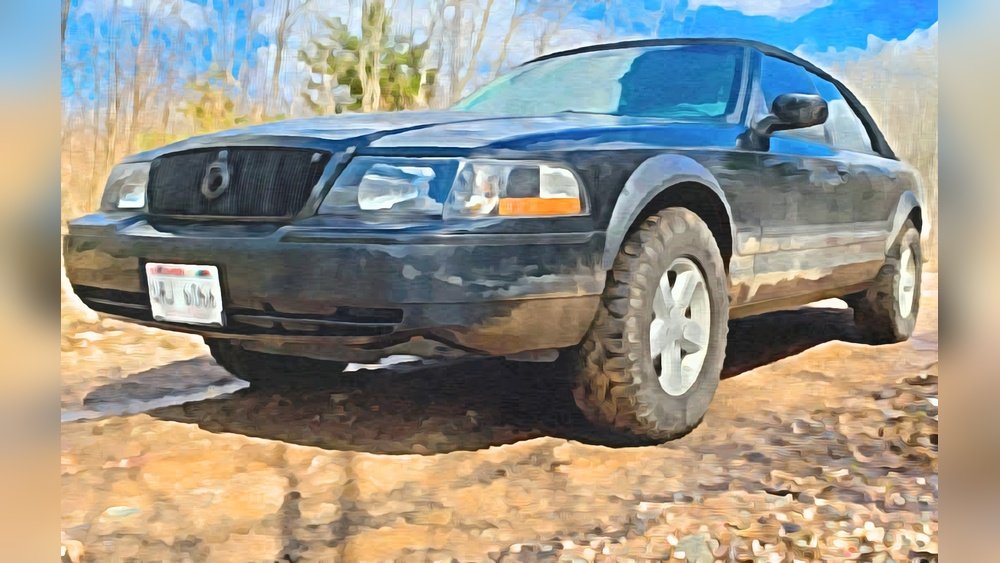
The appeal of mixing Jeep wheels with a Crown Victoria lies in creating a custom look that stands out. Jeep wheels, often larger and more rugged in design, can give the Crown Victoria a more imposing stance.
This modification isn't just about looks; it can also involve changes to suspension and other components, making it a complex project.
Understanding the technical aspects, such as bolt patterns, offsets, and tire sizes, is crucial for a successful and safe installation. We will break down what you need to know to make this dream a reality, from initial research to final installation.
Understanding The Basics: Crown Victoria And Jeep Wheel Specifications
Before diving into the actual swap, it’s essential to understand the wheel specifications of both the Ford Crown Victoria and typical Jeep vehicles. This foundational knowledge will highlight the challenges and necessary modifications.
Ford Crown Victoria Wheel Specifications
The Ford Crown Victoria, produced from 1992 to 2011, generally uses a 5×114.3mm (5×4.5 inch) bolt pattern. This is a very common pattern found on many Ford vehicles, as well as some other manufacturers. The stock wheel size typically ranges from 16 to 18 inches in diameter, with an offset that is designed for the sedan’s suspension and body style. The stock offset is usually around +45mm to +55mm. This means the mounting surface of the wheel is further out from the centerline of the wheel.
The hub bore size for the Crown Victoria is 70.5mm. This is the diameter of the hole in the center of the wheel that fits over the vehicle’s hub. While the bolt pattern is common, the hub bore size is specific and important for proper wheel centering and reducing stress on the wheel studs.
Jeep Wheel Specifications
Jeep vehicles have a more varied history with wheel specifications, especially when considering different models and generations. However, many modern Jeeps, particularly the Wrangler and Grand Cherokee models, commonly use a 5x127mm (5×5 inch) bolt pattern. Some older models or specific trims might have different patterns, but 5×5 is a prevalent one that immediately presents a conflict with the Crown Victoria’s 5×4.5 pattern.
The hub bore size on many Jeep models is 71.5mm. This is very close to the Crown Victoria’s 70.5mm, which is a good sign for potential compatibility, though a slight difference still needs careful consideration. Jeep wheels also tend to have different offset values, often ranging from +35mm to +44mm, and sometimes even lower for aftermarket off-road wheels. This lower or negative offset pushes the wheel further out from the vehicle’s hub, which can be beneficial for clearing larger tires or suspension components but can also lead to rubbing issues with the fender or bodywork.
The Core Challenge: Bolt Pattern Mismatch
The most significant hurdle in putting Jeep wheels on a Crown Victoria is the difference in bolt patterns. As noted, the Crown Victoria typically uses a 5×114.3mm pattern, while many popular Jeep models use a 5x127mm pattern. These patterns are not directly compatible.
Solutions For Bolt Pattern Mismatch
Fortunately, there are ways to bridge this gap:
- Wheel Adapters/Spacers: This is the most common solution. Wheel adapters are essentially thick spacers that bolt onto the original wheel hub and provide a new set of studs with the desired bolt pattern. For example, you could use adapters that are 5×114.3mm on the car side and 5x127mm on the Jeep wheel side.
- Thickness Matters: Adapters come in various thicknesses. Thicker adapters push the wheel further out, increasing the track width. This can help clear suspension components or larger brakes but can also lead to rubbing against the fenders. You need to choose a thickness that balances compatibility with aesthetics and avoids mechanical issues.
- Material and Quality: It’s crucial to use high-quality adapters made from strong materials like T6 aluminum or steel. Cheap adapters can be a safety hazard, potentially leading to wheel separation. Always buy from reputable brands.
- Hub Centricity: Good adapters should be hub-centric, meaning they have a lip that matches the vehicle’s hub bore and a corresponding lip for the wheel’s hub bore. This ensures the wheel is centered correctly on the adapter, reducing vibration and stress on the studs.
- Custom Wheels: Another option is to purchase aftermarket wheels that are *designed* to fit both bolt patterns or can be ordered with the specific bolt pattern and offset required. While this bypasses the need for adapters, custom wheels can be significantly more expensive.
- Redrilling Hubs (Not Recommended): In some rare cases, people consider redrilling the original hubs to match the new bolt pattern. This is a highly complex and potentially dangerous modification. It requires precision machining and can compromise the structural integrity of the hub. It’s generally advised against for safety reasons.

Beyond The Bolt Pattern: Other Critical Fitment Factors
Even after addressing the bolt pattern, several other factors must be considered to ensure the Jeep wheels fit correctly and function safely on your Crown Victoria.
Offset And Backspacing
Offset refers to the distance between the wheel’s mounting surface and its centerline. A positive offset (like the Crown Victoria’s stock +45mm to +55mm) means the mounting surface is closer to the outside of the wheel. A negative offset pushes the wheel outward. Jeep wheels often have a lower positive offset or even a negative offset.
Backspacing is the distance from the back of the wheel mounting surface to the outside edge of the wheel. It’s closely related to offset and plays a critical role in determining clearance.
- Impact on Clearance:
- Fender Clearance: A lower offset or negative offset, common on Jeep wheels, will push the wheel further out. If the offset is too low, the tire can rub against the fender lip, especially when turning or going over bumps.
- Suspension Clearance: On the inside, a wheel with too much positive offset or insufficient backspacing can hit suspension components like control arms or brake calipers. Conversely, a wheel pushed too far out by adapters or low offset can hit the fenders.
- Modifications Needed: You might need to roll or trim your fenders to accommodate wheels that sit further out. Sometimes, suspension modifications or even a lift kit might be necessary, especially if you’re aiming for larger tires.
Tire Size And Overall Diameter
Jeep wheels are often paired with larger, more aggressive tires designed for off-roading. When fitting these to a Crown Victoria, you need to consider the overall tire diameter and width.
- Speedometer Accuracy: The car’s speedometer is calibrated for the stock tire diameter. If you significantly increase the overall tire diameter, your speedometer will read lower than your actual speed.
- Gearing: Larger tires can effectively change your vehicle’s gear ratio, making it feel slower off the line and potentially affecting fuel economy.
- Fender and Body Clearance: This is perhaps the most critical aspect. Larger tires, combined with the potentially altered offset of Jeep wheels, can easily rub against the fender liners, fenders, and even the frame or suspension components.
- How to Check: Measure the clearance between your current tires and the fenders, suspension, and frame. Then, compare this to the dimensions of the Jeep wheel and tire combination you plan to use. Remember to account for suspension travel and steering angle.
- Common Tire Sizes: For a Crown Victoria, popular aftermarket sizes that are often manageable without extreme modifications might be in the 255/45R18 or 255/50R17 range. Jeep tires can easily exceed this, with sizes like 285/70R17 or even larger.
Hub Bore Compatibility
As mentioned, the Crown Victoria has a 70. 5mm hub bore, and many Jeeps have a 71.
5mm hub bore. While this difference is small (only 1mm), it's important for proper fitment.
- Importance of Hub Centricity: A hub-centric fit ensures the wheel is perfectly centered on the hub, distributing the load evenly and preventing vibrations. If the Jeep wheel’s hub bore is larger than the Crown Victoria’s hub, the wheel will rely solely on the lug nuts for centering.
- Solutions:
- Hub Rings: You can use hub-centric rings that fit into the Jeep wheel’s larger bore on one side and match the Crown Victoria’s hub diameter on the other. These are inexpensive plastic or metal rings that ensure proper centering.
- Machining: Alternatively, a machine shop could potentially bore out the Crown Victoria’s hubs to 71.5mm, but this is a more involved process. For most DIYers, hub rings are the practical solution.
Visualizing The Look: Aesthetics And Stance
One of the primary motivations for this swap is the unique aesthetic it can create. Jeep wheels often have a more aggressive, utilitarian, or rugged appearance compared to the typically more refined wheels found on sedans.
The “raked” Or “tuck” Look
When fitting larger or wider wheels with different offsets, you can achieve various looks:
- Aggressive Stance: Lower offset Jeep wheels push the tires outward, giving the Crown Victoria a wider, more planted stance. This can make the car look more muscular and powerful.
- “Raked” Look: If you opt for larger tires on the rear than the front, you can create a traditional “hot rod” or “pro-street” rake, with the rear end sitting higher.
- The “Tuck”: Conversely, if the wheels are too far inward (due to high positive offset), they might sit too far into the wheel wells, creating a “tucked” look that some enthusiasts dislike. Adapters can help prevent this.
Wheel Design Choices
Jeep wheels come in a vast array of designs:
- Classic Steel Wheels: Simple, durable, and often found on older Jeeps or base models. These can give the Crown Victoria a retro, utilitarian vibe.
- Alloy Wheels: Many modern Jeeps feature stylish alloy wheels with intricate spoke designs. These can offer a more premium or sporty look.
- Off-Road Specific Wheels: Wheels designed for extreme off-roading often have beadlocks (or simulated beadlocks), deep dish designs, and rugged finishes. These can create a very bold, adventurous statement on a Crown Victoria.
Paint And Finish
Consider how the finish of the Jeep wheels will complement the Crown Victoria’s paint color. Black wheels are a popular choice for a stealthy or aggressive look, while polished or chrome wheels can add a touch of class.

Practical Considerations And Potential Issues
Beyond fitment, there are practical aspects to consider, including cost, legality, and potential performance impacts.
Cost Of The Swap
The cost can vary significantly depending on your approach:
- Used Wheels: Finding a good set of used Jeep wheels can be relatively inexpensive.
- New Aftermarket Wheels: If you opt for new Jeep-style wheels designed for other vehicles or custom-built wheels, the cost can range from several hundred to several thousand dollars.
- Adapters/Spacers: Quality adapters can cost anywhere from $100 to $400 for a set of four.
- Tires: New tires will add to the overall expense.
- Labor and Modifications: If you’re not doing the work yourself, factor in installation costs, potential fender rolling, or other bodywork.
Legality And Safety
- Fender Rubbing: Wheels and tires that rub against the fenders or bodywork are not only unsightly but can also be a safety hazard, potentially damaging the tires or causing unpredictable handling.
- Track Width: Significantly widening the track width with adapters or low-offset wheels can affect steering geometry and may be subject to local regulations.
- Wheel Studs and Lug Nuts: Ensure you use the correct lug nuts for both the adapters and the wheels. The wrong type can strip threads or not seat properly, leading to wheel loosening. Always torque lug nuts to the manufacturer’s specifications.
- Quality of Components: As stressed before, using high-quality adapters and ensuring all components are properly installed is paramount for safety. A wheel coming off at speed is catastrophic.
Performance And Handling
- Weight: Jeep wheels, especially steel ones, can be heavier than stock Crown Victoria wheels. Increased unsprung weight can negatively impact acceleration, braking, and ride quality. Lighter alloy wheels can mitigate this.
- Ride Comfort: Larger, stiffer tires often found on Jeep wheels can lead to a harsher ride on the pavement.
- Fuel Economy: Heavier wheels and larger tires generally reduce fuel efficiency.
- Braking: Ensure the Jeep wheels have enough clearance for the Crown Victoria’s brake calipers. Some larger performance brake kits might not fit behind certain wheel designs.
Step-by-step Installation Process (hypothetical)
Assuming you have chosen your Jeep wheels and necessary adapters, here’s a general outline of the installation process. This should be performed by someone with mechanical experience or by a professional shop.
- Preparation:
- Gather all necessary tools: Jack, jack stands, lug wrench, torque wrench, socket set, potentially a breaker bar, and safety glasses.
- Ensure the vehicle is on a level surface and the parking brake is engaged.
- Safely lift the vehicle using a jack and secure it with jack stands under the frame. Never work under a vehicle supported only by a jack.
- Remove Stock Wheels:
- Loosen the lug nuts on the stock wheels.
- Fully remove the lug nuts and carefully take off the wheels.
- Install Adapters (if applicable):
- Clean the hub surface of the Crown Victoria.
- Bolt the adapter onto the Crown Victoria’s hub using the provided studs and lug nuts. Torque these to the adapter manufacturer’s specifications. Ensure the adapter is seated flush against the hub.
- Mount Jeep Wheels:
- If using hub rings, place them into the bore of the Jeep wheel.
- Carefully mount the Jeep wheel onto the adapter



















