Understanding Jeep Warning Lights With A Circle: What They Mean And What To Do
Your Jeep is more than just a vehicle; it's a symbol of adventure and freedom. When a warning light illuminates on your dashboard, it can be a source of anxiety, especially if it has a circle around it.
These lights are your car's way of communicating, and understanding them is crucial for keeping your Jeep running smoothly and safely.
Many Jeep warning lights feature a circular element, often with other symbols inside or around it, indicating a specific system is alerting you. Ignoring these signals can lead to minor issues becoming major, expensive repairs, or worse, compromising your safety on the road or trail.
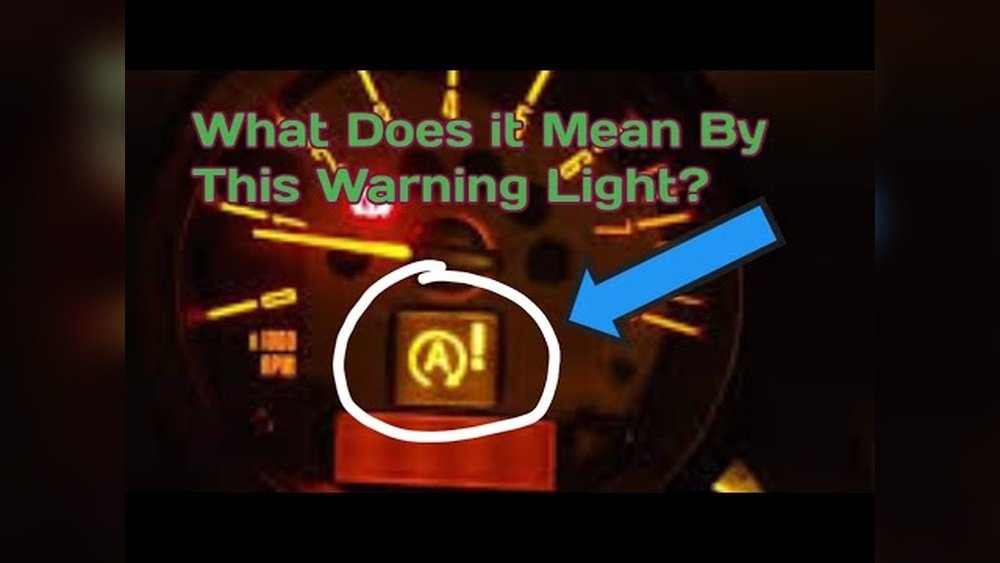
This guide will help you decipher those circular warning lights, understand their potential causes, and know the best course of action to take.
The Language Of Dashboard Lights
Dashboard warning lights are standardized across most vehicles, but their specific appearance and meaning can vary slightly between manufacturers. The circle is a common design element that often signifies a system related to tire pressure, brakes, or stability control. These systems are vital for your vehicle’s safety and performance. When a light illuminates, it’s not a cause for immediate panic, but it does demand your attention. Think of them as your Jeep’s way of asking for a check-up.
The color of the warning light is also important. Generally, amber or yellow lights indicate a less urgent issue that requires attention soon. Red lights, on the other hand, signal a more serious problem that needs immediate action. A light with a circle can appear in either color, so understanding the context of the symbol within the circle is key.
Decoding Common Circular Warning Lights In Your Jeep
Jeep vehicles, like many others, use a variety of symbols to communicate system status. When a circle is involved, it often relates to the following systems:
Tire Pressure Monitoring System (tpms) Light
This is perhaps the most common circular warning light you’ll encounter. The Tire Pressure Monitoring System (TPMS) light typically looks like a flat tire with an exclamation mark inside a horseshoe-shaped circle.
- What it means: This light illuminates when one or more of your tires are significantly underinflated. Low tire pressure can affect your Jeep’s handling, braking, fuel efficiency, and tire wear. In extreme cases, it can lead to a blowout.
- Causes:
- Underinflation: The most straightforward cause is simply not enough air in your tires. This can happen gradually over time as tires naturally lose air, or more rapidly due to temperature changes.
- Slow Leaks: A small puncture in the tire tread or sidewall can cause a slow leak.
- Faulty Sensor: Each tire has a TPMS sensor that monitors its pressure. If one of these sensors malfunctions or its battery dies, it can trigger the warning light.
- Recent Tire Change: Sometimes, after a tire rotation or replacement, the TPMS sensors may need to be reset.
- Extreme Temperature Drops: Colder weather causes tire pressure to decrease. If your tires are at the lower limit of their recommended pressure, a cold snap can easily trigger the light.
- What to do:
- Check Tire Pressure: The very first step is to check the air pressure in all your tires using a reliable tire pressure gauge. You can find the recommended pressure on a sticker usually located on the driver’s side doorjamb or in your owner’s manual.
- Inflate Tires: If any tires are low, inflate them to the recommended pressure.
- Drive a Short Distance: After inflating, the TPMS light may turn off on its own after you drive for a few minutes. The system needs to sense the correct pressure to confirm the issue is resolved.
- Consult Manual/Dealer: If the light stays on, check your owner’s manual for specific reset procedures. If it persists, or if you have a slow leak, have your tires inspected by a mechanic. A faulty sensor will also require professional diagnosis.
Pro Tip: Always check your tire pressure when the tires are cold (meaning the vehicle hasn’t been driven for at least three hours or has been driven less than a mile at moderate speed). This gives you the most accurate reading.
Anti-lock Braking System (abs) Light
The Anti-lock Braking System (ABS) light often appears as the letters “ABS” within a circle, or sometimes a circle with the letters “ABS” inside.
- What it means: This light indicates a problem with your ABS. The ABS is a critical safety system that prevents your wheels from locking up during hard braking, allowing you to maintain steering control. When this light is on, your ABS may not be functioning, though your regular brakes will still work.
- Causes:
- Sensor Malfunction: The ABS relies on wheel speed sensors to monitor rotation. If one of these sensors is dirty, damaged, or faulty, it can trigger the light.
- Low Brake Fluid: While less common for ABS specifically, critically low brake fluid can sometimes affect ABS operation.
- Fuse Issues: A blown fuse related to the ABS system can cause it to deactivate.
- Control Module Failure: The ABS control module itself could be malfunctioning.
- Wiring Problems: Damaged or corroded wiring to the ABS components can disrupt communication.
- What to do:
- Check Brake Fluid: Ensure your brake fluid level is within the recommended range. If it’s low, this could also indicate a leak in your braking system, which is a serious issue.
- Inspect for Obvious Damage: Look for any visible damage to the wheel speed sensors or wiring harnesses.
- Do Not Ignore: While your regular brakes will still function, you lose the benefit of anti-lock capability. This is especially dangerous in slippery conditions or during emergency stops.
- Seek Professional Help: The ABS system is complex. It’s best to have a qualified mechanic diagnose the issue. They can use specialized tools to read ABS fault codes and pinpoint the exact problem.
Electronic Stability Control (esc) / Traction Control (tc) Light
Many Jeeps use symbols that combine elements of stability and traction control, often featuring a vehicle with wavy lines behind it, sometimes within a circle. The Electronic Stability Control (ESC) and Traction Control (TC) systems work together to help you maintain control of your vehicle, especially in slippery conditions.
- What it means:
- Flashing Light: If this light flashes while you’re driving, it means the ESC or TC system is actively working to prevent a loss of traction. This is normal behavior.
- Solid Light: If the light remains on solid, it indicates a fault within the ESC or TC system, or that the system has been manually turned off.
- Causes for a Solid Light:
- System Deactivation: You might have accidentally pressed the button to turn off ESC/TC. Check your dashboard for a button labeled “ESC OFF” or similar.
- Faulty Sensors: Similar to ABS, ESC and TC rely on wheel speed sensors and other inputs (like steering angle sensors). A faulty sensor can cause the system to malfunction.
- Low Tire Pressure: In some vehicles, severely low tire pressure can trigger ESC/TC warnings, as it affects traction.
- Brake System Issues: Problems with the brake system, including low fluid or ABS faults, can sometimes cause ESC/TC lights to come on.
- Powertrain Issues: Less commonly, issues with the engine or transmission can impact the ESC/TC system.
- What to do:
- Check for Manual Deactivation: First, ensure you haven’t accidentally turned the system off. Try pressing the ESC OFF button to re-enable it.
- Check Tire Pressure: Ensure all tires are properly inflated.
- Observe Driving Conditions: If the light came on during slippery conditions, it might have been the system working. If it stays on after you’re on normal roads, there’s likely a fault.
- Consult Mechanic: If the light remains on after checking tire pressure and ensuring the system isn’t manually off, it’s time for a professional diagnosis.
Other Less Common Circular Warning Lights
While TPMS, ABS, and ESC/TC are the most frequent culprits, other less common lights might incorporate a circle:
- Brake System Warning Light (Red): This light usually looks like an exclamation mark inside a circle with parentheses on either side (like `(! )`) or sometimes just an exclamation mark. While it can indicate ABS issues, a red version of this light often signals a more serious problem with the entire braking system, such as extremely low brake fluid or a hydraulic failure. If this red light illuminates, stop driving immediately and have your vehicle towed to a mechanic.
- Low Washer Fluid Light: Some Jeeps might have a symbol that looks like a windshield with a small splash and a circle around it, indicating low windshield washer fluid. This is not a critical safety issue but should be topped up for visibility.
- Adaptive Cruise Control (ACC) System Fault: More advanced Jeeps with ACC might have a circular warning light related to the system’s sensors or functionality if there’s an issue.
The Importance Of Owner’s Manual
Your Jeep's owner's manual is your ultimate guide. It contains detailed descriptions of every warning light specific to your model year.
If you're ever unsure about a symbol, consult your manual first. It will provide precise explanations and recommended actions.
You can usually find a section dedicated to dashboard indicator lights.
When To Seek Professional Help
While some warning lights, like the TPMS, can often be resolved by the driver, others require professional attention. You should always seek help from a qualified mechanic if:
- Red Lights Illuminate: Any red warning light indicates a potentially serious problem that could affect safety or cause significant damage.
- Lights Persist: If a warning light stays on after you’ve taken the recommended steps (like inflating tires or checking fluid levels), there’s likely an underlying issue.
- Multiple Lights Appear: If several warning lights illuminate simultaneously, it suggests a more complex problem.
- Unusual Vehicle Behavior: If you notice changes in how your Jeep drives, brakes, or handles along with a warning light, don’t delay seeking service.
- ABS or ESC/TC Lights: These systems are critical for safety. Any malfunction should be addressed promptly by a professional.
Mechanics have specialized diagnostic tools that can read fault codes from your Jeep’s onboard computer. These codes provide specific information about the system that is malfunctioning, allowing for a more accurate and efficient repair.
Understanding The Costs Associated With Warning Lights
The cost of repairing issues indicated by warning lights can vary widely.
- TPMS Sensor Replacement: A single TPMS sensor can cost anywhere from $50 to $100 or more, plus installation labor. Some systems require programming after replacement.
- ABS Sensor Replacement: An ABS wheel speed sensor might cost between $50 and $150 for the part, with labor adding to the total.
- Brake System Repairs: Depending on the issue (e.g., fluid leak, faulty component), brake repairs can range from a few hundred dollars to over a thousand, especially if multiple components need replacement.
- ESC/TC System Issues: Diagnosing and repairing complex electronic systems can be more expensive, potentially running into several hundred dollars or more, depending on the faulty component.
Regular maintenance and addressing minor issues promptly can often prevent these costs from escalating. For example, keeping tires properly inflated not only saves fuel but also extends tire life and can prevent unnecessary TPMS warnings.
Proactive Maintenance To Prevent Warning Lights
The best way to deal with warning lights is to prevent them from appearing in the first place. Here are some proactive measures:
- Regular Tire Inspections: Check your tire pressure weekly and inspect tires for wear and damage.
- Scheduled Maintenance: Follow your Jeep’s recommended maintenance schedule for brake fluid flushes, tire rotations, and general inspections.
- Listen to Your Vehicle: Pay attention to any unusual noises, changes in braking feel, or handling quirks. These can be early indicators of a problem.
- Keep it Clean: Ensure sensors, especially wheel speed sensors, are not caked in mud or debris, which can sometimes interfere with their function.
- Use Quality Parts: When replacing tires or brake components, opt for quality parts. Poor-quality parts can fail prematurely and lead to warning lights.
A Personal Experience With A Tpms Light
I remember one time on a long road trip, my Jeep’s TPMS light came on. It was a cold morning, and I hadn't checked the pressure before leaving.
My first thought was a flat tire, which is always a worry on a remote highway.
I pulled over safely and, thankfully, had a portable tire inflator. I checked each tire.
Two were a bit low, but one was significantly underinflated. After topping them all up to the correct pressure, the light didn't go off immediately.
I drove for about 15 minutes, and then, just like magic, the light disappeared. It was a good reminder that sometimes it’s just the temperature or natural air loss, and a simple fix can resolve it.
But it also taught me to always check pressure before long journeys, especially with changing weather.
The Role Of Technology In Modern Jeeps
Modern Jeeps are equipped with sophisticated computer systems that monitor various aspects of the vehicle. Warning lights are just one output of these systems.
When a light comes on, it means a sensor has detected a reading outside the normal operating parameters.
This technology is designed to enhance safety and reliability, but it also means that sometimes the issue might be with the sensor itself rather than the component it’s monitoring.
For instance, a faulty steering angle sensor could potentially trigger an ESC warning, even if the steering system is mechanically sound. This is why professional diagnosis with the right tools is often essential for accurate troubleshooting.
Common Misconceptions About Warning Lights
- “It’s just a sensor, it’s fine.” While sometimes true, a faulty sensor can also mean a genuine problem is being masked. It’s crucial to verify the system’s actual health.
- “I can drive with the ABS light on.” Yes, your regular brakes will work, but you lose a critical safety feature. It’s generally not advisable to drive extensively with the ABS light on, especially if you anticipate needing to brake hard or in adverse conditions.
- “The TPMS light always means a flat tire.” As discussed, it can mean low pressure, a slow leak, or a sensor issue. Always check pressure first.