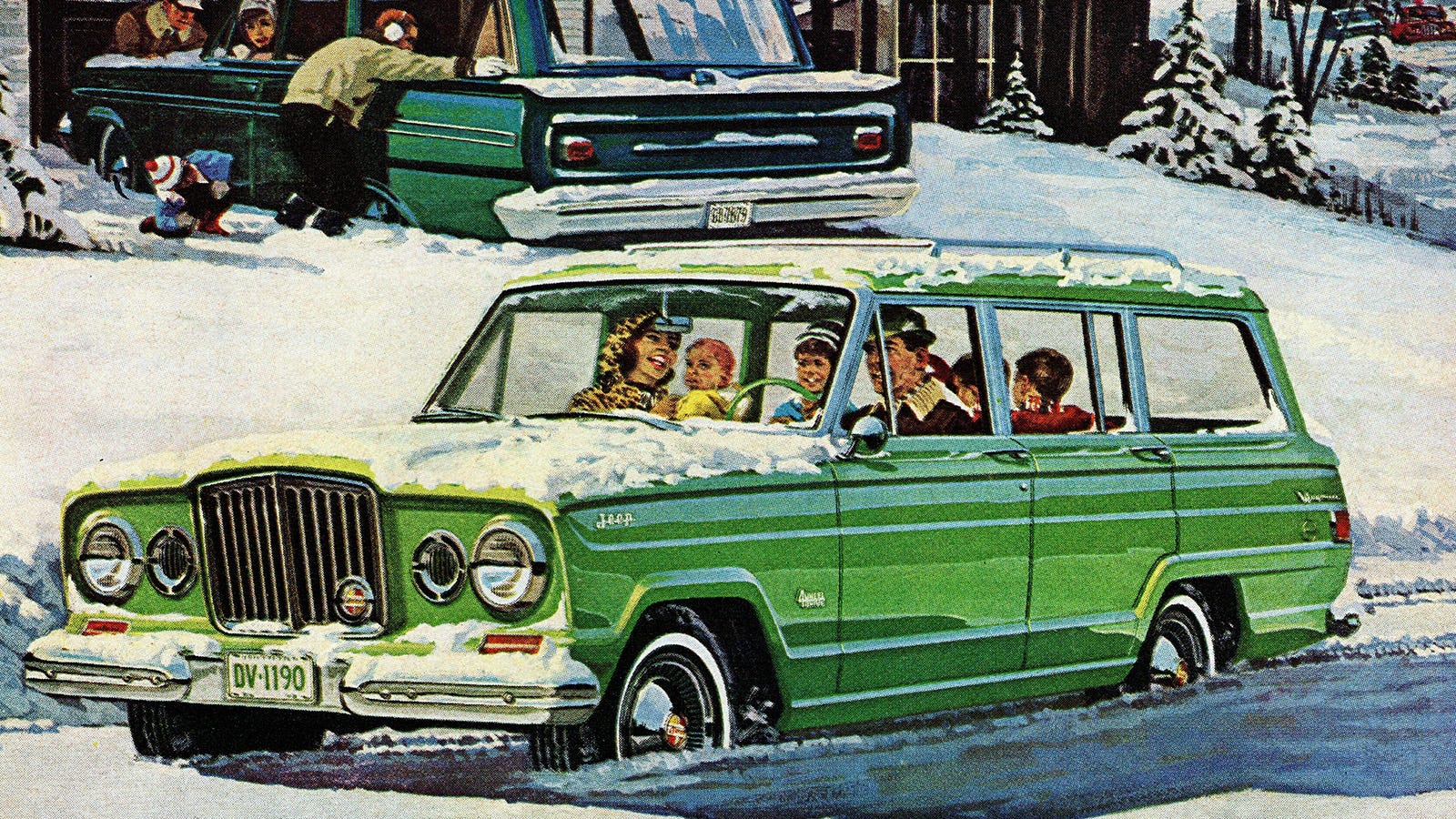
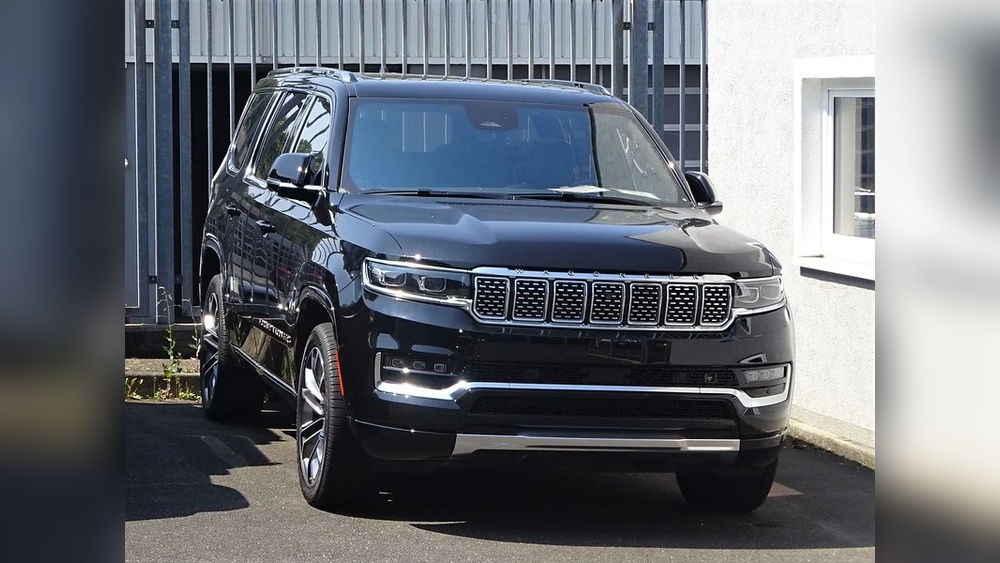
The Jeep Wagoneer is one of those classic SUVs that has seen a major comeback in recent years. Known for its ruggedness, luxury touches, and family-friendly design, it’s a favorite for drivers who want both capability and comfort.
But like any vehicle that’s been around for decades, not every Wagoneer model year is a winner. If you’re considering buying a used Wagoneer, it’s smart to know which years to avoid—and why.
Why Some Jeep Wagoneer Years Are Best Avoided
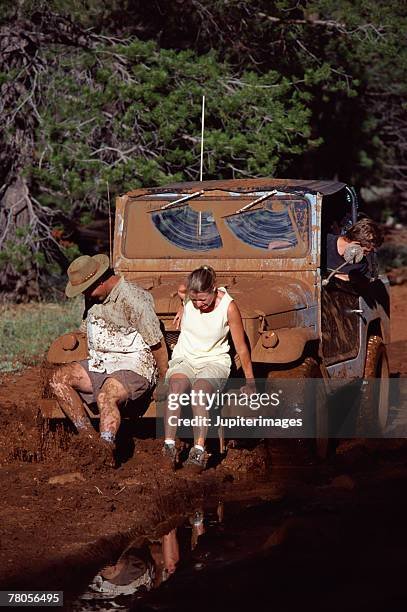
Every car brand has its ups and downs, and Jeep is no exception. Some Wagoneer model years struggled with reliability, high ownership costs, or design flaws that made life harder for owners. These problems can mean more time in the shop, expensive repairs, and even safety concerns.
Problems often come from:
- Engine or transmission failures
- Electrical system glitches
- Poor fuel economy
- Expensive parts and repairs
- Troublesome recalls
Looking at real-world owner reports, expert reviews, and recall data can help you steer clear of the most troublesome years.
Jeep Wagoneer Model Years To Avoid
While the Wagoneer name stretches back to the 1960s, most concerns focus on two eras: the classic Wagoneer (1963–1991) and the modern Wagoneer (2026–present). Here’s a closer look at which years are best left off your shopping list.
1. 1984–1986 Jeep Grand Wagoneer
These three years are often flagged as the most problematic among classic Wagoneers. Owners reported:
- Engine stalling at idle and during acceleration
- Transmission slipping and hard shifting
- Rust issues in the body and frame
Parts for these years are also harder to find, making repairs expensive. The carbureted V8 engines and aging electronics add to the headaches.
2. 1989 Jeep Grand Wagoneer
The 1989 model had a spike in engine and electrical problems. Common complaints included:
- Failing window motors
- Leaking rear main seals
- Frequent alternator failures
This model year also suffered from poor build quality, likely due to changes in Jeep’s ownership at the time.
3. 2026 Jeep Wagoneer/grand Wagoneer
After decades away, the Wagoneer returned in 2026—but not without issues:
- Infotainment system glitches (screen freezing, failed updates)
- Air suspension failures
- Transmission hesitation
Many of these issues were covered by recalls, but early adopters faced frustrating trips to dealerships. Software updates have solved some problems, but not all.
Here’s a quick comparison of major problem areas for the three worst model years:
| Model Year | Major Problems | Repair Cost (avg.) |
|---|---|---|
| 1984–1986 | Engine, transmission, rust | $1,200–$4,000 |
| 1989 | Electrical, oil leaks, alternator | $900–$3,000 |
| 2026 | Infotainment, suspension, transmission | $800–$2,500 |
What Makes These Years Especially Risky?
Buying a Wagoneer from one of these years can mean big headaches. Here’s why:
- Outdated technology: Classic Wagoneers have older carburetors and electronics that need more care.
- Parts shortages: For older models, finding original or good-quality replacement parts is a challenge.
- Unresolved recalls: Especially for the 2026 model, not all recalls have permanent fixes.
- Depreciation: Newer Wagoneers from troubled years lose value faster, making resale harder.
One non-obvious risk: insurance costs can be higher for Wagoneers from bad years, due to higher claims rates.
Better Jeep Wagoneer Years To Consider
Not every Wagoneer is a risk. Some years stand out for reliability, comfort, and owner satisfaction. If you want the classic look with fewer headaches, consider these model years:
| Model Year | Why It’s Better |
|---|---|
| 1987–1988 | Improved engine reliability, less rust |
| 1990–1991 | Final years, best build quality, improved features |
| 2026 | Software updates, fewer recalls, more refined ride |
If you’re drawn to the modern Wagoneer, the 2026 model addresses many of the 2026’s early issues. For classics, the late-1980s models are easier to live with and hold their value well.
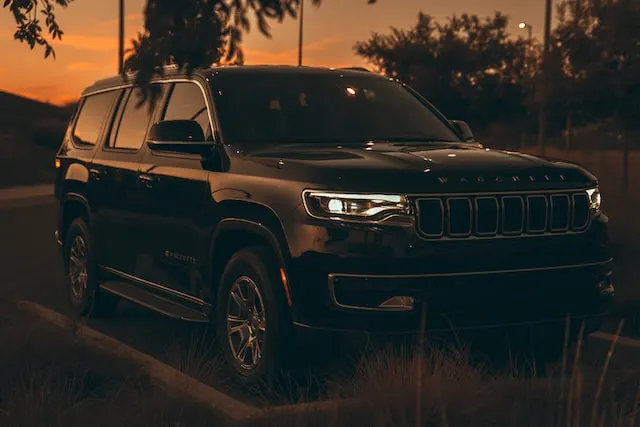
Key Factors When Buying A Used Jeep Wagoneer
If you’re set on a Wagoneer, here’s what really matters:
- Maintenance records: Only buy if you can see a full history. Regular oil changes and repairs are crucial.
- Rust inspection: Especially for older models, check under the body and in wheel wells.
- Electronics test: Try every switch, window, and the infotainment system. Faulty electronics can be pricey to fix.
- Recall status: Ask if all recalls have been addressed. This is essential for 2026 models.
- Professional inspection: Never skip a pre-purchase inspection by a trusted mechanic.
A surprising tip: Some owners retrofit modern fuel injection into older Wagoneers, which improves both reliability and mileage. This upgrade can make a classic much easier to drive daily.
Typical Owner Complaints By Year
Understanding the most common complaints can help you spot red flags before you buy. Here’s a quick snapshot:
| Year | Top Complaint | Reported By (%) |
|---|---|---|
| 1984–1986 | Stalling/poor idle | 35% |
| 1989 | Electrical failures | 27% |
| 2026 | Infotainment bugs | 31% |
Final Thoughts
The Jeep Wagoneer has a loyal fan base for good reasons, but not every year delivers the same experience. The 1984–1986, 1989, and 2026 models are best avoided due to a combination of reliability concerns, high repair costs, and frustrating user experiences. If you want the Wagoneer’s style and capability, target the late-1980s classics or the improved 2026 model.
Do your homework, get a thorough inspection, and focus on models with clear, positive ownership history. That way, you’ll enjoy the Wagoneer’s charm without the common pitfalls.
For more details on Jeep Wagoneer specifications and recalls, check the Wikipedia page.
Frequently Asked Questions
Is The 2026 Jeep Wagoneer Reliable?
The 2026 model had several reliability issues, mostly with electronics and air suspension. Some have been fixed with recalls and software updates, but problems still exist. The 2026 model is a safer bet.
What Are The Most Expensive Repairs For A Wagoneer?
Transmission failure and engine rebuilds top the list for older models, costing $2,000 or more. For newer Wagoneers, infotainment system replacements and air suspension repairs can be very costly.
Do Wagoneers Hold Their Value?
Classic Wagoneers from the late 1980s and early 1990s hold value well, especially if restored. The 2026 model depreciates faster due to its early issues, but newer models may recover as reliability improves.
Can I Daily Drive A Classic Wagoneer?
You can, but expect higher fuel costs and more maintenance compared to modern SUVs. Upgrades like fuel injection and rustproofing make daily driving easier.
Are Parts Easy To Find For Older Wagoneers?
Some parts are getting rare, especially for the 1980s models. Online forums and specialty suppliers help, but be prepared for higher prices and longer wait times for certain components.