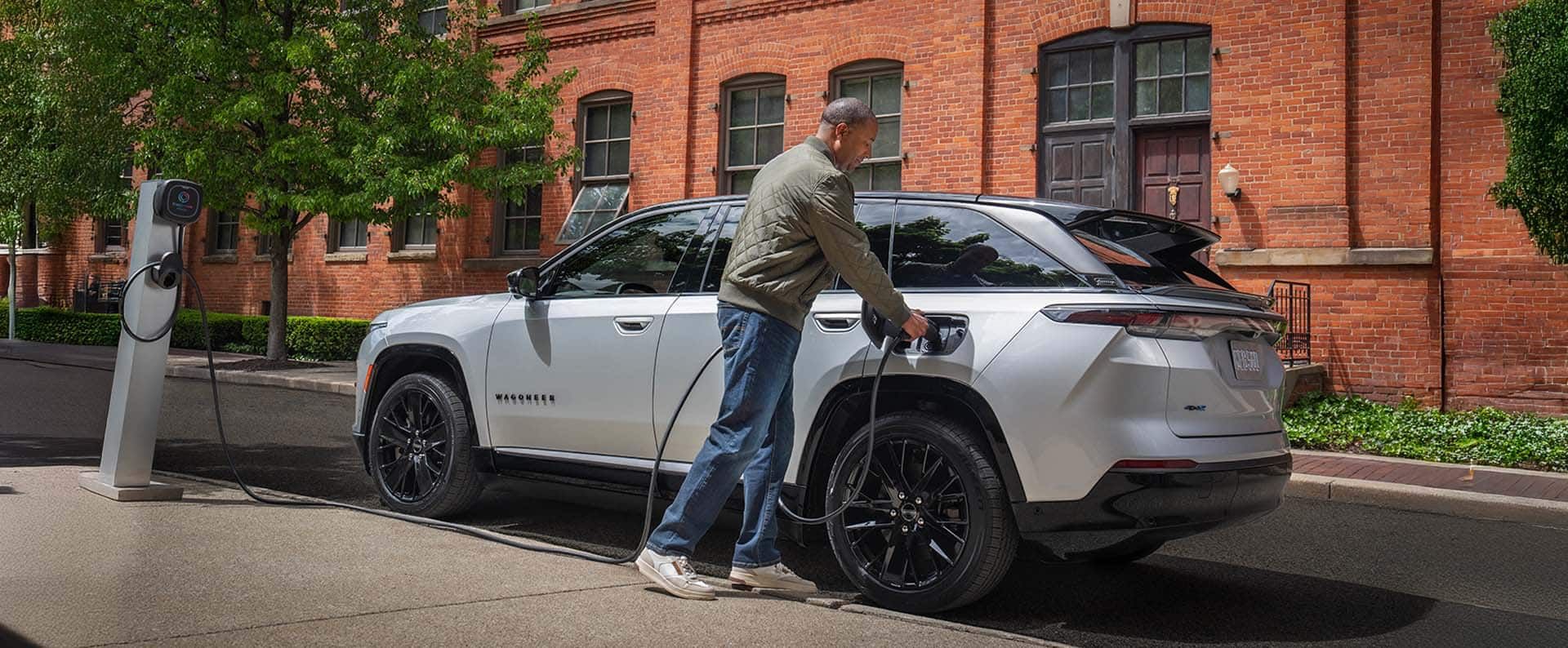
The Jeep Wagoneer S is Jeep’s first all-electric SUV designed for the North American market. With its bold look and impressive technology, it brings a new energy to the classic Wagoneer name.
But for many drivers, one of the biggest questions is: how does charging the Jeep Wagoneer S work? Let’s break down everything you need to know about charging, speeds, costs, and what makes this electric SUV stand out.
What Makes The Jeep Wagoneer S Special?
The Wagoneer S is not just another electric vehicle (EV). Jeep designed it to offer high performance and real-world utility. Under the hood, it packs a dual-motor system with about 600 horsepower and all-wheel drive. The battery provides an estimated range of 300 miles per full charge (according to Jeep’s initial announcements).
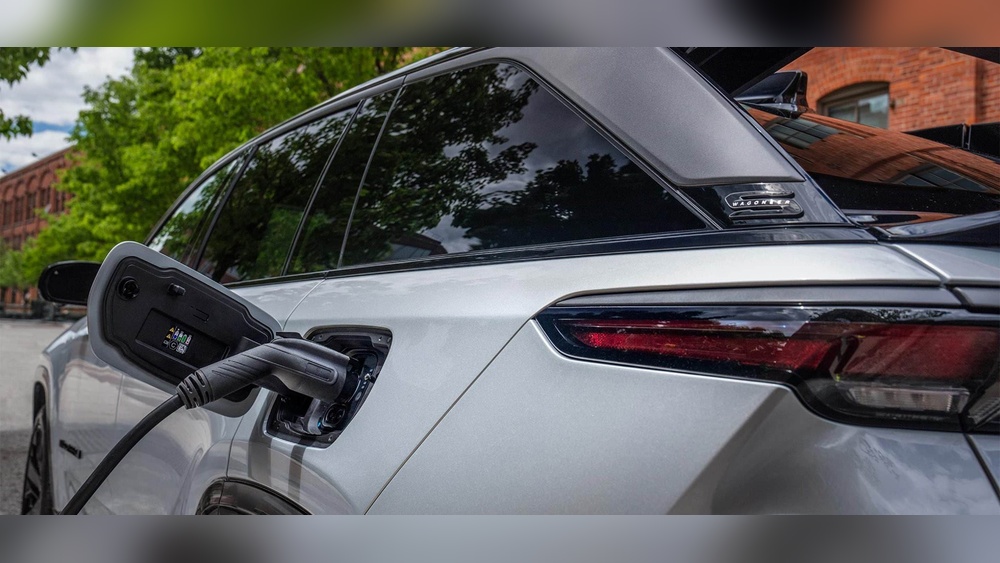
This SUV also comes with advanced charging support, letting you charge at home or on the road with Level 1, Level 2, and DC fast chargers. These options give you flexibility, whether you’re running errands or taking a road trip.
Jeep Wagoneer S Charging Basics
Charging the Wagoneer S is simple once you know your options. Here’s how the main types of EV charging work:
Level 1 Charging
- Uses a regular 120V home outlet
- Adds about 2-5 miles of range per hour
- Best for overnight charging if you drive short distances
Level 2 Charging
- Uses a 240V outlet (like a clothes dryer)
- Adds about 20-25 miles of range per hour
- Most home charging stations use Level 2
- Can fully recharge the battery in about 12-14 hours
Dc Fast Charging
- Available at public charging stations
- Can add up to 80% charge in about 30 minutes
- Good for long trips and quick top-ups
Here’s a quick comparison:
| Charger Type | Voltage | Miles Added Per Hour | Full Charge Time |
|---|---|---|---|
| Level 1 | 120V | 2-5 | ~60 hours |
| Level 2 | 240V | 20-25 | ~12-14 hours |
| DC Fast | 400V+ | Up to 180 | ~30-45 min (to 80%) |

Home Charging: What You Need
Most Jeep Wagoneer S owners will do most of their charging at home. To get the best experience, you’ll want to install a Level 2 home charging station. This requires a dedicated 240V outlet and a compatible wall charger.
Key steps for home charging:
- Check your home’s electrical panel for available capacity.
- Hire a licensed electrician to install a 240V outlet, if needed.
- Choose a wall charger (Jeep may offer official options).
- Mount the charger near your parking spot for easy access.
A common mistake is to rely only on the included 120V cable. This works, but it’s very slow for a large battery like the Wagoneer S.
Upgrading to Level 2 at home saves time and is often more energy efficient.
Public Charging Network
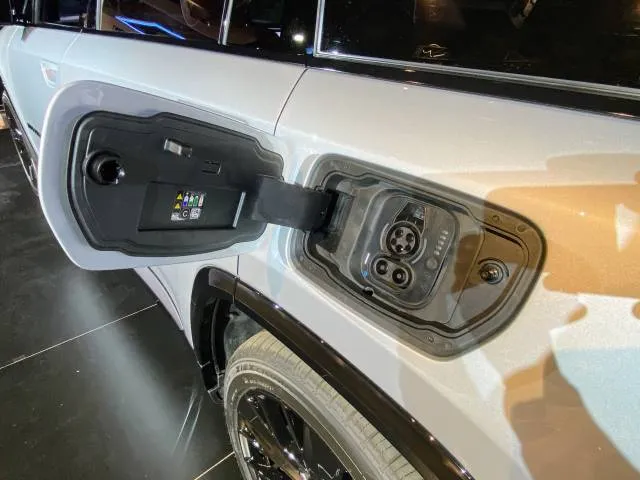
When you’re on the road, you’ll need to use public charging stations. The Wagoneer S supports the Combined Charging System (CCS), which is the most common fast charging connector in North America.
There are thousands of public chargers, but not all are the same speed. Some offer Level 2, others offer DC fast charging.
Apps like PlugShare or ChargePoint help you find stations and check real-time availability.
Here’s a quick look at how the Wagoneer S stacks up against two other electric SUVs:
| Model | Max Fast Charging Rate | Estimated Range | CCS Compatible? |
|---|---|---|---|
| Jeep Wagoneer S | 150 kW | 300 mi | Yes |
| Ford Mustang Mach-E | 150 kW | 300 mi | Yes |
| Rivian R1S | 200 kW | 316 mi | Yes |
Non-obvious insight: Not all public chargers deliver their “max” speed. Many factors—like the charger’s age, the battery’s temperature, or how full your battery is—can affect charging times. Always double-check charger details before planning a stop.
Charging Costs: What To Expect
Charging an EV is usually cheaper than filling a gas tank. Costs depend on where you live, your electricity rate, and how often you use public chargers.
- Home charging: Typical US rates are $0.13-$0.25 per kWh. Fully charging the Wagoneer S (about 100 kWh battery) costs around $13–$25.
- Public Level 2: Some stations are free, others charge $1–$3 per hour.
- DC fast charging: Usually $0.30–$0.50 per kWh, so a full charge could cost $30–$50.
Here’s a quick breakdown of estimated costs per 100 miles for the Wagoneer S compared to a gas SUV:
| Vehicle | Fuel Type | Cost per 100 Miles |
|---|---|---|
| Jeep Wagoneer S | Electric | $4–$7 |
| Gasoline SUV | Gas | $15–$20 |
Hidden tip: Some utility companies offer special EV charging rates for overnight charging. Ask your provider if you qualify for discounted electricity during off-peak hours.
Charging Tips For New Owners
- Precondition your battery: If your Wagoneer S allows it, warm up the battery before fast charging in winter. This improves charging speed.
- Charge to 80% for daily use: It’s healthier for the battery to stay between 20% and 80% unless you need full range.
- Plan longer trips: Use apps to map out fast chargers along your route.
- Carry a backup: Keep the 120V cable in your trunk for emergencies.
Many new EV drivers forget that charging speed drops as the battery fills up. The last 20% can take almost as long as the first 80%.
Plan your stops around this for less waiting.