The Jeep Wagoneer is well-known for its blend of rugged capability and family comfort. Keeping it running smoothly depends on regular maintenance, and one of the most basic yet essential tasks is changing the engine oil.
Getting the oil capacity right is more than a technical detail—it directly affects engine life, fuel economy, and performance. Many Wagoneer owners, especially new ones, wonder how much oil their vehicle needs and what else they should know about oil changes.
Let’s break down what matters most when it comes to the Jeep Wagoneer oil capacity.
Jeep Wagoneer Oil Capacity By Model Year
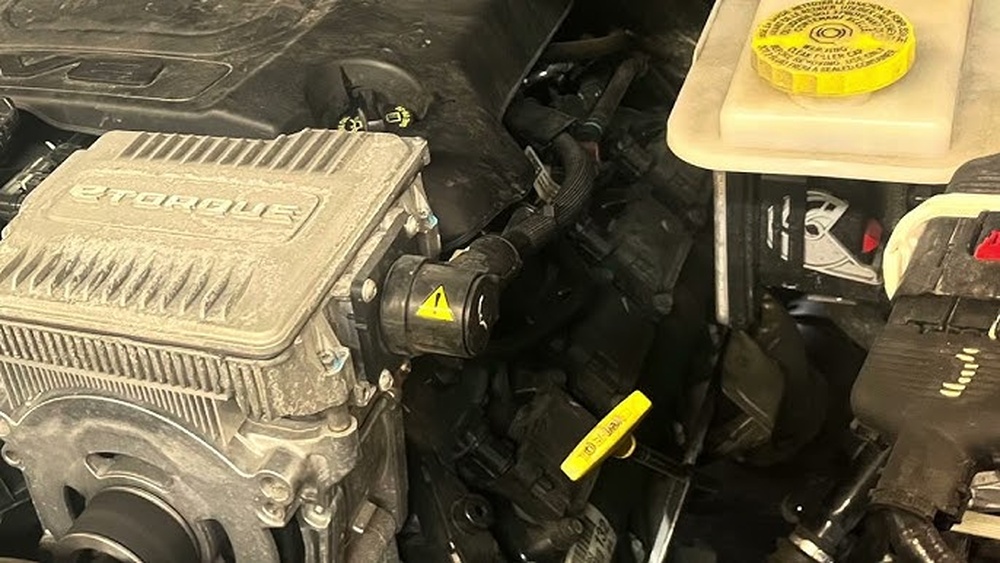
The oil capacity for the Jeep Wagoneer depends on the engine and model year. Recent Wagoneers offer several engine choices, and each requires a specific oil amount.
Using the wrong capacity can lead to serious engine problems or reduced efficiency.
Here’s a quick overview of oil capacities for popular recent Wagoneer models:
| Model Year | Engine Type | Oil Capacity (with filter) |
|---|---|---|
| 2026-2026 | 5.7L V8 | 7 quarts (6.6 liters) |
| 2026-2026 | 3.0L Hurricane I6 Turbo | 7 quarts (6.6 liters) |
| 1984-1991 | 5.9L V8 (360 ci) | 5 quarts (4.7 liters) |
Tip: Always check your owner’s manual for the exact number—small differences exist between trims and years.
Why Oil Capacity Matters
Filling your Wagoneer with the correct oil volume is critical. Too little oil means poor lubrication, which can lead to engine wear or overheating. Too much oil can create foam, leading to poor lubrication and possible engine damage.
- Oil lubricates moving parts to reduce friction and prevent overheating.
- Correct oil level ensures proper oil pressure and performance.
- Modern engines often have narrow oil passages, making exact oil capacity more important than ever.
Neglecting oil capacity can even void your warranty or lead to expensive repairs.

How To Change Oil In A Jeep Wagoneer
Doing your own oil change can save money and help you understand your vehicle better. Here’s a practical step-by-step guide tailored to the Wagoneer:
- Warm up the engine for a few minutes, then turn it off. Warm oil drains more easily.
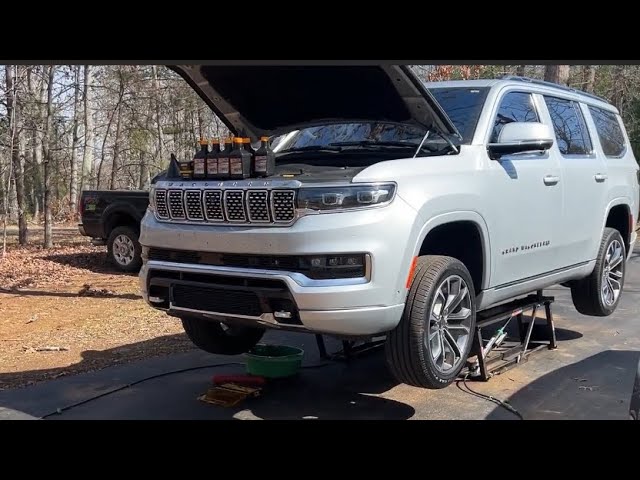
- Raise the vehicle securely with a jack and stands, or use ramps.
- Remove the drain plug under the oil pan and let the old oil flow out into a pan.
- Replace the oil filter with a new one designed for your engine.
- Reinstall the drain plug and tighten it to the recommended torque.
- Add new oil through the oil filler cap, using a funnel. Pour in about 90% of the specified capacity.
- Start the engine and let it run for a minute, then turn it off. Check for leaks.
- Check the oil level with the dipstick. Add more oil if needed until it reaches the full mark.
Pro tip: Don’t just pour in the full amount at once—start with less, check the level, and top off as needed. Filters and oil pans can hold a little extra or less depending on drain time.
Choosing The Right Oil For Your Wagoneer
The right oil type is as important as the quantity. Jeep recommends synthetic 5W-20 for most recent Wagoneer engines, but always verify for your specific year and model.
| Engine | Recommended Oil Type | Viscosity |
|---|---|---|
| 5.7L V8 | Full Synthetic | 5W-20 |
| 3.0L Hurricane I6 | Full Synthetic | 0W-30 |
| Classic 5.9L V8 | Conventional/Synthetic Blend | 10W-30 |
Not obvious: Using lower-quality oil, even if it’s the right viscosity, can reduce engine protection. Stick to well-known brands and certified products.
Oil Change Intervals And Maintenance Tips
Changing oil at the right interval keeps your Wagoneer in top shape. For most modern Jeep Wagoneers:
- Change every 8,000 miles or 12 months, whichever comes first, if using synthetic oil.
- If you drive in harsh conditions (towing, frequent short trips, dusty roads), change oil every 5,000 miles.
Two insights beginners miss:
- The oil filter should be replaced with every oil change, not just sometimes.
- Always reset your oil change reminder system to keep accurate records.
Common Mistakes To Avoid
Many owners make simple errors during oil changes. Watch out for these:
- Overfilling or underfilling oil
- Using the wrong oil type
- Forgetting to change the filter
- Not tightening the drain plug fully, causing leaks
- Failing to check for leaks after finishing
Making these mistakes can reduce engine life, cause warning lights, or even lead to costly repairs.

Classic Vs. Modern Wagoneer Oil Needs
The classic Wagoneers from the 1980s and early 1990s have different oil needs than today’s models.
| Generation | Engine Option | Oil Capacity | Oil Type |
|---|---|---|---|
| Classic (1984-1991) | 5.9L V8 (360 ci) | 5 quarts | 10W-30 Conventional |
| Modern (2026+) | 5.7L V8 or 3.0L I6 | 7 quarts | 5W-20 or 0W-30 Synthetic |
Older Wagoneers can use conventional oil, but synthetic blends offer better protection, especially for engines with some wear.