The Jeep Wagoneer is a name that carries a long legacy in the world of SUVs. For many, it represents rugged reliability, family road trips, and the freedom to explore.
But when it comes to owning or considering a Wagoneer, one of the most practical questions is about fuel capacity. How much fuel can it hold?
How does that affect long journeys, refueling stops, and overall convenience? Let’s look deeper at the facts, comparisons, and essential tips for understanding the fuel capacity of the Jeep Wagoneer.
Jeep Wagoneer Fuel Tank Capacity: The Numbers
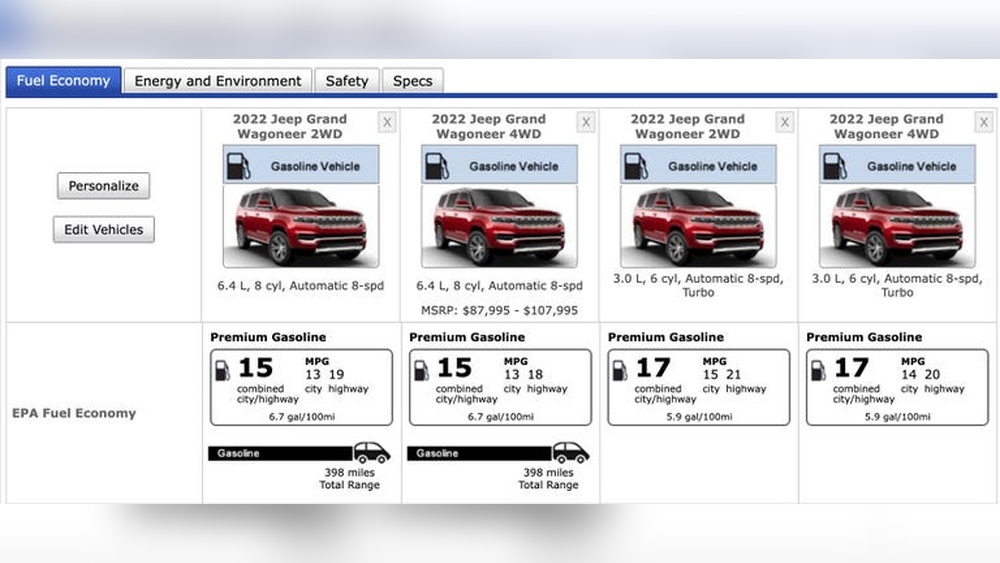
The modern Jeep Wagoneer, especially the models from 2026 and newer, is designed for both power and endurance. The standard fuel tank capacity for the current Wagoneer is 26.5 gallons (100.3 liters). This is true for both the base Wagoneer and the high-end Wagoneer Series III trims.
There are no optional tank sizes. Whether you choose the rear-wheel drive or the four-wheel drive, the 26.5-gallon tank is standard. This large tank is one of the biggest in its class, making the Wagoneer suitable for long trips and reducing the number of fuel stops.
How Does The Wagoneer Compare To Other Suvs?
To really understand the Wagoneer’s fuel capacity, it helps to compare it with other large SUVs. Here’s a comparison of some popular models:
| Model | Fuel Tank Capacity (gallons) |
|---|---|
| Jeep Wagoneer | 26.5 |
| Chevrolet Tahoe | 24.0 |
| Ford Expedition | 25.0 |
| Toyota Sequoia | 22.5 |
| Nissan Armada | 26.0 |
As you can see, the Wagoneer’s 26.5-gallon tank is among the largest, giving it an advantage for longer drives between fill-ups.

Range: How Far Can The Jeep Wagoneer Go?
A big tank is only part of the story. The driving range depends on both the fuel tank size and the vehicle’s fuel economy. The 2026 Jeep Wagoneer with the 5.7L V8 engine gets an estimated 16 miles per gallon (mpg) city and 22 mpg highway.
Let’s estimate how far you can go on a full tank:
- City driving: 26.5 gallons × 16 mpg ≈ 424 miles
- Highway driving: 26.5 gallons × 22 mpg ≈ 583 miles
Few SUVs in this class can match this range. Still, real-world results can vary due to weather, driving style, and road conditions.
Real-world Fueling Experience
Filling up a 26.5-gallon tank means a longer time at the pump and higher total costs per visit, especially as gas prices rise. However, fewer stops can be a real benefit on road trips or in rural areas.
Many owners appreciate the peace of mind that comes from a large fuel tank. It’s especially useful if you tow trailers, boats, or take long drives in areas with limited fuel stations.
Why Fuel Capacity Matters For Buyers
When shopping for a large SUV, fuel capacity is sometimes overlooked compared to horsepower or technology features. But it matters more than many buyers think:
- Convenience: A bigger tank means fewer stops, which is great for families or long commutes.
- Adventure Ready: If you drive in remote areas, a large tank can be a safety advantage.
- Towing: Towing heavy loads reduces fuel economy, so a bigger tank helps offset the drop in mpg.
Some buyers overlook the impact of a larger tank on vehicle weight. A full Wagoneer tank adds about 160 pounds (26.5 gallons × 6 lbs/gallon), which can slightly affect handling and fuel efficiency.
Fuel Tank Design And Safety
Jeep has engineered the Wagoneer’s tank for both capacity and safety. It uses a high-strength plastic design, placed for crash protection. There are also features like an anti-siphon system and smart fuel shut-off valves.
Another detail is the location of the fuel filler. On the Wagoneer, it’s on the driver’s side, making it easy to remember which side to pull up to at the pump.

Tips For Maximizing Range
If you want to get the most from your Wagoneer’s fuel tank, consider these tips:
- Drive smoothly: Gentle acceleration and braking can improve mpg.
- Check tire pressure: Low tires increase fuel use.
- Limit idling: Long idle times reduce range.
- Plan refueling stops: Especially important for road trips in areas with few stations.
- Use cruise control: On the highway, this helps maintain steady speed.
Many owners miss that towing or carrying heavy loads can reduce range by 25% or more. Always factor this in when planning trips.
Fuel Capacity And Trim Levels
Some SUVs offer different tank sizes for various trims, but the Jeep Wagoneer keeps it simple. All trims—Wagoneer, Series II, Series III—come with the same 26.5-gallon tank. This makes it easy to compare features without worrying about range differences.
For the Grand Wagoneer, the luxury sibling, the tank is slightly larger at 26.5 gallons, but the more powerful engine means the range is similar or slightly less than the standard Wagoneer.
| Wagoneer Model | Fuel Tank Capacity | Estimated Range (Highway) |
|---|---|---|
| Wagoneer | 26.5 gal | ≈ 583 miles |
| Grand Wagoneer | 26.5 gal | ≈ 530 miles |

Common Mistakes When Considering Fuel Capacity
Many new buyers focus only on the mpg and forget to check the tank size. Some assume all large SUVs have the same range, but as shown, there are important differences.
Another common mistake is ignoring the impact of driving habits. Aggressive driving, heavy loads, or using roof racks can all reduce real-world range—often by more than people expect.
Ownership Experience: What Owners Say
Long-time Wagoneer owners often mention the confidence that comes with a big tank, especially for family trips or towing. Some note that the fuel gauge drops faster after the halfway point—a quirk seen in many large SUVs due to tank shape.
A less obvious tip: if you regularly drive in cold climates, keep the tank at least half full to prevent condensation and fuel line freeze-up. This is good advice for any large SUV.
Where To Find More Information
For the most detailed and official specifications, it’s best to check the manufacturer’s resources. The official Jeep website provides up-to-date data on all Wagoneer models: Jeep Wagoneer Official Site.
Frequently Asked Questions
What Is The Fuel Tank Capacity Of The Jeep Wagoneer?
The Jeep Wagoneer comes with a 26.5-gallon fuel tank on all trims and models.
How Far Can A Jeep Wagoneer Go On A Full Tank?
With its tank size and average highway fuel economy, the Wagoneer can travel up to about 583 miles on a full tank under ideal conditions.
Is The Wagoneer’s Fuel Tank Bigger Than Other Suvs?
Yes, compared to most full-size SUVs, the Wagoneer’s tank is larger or equal. Only a few competitors come close.
Does Towing Affect How Far I Can Drive On A Tank?
Absolutely. Towing or carrying heavy loads can reduce your driving range by 25% or more, depending on weight and driving conditions.
Are There Any Tips To Increase The Wagoneer’s Fuel Range?
Yes. Keep tires inflated, drive smoothly, avoid long idling, and plan refueling on long trips.
Reducing extra weight also helps extend your range.
The Jeep Wagoneer’s large fuel tank is a key part of its practical, adventure-ready character. For drivers who value fewer stops and more miles between fill-ups, it’s a detail that makes a real difference.