Driving a modern Jeep Wagoneer is a unique experience. The dashboard is full of lights, symbols, and alerts that communicate important information about your vehicle’s status.
Understanding these dashboard symbols can help you stay safe, prevent damage, and avoid unnecessary stress. This guide will help you recognize the most common Jeep Wagoneer dashboard symbols and explain what they mean, so you can drive with confidence.
Why Dashboard Symbols Matter
Dashboard symbols are more than just lights. They are a direct link between your car’s computer systems and you as the driver. When a symbol lights up, it could be warning you about something critical or simply reminding you of basic maintenance. For example, ignoring the engine warning light could lead to expensive repairs, while missing a simple reminder like the seat belt warning might just mean you’re not wearing your belt.
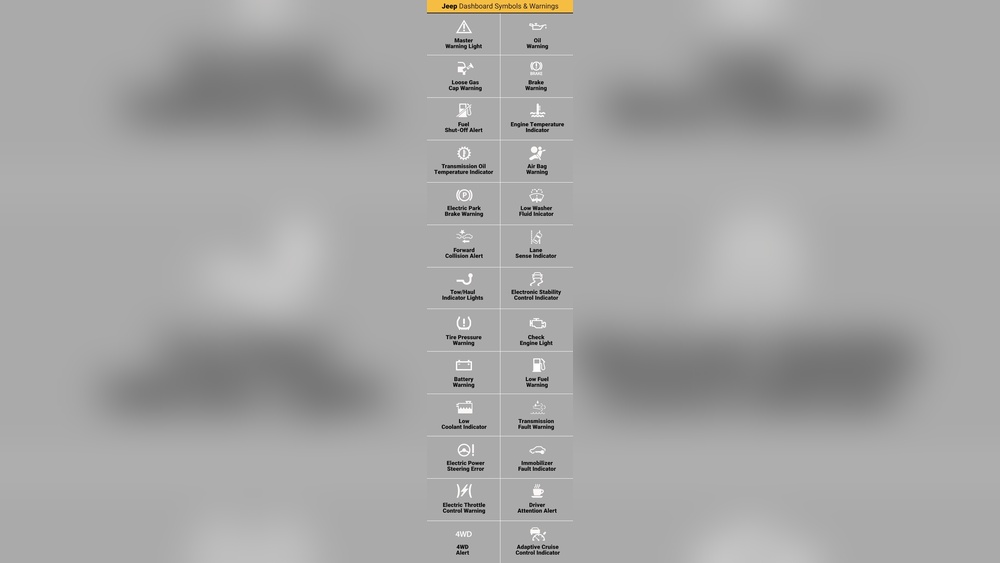
Many drivers ignore these symbols or wait until problems get worse. But knowing what each symbol means gives you control and helps you respond quickly.
It’s also smart to check your owner’s manual for details, but this article covers the most important symbols you’ll see in a Jeep Wagoneer.
Common Jeep Wagoneer Dashboard Symbols
Here are the dashboard symbols most Jeep Wagoneer owners see, along with their meanings and what you should do if they appear.
1. Check Engine Light
The check engine light is usually shaped like an engine. If it turns on, your car’s computer has detected a problem with the engine or emissions system. A steady light means something needs checking soon, while a flashing light means immediate attention.
- Example: A loose gas cap or faulty spark plugs can trigger this light.
- Action: Check the gas cap first. If the light stays on or flashes, visit a mechanic.
2. Oil Pressure Warning
This symbol looks like an oil can. It means your engine’s oil pressure is low, which can cause serious damage if ignored.
- Example: Low oil level or a faulty oil pump.
- Action: Pull over, check oil level, and add oil if needed. If the light stays on, seek help.
3. Battery Charge Warning
A battery symbol signals that your car’s battery is not charging properly. This could be due to a bad battery, faulty alternator, or loose wiring.
- Example: Dim headlights, trouble starting.
- Action: Get your battery and charging system checked.
4. Tire Pressure Monitoring System (tpms)
This symbol shows an exclamation point inside a tire. It means one or more tires are low on pressure.
- Example: Cold weather can lower tire pressure.
- Action: Check all tire pressures and inflate as needed.
5. Brake System Warning
A circle with an exclamation mark or the word “BRAKE” signals a problem with your brakes. It could be low brake fluid or an issue with the brake system.
- Example: Spongy brakes or longer stopping distance.
- Action: Check brake fluid level. If the warning stays, get your brakes inspected.
6. Coolant Temperature Warning
This symbol looks like a thermometer inside waves. It means your engine is overheating.
- Example: Coolant leak or blocked radiator.
- Action: Stop the car and let it cool. Check coolant level and refill if needed.
7. Abs Warning Light
The ABS symbol means there is an issue with the anti-lock braking system.
- Example: ABS might not work in emergencies.
- Action: Regular brakes still work, but ABS needs repair.
8. Airbag Warning
An icon of a seated person with a circle in front means a problem with the airbag system.
- Example: Airbag may not deploy in a crash.
- Action: Have the airbag system checked soon.
9. Seat Belt Reminder
A symbol of a person with a belt across their chest lights up if someone is not wearing a seat belt.
- Example: Unbuckled passenger.
- Action: Fasten all seat belts.
10. Service Reminder Light
A wrench symbol tells you it’s time for scheduled maintenance.
- Example: Oil change or filter replacement.
- Action: Book a service appointment.

Jeep Wagoneer Dashboard Symbol Colors
Symbols use different colors to show urgency. Here’s a quick comparison:
| Color | Meaning | Action |
|---|---|---|
| Red | Serious problem or safety issue | Stop driving and fix immediately |
| Yellow/Amber | Warning or caution | Check soon, but not urgent |
| Green/Blue | System active or information | No action needed |
Less-known Jeep Wagoneer Symbols
Some dashboard symbols are less obvious, but they matter too. Here are two that beginners often miss:
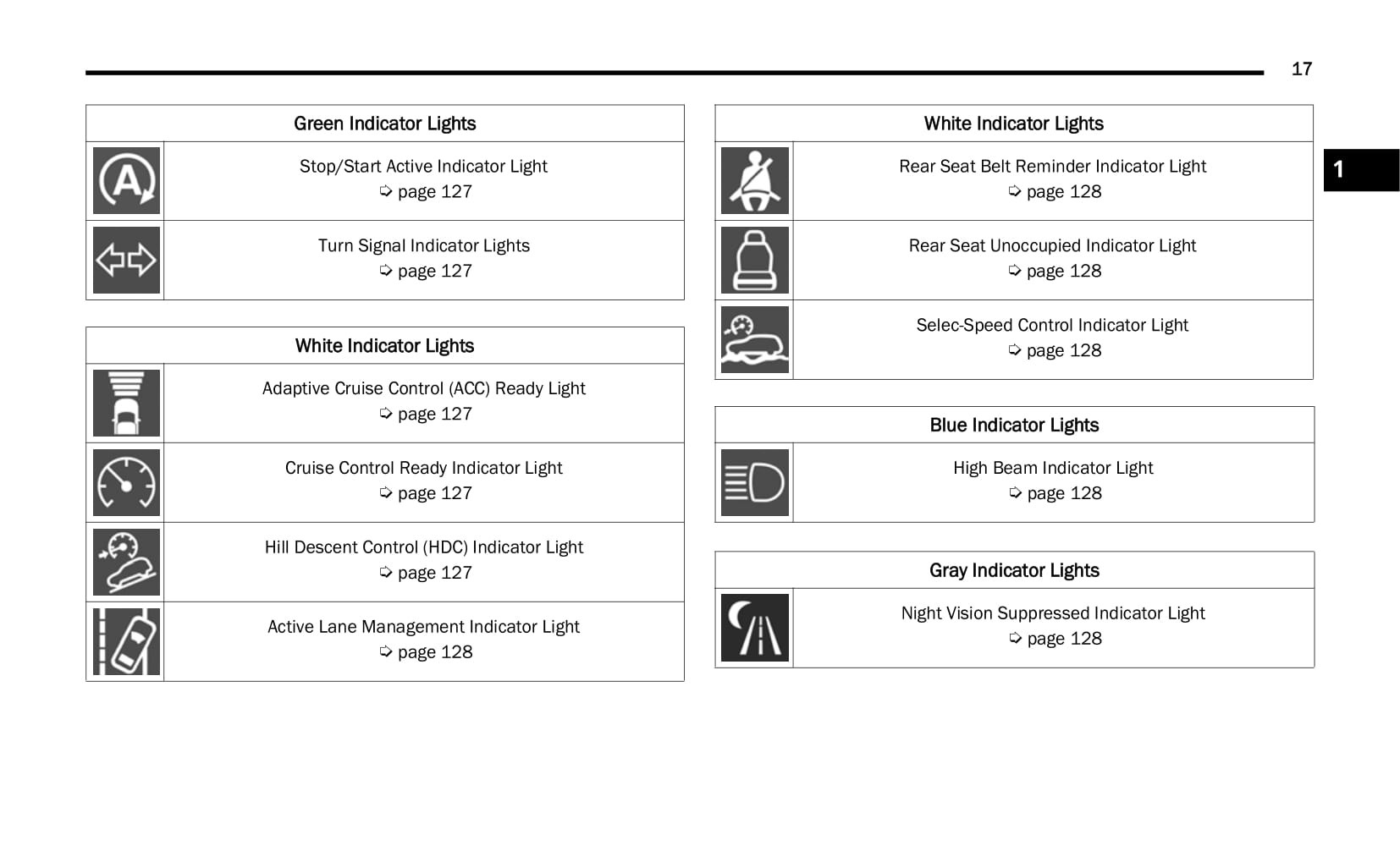
- Adaptive Cruise Control Indicator: Shows a car with a gauge. It means your cruise control is using sensors to adjust speed automatically.
- Lane Departure Warning: Displays a car with lane lines. It means your Wagoneer is alerting you if you drift out of your lane.
These features use advanced technology, so pay attention when these lights come on.
Comparing Jeep Wagoneer Symbols To Other Suvs
Jeep Wagoneer symbols are similar to those in other SUVs, but a few are unique. Here’s a quick comparison:
| Symbol | Jeep Wagoneer | Other SUVs |
|---|---|---|
| Adaptive Cruise | Standard | Optional |
| Lane Departure | Standard | Optional |
| Service Reminder | Wrench symbol | Varies (text or symbol) |
What To Do When A Symbol Appears
If a dashboard symbol lights up, follow these steps:
- Check the color of the symbol.
- Read your owner’s manual for details.
- Take action based on urgency.
- Don’t ignore warning lights—even if the car seems fine.
A common mistake is waiting too long or assuming the light is not important. This can lead to bigger problems and more expensive repairs.
Practical Tips For Jeep Wagoneer Owners
- Keep your owner’s manual handy.
- Check your dashboard symbols regularly.
- Schedule routine maintenance.
- Use a diagnostic tool if you want to check codes yourself.
- If unsure, ask a certified mechanic.
Most symbols are easy to understand with practice. Over time, you’ll get used to them and feel more confident behind the wheel.