Changing the transmission fluid in your Jeep is one of the best ways to keep your SUV running strong for years. Many owners overlook this simple task, but clean transmission fluid makes a big difference in how your Jeep shifts and drives.
If you’re new to maintenance or just want to save money, understanding the process and its importance is key. This guide breaks down everything you need to know, with clear steps and tips to help you get it right.
Why Transmission Fluid Matters
Transmission fluid is more than just a lubricant. It cools, cleans, and protects the transmission system. In automatic Jeeps, it also provides hydraulic pressure for smooth gear changes. Over time, heat and use break down the fluid’s qualities. Dirt and small metal particles can also build up, making the system work harder and increasing wear.
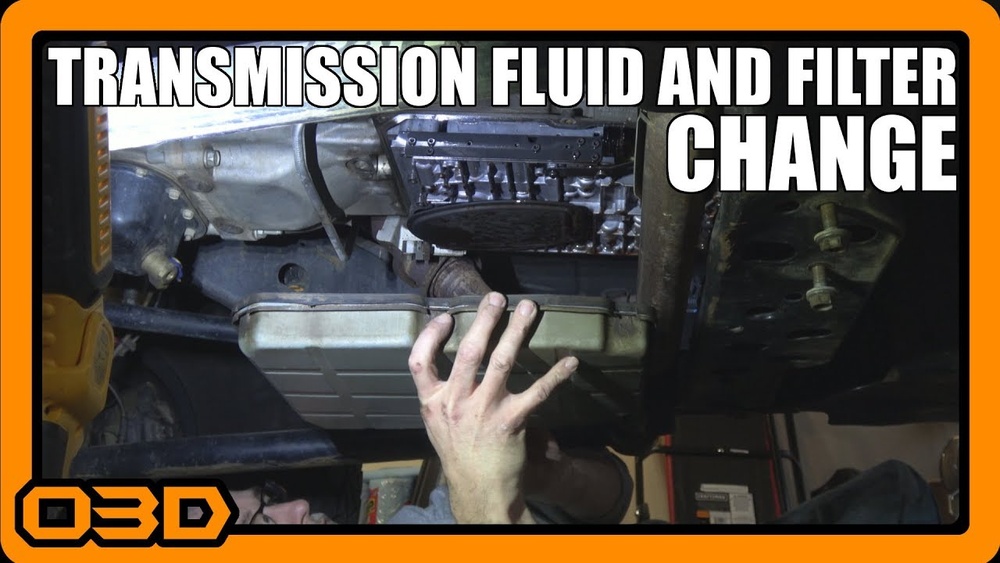
If you don’t change the fluid, you may notice:
- Rough or delayed shifting
- Strange noises or grinding
- Reduced fuel efficiency
- Transmission overheating
A neglected transmission can lead to expensive repairs. For most Jeep models, changing the fluid every 30,000 to 60,000 miles is recommended. Always check your owner’s manual for the exact interval.
Types Of Jeep Transmission Fluids
Not all transmission fluids are the same. Using the wrong type can damage your Jeep’s transmission. Here’s a comparison of common fluids for popular Jeep models:
| Jeep Model | Transmission Type | Recommended Fluid |
|---|---|---|
| Wrangler JK (2007-2018) | Automatic | ATF+4 |
| Grand Cherokee (2011-2026) | 8-Speed Automatic | Mopar ZF 8&9 Speed ATF |
| Cherokee (2014-2026) | 9-Speed Automatic | Mopar ZF 8&9 Speed ATF |
| Older Models (Pre-2000) | Automatic | Dexron III/Mercon |
Manual transmissions use a different fluid (often gear oil). Always check the label and your Jeep’s manual before buying.
Signs Your Jeep Needs A Transmission Fluid Change
Not sure if it’s time? Watch for these clues:
- Transmission slips between gears
- Fluid looks dark or smells burnt
- Leaking fluid under your Jeep
- Unusual noises when shifting
Fresh transmission fluid should be bright red (for most automatics) and have a slightly sweet smell. If it’s brown, black, or has a burnt odor, it’s time for a change.
Step-by-step Guide: Changing Jeep Transmission Fluid
Ready to do it yourself? Here’s how to change the fluid in most Jeep automatics.
This process fits many models, but always check your manual for special steps or extra filters.
What You’ll Need
- 4–8 quarts of recommended transmission fluid
- New transmission filter and gasket
- Socket set and ratchet
- Drain pan
- Funnel
- Rags or shop towels
- Jack and jack stands (if needed)
- Safety glasses and gloves
Steps
1. Warm Up The Engine
Drive for about 10 minutes. Warm fluid drains better and removes more old fluid.
2. Lift Your Jeep
Park on a flat surface. Use a jack and jack stands for more space, but make sure it’s secure.
- Place the drain pan under the transmission pan.
- Remove the pan bolts
Loosen bolts slowly, starting at one corner. Fluid will start to drain out. Be careful; it can be messy.
5. Remove The Pan And Old Gasket
Once most fluid is out, remove the pan completely. Clean the pan with a lint-free cloth.
6. Replace The Transmission Filter
Remove the old filter and install the new one. Make sure it snaps in securely.
7. Install The New Gasket
Position the new gasket and reinstall the transmission pan. Tighten bolts evenly.
8. Refill With New Fluid
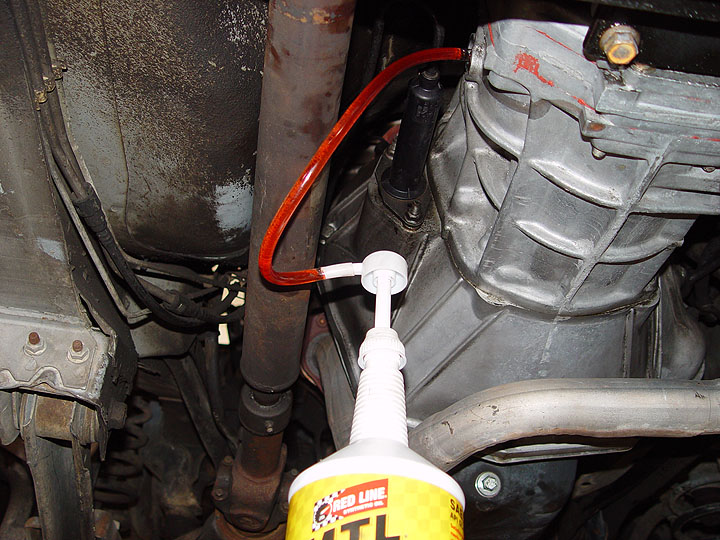
Lower your Jeep. Use a funnel to add the recommended amount of new fluid through the dipstick tube.
9. Check Fluid Level
Start the engine, let it idle, and shift through all gears. Check the fluid level and add more if needed.
10. Inspect For Leaks
After a short drive, check for leaks under the pan.
Here’s a quick reference for how much fluid you’ll need for common Jeep models:
| Jeep Model | Typical Fluid Capacity (Quarts) | Filter Change Included? |
|---|---|---|
| Wrangler JK (3.6L V6) | 4.0–5.0 | Yes |
| Grand Cherokee (8-speed) | 5.5–7.5 | Yes |
| Cherokee (9-speed) | 4.5–5.5 | Yes |
Common Mistakes To Avoid
Many first-timers make small mistakes that can cause problems later. Here are two non-obvious things to remember:
- Do not overfill the transmission. Too much fluid can cause foaming and shifting problems.
- Always use a new gasket and filter. Reusing old parts can lead to leaks or poor performance.
Also, check for the latest software updates for your Jeep’s transmission. Some problems are fixed with a quick dealer reflash.
When To Seek Professional Help
If you notice metal shavings in the old fluid or the fluid is very dark, it could mean internal damage. In these cases, a professional should inspect your transmission.
Some newer Jeep models also need special tools to reset the transmission’s adaptive memory after a fluid change.
For more details on Jeep maintenance and why proper fluid matters, see the Automatic Transmission Fluid Wikipedia page.
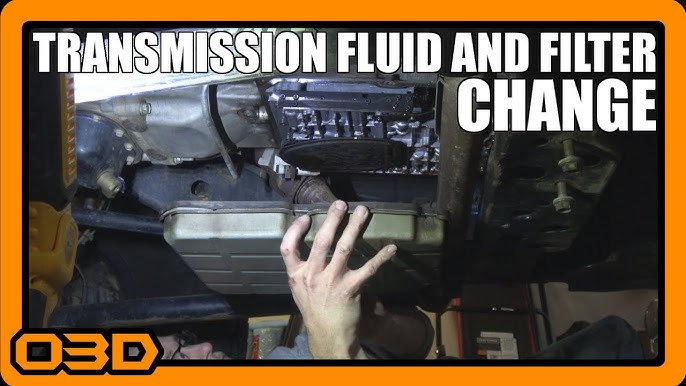
The Value Of Regular Transmission Fluid Changes
Changing your Jeep’s transmission fluid on time is one of the simplest ways to keep your SUV reliable. It prevents costly breakdowns and keeps your driving experience smooth.
If you’re careful with the right fluid, tools, and steps, most owners can do this job at home in about 1–2 hours.
Don’t wait for problems—make transmission fluid changes part of your regular Jeep care.
Frequently Asked Questions
How Often Should I Change Transmission Fluid In My Jeep?
Most Jeep models recommend changing the fluid every 30,000 to 60,000 miles, but always check your owner’s manual for the best interval.
Can I Mix Different Brands Of Transmission Fluid?
It’s best to use the same type and brand. Mixing fluids can change the chemical balance and cause shifting problems.
What Happens If I Overfill The Transmission Fluid?
Overfilling can cause foaming, leaks, or poor shifting. Always add fluid slowly and check the dipstick for the correct level.
Is A Transmission Flush Better Than A Fluid Change?
A flush replaces more old fluid but can sometimes dislodge debris and cause issues in older or high-mileage transmissions. For most Jeeps, a regular fluid and filter change is safer.
How Do I Know If My Transmission Fluid Is Low?
Look for slipping gears, delayed shifts, or warning lights on your dashboard. Check the dipstick with the engine warm and running for the most accurate reading.