Many Jeep TJ owners face confusion when dealing with vacuum line issues. Vacuum lines may look simple, but they play a big role in engine performance, HVAC controls, and emissions.
When these lines leak or disconnect, you might experience rough idling, poor fuel economy, or even failed emissions tests. Understanding the Jeep TJ vacuum line diagram helps you trace, diagnose, and fix these problems confidently—even if you are not a mechanic.
Why Vacuum Lines Matter On A Jeep Tj
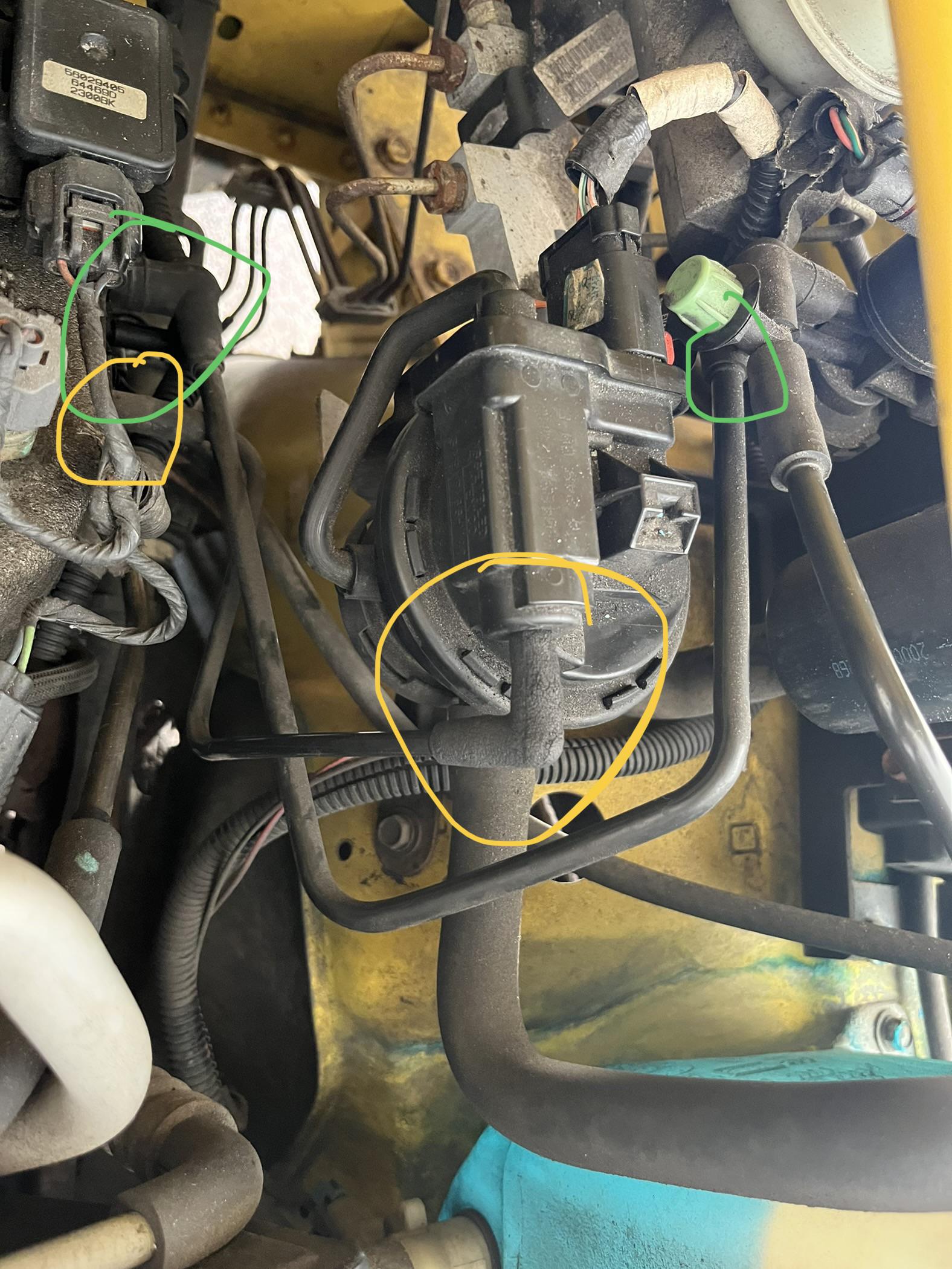
Vacuum lines are thin hoses that transport engine vacuum to different systems. In a Jeep TJ, these lines connect the intake manifold to the HVAC system, cruise control, 4WD actuator, and emissions controls. If any line cracks or disconnects, it can cause:
- Check engine light to turn on
- Heater and AC to blow only from defrost vents
- 4WD not engaging properly
- Unstable engine idle
Many beginners miss that a single small leak can affect several systems at once. For example, a vacuum leak might cause both rough idle and HVAC problems, making it easy to misdiagnose.
Common Jeep Tj Vacuum Line Locations
You will find most vacuum lines on the passenger side of the engine bay. Here are the main spots:
- Intake manifold: Main vacuum source.
- HVAC control line: Runs from the manifold through the firewall.
- Evaporative emissions (EVAP) lines: Connect to the charcoal canister.
- 4WD actuator line: Goes to the front axle disconnect (on some models).
- Cruise control lines: If equipped.
Each line serves a unique function, but they often share the same vacuum source. That’s why a single broken line can cause multiple symptoms.
Jeep Tj Vacuum Line Diagram Explanation
Many ask for a clear diagram to track lines. Below is a basic layout for most 1997–2006 Jeep TJ models. Actual routing may differ, so always double-check with your model’s service manual.
| Component | Connected To | Main Function |
|---|---|---|
| Intake Manifold | Vacuum Reservoir, PCV Valve, EVAP Purge | Vacuum Source |
| Vacuum Reservoir (“ball”) | HVAC Controls | Stores Vacuum |
| EVAP Canister | Intake, Purge Solenoid | Emissions Control |
| 4WD Actuator (if present) | Vacuum Switch | Engages Front Axle |
The most important line for most owners is the HVAC vacuum line. This thin, usually black plastic line runs from the intake manifold, passes near the battery, and enters the firewall just behind the engine.
How To Trace And Inspect Vacuum Lines
- Start at the intake manifold. Look for small plastic or rubber hoses connected to its base.
- Follow each line. See where it goes—firewall, fender, or across the engine.
- Inspect for damage. Look for cracks, splits, or loose fittings. Even small leaks matter.
- Listen for hissing sounds with the engine running—this often signals a leak.
- Check HVAC operation. If air only blows from defrost, the problem is usually a disconnected or broken line.
A practical tip: use a short piece of rubber hose as a “stethoscope.” Hold one end to your ear and move the other end near suspected leaks.
Differences By Year And Engine
Not all Jeep TJs are the same. The 4.0L and 2.5L engines have slightly different line routing and components. For example, some 4-cylinder TJs lack the 4WD actuator vacuum system found on 6-cylinder models.
Compare your Jeep’s layout with the table below:
| Model Year | Engine | Unique Features |
|---|---|---|
| 1997–2000 | 2.5L/4.0L | Simple EVAP, mechanical HVAC controls |
| 2001–2006 | 4.0L | EVAP system with leak detection, extra lines |
| 2003–2006 Rubicon | 4.0L | No 4WD vacuum actuator |
Always check your underhood emissions sticker for the factory diagram. This sticker is usually near the radiator support or hood.
Fixing Common Vacuum Line Problems
Fixing vacuum lines is easier than it looks. Here’s how:
- Replace cracked lines. Use vacuum-rated hose from an auto parts store.
- Repair plastic lines. Use rubber hose as a splice, or buy pre-formed replacements.
- Secure connections. Loose ends can be tightened with small clamps or zip ties.
- Label lines during a repair project. This prevents mix-ups when reassembling.
Don’t use regular fuel hose for vacuum—fuel hose is too thick and can kink easily. This is a frequent mistake that leads to poor results.

Example: Hvac Only Blows From Defrost
This is a classic Jeep TJ symptom. Here’s how you can solve it:
- Open the hood and find the small black line running from the intake manifold to the passenger side firewall.
- Look for breaks, especially near the battery or where the line passes through the firewall.
- If broken, cut out the damaged part and splice with vacuum hose.
- If the line is intact, check the vacuum reservoir (the “ball” under the battery tray) for leaks.
This simple repair often restores full HVAC function.
Where To Find Factory Diagrams
Original Jeep TJ vacuum line diagrams are in the factory service manual or on the emissions sticker under the hood. You can also find accurate diagrams and step-by-step instructions on trusted forums and the official Jeep website. For additional detail, the official Jeep Life page offers resources and manuals for all Jeep models.
Upgrades And Preventive Maintenance
To prevent future leaks:
- Replace all old plastic lines with silicone vacuum hose.
- Routinely check lines every oil change.
- Keep spare hose and connectors in your tool kit.
Silicone lines cost more but last much longer and resist engine heat and chemicals. Many experienced owners upgrade all lines during major engine work.