If you own a Jeep TJ (1997–2006 Wrangler), you know the value of reliable brakes, especially when heading off-road or towing. Many Jeep TJs came from the factory with rear drum brakes, which are less effective than modern disc brakes. Upgrading to rear disc brakes can improve stopping power, make maintenance easier, and give you extra confidence on any trail. But before starting this project, it’s important to understand the benefits, the process, and the common pitfalls.
Why Convert To Rear Disc Brakes?
Drum brakes are simple and rugged, but they have real limitations. They don’t shed heat as well as discs, which can lead to brake fade during repeated hard stops. Drums are also more likely to trap mud, water, and debris—bad news for off-roaders.
Switching to rear disc brakes offers several clear advantages:
- Better stopping power: Discs clamp harder and react faster, especially under load.
- Improved heat dissipation: Less risk of fade on long descents.
- Easier maintenance: Pads are quicker to inspect and change than drum shoes.
- Cleaner operation: Discs shed mud and water more efficiently.
These benefits are especially noticeable if you’ve added larger tires or extra weight (like armor or camping gear) to your Jeep TJ.
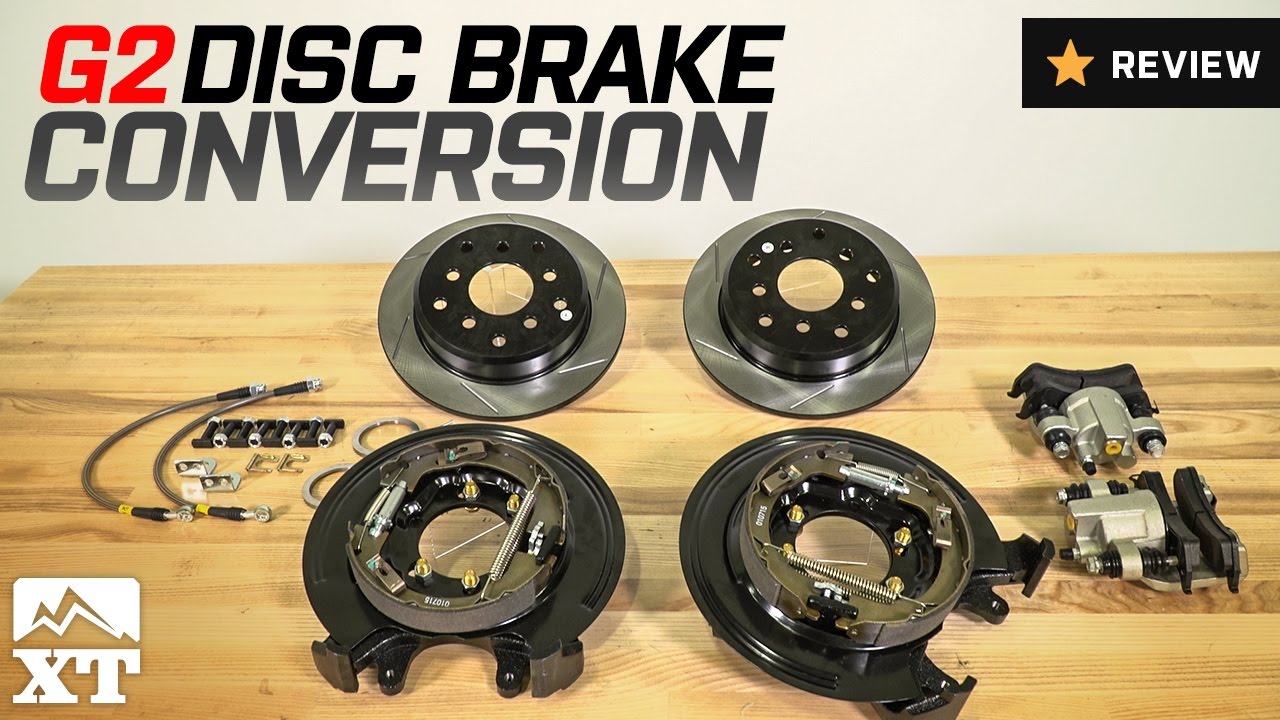
What You Need For A Jeep Tj Rear Disc Conversion
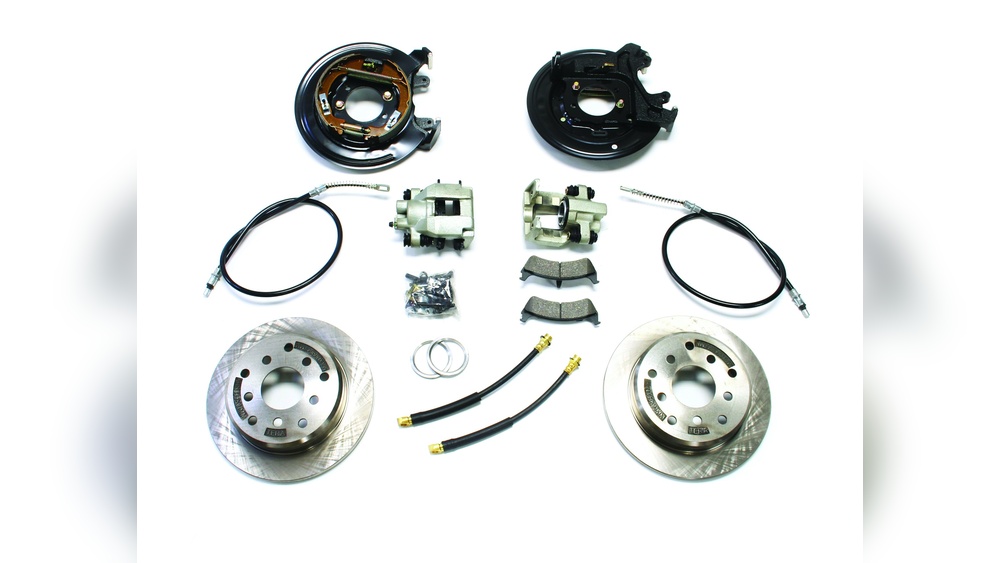
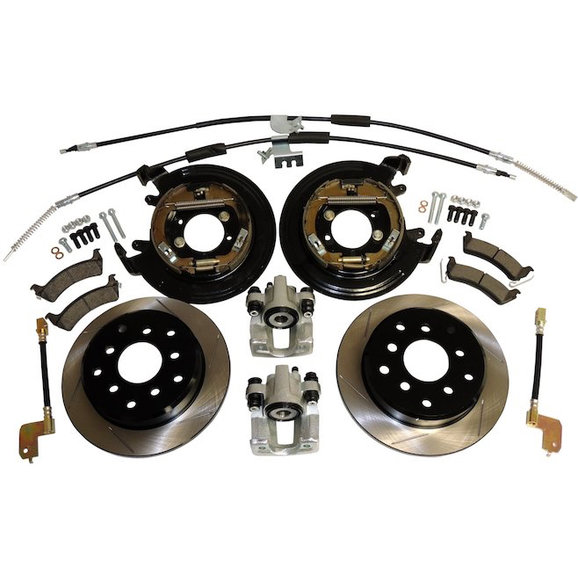
Several companies offer rear disc brake conversion kits for the Jeep TJ, but you can also piece together your own using parts from similar vehicles (like a Jeep ZJ or Ford Explorer). Here’s what you’ll typically need:
- Calipers and caliper brackets
- Rotors (size depends on your kit/axle)
- Brake pads
- Backing plates
- Parking brake hardware
- Brake hoses and fittings
- New wheel studs (sometimes required)
- Adapter brackets (if fitting to non-factory axles)
You’ll also want fresh brake fluid and basic tools jack stands, sockets, wrenches, and a torque wrench.
| Component | OEM Part Source | Aftermarket Kit Included? |
|---|---|---|
| Calipers | Jeep ZJ, Ford Explorer | Yes |
| Rotors | Jeep ZJ, Ford Explorer | Yes |
| Parking Brake Hardware | Jeep ZJ | Usually |
| Brake Hoses | Custom/Universal | Varies |
A common beginner mistake is forgetting about the parking brake. Most kits use an internal drum-style handbrake inside the rotor, so make sure the kit you choose includes all necessary parking brake parts.
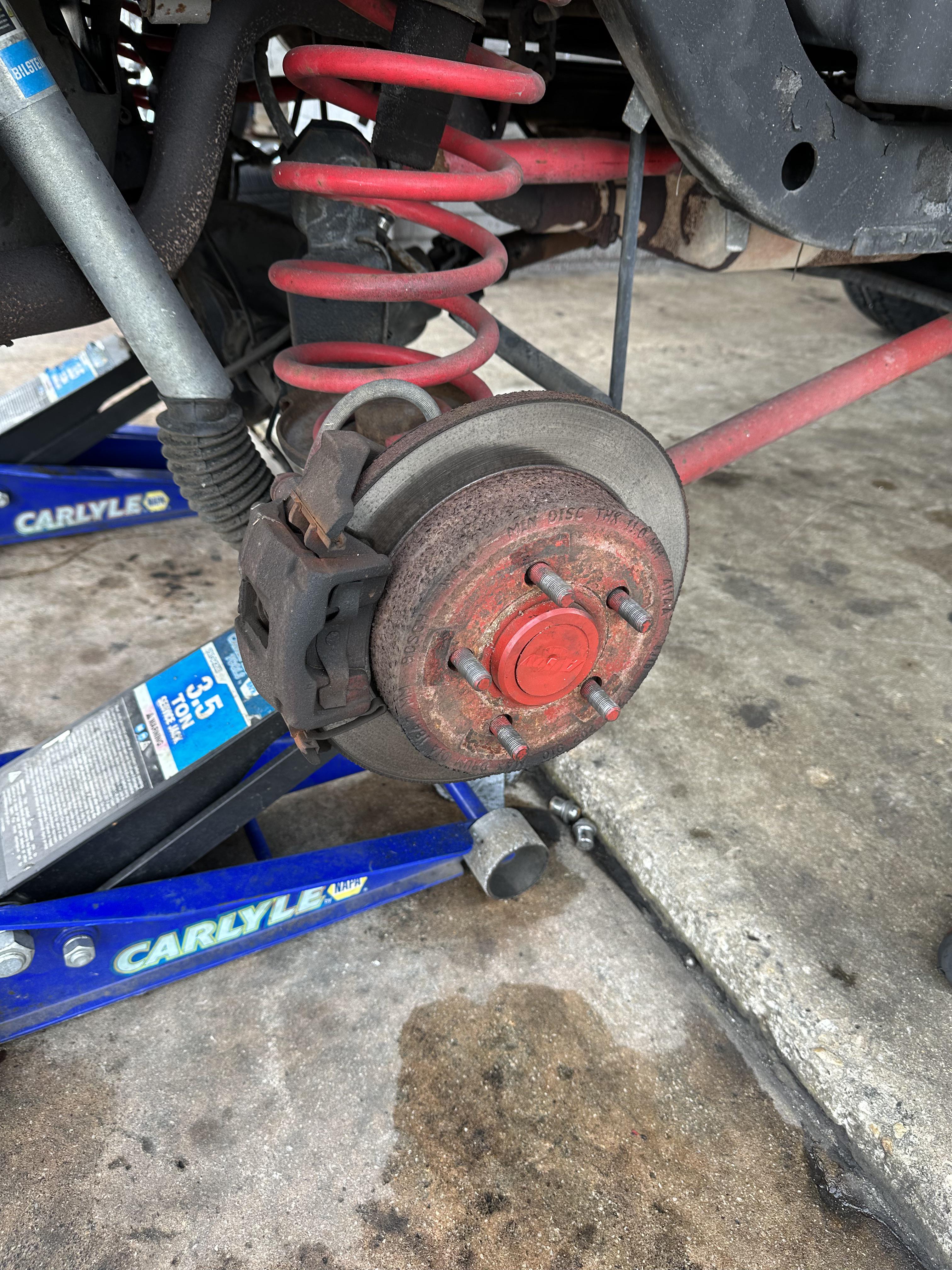
Step-by-step: How To Convert To Rear Disc Brakes
Converting your Jeep TJ’s rear brakes is a job for someone comfortable with wrenching, but it’s not out of reach for the home mechanic. Here’s a simplified overview of the main steps:
- Lift the Jeep and support it safely on jack stands. Remove the rear wheels.
- Remove the drum brake assembly, including drums, shoes, springs, and backing plates.
- Install new backing plates and parking brake hardware (if required).
- Mount caliper brackets and test-fit the calipers.
- Install rotors onto the axle shafts.
- Attach calipers and brake pads, making sure everything lines up.
- Connect new brake hoses and fittings.
- Bleed the brake system to remove air.
- Test parking brake and adjust as needed.
- Reinstall wheels, lower the Jeep, and test drive carefully.
Here’s a quick comparison between drum and disc brakes on the Jeep TJ:
| Feature | Drum Brakes | Disc Brakes |
|---|---|---|
| Stopping Power | Moderate | High |
| Heat Dissipation | Poor | Excellent |
| Maintenance | More Complicated | Simpler |
| Cost | Lower | Higher |
Tip: Always double-check that your new calipers are mounted with the bleeder valves at the top. If they’re upside down, you’ll never get all the air out of the system.
Choosing The Right Conversion Kit
There are many rear disc conversion kits for the Jeep TJ, ranging in price from $300 to $700. The best choice depends on your axle (Dana 35, Dana 44, or Ford 8.
8), your budget, and whether you want to keep the factory parking brake.
Key factors to consider:
- Compatibility: Make sure the kit fits your axle and wheel size.
- Parking brake function: Some kits require new cables or special adapters.
- Rotors and pads availability: Choose a kit that uses common parts for easier future replacement.
- Hardware quality: Stainless steel hardware resists rust better.
A lesser-known insight: Some Jeep TJs with ABS may need additional work to keep the system happy after the conversion. Always check compatibility with ABS if your Jeep has it.
Here’s a comparison of popular kit features:
| Kit Brand | Fits Dana 35 | Fits Dana 44 | Parking Brake Included | Price Range |
|---|---|---|---|---|
| TeraFlex | Yes | Yes | Yes | $400–$550 |
| Rough Country | Yes | No | Yes | $300–$400 |
| Black Magic | No | Yes | Yes | $600–$700 |
Common Mistakes And Pro Tips
Many first-timers run into trouble with:
- Improper bleeding: Air in the lines leads to a soft pedal.
- Parking brake issues: Not adjusting the shoe or cable means the handbrake won’t hold.
- Mismatched parts: Using rotors and calipers from different vehicles can cause fitment headaches.
Pro tip: After installation, recheck the brake fluid a week later. New pads and calipers may need a top-off as they bed in.
Another overlooked detail: If you do a lot of deep water crossings, consider using silicone brake fluid. It resists water contamination better than standard DOT 3 or 4.
If you want more technical information or diagrams, the Wikipedia Disc Brake Article is a trustworthy resource.
Frequently Asked Questions
What Tools Do I Need For A Rear Disc Brake Conversion?
You’ll need basic hand tools: sockets, wrenches, a jack, jack stands, brake bleeder kit, and possibly a torque wrench. Some kits may require a grinder or drill for minor modifications.
Can I Reuse My Old Brake Lines?
It depends on your kit. Some conversion kits let you use factory brake lines, while others need new hoses or adapters. Always check the instructions before you start.
Will My Abs System Still Work After The Swap?
Most conversions don’t affect ABS on non-ABS TJs. But for models with ABS, you may need to recalibrate or adjust sensors.
Check compatibility with your specific year and ABS type.
How Much Does A Rear Disc Brake Conversion Cost?
Expect to spend between $300 and $700 for parts. Shop labor (if you don’t DIY) can add $200 $400.
Using junkyard parts can lower costs, but you may need extra cleaning and inspection.
Is A Rear Disc Conversion Worth It For Daily Driving?
If you drive mostly on-road with stock tires, the upgrade offers only modest benefits. But if you off-road, tow, or run bigger tires, the improved braking and easier maintenance are worth it.
Upgrading your Jeep TJ’s rear brakes to discs is one of the best ways to boost safety and performance both on and off the trail. With careful planning and attention to detail, you’ll get years of reliable stopping power.