The Jeep TJ, produced from 1997 to 2006, is a favorite among off-road enthusiasts. One key aspect many owners focus on is the lug pattern—the way the wheel bolts attach to the hub.
Understanding the Jeep TJ lug pattern is critical for safe wheel upgrades, better tire options, and off-road performance. If you’re thinking about swapping wheels or simply want to know more about your Jeep’s setup, this article breaks down everything you need to know about the Jeep TJ lug pattern.
What Is A Lug Pattern?
A lug pattern (also called bolt pattern) is the arrangement of bolts that hold the wheel to the hub. It’s usually described with two numbers, for example, 5×4.5. The first number is the number of lug holes (or bolts), and the second is the diameter of the circle those lugs form, measured in inches or millimeters.
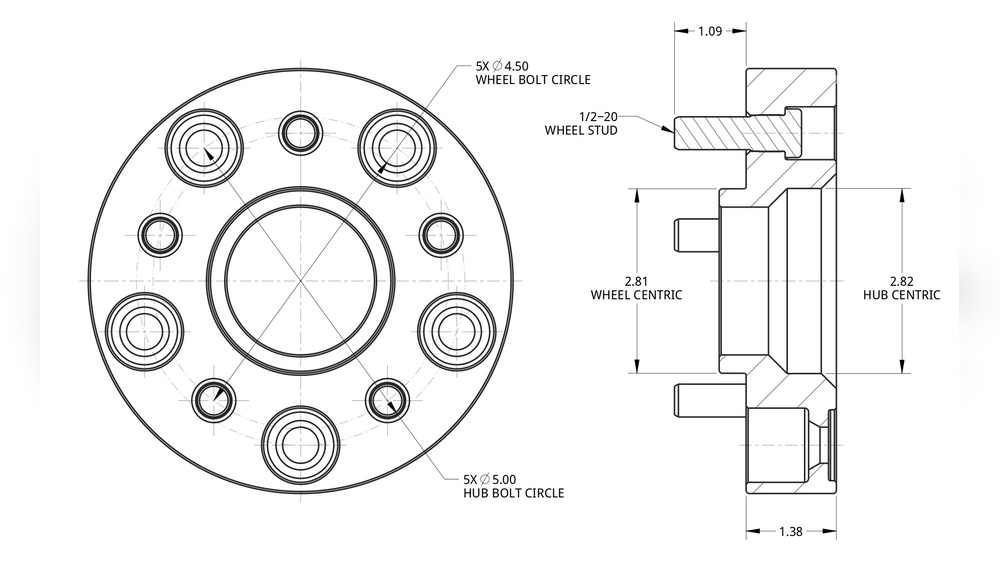
Why does this matter? Your wheels must match your vehicle’s lug pattern exactly.
If they don’t, they won’t fit, and driving becomes dangerous.
The Jeep Tj Lug Pattern Explained
The standard lug pattern for all Jeep TJ models is 5×4.5 inches. This means:
- 5 lug holes
- 4.5-inch diameter (measured from the center of one lug to the farthest lug across the circle)
This pattern remained consistent from 1997 through 2006, whether you have a TJ SE, Sport, Sahara, or Rubicon.
Here’s a quick reference:
| Model Year | Lug Pattern | Hub Center Bore | Lug Nut Thread |
|---|---|---|---|
| 1997–2006 | 5×4.5″ | 71.5 mm | 1/2″-20 |
Non-obvious insight: The Jeep TJ’s lug pattern is the same as many older Ford and Dodge vehicles. This means you can sometimes use wheels from those cars, but you must also check the center bore and offset.
Why Lug Pattern Matters For Your Jeep Tj
Matching the correct lug pattern ensures:
- Safety: Improperly fitting wheels can come loose or cause vibration.
- Performance: The right wheels allow for better tire choices and off-road upgrades.
- Legal compliance: Some regions have laws against mismatched or unsafe wheels.
Beginner mistake: Many think “close enough” works, but even a small difference in pattern can prevent the wheel from mounting or cause long-term issues.
How To Measure A Lug Pattern
Measuring a 5-lug pattern isn’t as easy as measuring across two adjacent lugs. To get the diameter:
- Choose one lug.
- Measure from the center of that lug to the outer edge of the lug directly across.
On a TJ, this should measure 4.5 inches.

Popular Wheel Upgrades For Jeep Tj
Many Jeep TJ owners upgrade their wheels for style or function. Here’s a quick look at common upgrade sizes:
| Wheel Size | Tire Size | Benefits |
|---|---|---|
| 15×8″ | 31×10.50R15 | Classic off-road look, good tire selection |
| 16×8″ | 265/75R16 | Modern appearance, better on-road handling |
| 17×9″ | 285/70R17 | Improved clearance, aggressive stance |
Important: All these upgrades require the same 5×4.5″ bolt pattern.
Lug Pattern Compatibility With Other Jeeps
Not all Jeeps use the same lug pattern. It’s a common misconception that all Jeep wheels are interchangeable.
| Jeep Model | Year | Lug Pattern |
|---|---|---|
| TJ Wrangler | 1997–2006 | 5×4.5″ |
| JK Wrangler | 2007–2018 | 5×5″ |
| Cherokee XJ | 1984–2001 | 5×4.5″ |
| Grand Cherokee | 1999–2010 | 5×5″ |
Takeaway: Only some Jeep models share the TJ’s lug pattern. Always double-check before swapping wheels.

- Stripped lug nuts – Over-tightening or using the wrong size wrench can damage threads.
- Corrosion – Road salt and water can rust the lugs and make removal hard.
- Incorrect torque – Not tightening lugs enough or over-tightening can cause wheels to loosen or studs to break.
Pro tip: Always use a torque wrench and tighten to 95 ft-lb for Jeep TJ lug nuts.
Upgrading To Aftermarket Wheels
When buying new wheels, consider these factors:
- Bolt pattern: Must be 5×4.5″
- Center bore: Needs to fit over the 71.5mm hub
- Offset/backspacing: Affects how far the wheel sticks out. Too much can cause rubbing or handling problems.
- Wheel material: Steel wheels are tough but heavy; alloys are lighter and stylish.
Beginner tip: Don’t focus only on looks. Check fitment with your suspension and brakes to avoid surprises.
If you want to explore wheel fitment further, the Wikipedia page on wheel sizing explains the technical side in detail.