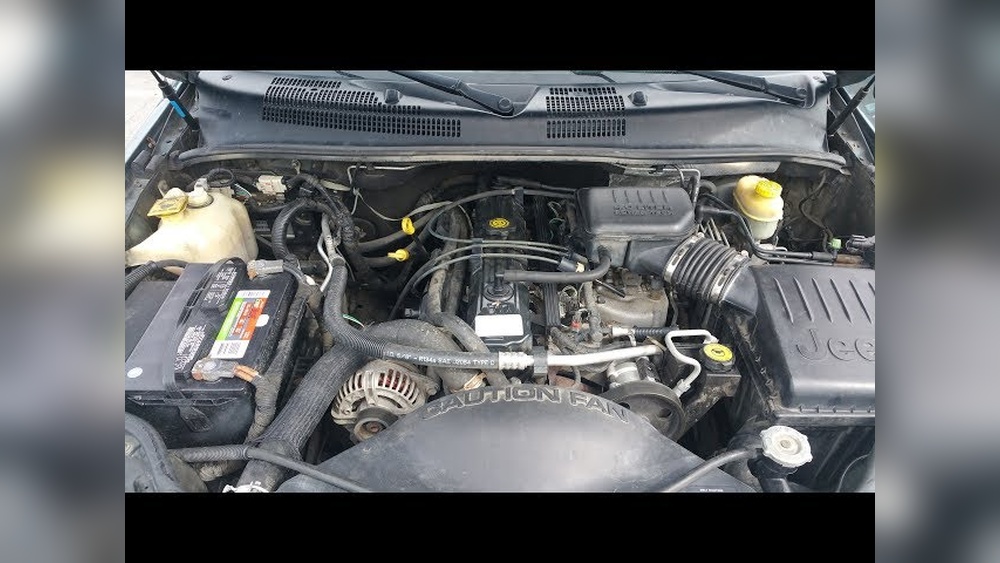
When you work on a Jeep TJ, even small details can make a big difference. One of these details is the lug nut size.
It might seem simple, but using the right lug nuts keeps your wheels safe and secure. If you get the size wrong, you risk damage or, worse, a lost wheel on the road.
This article covers everything you need to know about Jeep TJ lug nut size, including specs, replacement tips, and common mistakes. Whether you’re upgrading wheels or just doing routine maintenance, understanding your lug nuts is more important than you might think.
Jeep Tj Lug Nut Size Overview
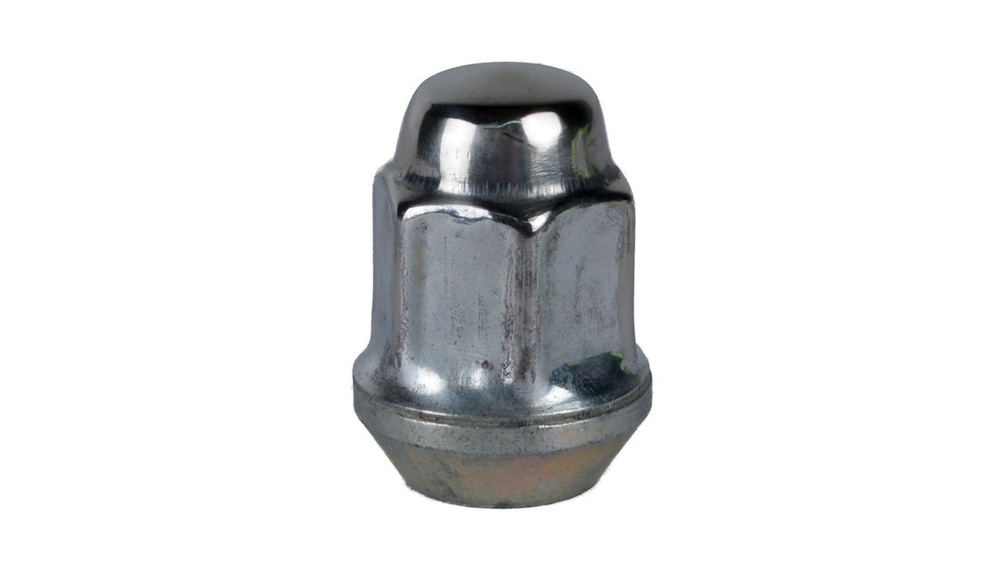
The Jeep TJ was produced from 1997 to 2006. All standard models use the same size lug nuts. The factory specification for a Jeep TJ lug nut is:
- Thread size: 1/2″-20 UNF (Unified National Fine thread)
- Hex size (socket size): 19mm or 3/4 inch
- Seat type: Conical (60-degree taper)
Here’s a quick comparison of factory lug nut specs for different Jeep generations:
| Model | Years | Thread Size | Hex Size | Seat Type |
|---|---|---|---|---|
| Jeep YJ | 1987–1995 | 1/2″-20 | 19mm | Conical |
| Jeep TJ | 1997–2006 | 1/2″-20 | 19mm/3/4″ | Conical |
| Jeep JK | 2007–2018 | 1/2″-20 | 19mm | Conical |
All TJ models (including Sahara, Sport, Rubicon, and SE) use the same lug nut size from the factory.
Why Lug Nut Size Matters
Choosing the correct lug nut size is not just about getting the wheels on. Here’s why it matters:
- Safety: Wrong lug nuts can strip threads or come loose, risking wheel loss.
- Wheel Damage: Incorrect seat type or size can damage your wheels.
- Torque Accuracy: The right size ensures the correct torque, which prevents warping or cracking.
Many Jeep owners upgrade to aftermarket wheels. It’s important to check if the new wheels require a different seat type or length.
Always match the lug nut to both the stud and the wheel.
How To Check And Replace Jeep Tj Lug Nuts
If you want to replace or check your lug nuts, follow these steps:
- Identify existing lug nut size. Factory TJs use 1/2″-20 thread, 19mm hex.
- Check the seat type. Almost all TJ wheels use a 60-degree conical seat.
- Inspect for damage. Look for rounded edges or rust.
- Use the correct torque. Jeep recommends 95 ft-lbs (factory spec).
Here’s a quick look at common Jeep lug nut torque specs:
| Model | Lug Nut Torque (ft-lbs) |
|---|---|
| Jeep YJ | 95 |
| Jeep TJ | 95 |
| Jeep JK | 100 |
Tip: Always use a torque wrench for final tightening. Impact guns can easily over-tighten and strip threads.
Oem Vs Aftermarket Lug Nuts
You might wonder if you need to buy OEM (Original Equipment Manufacturer) lug nuts or if aftermarket options are just as good. Both can work if you match the specs.
Oem Lug Nuts
- Made to strict factory specs
- Consistent quality
- Usually more expensive
Aftermarket Lug Nuts
- Wider range of styles (closed end, open end, colors)
- Some have better corrosion resistance
- Quality can vary—avoid very cheap options
If you change to aftermarket wheels, double-check the required seat type and length. Using factory lug nuts on a wheel designed for a different seat can cause vibration and wheel damage.

Common Lug Nut Mistakes
Many Jeep owners make these mistakes:
- Mixing seat types: Using a conical lug nut on a wheel designed for a mag or ball seat.
- Wrong thread size: Forcing a different thread (like metric) onto a 1/2″-20 stud.
- Reusing damaged lug nuts: Rounded or rusty nuts can fail during removal.
- Ignoring torque: Over-tightening or under-tightening can cause rotor warping or wheel loss.
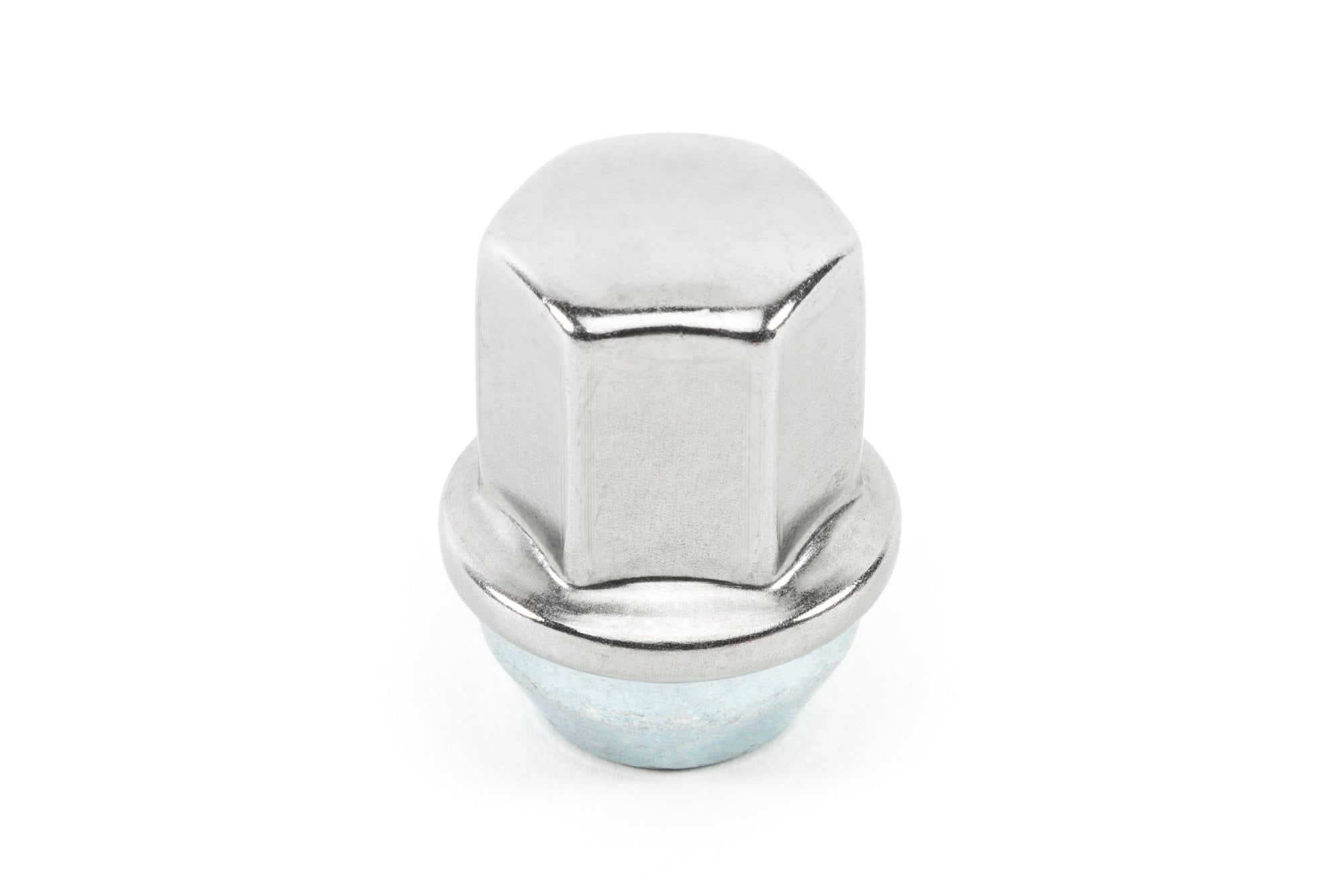
A non-obvious mistake is using “swollen” factory lug nuts. Many Jeep TJs came with lug nuts that have a thin chrome cap. Over time, water and rust can make the cap swell, making it hard to remove with the factory wrench. Replacing these with one-piece solid nuts avoids problems on the trail.
Tips For Choosing Replacement Lug Nuts
To make the right choice:
- Match the thread size: Always 1/2″-20 UNF for Jeep TJ.
- Check seat type: 60-degree conical is standard.
- Choose solid, one-piece nuts: These are stronger and less likely to swell.
- Avoid ultra-cheap sets: Low-quality metal can crack or strip.
Here’s a quick comparison of common lug nut materials:
| Material | Strength | Corrosion Resistance | Cost |
|---|---|---|---|
| Steel (chrome-plated) | High | Moderate | Low |
| Solid stainless | High | Excellent | High |
| Aluminum | Low | Good | Moderate |
Solid steel or stainless lug nuts are usually best for off-road and daily driving.

When You Should Replace Your Lug Nuts
Replace your Jeep TJ lug nuts if you notice:
- The chrome cap is swollen or missing
- The nut is rounded or stripped
- There is visible rust or cracks
- You upgraded to new wheels with a different seat type
Many experts recommend replacing all lug nuts every time you buy new wheels or after 8-10 years of heavy use.
Where To Find The Right Lug Nuts
Most auto parts stores carry Jeep TJ lug nuts. Be sure to specify:
- 1/2″-20 thread
- 19mm hex
- 60-degree conical seat
Online retailers and Jeep forums can help you find high-quality sets. For official specs and maintenance tips, check the Jeep Wrangler Wikipedia page.
Jeep TJs are popular for modifications, so there are many options out there. Always read reviews and double-check fitment before buying.