Jeep Suspension Diagram: Understanding Your Jeep’s Suspension System
If you drive a Jeep, you probably enjoy adventure, off-roading, or simply a smooth ride on rough city streets. But have you ever wondered how your Jeep stays stable over rocks or potholes?
The answer lies in its suspension system. Knowing the basics of a Jeep suspension diagram can help you understand your vehicle, spot problems early, and even plan upgrades.
This article explains Jeep suspension systems, the main parts, and what each does—with simple tables and clear visuals in words.
What Is A Jeep Suspension System?
A suspension system connects your Jeep’s body to the wheels. Its main job is to keep the tires on the ground and absorb bumps. Without it, your ride would be shaky and unsafe, especially off-road. Jeeps use different suspension types, but all share key components that work together for comfort and control.
Key Parts Of A Jeep Suspension Diagram
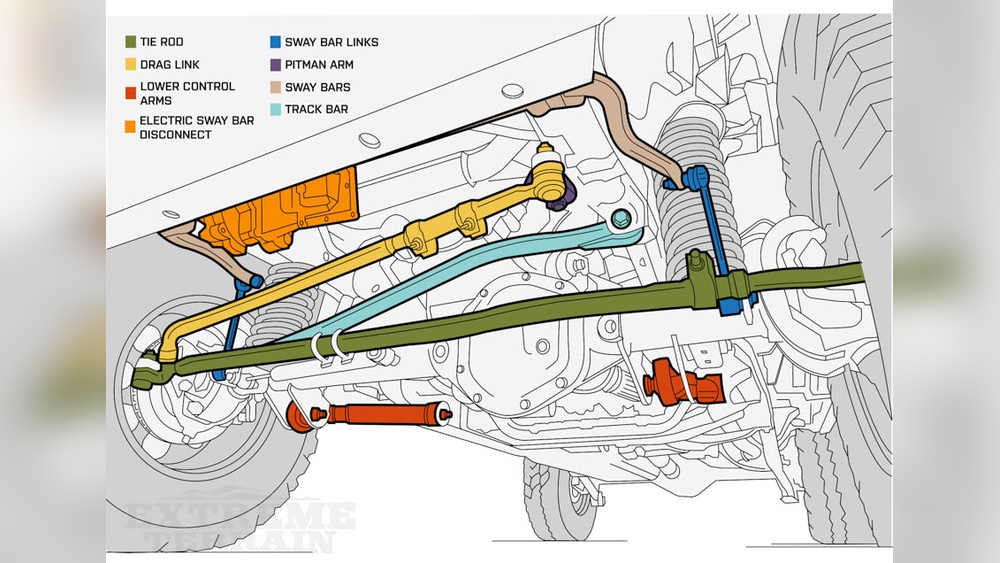
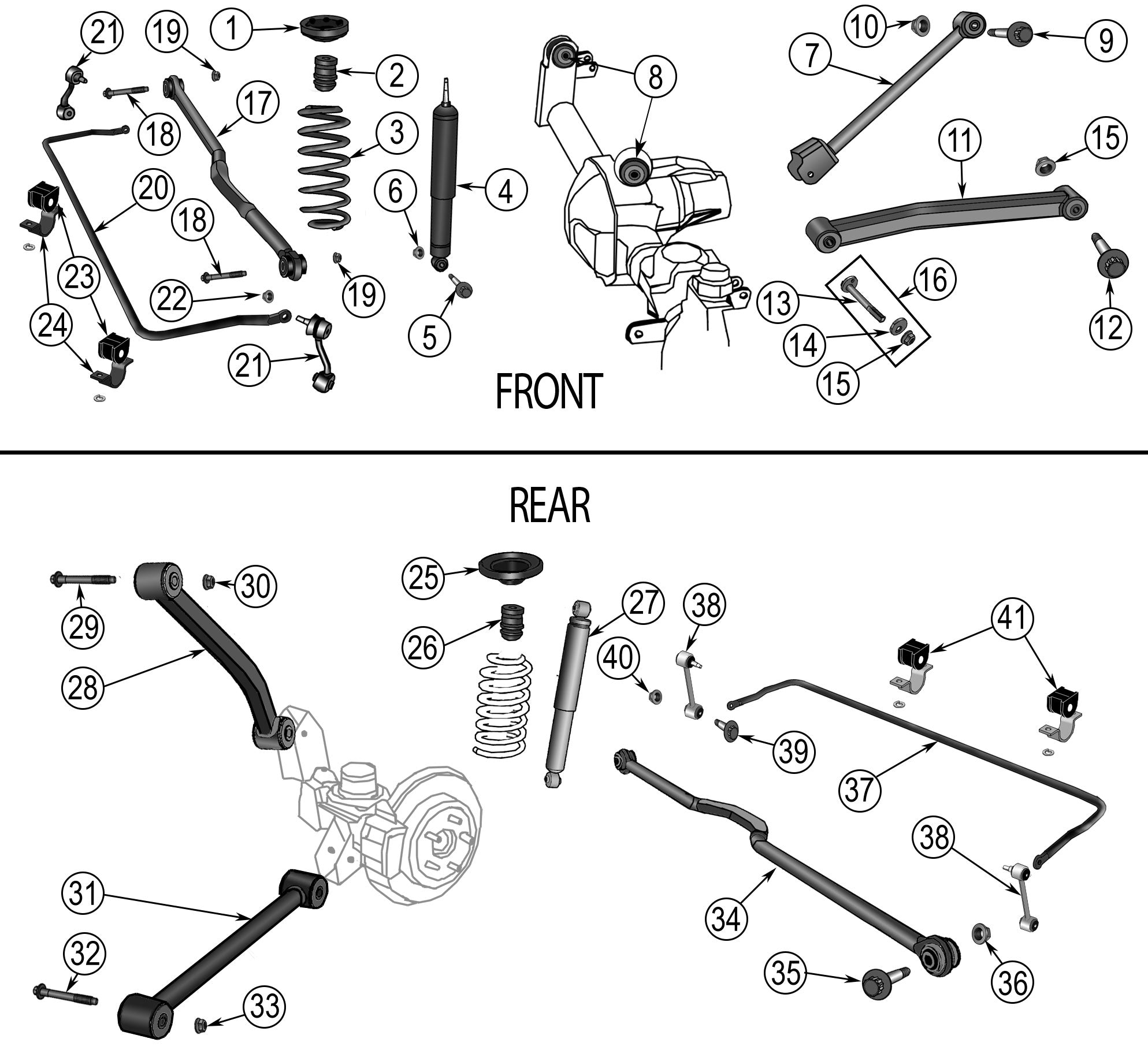
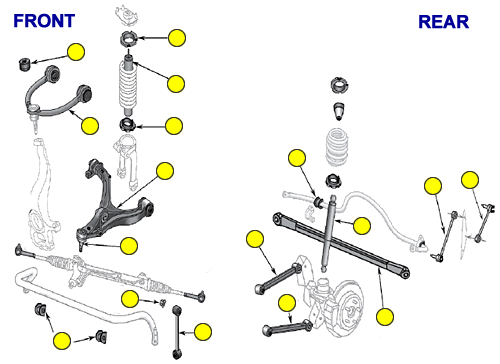
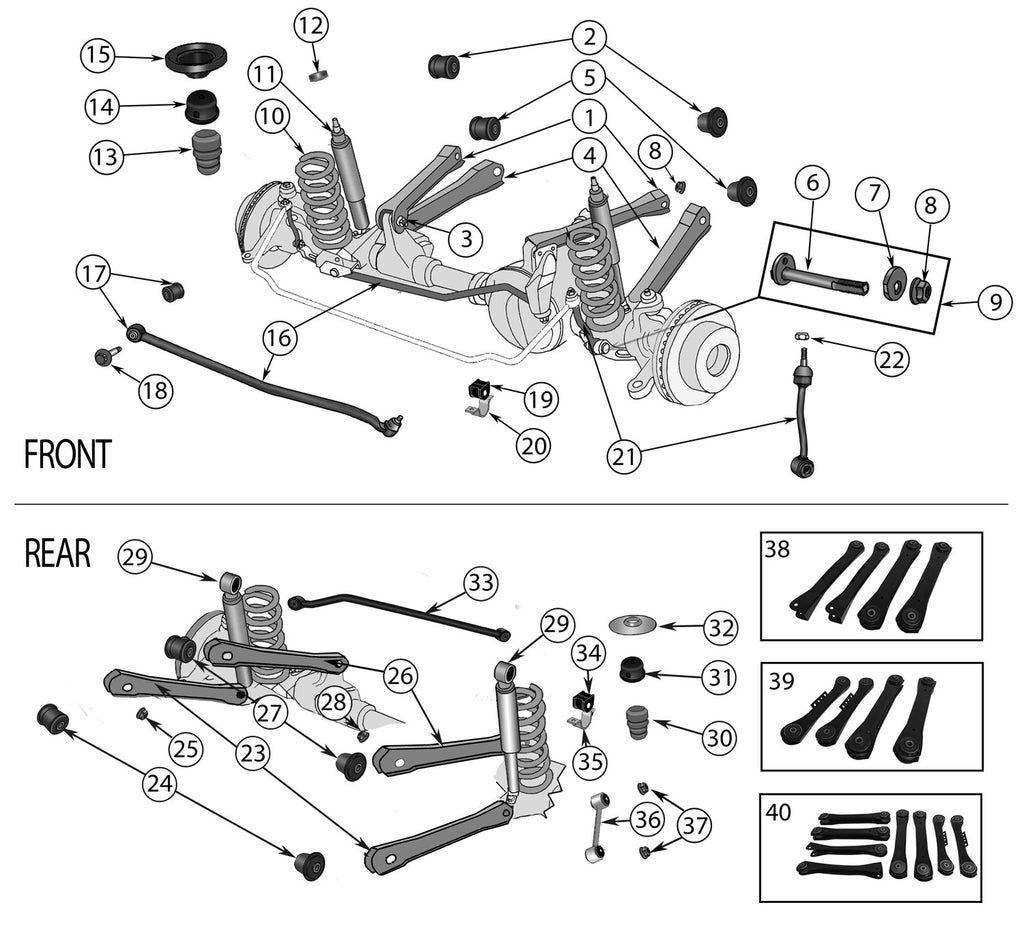
A typical Jeep suspension diagram shows several main parts. Here are the most important ones:
- Springs: These support your Jeep’s weight and absorb shocks.
- Shock absorbers: They control the up-and-down movement of the springs.
- Control arms: These connect the wheels to the frame and guide movement.
- Track bar: This keeps the axle centered.
- Sway bar: It reduces body roll during turns.
- Axles: They transfer power from the engine to the wheels.
- Bump stops: These prevent the suspension from bottoming out.
Let’s look at how these parts fit together in a simple diagram:
| Component | Main Function | Location |
|---|---|---|
| Coil Spring | Supports weight, absorbs bumps | Above axle, between frame and wheel |
| Shock Absorber | Controls spring movement | Near coil spring, attached to frame and axle |
| Control Arm | Guides wheel up and down | Between frame and axle |
| Track Bar | Centers the axle | Front or rear, runs sideways |
| Sway Bar | Reduces body roll | Front and rear, links left and right sides |
Types Of Jeep Suspension Systems
Jeep suspensions come in a few main types. Understanding these helps when reading a suspension diagram or choosing upgrades.
Solid Axle (live Axle)
Most classic Jeeps, like the Wrangler, use solid axles. Both wheels on the same axle move together. This design is strong and simple, perfect for off-roading.
Independent Suspension
Some newer Jeeps, such as the Grand Cherokee, use independent suspension. Here, each wheel moves separately. This gives a smoother ride on pavement.
Leaf Spring Vs. Coil Spring
Older Jeeps often use leaf springs, while modern ones use coil springs. Coil springs give better comfort and handling, while leaf springs are tough and carry heavy loads.
Here’s a quick comparison:
| Type | Ride Comfort | Load Capacity | Off-Road Ability |
|---|---|---|---|
| Coil Spring | High | Medium | Excellent |
| Leaf Spring | Medium | High | Good |
| Independent | Very High | Medium | Fair |
How A Jeep Suspension Diagram Helps
A suspension diagram is more than just a picture. It shows how each part connects and moves. This is helpful when:
- Troubleshooting: If you hear a clunk or feel shaking, a diagram can help you find the problem area.
- Upgrading: Want bigger tires or a lift kit? Use the diagram to see what needs changing.
- Maintenance: Replacing worn parts is easier when you see where everything goes.
Many beginners miss that some aftermarket upgrades can affect other parts. For example, lifting your Jeep changes the angle of the control arms and may require longer brake lines. Always check the diagram before making changes.
Common Jeep Suspension Problems
Even strong Jeep suspensions can develop issues. Here are some common problems, their causes, and what to check:
- Sagging Springs: Jeep sits lower than normal. Often caused by worn out springs.
- Worn Bushings: Clunks or squeaks when driving over bumps. Check the rubber bushings on control arms.
- Leaky Shocks: Oil on the shock body means it’s time to replace the shock absorber.
- Loose Track Bar: Jeep wanders on the road. Inspect the track bar and its mounting bolts.
- Broken Sway Bar Links: Excessive body roll in turns. Look for broken or disconnected sway bar end links.
Spotting issues early saves money and keeps your Jeep safe.
Upgrading Your Jeep Suspension
Many Jeep owners want better performance, higher ground clearance, or a smoother ride. Here’s what to consider before upgrading:
- Lift Kits: These raise your Jeep, allowing for bigger tires and more clearance. Popular sizes range from 2” to 4”.
- Heavy-Duty Shocks: These handle tough trails better and last longer.
- Adjustable Control Arms: Useful for correcting wheel alignment after lifting.
- Extended Brake Lines: Needed if you lift your Jeep more than 2”.
Here’s how different upgrades affect your Jeep:
| Upgrade | Main Benefit | Potential Drawback |
|---|---|---|
| Lift Kit | More ground clearance | May affect handling |
| Heavy-Duty Shocks | Better off-road control | Stiffer ride on pavement |
| Adjustable Control Arms | Fixes alignment | Higher cost |
| Extended Brake Lines | Maintains brake safety | Installation needed |
One insight beginners often miss: Upgrading one part—like adding a lift kit—often means you’ll need to upgrade other parts too. Not doing so can cause handling problems or wear out parts faster.
If you want to see official Jeep suspension diagrams, the Jeep Wrangler Wikipedia page has helpful visuals.
Frequently Asked Questions
What Does A Jeep Suspension Diagram Show?
A Jeep suspension diagram shows all key parts of the suspension system and how they connect. It helps you understand your Jeep’s structure and is useful for repairs, upgrades, or learning more about your vehicle.
Why Is The Track Bar Important In A Jeep Suspension?
The track bar keeps the axle centered under your Jeep. Without it, your vehicle can shift side to side, leading to poor handling or even dangerous driving.
Can I Upgrade My Jeep’s Suspension Myself?
Many basic upgrades, like shocks or sway bar links, can be done at home with the right tools. Bigger changes, like lift kits or control arms, may need special knowledge or help from a mechanic.
What’s The Difference Between Coil And Leaf Springs?
Coil springs offer a smoother ride and better handling, common in modern Jeeps. Leaf springs are tougher and better for carrying heavy loads, often found in older Jeeps or trucks.
How Do I Know If My Jeep Suspension Needs Repair?
Look for signs like a sagging ride height, uneven tire wear, clunks over bumps, or oil leaking from shocks. If you notice these, inspect your suspension using a diagram or ask a professional for help.
A Jeep’s suspension is more than just springs and shocks—it’s the key to a safe, fun, and capable vehicle. Whether you’re fixing, upgrading, or just learning, a good understanding of the suspension diagram gives you confidence behind the wheel.