When your Jeep steering wheel shakes at 50 mph, it's a clear signal something isn't right. This shaking, often called a "death wobble" by Jeep owners, can be unsettling and even dangerous if left unaddressed.
It's a common issue, especially in older or modified Jeeps, and can stem from a variety of problems within the steering and suspension systems. Understanding the potential causes is the first step to getting your Jeep back to its smooth-riding, reliable self.
The sensation is usually a rapid vibration that starts around a specific speed, in this case, 50 mph. It can feel like the steering wheel is trying to escape your hands, and it often intensifies with speed or when hitting bumps.
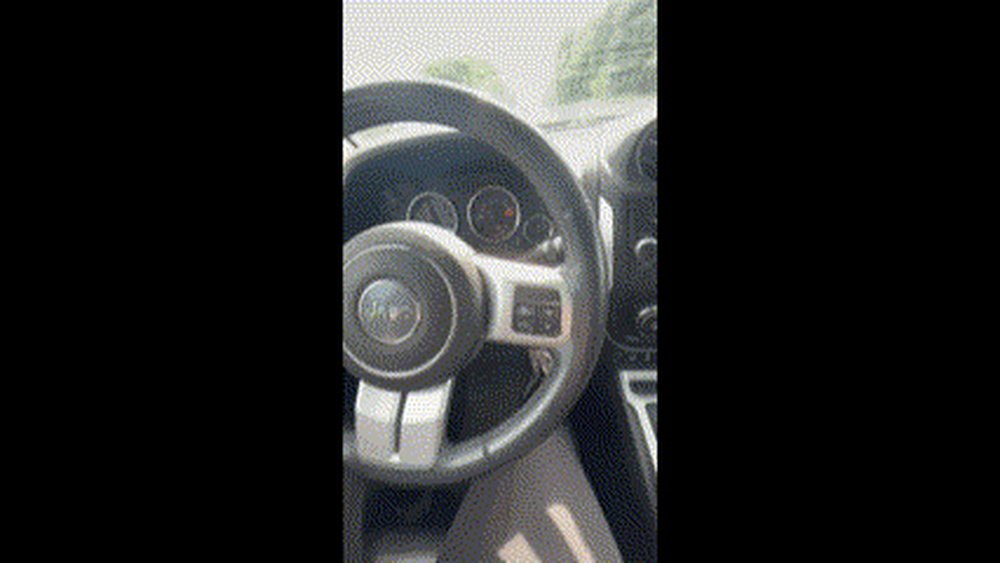
While it might seem like a minor annoyance, it can quickly escalate, affecting your control over the vehicle and potentially leading to more significant damage if ignored. This article will explore the common culprits behind a Jeep steering wheel shaking at 50 mph, offering practical advice on diagnosis and repair.
Tire Issues: The First Place To Look
Tires are the direct connection between your Jeep and the road, so any problem with them can easily translate into steering wheel shake. This is often the simplest and most common cause, making it the logical starting point for diagnosis.
Imbalanced Tires
Tire imbalance is a primary suspect for steering wheel shake, especially at highway speeds. When tires are manufactured, their weight distribution isn’t always perfectly uniform. A tire balancing machine is used to add small counterweights to the wheel rim, correcting any imbalances. Over time, these weights can fall off, or wear can create new imbalances.
When a tire is out of balance, the heavier part of the tire will lift off the road surface at certain speeds, causing a rhythmic vibration. This vibration is transmitted through the suspension and steering components directly to the steering wheel.
The shake often becomes noticeable around 40-50 mph and can get worse as speed increases.
Uneven Tire Wear
Tires that are worn unevenly can also cause significant shaking. This can happen due to several factors:
- Improper inflation: Under-inflated or over-inflated tires wear unevenly.
- Misalignment: When the wheels aren’t pointing in the correct direction, they scrub against the road, causing uneven wear patterns.
- Worn suspension components: Loose or damaged suspension parts can cause tires to bounce or tilt, leading to uneven wear.
Cupping or scalloping is a common type of uneven wear where patches of tread wear down faster than the surrounding areas, creating a wavy pattern. This irregular surface can cause the tire to feel “lumpy” as it rolls, leading to vibrations felt in the steering wheel.
Out-of-round Tires
Occasionally, a tire might not be perfectly round. This can be due to manufacturing defects or damage from impacts. An out-of-round tire will cause a consistent up-and-down motion as it rotates, which translates into a vibration that can be felt at the steering wheel, often at specific speed ranges.
Tire Damage
Physical damage to a tire, such as a bulge on the sidewall or a separated tread, can create an immediate imbalance and vibration. A bulge indicates internal damage and is a serious safety hazard. If you notice any visible damage, the tire needs to be replaced immediately.
Wheel Problems: More Than Just The Tire
Wheels themselves, not just the tires mounted on them, can be the source of steering wheel shake.
Bent Or Damaged Wheels
Wheels can become bent or damaged from hitting potholes, curbs, or other road debris. A bent rim will cause the wheel to wobble as it rotates, even if the tire is perfectly balanced and round. This wobble is directly transmitted to the steering system, leading to vibrations. The severity of the shake often depends on how badly the wheel is bent and at what speed the wobble becomes most pronounced.
Loose Lug Nuts
This is a critical safety issue. If the lug nuts holding your wheel to the hub are loose, the wheel can actually wobble on the hub. This is a very dangerous condition that can lead to the wheel detaching from the vehicle. A loose lug nut will often cause a clicking or rattling sound, and the shaking will be severe and erratic. Always ensure lug nuts are properly tightened, especially after a tire rotation or wheel change.

Steering And Suspension Components: The Core Of The Issue
The steering and suspension systems are complex networks of parts designed to work together. A worn or damaged component in this system can easily cause vibrations.
Worn Ball Joints
Ball joints are crucial pivot points that connect the control arms to the steering knuckles. They allow the wheels to turn and absorb road shocks. When ball joints wear out, they develop play or looseness. This looseness allows the wheel assembly to move independently of the steering linkage in ways it shouldn’t, causing shimmy and vibration. Worn ball joints are a common cause of death wobble in Jeeps.
Worn Tie Rod Ends
The tie rods connect the steering rack to the steering knuckles, translating your steering wheel input into movement at the wheels. The tie rod ends are ball-and-socket joints at the ends of these rods. Like ball joints, worn tie rod ends develop play. This play allows the wheels to move slightly side-to-side without the steering wheel turning, resulting in a shaky steering wheel and imprecise steering.
Worn Control Arm Bushings
Control arm bushings are rubber or polyurethane components that cushion the connection points of the control arms to the Jeep’s frame. Over time, these bushings can degrade, crack, or tear. When they wear out, they allow excessive movement in the control arms, which can lead to alignment issues and vibrations, particularly under braking or acceleration.
Worn Steering Stabilizer
The steering stabilizer is a shock absorber specifically for the steering system. Its primary job is to dampen out sudden jolts and vibrations that would otherwise be transmitted to the steering wheel, especially from larger tires or rough terrain. While a faulty stabilizer won’t usually cause a death wobble on its own, a worn-out or malfunctioning one can allow existing vibrations from other components to become much more noticeable and severe.
Worn Steering Gear Box Or Rack And Pinion
The steering gear box (on older Jeeps with recirculating ball steering) or rack and pinion (on newer models) is the heart of the steering system. If the internal components within the gear box or rack become worn, excessive play can develop. This means there’s a gap between the steering wheel’s input and the actual movement of the wheels, which can manifest as a shaky steering wheel or a general looseness in the steering.
Worn U-joints In The Steering Column
The steering column has U-joints (universal joints) to allow the steering wheel’s rotation to be transmitted to the steering gear box even when the engine and steering column aren’t perfectly aligned. If these U-joints become worn or stiff, they can bind, causing a jerky or shaky feeling in the steering wheel, particularly when turning.
Axle And Drivetrain Components: Less Common, But Possible
Problems within the axles and drivetrain can also contribute to steering wheel shake, although they are generally less common causes than tire or steering/suspension issues.
Worn Wheel Bearings
Wheel bearings allow your wheels to spin freely. When they wear out, they become loose. This looseness allows the wheel hub to wobble, which can be felt as a vibration or shaking in the steering wheel, often accompanied by a humming or grinding noise that gets louder with speed. A severely worn wheel bearing is a significant safety concern.
Loose Wheel Hub Assembly
Similar to worn wheel bearings, a loose wheel hub assembly can cause the wheel to wobble. This can be due to worn bearings or issues with the mounting bolts that secure the hub to the axle.
Worn Axle U-joints
The U-joints in the front axle shafts allow the wheels to receive power from the differential while also allowing for steering. If these U-joints are worn, they can cause a clunking sensation or vibration, especially when accelerating or turning. While less likely to cause a consistent 50 mph shake, severe wear can contribute to overall instability.
Driveshaft Imbalance Or Damage
The driveshaft transmits power from the transmission to the differentials. If the driveshaft becomes unbalanced (e.g., a lost weight) or is damaged (e.g., bent), it can cause vibrations that are felt throughout the vehicle, including the steering wheel. These vibrations are often speed-dependent.

Braking System Issues: A Surprising Culprit
While you might not immediately think of your brakes when experiencing a steering wheel shake at speed, problems here can definitely cause vibrations felt in the steering wheel, especially when braking.
Warped Brake Rotors
Warped brake rotors are a very common cause of steering wheel shake, but it’s typically most noticeable when you apply the brakes. The rotor is the disc that the brake pads clamp onto. If a rotor becomes warped (unevenly heated and cooled), its surface is no longer perfectly flat. As the brake pads grip the uneven rotor, they cause a pulsing sensation that is transmitted through the steering system to the steering wheel.
If the shake occurs *only* when braking, warped rotors are almost certainly the cause. If it happens constantly at 50 mph and *also* gets worse when braking, it points to a more complex issue, but warped rotors can exacerbate existing vibrations.
Sticking Brake Caliper
A brake caliper houses the brake pads and piston(s) that apply pressure to the rotor. If a caliper starts to stick, it can cause the brake pad to remain partially engaged with the rotor even when you’re not braking. This constant friction can generate heat, potentially warp the rotor, and cause a persistent vibration or pull to one side, which can be felt in the steering wheel.
Other Potential Causes
Beyond the common issues, a few other less frequent problems can lead to a shaky steering wheel.
Loose Or Damaged Steering Knuckle
The steering knuckle is a critical component that connects the suspension, wheel hub, and steering linkage. If the knuckle itself is cracked, bent, or if its mounting points are loose, it can lead to significant instability and shaking.
Worn Wheel Hub Bearings
This is distinct from axle U-joints. The wheel hub bearing is what the wheel mounts onto, allowing it to spin. If this bearing is worn, it creates looseness in the wheel assembly, leading to vibrations.
Loose Shock Absorbers Or Struts
While shocks and struts are primarily for ride comfort, if they become excessively loose or damaged, they can contribute to instability and allow vibrations from other sources to be amplified.
Frame Or Body Damage
In severe cases, significant frame damage or body damage from an accident could potentially affect the alignment and integrity of the suspension and steering components, leading to vibrations.
Tire Rod End Loose/damaged
Reiterating this point as it’s critical: worn tie rod ends are a very frequent cause of shimmy. If there’s play here, the steering wheel will feel loose and vibrations are common.
Drag Link Issues
The drag link is another component of the steering linkage, connecting the steering box or pitman arm to the steering knuckle on the opposite side of the vehicle from the tie rod. Wear in the drag link or its ends can cause looseness and contribute to shaking.
Pitman Arm Wear
The Pitman arm connects the steering gear box to the drag link. If the splines where it connects to the gear box become worn, or if the arm itself is bent, it can introduce play and cause steering issues, including shaking.
Track Bar Problems
Jeeps, especially those with solid front axles, use a track bar (also called a panhard rod) to keep the axle centered under the vehicle. If the track bar itself is bent, or if its mounting bushings are worn or loose, the axle can shift side-to-side, causing a wobble or death wobble. This is a very common cause of severe shaking in solid axle Jeeps.
Steering Column Play
Beyond the U-joints, the main steering column itself can develop internal wear or looseness, leading to play in the steering wheel and potential vibrations.
Power Steering Pump Issues
While a failing power steering pump typically causes difficulty in turning or whining noises, in some cases, erratic hydraulic pressure could potentially contribute to steering instability or a shaky feel.
Worn Spindle Bushings
On some Jeep models, the spindle bushings (where the steering knuckle pivots) can wear out, leading to looseness and potential shaking.
Loose Caliper Bolts
If the bolts holding the brake caliper to the steering knuckle become loose, the entire caliper assembly can shift, causing noise and potentially contributing to vibrations felt through the steering.
Worn Sway Bar Links
While primarily for body roll control, severely worn or loose sway bar links can introduce a degree of instability that might be felt as a tremor at certain speeds.
Unbalanced Spare Tire
If your spare tire is mounted and happens to be unbalanced, it won’t cause shaking while driving normally. However, if it’s ever accidentally mounted and used, or if its weight is affecting the overall balance of the vehicle in a specific way, it’s a remote possibility.
Uneven Weight Distribution
While not a component issue, significant uneven weight distribution in the vehicle (e.g., extremely heavy cargo loaded to one side) could theoretically put stress on suspension components and contribute to vibrations, though this is highly unlikely to be the sole cause.
Tire Rod End Loose/damaged
This is a critical component for steering stability. If the tie rod ends are worn, they allow excessive play. This play means that small imperfections in the road can cause the wheel to oscillate rapidly, leading to a shaking steering wheel. This is often a primary contributor to the infamous “death wobble.”
Loose Ball Joint
A worn ball joint creates a similar issue to a worn tie rod end. It allows for unwanted movement between the steering knuckle and the control arm. This looseness can cause the wheel to shimmy violently, especially when encountering bumps or uneven surfaces at speed.
Worn Control Arm Bushings
The control arm bushings isolate the metal-on-metal contact between the control arms and the chassis. When these rubber or polyurethane components wear out, they allow for more movement of the axle relative to the frame. This can lead to alignment changes and vibrations that are transmitted directly to the steering wheel.
Steering Stabilizer Failure
The steering stabilizer is essentially a shock absorber for your steering. Its job is to absorb the sharp jolts that can cause a shimmy. If it fails, it can no longer dampen these forces, making any existing vibrations much more pronounced and noticeable in the steering wheel.
Worn Steering Gear Box
The steering gear box translates the rotational motion of the steering wheel into the side-to-side motion of the tie rods. If the internal mechanisms of the gear box become worn, there will