When you turn the key in your Jeep and nothing happens, or worse, the steering wheel is completely stuck, it can be a jarring and concerning experience. A locked steering wheel is a common security feature in many vehicles, designed to prevent theft.
However, sometimes this system can malfunction or be engaged in a way that prevents you from driving your Jeep. Understanding why your Jeep steering wheel locked up and how to fix it is crucial for any Jeep owner.
This guide will walk you through the common causes, troubleshooting steps, and when it’s time to seek professional help.
Why Your Jeep Steering Wheel Might Be Locked
The steering wheel lock in your Jeep is an anti-theft mechanism. It engages automatically when you remove the key from the ignition.
When the steering wheel is turned slightly after the key is removed, a pin or bolt from the steering column engages with a notch in the steering wheel, preventing it from turning.
This is a simple yet effective way to deter car thieves.
However, several factors can lead to a situation where the steering wheel remains locked even when you’re trying to start your Jeep:
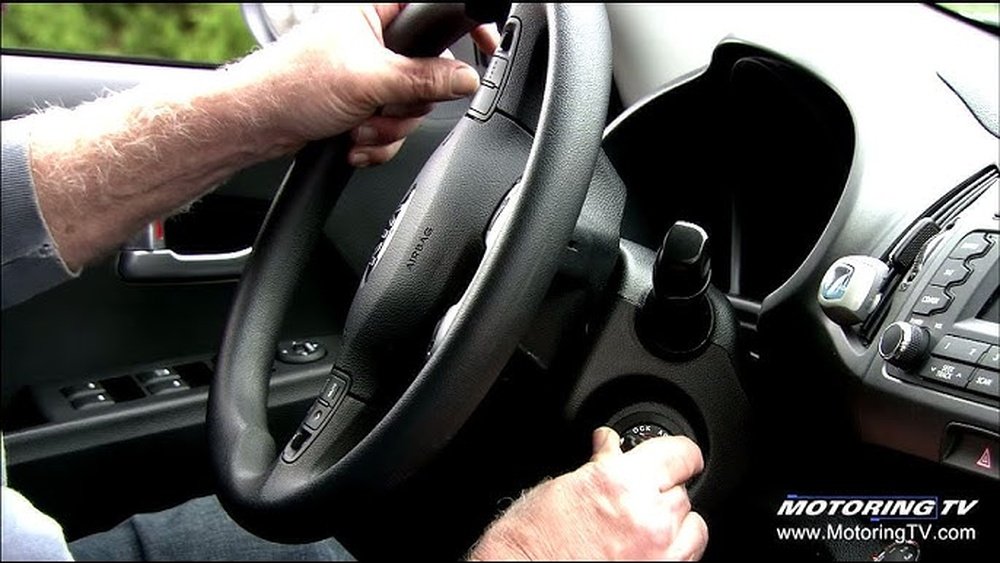
- Key Not Fully Inserted or Turned: The most frequent reason for a locked steering wheel is not inserting the key fully into the ignition or not turning it far enough. The ignition cylinder needs to rotate to a specific point to disengage the locking mechanism.
- Steering Wheel Under Tension: If the steering wheel was turned with some force against the locking pin when the key was removed or when you’re trying to start the car, it can create tension. This tension can make it difficult for the ignition cylinder to turn and disengage the lock. Imagine pushing a door against its frame; it’s harder to open than a door that isn’t being pushed.
- Worn or Damaged Ignition Cylinder: Over time, the ignition cylinder, which houses the tumblers that align with your key, can wear out. If the tumblers are worn or damaged, they might not align correctly with the key, preventing the lock from disengaging.
- Broken Key: A key that is bent, chipped, or broken can fail to operate the ignition cylinder properly. Even a small piece of the key missing can prevent the tumblers from aligning, leaving the steering wheel locked.
- Damaged Key Fob (for keyless ignition): For Jeeps with keyless ignition systems, a faulty key fob or a dead battery in the fob can sometimes trigger the steering lock or prevent its disengagement. The car’s system might not recognize the fob, thus keeping the security features active.
- Electrical Issues: While less common for a simple steering lock, complex electrical problems within the ignition system or the vehicle’s Body Control Module (BCM) could potentially interfere with the steering lock mechanism.
- Steering Column Damage: Physical damage to the steering column, perhaps from an accident or attempted theft, can also cause the steering wheel to become stuck.
Simple Fixes For A Locked Jeep Steering Wheel
Before you panic or call for a tow truck, try these straightforward solutions. Many times, a locked steering wheel can be freed with a little patience and the right technique.
The Gentle Wiggle Method
This is the most common and effective method for dealing with steering wheel tension.
- Insert the Key: Put your Jeep key into the ignition.
- Apply Gentle Turning Pressure: Try to turn the key in the ignition towards the ‘ON’ or ‘START’ position. You might feel resistance because the lock is engaged.
- Wiggle the Steering Wheel: While keeping slight turning pressure on the key, gently wiggle the steering wheel back and forth. Try moving it left and right. You are trying to relieve the pressure on the locking pin.
- Listen for a Click: As you wiggle the wheel and apply turning pressure to the key, you might hear a small click. This is the sound of the locking pin retracting.
- Try Starting the Engine: Once you feel the steering wheel loosen up or hear the click, try turning the key to start the engine.
Pro Tip: Don’t force the key or the steering wheel. Excessive force can damage the ignition cylinder or the steering column, leading to more expensive repairs. The goal is to find the sweet spot where the tension is released.
Check The Key
Your key is the direct interface with the ignition cylinder. If it’s not working correctly, neither will the lock.
- Inspect the Key: Look for any visible damage, such as bends, chips, or worn teeth. A worn key might not be able to lift the tumblers in the ignition cylinder to the correct height.
- Try a Spare Key: If you have a spare key, try using that. If the spare key works, it indicates that your primary key is worn or damaged and needs to be replaced.
- Ensure Proper Insertion: Make sure the key is inserted all the way into the ignition cylinder. Sometimes, a key that isn’t fully seated won’t engage all the necessary parts of the ignition switch.
For Keyless Ignition Systems
Jeeps with push-button start have a similar, albeit electronic, locking mechanism.
- Check the Key Fob Battery: A dead battery in your key fob is a common culprit. Most Jeeps have a backup method to start the vehicle if the fob battery is low. Often, you need to place the fob directly against the start button or in a specific slot (check your owner’s manual for the exact location).
- Press and Hold the Start Button: With the key fob in the correct position, press and hold the start button for a few seconds longer than usual. This can sometimes force the system to recognize the fob and disengage the lock.
- Wiggle the Steering Wheel: Similar to the keyed ignition, gently wiggle the steering wheel back and forth while pressing the start button. This can help disengage the electronic steering lock.

Troubleshooting More Complex Issues
If the simple methods don’t work, the problem might be more complex and require a deeper look.
Worn Or Damaged Ignition Cylinder
The ignition cylinder is a mechanical component that can wear out over time. The tumblers inside the cylinder are precisely shaped to match the cuts on your key.
When the key is turned, these tumblers are lifted to a specific height, allowing the cylinder to rotate.
If the tumblers are worn down or if the cylinder itself is damaged, they may not align correctly, even with a good key.
Symptoms:
- The key is difficult to insert or remove.
- The key turns with significant resistance or not at all.
- The steering wheel lock doesn’t disengage even with the correct key and wiggling.
Solution:
If the ignition cylinder is suspected to be the issue, it will likely need to be replaced. This is a job for a qualified mechanic or an automotive locksmith.
They can often re-key the new cylinder to match your existing key, or you may need new keys cut.
Broken Key Fragment In The Ignition
Sometimes, a key can break off inside the ignition cylinder, leaving a piece of the key lodged within. This will prevent any other key from being inserted or turning, and the steering lock may remain engaged.
Symptoms:
- The key broke off in the ignition.
- You cannot insert the key fully.
- The steering wheel is locked, and no other key works.
Solution:
This requires specialized tools and expertise to remove the broken fragment without causing further damage to the ignition cylinder. An automotive locksmith is usually the best option for this type of repair.
They have tools designed to grip and extract broken key pieces.
Steering Column Problems
The steering column is a complex assembly that connects the steering wheel to the rest of the steering system. Issues within the column, such as a damaged lock actuator or worn components, can cause the steering wheel to lock up unexpectedly or refuse to unlock.
Symptoms:
- Grinding or clunking noises when turning the steering wheel.
- The steering wheel feels loose or excessively stiff.
- The steering lock mechanism seems jammed.
Solution:
Repairing the steering column is a significant job that requires disassembly of the dashboard and steering column components. This should only be performed by a certified mechanic.
Electrical Faults
While less common for a simple steering lock, electrical issues can sometimes play a role, especially in modern Jeeps with sophisticated electronic systems. A faulty sensor, a blown fuse related to the ignition system, or a problem with the Body Control Module (BCM) could theoretically interfere with the steering lock.
Symptoms:
- Other electrical components in the car are also malfunctioning.
- Warning lights on the dashboard are illuminated.
- The vehicle exhibits random electrical gremlins.
Solution:
Diagnosing electrical faults requires specialized diagnostic equipment. A mechanic will use a scan tool to check for error codes and test various electrical circuits.
When To Call A Professional
If you’ve tried the simple wiggle method and checked your key, and your Jeep’s steering wheel is still locked, it’s time to consider professional help. Continuing to force the issue can lead to more severe damage and higher repair costs.
Here are the scenarios where you should definitely call a professional:
- You’ve tried the wiggle method multiple times without success.
- Your key is visibly damaged or broken.
- You suspect the ignition cylinder is worn or damaged.
- You hear unusual noises from the steering column.
- You have a keyless ignition system and the fob battery replacement didn’t work.
- You’re uncomfortable performing any troubleshooting yourself.
Who to call:
- Automotive Locksmith: If you suspect a key or ignition cylinder issue (worn key, broken key fragment, faulty ignition cylinder), an automotive locksmith is your best bet. They specialize in vehicle locks and keys and often have mobile services, meaning they can come to you.
- Mechanic/Dealership: For issues related to the steering column itself, electrical problems, or if the ignition cylinder needs to be replaced and re-keyed by a dealer, a qualified mechanic or your local Jeep dealership is the way to go. They have the tools and expertise to diagnose and repair complex mechanical and electrical systems.

Understanding Jeep Steering Lock Mechanisms
Jeeps, like most modern vehicles, employ a steering wheel lock system that is integrated with the ignition. The exact implementation can vary slightly depending on the model year and trim level, but the core principle remains the same: a physical or electronic lock that engages when the key is removed and disengages when the key is turned in the ignition.
Mechanical Steering Lock
This is the traditional system found in older Jeeps and some newer models.
- How it works: When the key is removed from the ignition, a small metal pin or bolt is extended from the steering column into a corresponding slot or groove on the steering wheel’s shaft. This prevents the steering wheel from rotating. To unlock, you insert the key and turn it. As the ignition cylinder rotates, it retracts the pin, allowing the steering wheel to move freely.
- Common issues: The primary issue here is tension. If the steering wheel is left turned against the locking pin, it creates pressure. When you try to unlock it, the pin is jammed against the side of its housing, making it difficult for the ignition cylinder to turn.
Electronic Steering Lock (esl)
Many newer Jeeps, especially those with push-button start, utilize an Electronic Steering Lock (ESL).
- How it works: Instead of a purely mechanical pin, an ESL uses an electric motor or solenoid to engage and disengage the lock. This is controlled by the vehicle’s computer. When the key fob is detected and the brake pedal is pressed, the system signals the ESL to retract.
- Common issues: ESLs can fail due to electrical faults, motor wear, or problems with the control module. Low fob battery power can also prevent the system from disengaging. The “wiggle” method can sometimes still help by ensuring the steering wheel is in a neutral position, making it easier for the electronic actuator to retract.
Preventing Future Steering Lock Issues
While some issues are due to wear and tear, there are steps you can take to minimize the chances of your Jeep’s steering wheel locking up unexpectedly.
- Be Gentle with the Steering Wheel: When turning off your Jeep, avoid leaving the steering wheel turned hard against the locking mechanism. Try to straighten the wheels as much as possible before removing the key.
- Maintain Your Keys: Keep your keys in good condition. Avoid carrying them on a keychain with heavy objects that could bend or damage them. If a key starts to feel worn or difficult to use, consider getting a new one cut before it causes ignition problems.
- Regular Maintenance: Have your ignition system and steering column inspected periodically during routine maintenance. A mechanic can spot early signs of wear or potential problems.
- Key Fob Battery: For keyless ignition systems, replace the key fob battery when it starts to get weak (most cars will give you a warning). Keeping a spare battery on hand can also be helpful.
- Avoid Extreme Temperatures: While not a direct cause, extreme heat or cold can sometimes exacerbate existing mechanical issues. Parking in a garage when possible can help protect your vehicle’s components.

When The Steering Wheel Is Locked, But The Key Won’t Turn
This is a common scenario where the steering wheel is locked, and you can’t even get the key to turn in the ignition. The tension on the steering lock pin is preventing the ignition cylinder from rotating.
The most effective solution is the “wiggle and turn” method:
- Find the Tension Point: Gently try to turn the steering wheel in one direction (e.g., left) until you feel it stop. Hold it there.
- Insert the Key: Insert your Jeep key into the ignition.
- Apply Slight Turning Force: While maintaining pressure on the steering wheel in that direction, try to turn the key towards the ‘ON’ or ‘START’ position.
- Release and Repeat: If the key doesn’t turn, release the pressure on the steering wheel and try turning it slightly in the *other* direction (e.g., right) until it stops. Then, try turning the key again.
- Listen and Feel: You are looking for the point where the steering wheel can move just a tiny bit, and the key can turn smoothly. This is the point where the locking pin is no longer engaged.
Example: Imagine trying to open a sticky drawer. You might have to jiggle it slightly side-to-side to get it to slide open. The steering lock works similarly; you need to find the right jiggle to release the tension.
Steering Wheel Locked After Battery Replacement
Sometimes, after a vehicle’s battery has been disconnected and reconnected, electronic components can reset or require re-initialization. While less common for a mechanical steering lock, an Electronic Steering Lock (ESL) might behave erratically.