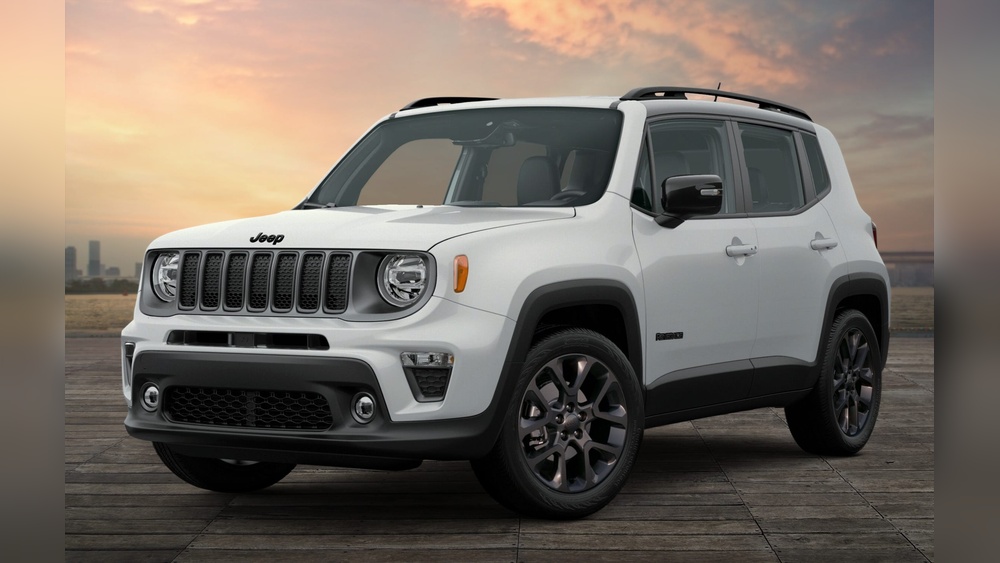
Protecting Your Grand Cherokee: A Deep Dive Into Skid Plates
Your Jeep Grand Cherokee is more than just a vehicle; it's a ticket to adventure. Whether you're navigating rugged trails, tackling tough weather, or simply want peace of mind on less-than-perfect roads, protecting its undercarriage is crucial.
This is where skid plates come into play. These protective shields are designed to guard vital components like the engine, transmission, transfer case, and fuel tank from damage caused by rocks, debris, and impacts.
For owners of the Jeep Grand Cherokee, understanding skid plates, what they are, why you need them, and how to choose the right ones, is essential for maintaining your vehicle's performance and longevity.
Many Grand Cherokee owners might think their vehicle is tough enough for most situations, and for everyday driving, it often is. However, off-roading, even mild off-roading, introduces risks that standard underbody protection simply can’t handle.
A stray rock can puncture a vital oil pan, a sharp edge can slice a fuel line, or a hard impact can bend a control arm.
These aren’t just minor inconveniences; they can lead to costly repairs, roadside breakdowns, and even permanent damage to your vehicle. Skid plates act as a crucial layer of defense, absorbing impacts and deflecting obstacles that would otherwise harm your Jeep’s sensitive mechanical parts.
Investing in good skid plates is like buying insurance for your vehicle’s most critical systems, allowing you to explore with greater confidence.
Why Skid Plates Are Essential For Your Grand Cherokee
The allure of the Grand Cherokee lies in its capability. It’s designed to go beyond the pavement, but its factory-issued underbody protection is often a compromise.
While sufficient for light-duty use, it falls short when the terrain gets serious. The underside of your Grand Cherokee houses critical components that are relatively exposed and vulnerable to damage.
Here’s a breakdown of why skid plates are not just an option, but a necessity for many Grand Cherokee owners:
- Protection from Impacts: The most obvious benefit is safeguarding against direct hits. Rocks, logs, and other trail debris can cause significant damage. Skid plates absorb these impacts, preventing punctures or severe dents to components like the oil pan, transmission, and fuel tank.
- Shielding Against Abrasion: Dragging your vehicle over uneven surfaces can cause scraping and wear on exposed parts. Skid plates provide a sacrificial layer that takes the brunt of this friction, protecting the original components underneath.
- Preventing Component Damage: A damaged oil pan can lead to catastrophic engine failure. A compromised fuel tank can lead to leaks and fire hazards. A broken transmission line can leave you stranded. Skid plates are a proactive measure against these potentially disastrous outcomes.
- Maintaining Off-Road Capability: Without adequate protection, you’ll be hesitant to tackle challenging terrain. Skid plates give you the confidence to push your Grand Cherokee’s limits, knowing its vital systems are shielded. This is particularly important for models equipped with advanced off-road packages like the Quadra-Drive II system, which is designed for serious trail use.
- Preserving Resale Value: A vehicle with a pristine undercarriage will command a higher resale value than one showing signs of impact damage or wear. Skid plates help maintain the condition of your vehicle’s most vulnerable areas.
Understanding The Different Types Of Skid Plates
Not all skid plates are created equal. They vary in material, design, and coverage.
Choosing the right type depends on your intended use and budget. For the Jeep Grand Cherokee, you'll typically find skid plates made from steel or aluminum, each with its own pros and cons.
Steel Skid Plates
Steel is the traditional choice for robust underbody protection. It’s incredibly strong and durable, offering superior resistance to impacts and abrasion.
- Pros:
- Extreme Durability: Steel is exceptionally tough and can withstand heavy impacts without deforming significantly.
- Cost-Effective: Generally, steel skid plates are more affordable than their aluminum counterparts.
- Readily Available: They are a popular aftermarket choice, meaning a wide variety of options are usually available.
- Cons:
- Weight: Steel is heavy. This added weight can impact your Grand Cherokee’s fuel economy and suspension performance. A full set of steel skid plates can add 50-100 pounds or more to the vehicle.
- Corrosion: Steel is susceptible to rust, especially in areas with high humidity or where salt is used on roads in winter. While many are powder-coated or treated, rust can still become an issue over time.
Aluminum Skid Plates
Aluminum offers a lighter-weight alternative to steel while still providing excellent protection. It’s a popular choice for those looking to minimize added weight.
- Pros:
- Lightweight: Aluminum is significantly lighter than steel, typically 30-50% lighter. This means less impact on fuel economy and handling.
- Corrosion Resistance: Aluminum naturally resists rust and corrosion, making it a good choice for various climates.
- Good Strength: While not as strong as steel, high-quality aluminum alloys are very strong and can effectively protect against most trail hazards.
- Cons:
- Cost: Aluminum skid plates are generally more expensive than steel options.
- Formability: While strong, aluminum can deform more easily under extreme, sharp impacts compared to steel. It might dent or bend where steel might remain intact.
- Repairability: Dents in aluminum can sometimes be harder to repair than those in steel.
Key Components To Protect With Skid Plates
Your Grand Cherokee has several vital components tucked away underneath that require specific protection. When selecting a skid plate system, consider which components you want to shield. Most aftermarket kits offer protection for the following:
- Engine Skid Plate: This is arguably the most critical. It protects the oil pan, which is often the lowest-hanging and most vulnerable part of the engine. A damaged oil pan means rapid oil loss and potential engine seizure.
- Transmission Skid Plate: The transmission is another complex and expensive component. A skid plate here protects its housing and any exposed lines or sensors.
- Transfer Case Skid Plate: For Grand Cherokees equipped with a transfer case (essential for 4×4 functionality), this plate is vital. It shields the transfer case from impacts that could compromise its ability to distribute power to the wheels.
- Fuel Tank Skid Plate: The fuel tank and its lines are susceptible to punctures from sharp objects. A fuel tank skid plate provides a robust barrier against such damage.
- Steering System Protection: Some more comprehensive kits may also include protection for the steering components, such as the steering box or tie rods, which can be vulnerable during off-road excursions.
The level of protection you need depends on your driving habits. If you plan on serious rock crawling or frequent off-roading on rough terrain, a full set of heavy-duty steel skid plates is likely your best bet.
For lighter off-roading, overlanding, or simply added peace of mind on rough roads, lighter aluminum plates covering the most critical areas might suffice.
Choosing The Right Skid Plates For Your Grand Cherokee
Selecting the perfect skid plates involves considering several factors beyond just material. Fitment, ease of installation, and the specific needs of your Grand Cherokee model year are crucial.
Fitment And Model Year Specificity
It’s paramount to ensure the skid plates you choose are designed specifically for your Jeep Grand Cherokee year and trim level. Different generations and even different trims within the same generation can have varying underbody layouts, mounting points, and component placements. Using skid plates not designed for your specific model can lead to improper fit, loose mounting, and ineffective protection. Always double-check the manufacturer’s compatibility guide.
Material Considerations (revisited)
As discussed, steel offers maximum durability at the cost of weight, while aluminum provides a lighter, corrosion-resistant option at a higher price. Consider your priorities:
- Performance-Oriented Off-Roading: If you tackle extreme terrain where weight is a concern for articulation and handling, aluminum might be preferred.
- Heavy-Duty Protection & Budget: For relentless abuse and budget constraints, steel is often the go-to.
- Daily Driving with Occasional Trails: A mix might be best, perhaps aluminum for the engine and transmission, and steel for areas like the transfer case if it’s particularly exposed.
Design And Coverage
Skid plates come in various designs:
- Individual Plates: These protect specific components (engine, transmission, etc.) And can be purchased separately. This allows for customization based on your needs and budget.
- Full Underbody Protection Kits: These offer a comprehensive shield, covering multiple critical areas with interconnected plates. They often provide the most complete protection but come at a higher cost and weight.
- Ventilation: Ensure the skid plates have adequate ventilation. Some designs incorporate cutouts or vents to help with cooling for components like the transmission or transfer case, which can be important during demanding use.
Ease Of Installation
Skid plates can range from straightforward bolt-on installations to more complex setups requiring modifications.
- Bolt-On: Most reputable aftermarket skid plates are designed to bolt directly into existing mounting points on your Grand Cherokee’s frame or body. This makes installation relatively simple for those with basic mechanical skills and tools.
- Drilling/Modification: Some lower-cost or universal options might require drilling or minor modifications. This can void warranties or be more challenging for DIY installation. Always prefer direct bolt-on solutions for a cleaner, more secure fit.
Installation: Diy Vs. Professional
Installing skid plates can be a rewarding DIY project, but it requires the right tools, space, and mechanical aptitude.
Diy Installation
What you’ll need:
- A good set of sockets and wrenches (metric, as most Jeeps use metric fasteners).
- A torque wrench to ensure all bolts are tightened to the manufacturer’s specifications. Over-tightening can strip threads or damage components, while under-tightening can lead to loose plates.
- Jack stands and a reliable floor jack to safely lift and support your Grand Cherokee. Never work under a vehicle supported only by a jack.
- Safety glasses and gloves.
- Penetrating oil (like WD-40 or PB Blaster) to help loosen stubborn or rusty bolts.
The process generally involves:
- Safely lifting and supporting the vehicle.
- Locating the factory mounting points.
- Removing any existing splash shields or brackets that interfere.
- Positioning the skid plate and loosely attaching bolts.
- Tightening all bolts securely, following a specific tightening sequence if provided by the manufacturer.
- Using a torque wrench to tighten to the specified torque values.
Pro Tip: For stubborn bolts, apply penetrating oil and let it sit for several hours or overnight before attempting to remove them. If you’re installing multiple plates, it can be helpful to loosely install all of them before fully tightening any single one, allowing for minor adjustments.
Professional Installation
If you’re not comfortable working under your vehicle, lack the necessary tools, or simply want to ensure the job is done correctly, professional installation is a wise choice.
- Mechanics/Off-Road Shops: Most automotive repair shops, especially those specializing in Jeeps or off-road vehicles, can install skid plates efficiently.
- Cost: Expect to pay anywhere from $100 to $300 for professional installation, depending on your location and the complexity of the job.
- Benefits: Peace of mind knowing the job is done right, proper torqueing, and no risk of damage due to inexperience.
Popular Skid Plate Brands For Jeep Grand Cherokee
Several reputable aftermarket companies offer high-quality skid plates for the Jeep Grand Cherokee. Here are a few well-regarded options:
- Ruff Country: Known for offering a good balance of quality and affordability. They provide various skid plate options for different Grand Cherokee models, often focusing on easy bolt-on installation.
- Artec Industries: A premium brand that focuses on robust, high-performance off-road armor. Their skid plates are typically made from thick steel or aluminum and are designed for extreme use.
- Rock Hard 4×4: Offers durable, heavy-duty skid plates often made from thick steel. They are known for their strength and comprehensive coverage, designed for serious off-roaders.
- Warn: While primarily known for winches, Warn also produces high-quality skid plates, often focusing on durable materials and smart design for protection and ease of access.
- OEM Mopar: For those who prefer factory-spec parts or lighter-duty protection, Mopar (the official parts brand for Chrysler, Dodge, Jeep, and Ram) offers some underbody protection options, though they might be less robust than dedicated aftermarket solutions.
When researching brands, always check reviews and compatibility for your specific Grand Cherokee model.
Comparing Skid Plate Options: A Look At Materials And Weight
To illustrate the differences, consider a hypothetical comparison for a common set of engine, transmission, and transfer case skid plates for a Grand Cherokee WK2 (2011-2026 model).
| Feature | Steel Option (e.g., Rock Hard 4×4) | Aluminum Option (e.g., Artec Industries) |
|---|---|---|
| **Material** | 3/16″ or 1/4″ Mild Steel | 1/4″ or 3/8″ 6061-T6 Aluminum |
| **Approx. Total Weight** | 70-100 lbs | 40-60 lbs |
| **Protection Level** | Extreme | Very High |
| **Corrosion Resistance** | Moderate (requires coating) | Excellent |
| **Cost** | Moderate | High |
| **Impact Resistance** | Superior | Excellent |
| **Installation** | Bolt-on | Bolt-on |
*Note: These are approximate figures and can vary significantly based on specific product design and thickness. Always check manufacturer specifications.*
This table highlights the weight difference as a primary factor. For a Grand Cherokee that sees mostly trail use, the weight savings from aluminum can translate to better suspension performance and potentially better fuel efficiency. However, for pure impact resistance and a tighter budget, steel remains a strong contender.
Maintenance And Care For Your Skid Plates
Once installed, skid plates require minimal maintenance, but a little care goes a long way in ensuring their longevity and effectiveness.
- Regular Inspections: After off-roading, visually inspect your skid plates for any signs of damage, such as severe dents, cracks, or loose mounting hardware. Check for excessive wear or abrasion.
- Cleaning: Clean your skid