When your Jeep shakes after hitting a bump, it can be both alarming and confusing. Most drivers expect their vehicles to absorb bumps smoothly. But if your Jeep starts vibrating or wobbling, especially after road imperfections, it’s a clear sign that something is wrong. Ignoring these shakes can lead to bigger problems and higher repair bills. This article explains why your Jeep might shake when you hit a bump, how to diagnose the problem, and what you can do to fix it.
Common Reasons Your Jeep Shakes After A Bump
Several parts work together to keep your Jeep stable. If just one part fails, the whole system can be affected. Here are the most common causes:
1. Worn Suspension Components
The suspension system absorbs shocks and keeps your Jeep steady. If parts like ball joints, control arms, or bushings are worn, your Jeep may shake when you hit a bump.
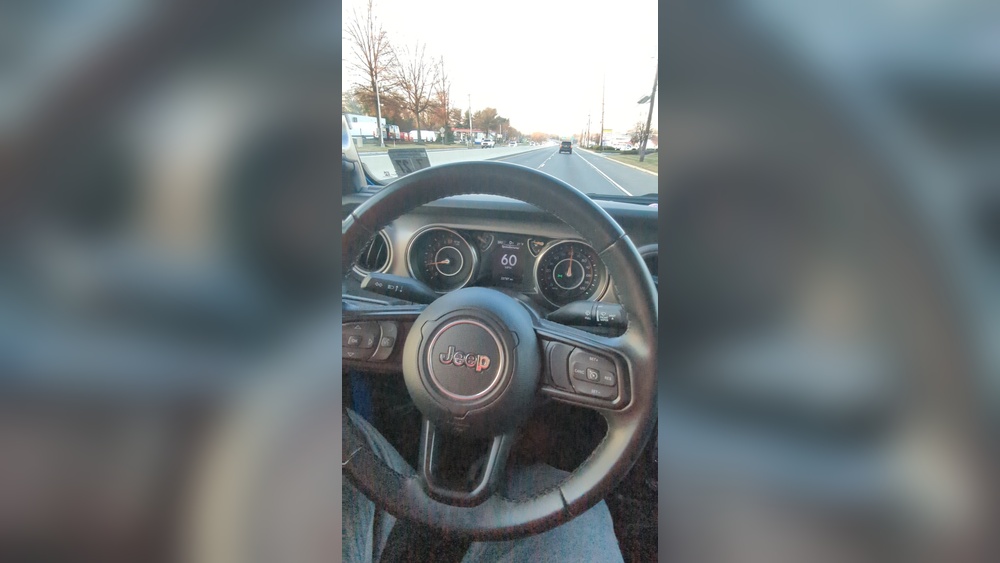
- Symptoms: Clunking noises, uneven tire wear, poor handling
- Example: A 2015 Jeep Wrangler with over 100,000 miles often needs new control arm bushings.
2. Unbalanced Or Damaged Tires
Tires are the only part of your vehicle touching the road. If they are unbalanced or damaged, your Jeep can shake when it hits a bump.
- Symptoms: Steering wheel vibration, uneven tread, visible bulges
- Data: The National Highway Traffic Safety Administration reports that tire-related issues cause 11,000 crashes each year.
3. Loose Or Damaged Steering Components
The steering system connects your hands to the wheels. If tie rods, steering stabilizers, or drag links are worn or loose, shakes are common after hitting bumps.
- Symptoms: Play in the steering wheel, wandering, “dead zone” in steering
- Non-obvious insight: Even a slightly loose steering damper can magnify vibrations at certain speeds.
4. Alignment Issues
If your Jeep’s wheels are not properly aligned, the suspension and tires won’t work together smoothly. Hitting a bump can then trigger a shake.
- Symptoms: Vehicle pulling to one side, rapid tire wear, crooked steering wheel
5. The “death Wobble”
The Jeep death wobble is a severe, violent shaking after hitting a bump, often at highway speeds. It feels like the whole Jeep is coming apart.
- Key insight: Death wobble usually involves a combination of worn components, not just one single part.
- Data: This problem most often affects Jeep Wranglers (especially lifted models) but can occur on other models as well.
How To Diagnose The Problem
Finding the exact cause of the shake is important. Here’s a step-by-step approach:
| Step | Action | What to Look For |
|---|---|---|
| 1 | Visual Inspection | Check for loose, broken, or worn suspension and steering parts |
| 2 | Tire Check | Look for uneven wear, bulges, or low tire pressure |
| 3 | Test Drive | Note when the shake happens (speed, turning, etc.) |
| 4 | Alignment Check | Professional alignment test for wheel angles |
| 5 | Component Tightening | Ensure all bolts and nuts are torqued to spec |
Sometimes, a combination of minor problems can cause major shakes. Don’t focus on just one part check the whole system.
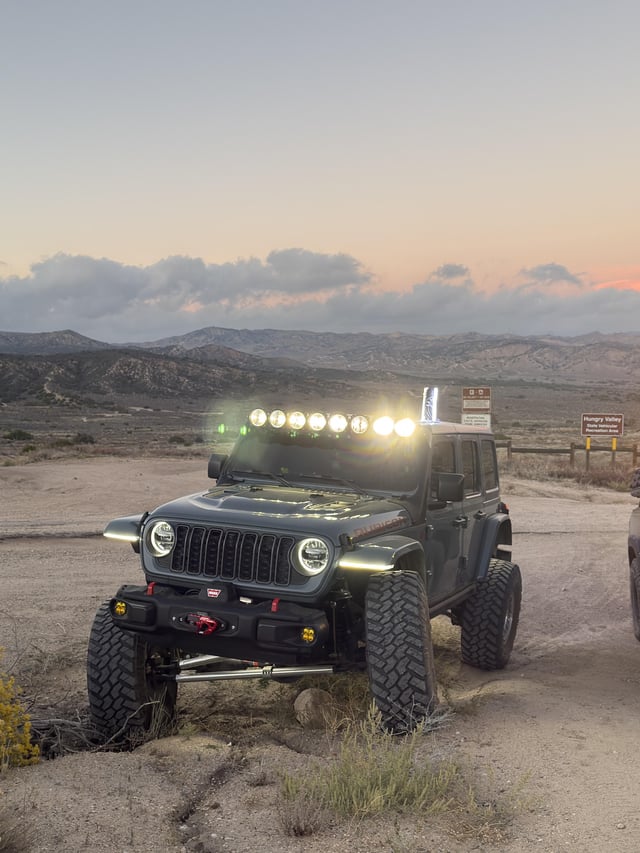
How To Fix Jeep Shakes After Hitting A Bump
Fixing the shake means addressing the real problem, not just the symptoms. Here are the most effective solutions:
Replace Worn Suspension Parts
If your inspection reveals worn ball joints, bushings, or control arms, replace them immediately. Quality aftermarket parts can improve both comfort and safety.
Balance And Rotate Tires
Unbalanced tires are a common cause of shakes. Have them balanced and rotated every 5,000 8,000 miles.
| Service | Average Cost | Recommended Frequency |
|---|---|---|
| Tire Balancing | $40–$75 | Every 5,000–8,000 miles |
| Wheel Alignment | $75–$150 | Once a year or when needed |
| Suspension Inspection | $80–$120 | Every 12 months |
Tighten And Replace Steering Components
Loose tie rods or a weak steering damper can often be fixed with simple tightening or replacement. Always use a torque wrench to ensure proper tightness.
Professional Alignment
A proper wheel alignment ensures all wheels point in the right direction. This can prevent uneven tire wear and reduce shakes.
Address Death Wobble Immediately
If you experience death wobble, stop driving until it’s fixed. Replace all worn suspension and steering parts.
Some Jeep owners find that adding a heavy-duty steering stabilizer helps, but this only masks the problem if worn parts are still present.
Preventing Future Shakes
Taking care of your Jeep will help you avoid shakes in the future. Here are some effective habits:
- Inspect suspension and steering parts every oil change.
- Check tire pressure monthly.
- Avoid hitting large potholes or curbs at high speed.
- Use quality replacement parts—cheap parts often wear out faster.
- Get a professional alignment after installing new suspension or tires.
Remember, even small changes in your Jeep’s handling can be early warnings. Don’t wait until the shake gets worse.

Two Insights Many Jeep Owners Miss
- Aftermarket lift kits often change the geometry of the suspension and steering. If not installed and aligned properly, they can increase the risk of shakes and death wobble.
- Sometimes, a small crack in a suspension bracket or frame can cause shaking. These cracks are hard to spot and often missed in quick inspections.
Frequently Asked Questions
Why Does My Jeep Shake Only At High Speeds After Hitting A Bump?
This usually means there is a problem with wheel balance, alignment, or worn steering parts. At higher speeds, small problems get worse and cause visible shaking.
Can Bad Shocks Cause Shaking After Bumps?
Yes. Worn shocks or struts can’t absorb energy from bumps, so the vibration travels through the whole vehicle.
What Is The Jeep “death Wobble”?
It’s a violent, uncontrollable shake in the steering and front end, usually after hitting a bump at highway speeds. It’s caused by worn or loose suspension and steering parts.
Will A Steering Stabilizer Fix All Shakes?
A steering stabilizer can help reduce shaking, but it will not fix the root cause if there are worn parts. It should be seen as a helper, not a solution.
How Much Does It Cost To Fix Jeep Shakes After Hitting A Bump?
Cost depends on the cause. It can range from $50 for tire balancing to over $1,000 for replacing multiple suspension or steering parts. For more details on typical repair costs, visit NHTSA.
Taking shakes seriously can keep your Jeep safe and enjoyable to drive. If you’re unsure, always get a professional mechanic to check your vehicle.
A smooth, stable ride is possible with the right attention and care.