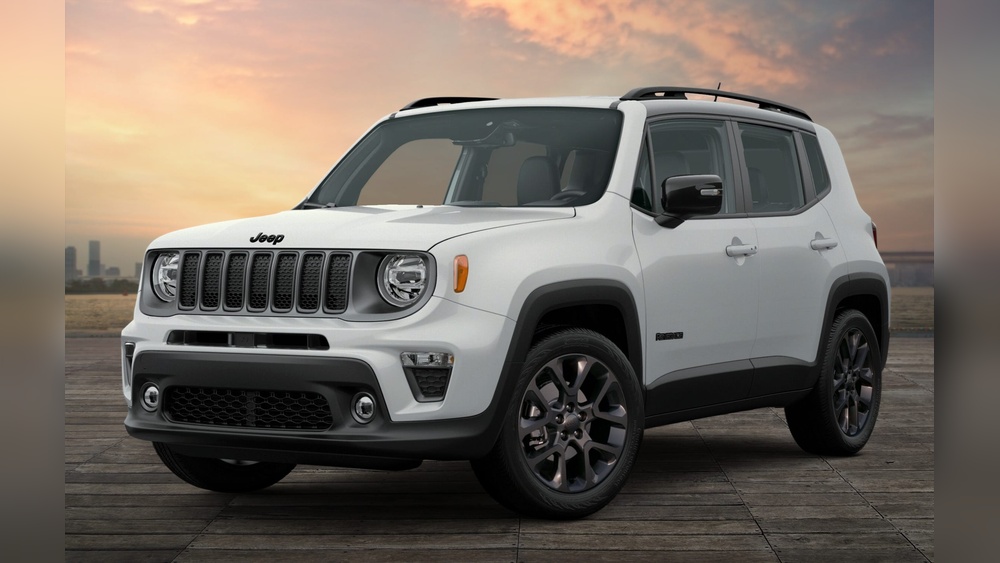
The Jeep Renegade is a compact SUV that offers a unique blend of rugged capability and urban practicality. For many owners, especially those looking to customize their vehicle or replace worn-out tires, understanding the stock tire and wheel size is crucial.
This information dictates everything from handling and fuel efficiency to off-road performance and the overall look of your Renegade.
Choosing the correct tire and wheel size isn't just about aesthetics; it’s about safety and performance. Incorrect sizes can lead to speedometer inaccuracies, improper ABS and traction control function, and even damage to your vehicle's suspension and drivetrain.
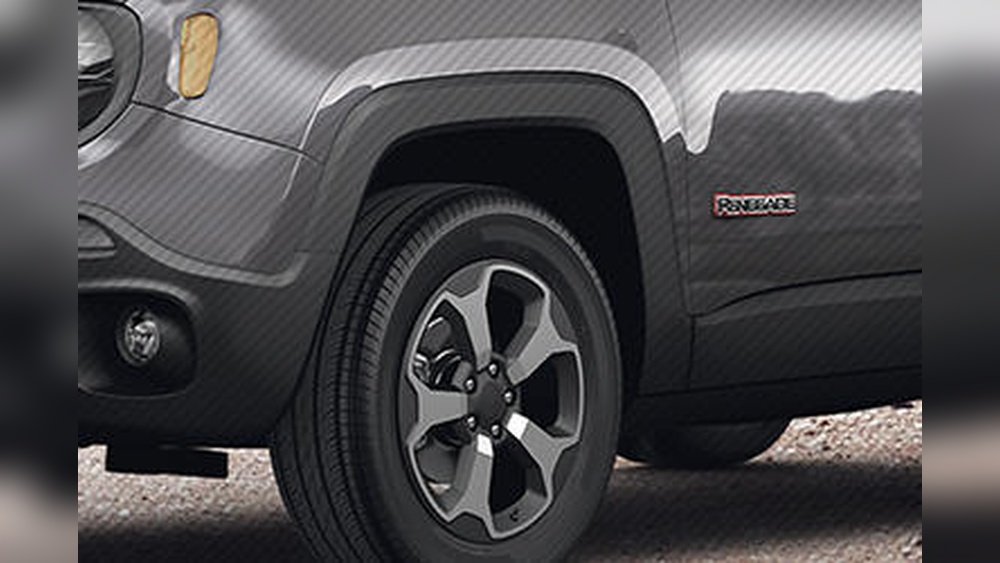
This guide will break down the standard tire and wheel sizes for different Jeep Renegade models and trims, explain what those numbers mean, and offer advice on making informed decisions for your specific needs.
Whether you’re a seasoned off-roader or a daily commuter, getting this right is the first step to a better driving experience.
Understanding Tire And Wheel Size Numbers
Before diving into specific Jeep Renegade sizes, it’s important to understand how tire sizes are written. You’ll typically see a series of numbers and letters on the sidewall of your tire, like P215/65R16. Let’s break that down:
- P: This indicates the tire is a “P-Metric” tire, designed for passenger vehicles. Other prefixes like LT (Light Truck) exist but are less common for the Renegade.
- 215: This is the tire width in millimeters. It measures the tire from sidewall to sidewall at its widest point. A larger number means a wider tire.
- 65: This is the aspect ratio, expressed as a percentage. It represents the tire’s sidewall height as a percentage of its width. In this case, the sidewall height is 65% of 215mm. A lower aspect ratio means a shorter sidewall, often leading to sportier handling but a harsher ride.
- R: This letter signifies that the tire has a radial construction. This is the standard for almost all modern tires.
- 16: This number is the wheel diameter in inches. It must match the diameter of the wheel you are installing it on.
So, a P215/65R16 tire is a P-Metric radial tire that is 215mm wide, with a sidewall height that is 65% of its width, and it fits on a 16-inch diameter wheel.
Jeep Renegade Stock Tire And Wheel Sizes By Trim And Year
The Jeep Renegade has been offered in various trims and with different wheel options over the years. The most common stock sizes are generally found within a specific range, but it’s always best to check your vehicle’s specific configuration.
2015-2017 Jeep Renegade
For the initial model years, the Jeep Renegade typically came with a few standard wheel and tire combinations.
Sport And Latitude Trims
- Wheel Size: 16-inch alloy or steel wheels.
- Tire Size: 215/65R16. These tires offer a good balance of comfort and all-season capability, suitable for everyday driving. The 65 aspect ratio provides a comfortable ride by absorbing road imperfections.
Limited And Trailhawk Trims
- Wheel Size: 17-inch alloy wheels.
- Tire Size: 215/60R17. Stepping up to 17-inch wheels with a slightly lower aspect ratio (60) offers a slightly firmer ride and can improve handling responsiveness. The overall diameter of the tire remains very similar to the 16-inch option, ensuring minimal impact on speedometer readings. The Trailhawk model, designed for more off-road prowess, might come with more aggressive all-terrain tires in this size.
2018-2026 Jeep Renegade
Jeep made some updates and offered slightly different configurations in the later model years.
Sport And Latitude Trims
- Wheel Size: 16-inch or 17-inch wheels.
- Base Tire Size: 215/65R16. This remained a common option for the base Sport trim.
- Optional/Upgrade Tire Size: 215/60R17. Many Latitude models and optional upgrades came with 17-inch wheels and 215/60R17 tires.
Limited And Trailhawk Trims
- Wheel Size: 17-inch or 18-inch wheels.
- Standard Tire Size (Limited): 215/60R17. The Limited trim often featured 17-inch wheels with 215/60R17 tires, focusing on a comfortable and refined ride.
- Standard Tire Size (Trailhawk): 215/65R17. The Trailhawk, with its off-road focus, often came with 17-inch wheels but used a tire with a slightly taller sidewall (215/65R17). This provides better cushioning on rough terrain and allows for slightly lower tire pressures when off-roading, increasing the tire’s contact patch.
- Optional Wheel Size: 18-inch wheels were sometimes available as an option, typically with 225/55R18 tires. These larger wheels and lower-profile tires offer a more aggressive look and potentially sharper handling on pavement, but at the expense of some off-road comfort and capability.
2026+ Jeep Renegade
The latest generation of the Jeep Renegade continues to offer similar tire and wheel options, with variations depending on the trim level.
Sport, Latitude, And Upland Editions
- Wheel Size: 17-inch wheels.
- Tire Size: 215/60R17. This size is prevalent on these trims, offering a good balance for daily driving.
Limited And Trailhawk Editions
- Wheel Size: 17-inch or 18-inch wheels.
- Standard Tire Size (Limited): 215/60R17.
- Standard Tire Size (Trailhawk): 215/65R17. The Trailhawk retains its off-road-oriented 215/65R17 tires.
- Optional Tire Size: 225/55R18. Available on higher trims, these 18-inch wheels with 225/55R18 tires provide a more premium look and feel.
Pro Tip: Always double-check the exact tire size listed on your current tires or in your owner’s manual. Trim levels and optional packages can lead to variations.

Comparing Common Stock Tire Sizes
Let’s compare the most frequently found stock tire sizes to understand their differences.
| Tire Size | Width (mm) | Aspect Ratio (%) | Wheel Diameter (in) | Sidewall Height (mm) | Overall Diameter (in) | Typical Use Case |
|---|---|---|---|---|---|---|
| 215/65R16 | 215 | 65 | 16 | 139.75 | 28.22 | Comfort, everyday driving, base models |
| 215/60R17 | 215 | 60 | 17 | 129 | 28.17 | Balanced ride, common upgrade, many trims |
| 215/65R17 | 215 | 65 | 17 | 139.75 | 29.24 | Off-road comfort, Trailhawk models |
| 225/55R18 | 225 | 55 | 18 | 123.75 | 28.19 | Sporty look, enhanced on-road handling, higher trims |
*Note: Sidewall height and overall diameter are calculated values. Minor variations can occur based on tire manufacturer and specific tread design.*
As you can see, the overall diameter of most of these common stock sizes is quite similar. This is important because a significant change in overall diameter can throw off your speedometer and odometer readings, and potentially affect the performance of electronic systems like ABS and traction control.
Key Differences Explained
- 215/65R16 vs. 215/60R17: The 16-inch tire has a taller sidewall (139.75mm vs. 129mm), offering slightly more cushioning. The 17-inch tire, despite being on a larger wheel, has a slightly shorter sidewall and a very similar overall diameter. The 17-inch setup often feels a bit more responsive due to the shorter sidewall.
- 215/60R17 vs. 215/65R17: The 17-inch tire with a 65 aspect ratio has a noticeably taller sidewall (139.75mm vs. 129mm) compared to the 60 aspect ratio. This is the typical choice for the Trailhawk model to enhance off-road comfort and capability.
- 215/60R17 vs. 225/55R18: The 18-inch option features a wider tire (225mm vs. 215mm) and a shorter sidewall (55% of 225mm, which is 123.75mm). This combination typically offers a firmer ride, better grip on dry pavement, and a more aggressive stance, but can be less forgiving on rough roads.
Understanding Wheel Sizes And Offsets
While tires are a major component, the wheel size itself plays a significant role. The diameter, width, and offset all impact how the wheel and tire fit on your Jeep Renegade.
- Wheel Diameter: As seen above, this ranges from 16 to 18 inches for stock Renegade setups. Larger diameter wheels generally allow for lower-profile tires, which can improve handling but reduce ride comfort.
- Wheel Width: This is measured in inches and dictates how wide of a tire the wheel can properly support. Stock widths are usually in the 6.5 to 7.5-inch range.
- Bolt Pattern: The Jeep Renegade uses a 5x110mm bolt pattern. This means there are 5 lug nuts, and the distance between them is 110 millimeters. This is crucial; wheels from other vehicles with different bolt patterns will not fit.
- Offset: This is the distance from the wheel’s mounting surface to the centerline of the wheel. It determines how far the wheel sits in or out from the fender. A positive offset pushes the wheel inward, while a negative offset pushes it outward. Stock Renegade offsets are typically in the range of +30mm to +40mm. Sticking close to the stock offset is generally recommended to avoid issues with suspension, brakes, and steering components.

Factors To Consider When Changing Tire Size
Changing your stock tire and wheel size can offer benefits, but it also comes with potential drawbacks. Here’s what to think about:
1. Performance And Handling
- Taller Sidewalls (Higher Aspect Ratio): Provide a softer, more comfortable ride. They absorb bumps better but can lead to more tire flex during cornering, making the vehicle feel less precise. This is often preferred for off-roading.
- Shorter Sidewalls (Lower Aspect Ratio): Offer a firmer ride and reduced tire flex, leading to sharper steering response and better handling on paved roads. However, they transmit more road imperfections into the cabin and are more susceptible to damage from potholes.
- Wider Tires: Can provide increased grip, especially in dry conditions. However, they can also increase rolling resistance, potentially reducing fuel economy, and may be more prone to hydroplaning in wet conditions.
2. Off-road Capability
For models like the Trailhawk, the stock 215/65R17 tires are chosen for a reason. The taller sidewall offers more compliance over rocks and uneven terrain, and the slightly smaller wheel diameter allows for better tire deformation around obstacles. If you plan to do significant off-roading, sticking close to or even increasing the sidewall height (while maintaining overall diameter) is generally beneficial.
3. Fuel Economy
Tire size and type significantly impact fuel efficiency.
- Larger Diameter Wheels: Often heavier, requiring more energy to rotate.
- Wider Tires: Increase rolling resistance.
- Aggressive Tread Patterns: Typically have higher rolling resistance than smoother, all-season tires.
- Tire Pressure: Crucial for maintaining optimal rolling resistance.
In my experience, switching from a stock all-season tire to a more aggressive all-terrain tire, even in the same size, can reduce highway fuel economy by 1-3 MPG.
4. Speedometer And Odometer Accuracy
Your vehicle’s speedometer and odometer are calibrated for the stock tire diameter. If you install tires with a significantly different overall diameter, these readings will become inaccurate.
- Tires with a Larger Overall Diameter: Will make your speedometer read lower than your actual speed, and your odometer will track fewer miles than you’ve actually driven.
- Tires with a Smaller Overall Diameter: Will make your speedometer read higher than your actual speed, and your odometer will track more miles than you’ve actually driven.
It's crucial to keep the overall diameter as close to the stock size as possible. A difference of +/- 1 inch is generally considered acceptable, but smaller deviations are always better.
You can use online tire size calculators to compare different sizes.
5. Clearance And Fitment
When changing tire and wheel sizes, especially if going larger or wider, you need to consider clearance.
- Fender Clearance: Will the tires rub against the fenders, especially when turning or going over bumps?
- Suspension Clearance: Will the tires interfere with suspension components?
- Brake Clearance: Ensure the new wheels have enough space for your brake calipers.
Larger diameter wheels and wider tires, especially those with a lower offset, increase the risk of rubbing. The Jeep Renegade has relatively limited wheel well space, so aggressive modifications require careful planning.