The Jeep Renegade stands out as one of the most recognizable small SUVs on the market. With its unique boxy design, off-road roots, and city-friendly size, it attracts a wide range of drivers.
But is it the right choice for you? Before making a decision, it’s smart to weigh both the upsides and downsides.
This article explores the main pros and cons of the Jeep Renegade, using clear examples and practical comparisons to help you decide.

Jeep Renegade Pros
1. Distinctive Styling
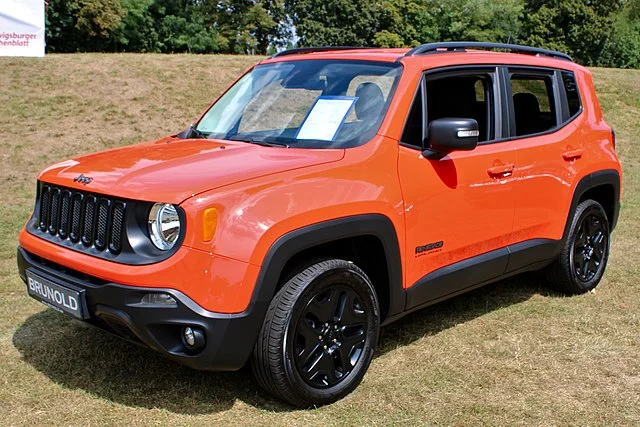
The Renegade is instantly recognizable. Its iconic Jeep look—with squared-off edges, round headlights, and the seven-slot grille—sets it apart from other compact SUVs. Many owners love how it stands out in a crowded parking lot.
2. Compact Size For City Driving
Measuring about 167 inches long, the Renegade is easy to maneuver and park, even in tight city spaces. This small footprint makes it a popular choice for urban dwellers who want an SUV feel without the bulk.
3. Off-road Capability
Unlike many rivals, the Renegade offers real off-road skills, especially in the Trailhawk trim. Features like all-wheel drive, hill-descent control, and higher ground clearance give drivers confidence on dirt trails or in snowy weather.
4. User-friendly Technology
Jeep equips the Renegade with a simple, responsive infotainment system. The Uconnect interface is praised for its easy navigation, quick touch response, and standard features such as Apple CarPlay and Android Auto.
5. High Safety Ratings
The Renegade scores well in key safety tests. The National Highway Traffic Safety Administration (NHTSA) gives it four out of five stars for overall safety, with strong side-impact results.
6. Comfortable Ride
While it looks rugged, the Renegade’s suspension absorbs bumps well, offering a smoother ride than some competitors. The seats are supportive, making long trips less tiring.
7. Customization Options
Buyers can choose from multiple trims, wheel designs, colors, and packages. This flexibility allows drivers to create a Renegade that fits their style and budget.
Below is a quick comparison with other compact SUVs in terms of off-road capability:
| Model | Off-Road Trim | Ground Clearance (inches) | AWD/4WD Available |
|---|---|---|---|
| Jeep Renegade | Trailhawk | 8.7 | Yes |
| Honda HR-V | N/A | 7.3 | No |
| Subaru Crosstrek | Base | 8.7 | Yes |
| Chevy Trax | N/A | 7.0 | No |
Jeep Renegade Cons
1. Below-average Fuel Economy
The Renegade’s engines are not the most efficient in its class. The EPA estimates 24 mpg city and 32 mpg highway for the front-wheel-drive model, but real-world results can be lower, especially with all-wheel drive. For a small SUV, some buyers expect better.
2. Limited Cargo Space
Despite the boxy look, cargo room is not a strong point. With the rear seats up, there’s only about 18.5 cubic feet of space, less than some rivals. Folding the seats helps, but the trunk remains smaller than expected for an SUV.
3. Slow Acceleration
The base engine—a 2. 4-liter four-cylinder—can feel underpowered, especially when merging onto highways or passing at higher speeds.
The optional turbocharged engine is better but still not sporty.
4. Higher Price For Features
While the base price is reasonable, adding popular features like navigation or advanced safety tech quickly increases the cost. The top trims can approach the price of larger, more powerful SUVs.
5. Reliability Concerns
Some owners have reported issues with the Renegade’s electrical systems and transmission. According to J.D. Power, the Renegade scores below average for long-term dependability.
6. Rear Seat Comfort
The rear seats are upright and legroom is just average. Taller passengers may feel cramped on longer rides, especially if the front seats are pushed back.
Here’s a look at how the Renegade compares on cargo space:
| Model | Cargo Space (Seats Up) | Cargo Space (Seats Down) |
|---|---|---|
| Jeep Renegade | 18.5 cu ft | 50.8 cu ft |
| Honda HR-V | 24.3 cu ft | 58.8 cu ft |
| Subaru Crosstrek | 20.8 cu ft | 55.3 cu ft |
| Chevy Trax | 18.7 cu ft | 48.4 cu ft |
Who Should Consider The Jeep Renegade?
The Renegade is ideal for drivers who want a city-sized SUV with unique styling and real off-road ability. It’s a strong pick if you need a small vehicle for city use but want the confidence to handle rough roads or snowy drives. However, if fuel efficiency, cargo space, or long-term reliability are top priorities, you may want to compare other options.
An often-overlooked detail: the Renegade’s shorter wheelbase gives it excellent turning ability but can also make the ride choppier on broken roads. Another point beginners may miss is that some trims lose advanced off-road features, so check the trim details before buying.
Here’s a comparison of starting prices for the Renegade and rivals:
| Model | Base Price (USD) | All-Wheel Drive Base Price |
|---|---|---|
| Jeep Renegade | $28,345 | $29,845 |
| Honda HR-V | $25,100 | $26,600 |
| Subaru Crosstrek | $25,195 | $25,195 |
| Chevy Trax | $21,495 | N/A |
Final Thoughts
The Jeep Renegade offers a lot of personality, solid safety, and surprising off-road skills in a compact package. It’s a smart choice if you value style and city maneuverability, but it comes with trade-offs in fuel economy, cargo space, and sometimes price. Before buying, think about your main needs and test drive both the Renegade and its competitors. For more details and owner reviews, you can visit the Jeep Renegade Wikipedia page.

Frequently Asked Questions
Is The Jeep Renegade Good For Off-roading?
Yes, especially the Trailhawk model. It has all-wheel drive, extra ground clearance, and off-road features like skid plates. For light to moderate trails, it’s one of the best small SUVs available.
What Is The Fuel Economy Of The Jeep Renegade?
The Renegade gets about 24 mpg in the city and 32 mpg on the highway for the front-wheel-drive version. All-wheel-drive models use more fuel, especially in real-world driving.
How Reliable Is The Jeep Renegade?
Reliability is mixed. Some owners have had few problems, but others report issues with electronics and transmission.
J. D. Power gives it a below-average reliability score.
How Much Cargo Space Does The Renegade Have?
With rear seats up, there’s about 18.5 cubic feet of cargo space. Folding the seats expands this to around 50.8 cubic feet, which is less than some competitors.
Is The Jeep Renegade Expensive To Maintain?
Maintenance costs are average for a small SUV, but repairs can be pricier if you have issues with the electrical system or transmission. Regular servicing helps reduce unexpected problems.