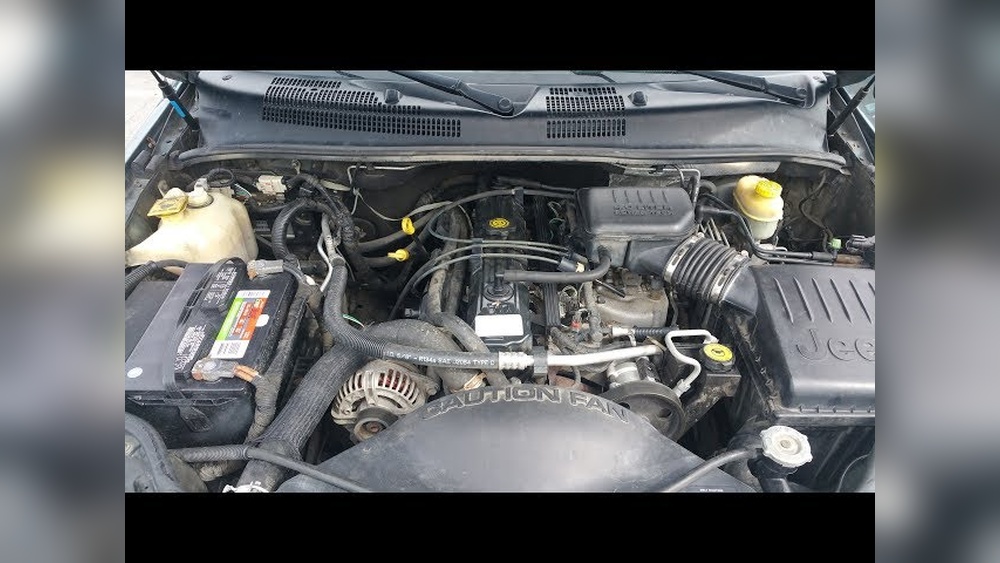
If you drive a Jeep, you know it’s built for adventure. But even the toughest vehicles need maintenance, and the radiator is a key part that can fail over time.
A damaged radiator can lead to overheating, engine trouble, or even permanent damage. If you notice coolant leaks, high temperature gauge readings, or steam under your hood, it may be time for a Jeep radiator replacement.
Taking action quickly can save you from bigger problems and keep your Jeep running strong.
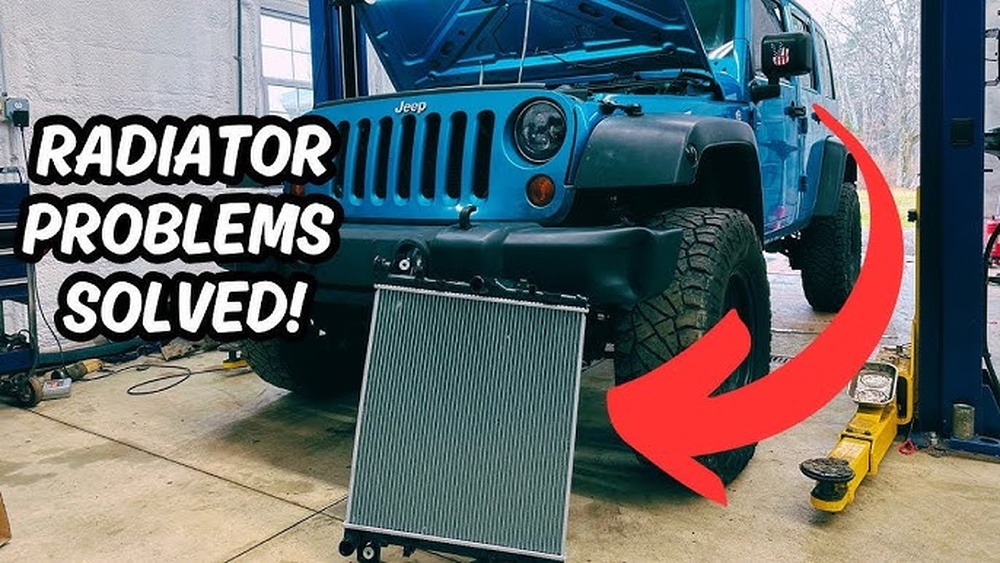
Why Your Jeep Radiator Matters
The radiator cools the engine by moving heat away with coolant. Without it, your engine can get too hot, leading to warped parts or a blown head gasket. For Jeeps, especially those used off-road or in hot climates, a working radiator is essential.
Some owners believe they can drive with a weak radiator. This is risky.
Modern Jeeps have aluminum engines that are sensitive to heat. Even a short drive with a failing radiator can cause expensive damage.
Signs Your Jeep Needs A Radiator Replacement
Watch for these common warning signs:
- Coolant Leaks – Puddles under your Jeep, especially green or orange fluid.
- High Engine Temperature – The temperature gauge climbs higher than normal.
- Frequent Overheating – Engine overheats even with enough coolant.
- Steam or Sweet Smell – Steam from under the hood or a sweet smell while driving.
- Sludge in Coolant – Thick or oily coolant can mean internal radiator failure.
Ignoring these signs can lead to a breakdown or expensive repairs.
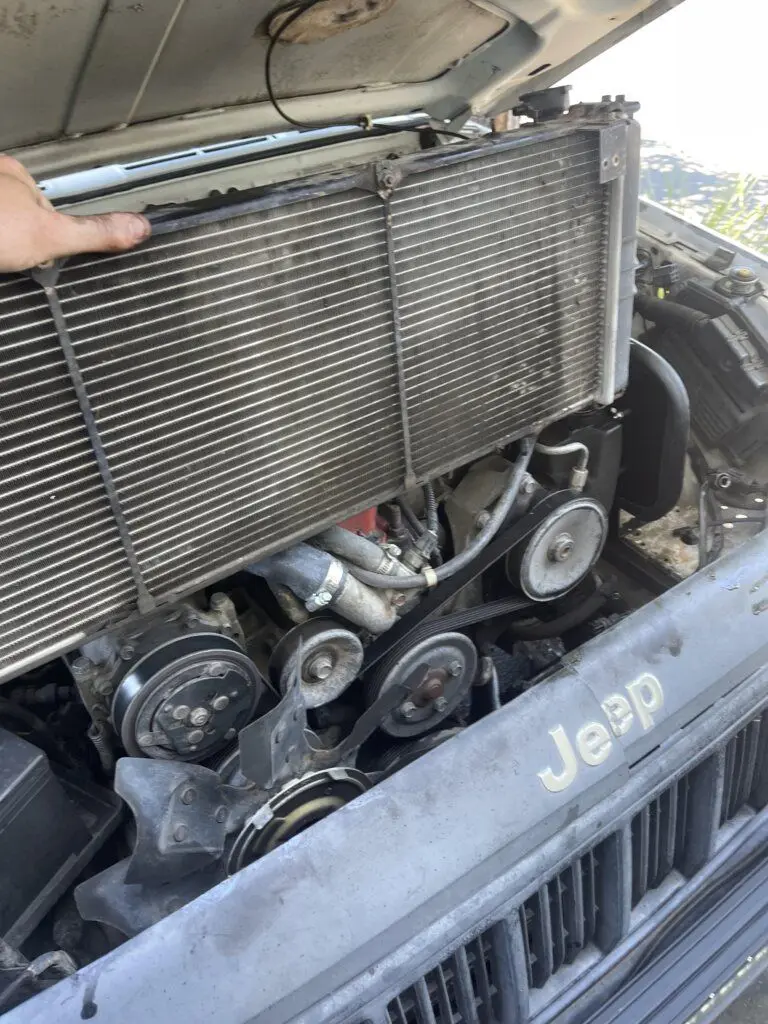
Choosing The Right Replacement Radiator
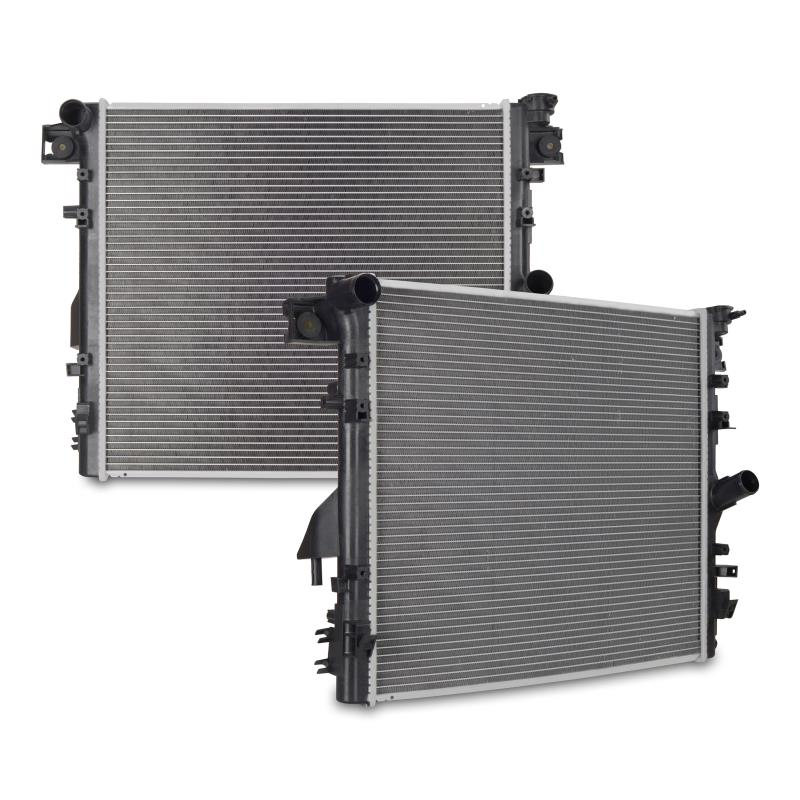
Not all radiators are the same. Picking the right one for your Jeep model is important. Here’s a quick comparison of popular radiator types for Jeeps:
| Radiator Type | Material | Durability | Cost |
|---|---|---|---|
| OEM (Original) | Aluminum/Plastic | Good | Medium |
| Aftermarket | Aluminum/Alloy | High | Medium-High |
| Performance | All Aluminum | Very High | High |
For most drivers, an OEM or quality aftermarket radiator is enough. Off-roaders or those in extreme climates may want a performance radiator for better cooling.
Jeep Radiator Replacement: Step-by-step Guide
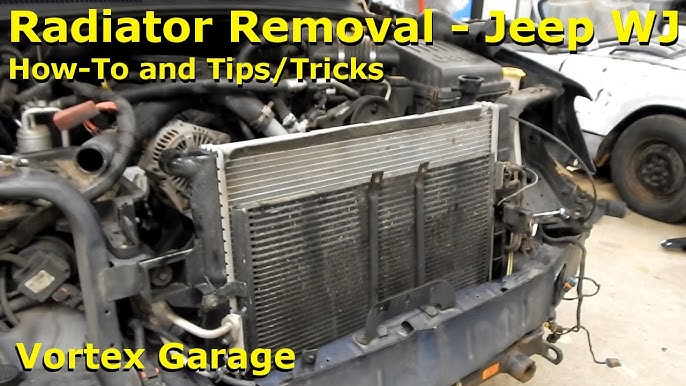
Doing a radiator replacement yourself is possible, but it requires care. Here are the main steps:
- Preparation
- Let the engine cool fully.
- Disconnect the battery.
- Gather tools: Wrenches, pliers, drain pan, and new coolant.
- Drain the Old Coolant
- Place a drain pan under the radiator.
- Open the drain plug or remove the lower hose to let coolant out.
- Remove Old Radiator
- Disconnect the hoses and transmission lines (if automatic).
- Remove the radiator fan shroud and mounting bolts.
- Carefully lift out the old radiator.
- Install the New Radiator
- Lower the new radiator in place.
- Reconnect hoses, lines, and shroud.
- Tighten all bolts securely.
- Refill Coolant and Test
- Fill with fresh coolant.
- Start the engine and check for leaks.
- Watch the temperature gauge as the engine warms up.
Here’s a quick look at tool and part costs:
| Item | Estimated Cost (USD) |
|---|---|
| Replacement Radiator | $120–$350 |
| Coolant (2-3 Gallons) | $30–$60 |
| Basic Hand Tools | $0–$50 (if needed) |
| Labor (if not DIY) | $200–$400 |
Replacing a Jeep radiator usually takes 2–4 hours for a beginner. Always check your Jeep’s manual for special steps or warnings.
Common Mistakes To Avoid
Many Jeep owners make these errors during radiator replacement:
- Skipping coolant flush: Old coolant can leave behind sludge and hurt your new radiator.
- Not bleeding the system: Trapped air causes overheating. Open the bleed screw or run the engine with the cap off until bubbles stop.
- Overtightening fittings: Too much force can crack plastic parts or damage threads.
- Using the wrong coolant: Always use the type recommended for your Jeep. Mixing types can cause clogs.
If you’re unsure, don’t guess. Ask a mechanic or look up your exact Jeep model on a trusted resource like Jeep’s official site.
Practical Tips For A Lasting Radiator
- Inspect hoses and clamps whenever you change the radiator. Old hoses can burst.
- Flush your coolant every 2–3 years for best engine health.
- Watch for leaks after replacement, especially in the first week.
- Upgrade your radiator cap to a high-quality one. This keeps the system at the right pressure.
One tip many miss: If your Jeep has a transmission cooler built into the radiator, check the transmission fluid after replacement. A leak here can damage your transmission, not just your engine.
When To Call A Professional
DIY replacement saves money, but sometimes it’s smarter to call a pro:
- If you see oil in your coolant, you may have bigger engine problems.
- If the radiator is hard to access or you lack tools, a shop can do the job faster and safer.
- For warranty coverage, professional installation is often required.
Frequently Asked Questions
How Often Should I Replace My Jeep Radiator?
Most radiators last 7–10 years. Replace sooner if you see leaks, overheating, or corrosion.
Can I Drive With A Leaking Radiator?
It’s risky. Even a small leak can cause engine overheating and major damage. Fix it as soon as possible.
What Coolant Should I Use In My Jeep?
Check your owner’s manual. Most modern Jeeps use HOAT or OAT coolants. Mixing types is not safe.
How Do I Bleed Air From The Cooling System?
After refilling, run the engine with the radiator cap off until the thermostat opens and air bubbles stop. Some models have a bleed screw for this purpose.
What’s The Cost Difference Between Diy And Mechanic Replacement?
DIY replacement usually costs $150–$400 for parts and coolant. A mechanic charges $350–$750 including labor.
Taking care of your Jeep radiator is not just about preventing breakdowns—it’s about protecting your investment and enjoying worry-free drives. With the right parts, good prep, and careful work, you can keep your Jeep’s engine cool for years to come.