Understanding Jeep Patriot Wheel Bearing Issues
The Jeep Patriot, a compact SUV known for its affordability and rugged looks, has been a popular choice for many drivers. However, like any vehicle, it's not immune to common mechanical issues.
One recurring problem that owners sometimes face involves the wheel bearing. A failing wheel bearing can lead to a range of annoying and potentially dangerous symptoms, from strange noises to compromised handling.
Understanding these issues, their causes, and how to address them is crucial for any Jeep Patriot owner. This article will explore the common wheel bearing problems encountered in the Jeep Patriot, detailing the signs to watch for, the underlying reasons for failure, and the steps involved in diagnosis and repair.
What Is A Wheel Bearing And Why Does It Matter?
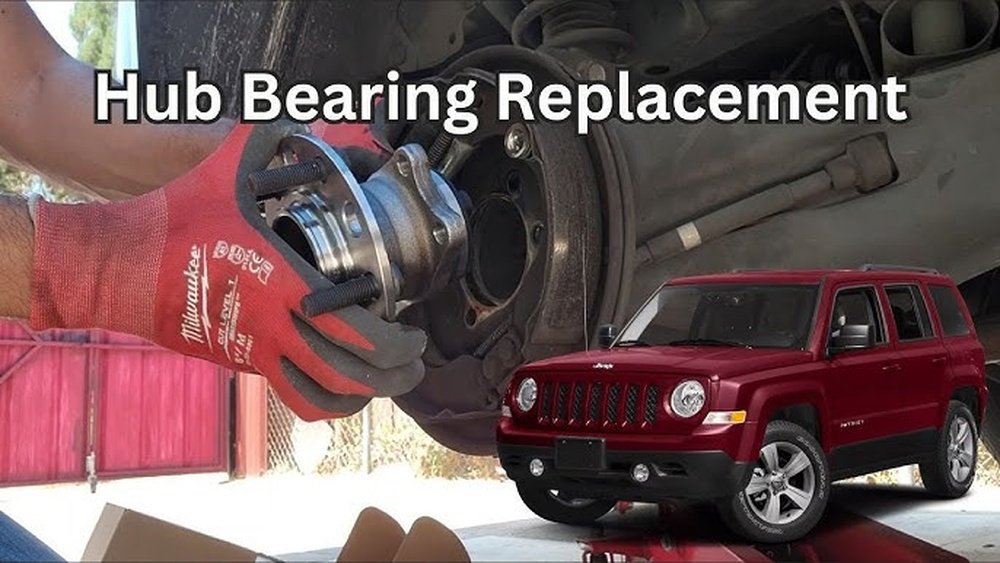
At its core, a wheel bearing is a simple yet vital component. It’s a set of steel balls or rollers held in a metal ring, allowing your wheels to rotate smoothly with minimal friction. Think of it as the essential lubricant that lets your car move forward. Without a properly functioning wheel bearing, your wheels wouldn’t turn freely, making driving impossible. They are critical for not only the smooth rotation of your wheels but also for supporting the weight of your vehicle.
The wheel bearing assembly is typically located in the hub of each wheel, connecting the wheel itself to the axle and suspension. It’s constantly under stress from the forces of acceleration, braking, turning, and the general wear and tear of driving over various road surfaces.
This constant pressure, combined with exposure to dirt, water, and salt, means that wheel bearings eventually wear out.
When a wheel bearing starts to fail, it can manifest in several ways, often beginning subtly and becoming more pronounced over time. Ignoring these signs can lead to more significant damage, including the bearing seizing up, which can cause a complete loss of control of the wheel while driving, a truly dangerous situation.
For Jeep Patriot owners, recognizing the specific nuances of these issues can save time, money, and ensure safety on the road.
Common Jeep Patriot Wheel Bearing Symptoms
Recognizing the early signs of a failing wheel bearing is key to preventing further damage and ensuring safety. These symptoms can vary in intensity, but they are usually consistent and tend to worsen as the bearing degrades.
Strange Noises
One of the most common indicators of a bad wheel bearing is noise. This noise often starts as a humming or grinding sound that gets louder as you drive.
- Humming or Growling: This is often the first sound you’ll notice. It might sound like a low hum or a deep growl coming from one of the wheels. As you increase speed, the noise typically gets louder.
- Clicking or Popping: In some cases, especially when turning, you might hear a clicking or popping sound. This can indicate looseness in the bearing assembly.
- Grinding: As the bearing deteriorates further, the noise can escalate to a more aggressive grinding sensation. This is often accompanied by a feeling of roughness through the steering wheel or the floor.
The pitch and intensity of the noise can often help pinpoint which wheel is affected. For example, if the noise gets louder when you turn left, the problem is likely with the right-side wheel bearing, and vice-versa. This is because turning puts more load on the outer wheel bearing.
Vibrations And Looseness
Beyond noise, a failing wheel bearing can also cause noticeable vibrations.
- Steering Wheel Vibrations: You might feel a shaking or vibration in the steering wheel, especially at higher speeds. This vibration can feel similar to driving over a rough road, but it’s originating from a specific wheel.
- Vehicle Wobble: In more advanced stages, you might experience a general wobble or shimmy from the vehicle. This indicates significant looseness in the wheel hub assembly.
- Loose Wheel: In the worst-case scenario, a severely damaged wheel bearing can lead to the wheel becoming loose on the hub. This is extremely dangerous and requires immediate attention.
Changes In Handling
A compromised wheel bearing can affect how your Jeep Patriot handles.
- Pulling to One Side: If a wheel bearing is severely worn, it can create extra friction or looseness that causes the vehicle to pull towards the affected side.
- Unresponsive Steering: While less common, a very worn bearing can sometimes make the steering feel less precise or responsive.
Other Potential Signs
Occasionally, other less common signs might appear.
- ABS Light: Many modern vehicles, including the Jeep Patriot, have Anti-lock Braking System (ABS) sensors integrated with the wheel bearing hub. If the bearing fails or the sensor ring gets damaged, the ABS warning light on your dashboard might illuminate.
- Uneven Tire Wear: A worn wheel bearing can cause the tire to sit at a slightly incorrect angle, leading to premature and uneven tire wear.

Causes Of Jeep Patriot Wheel Bearing Failure
Wheel bearings are designed to last a long time, but several factors can accelerate their wear and lead to premature failure in a Jeep Patriot. Understanding these causes can help owners take preventative measures.
Normal Wear And Tear
The most common reason for wheel bearing failure is simply age and mileage. Bearings are mechanical parts that experience constant friction and stress. Over hundreds of thousands of miles, the lubricant inside can degrade, seals can fail, and the metal components can wear down. This is a natural process that eventually affects all vehicles.
Contamination
Wheel bearings are sealed to keep out contaminants like dirt, water, road salt, and debris. However, these seals are not infallible.
- Water Ingress: Driving through deep puddles or encountering heavy rain can allow water to seep past the seals. Water can wash away the protective grease and lead to rust and corrosion within the bearing.
- Dirt and Grit: Off-roading or driving on dusty, unpaved roads can introduce abrasive particles into the bearing assembly. This grit acts like sandpaper, rapidly wearing down the bearing surfaces.
- Road Salt: In regions where roads are treated with salt during winter, this corrosive substance can find its way into the wheel hub and accelerate rust and degradation of the bearing components.
Impact Damage
Sudden, forceful impacts can damage the wheel bearing assembly.
- Potholes: Hitting a deep pothole at speed can send a shockwave through the suspension and directly impact the wheel bearing, potentially cracking or deforming the bearing races or balls.
- Curb Impacts: Aggressively hitting a curb, especially during parking maneuvers, can also exert significant force on the wheel and bearing, leading to damage.
Improper Installation
If a wheel bearing or hub assembly is replaced, improper installation can cause premature failure.
- Incorrect Torque: Over-tightening or under-tightening the axle nut that holds the bearing assembly in place can put excessive stress on the bearing, leading to rapid wear.
- Damaged Seals: Forcing a bearing into place or mishandling the hub assembly can damage the seals, allowing contaminants to enter.
Overloading The Vehicle
Jeep Patriots, while capable, have specific weight limits. Consistently exceeding the vehicle’s Gross Vehicle Weight Rating (GVWR) can put undue stress on all suspension and wheel components, including the wheel bearings, accelerating their wear.
Manufacturing Defects
While less common, manufacturing defects can sometimes occur. A bearing might leave the factory with imperfections in the metal, weak seals, or insufficient lubrication, leading to an early failure. If a defect is present, the failure often occurs relatively soon after the vehicle is put into service.
Diagnosing A Jeep Patriot Wheel Bearing Problem
Accurately diagnosing a wheel bearing issue is essential to avoid unnecessary repairs. While symptoms can point to a specific wheel, a mechanic will perform a series of tests to confirm the diagnosis.
The Shake Test
This is a fundamental test performed by mechanics to check for bearing looseness.
- Lift the Vehicle: The Jeep Patriot is safely raised on a lift or jack stands so that the wheels are off the ground.
- Grip the Tire: The mechanic grips the tire firmly at the top and bottom.
- Shake and Wiggle: They then attempt to shake the tire back and forth. Any noticeable play, looseness, or clunking sound during this movement strongly suggests a worn wheel bearing or other suspension component like a ball joint or tie rod end.
- Repeat for All Wheels: This process is repeated for each wheel to identify the source of the problem.
The Spin Test
After checking for looseness, the mechanic will spin the wheel to listen for noises.
- Spin the Wheel: With the vehicle still lifted, the mechanic will spin the wheel by hand rapidly.
- Listen for Sounds: They listen carefully for any grinding, humming, or clicking sounds as the wheel rotates. The sound might be more apparent when the wheel is spun in one direction versus the other.
- Isolate the Noise: By spinning each wheel and listening, they can often isolate the problematic bearing. Sometimes, slightly applying pressure to the hub assembly while spinning can change the sound, helping to confirm the diagnosis.
Bearing Load Test
This test mimics the forces experienced while driving to help identify the faulty bearing.
- Apply Pressure: While the wheel is spinning, the mechanic will apply sideways pressure to the hub assembly. For example, they might push inwards on the top of the tire and outwards on the bottom, then reverse the pressure.
- Listen for Changes: They listen to see if the noise changes in pitch or intensity when pressure is applied. If the noise becomes louder when pressure is applied in a certain direction, it confirms that the bearing on that side is worn.
Visual Inspection
A visual check can sometimes reveal issues.
- Hub Assembly: The mechanic will look for any obvious damage to the hub assembly, such as cracks or signs of overheating (discoloration).
- Seals: They check if the seals around the bearing appear damaged or if there’s any sign of grease leakage.
- Axle Nut: The axle nut is checked to ensure it’s properly torqued.
Abs Sensor Ring Check
If the ABS warning light is on, the mechanic will specifically inspect the tone ring (also known as the ABS sensor ring) that is often integrated into the wheel bearing hub. This ring has teeth that the ABS sensor reads. If it’s bent, corroded, or damaged, it can cause ABS issues and may be part of a wheel bearing replacement.
Pro Tip: Sometimes, symptoms like humming noises can be mistaken for tire noise or differential problems. A thorough diagnosis by a qualified mechanic is crucial to ensure you’re replacing the correct part and not wasting money on unnecessary repairs.

Replacing A Jeep Patriot Wheel Bearing
Replacing a wheel bearing on a Jeep Patriot typically involves removing the wheel, brake components, and then the hub assembly. The process can vary slightly depending on whether it’s a front or rear bearing and the specific year of the Patriot.
Tools And Parts Needed
Before starting, ensure you have the necessary tools and parts:
- New Wheel Bearing/Hub Assembly: Make sure it’s the correct part for your Jeep Patriot’s year and model. Many modern vehicles use a hub assembly where the bearing is pre-pressed into a new hub unit, making replacement simpler than pressing out an old bearing.
- Jack and Jack Stands: For safely lifting the vehicle.
- Lug Wrench: To remove the wheel.
- Socket Set and Wrenches: Including deep sockets for axle nuts.
- Torque Wrench: Essential for proper tightening of critical fasteners.
- Pry Bar: May be needed to help separate components.
- Hammer: For tapping stubborn parts.
- Brake Cleaner: To clean components.
- Anti-seize Lubricant: For reassembly.
- Safety Glasses and Gloves: For protection.
Step-by-step Replacement Process (general Guide)
This is a general overview. Always consult a service manual specific to your Jeep Patriot for precise instructions and torque specifications.
- Loosen Lug Nuts: Before jacking the vehicle, slightly loosen the lug nuts on the wheel you’ll be working on.
- Jack Up the Vehicle: Safely lift the front or rear of the Jeep Patriot and support it with jack stands.
- Remove the Wheel: Fully remove the lug nuts and take off the wheel.
- Remove Brake Caliper and Rotor:
- You’ll typically need to remove the brake caliper and hang it safely out of the way (do not let it hang by the brake line).
- Then, remove the brake rotor from the hub. It might be held in place by a small screw or simply be stuck due to rust.
- Remove Axle Nut: Locate the large axle nut in the center of the hub. You may need a breaker bar to loosen it, especially if it’s a locking nut.
- Remove Hub Assembly:
- The hub assembly is usually held to the steering knuckle (front) or axle housing (rear) by several mounting bolts. Remove these bolts.
- Once the bolts are out, the hub assembly might slide off. If it’s stuck, you may need to use a pry bar or a specialized hub puller tool. Do not hit the bearing directly with a hammer.
- Install New Hub Assembly:
- Clean the mounting surface on the knuckle or axle housing.
- Apply a thin layer of anti-seize to the mounting bolts (not the threads, unless specified).
- Install the new wheel bearing/hub assembly and tighten the mounting bolts to the manufacturer’s specified torque.
- Install Axle Nut: Install the new axle nut. Crucially, tighten this nut to the correct torque specification using a torque wrench. This is vital for bearing preload and safety. Often, the nut needs to be torqued to a very high value, and sometimes a new self-locking nut is required.
- Reinstall Brake Components: Reinstall the brake rotor, caliper, and pads. Ensure all components are securely fastened.
- Reinstall Wheel: Put the wheel back on and hand-tighten the lug nuts.
- Lower Vehicle: Carefully lower the vehicle off the jack stands.
- Torque Lug Nuts: Tighten the lug nuts to the manufacturer’s specified torque in a star pattern.
- Final Checks: Double-check all fasteners, especially the axle nut and lug nuts. Turn the wheel by hand to ensure it spins freely without noise or binding. Test drive cautiously, listening for any unusual sounds.
Warning: Replacing a wheel bearing involves critical safety components like brakes and axle nuts. If you are not comfortable performing this work or lack