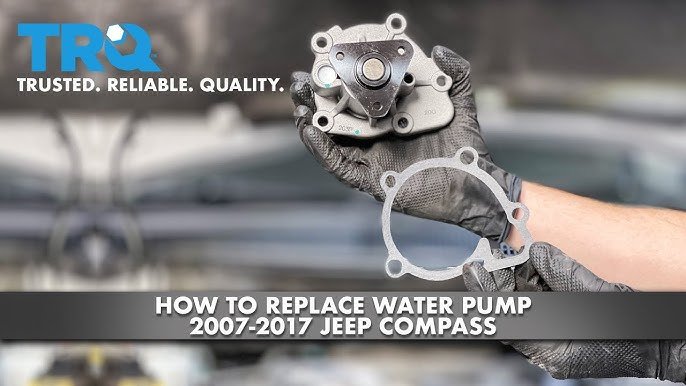
Replacing the water pump on your Jeep Patriot can feel like a big task, but with the right approach, it’s manageable and rewarding. The water pump is critical for engine cooling.
If it fails, your engine can quickly overheat, leading to severe damage. Many Patriot owners experience water pump issues after 80,000–120,000 miles, often signaled by coolant leaks or a whining noise from the engine bay.
Knowing when and how to replace this part can save you money and extend your vehicle’s life.
Why The Water Pump Matters
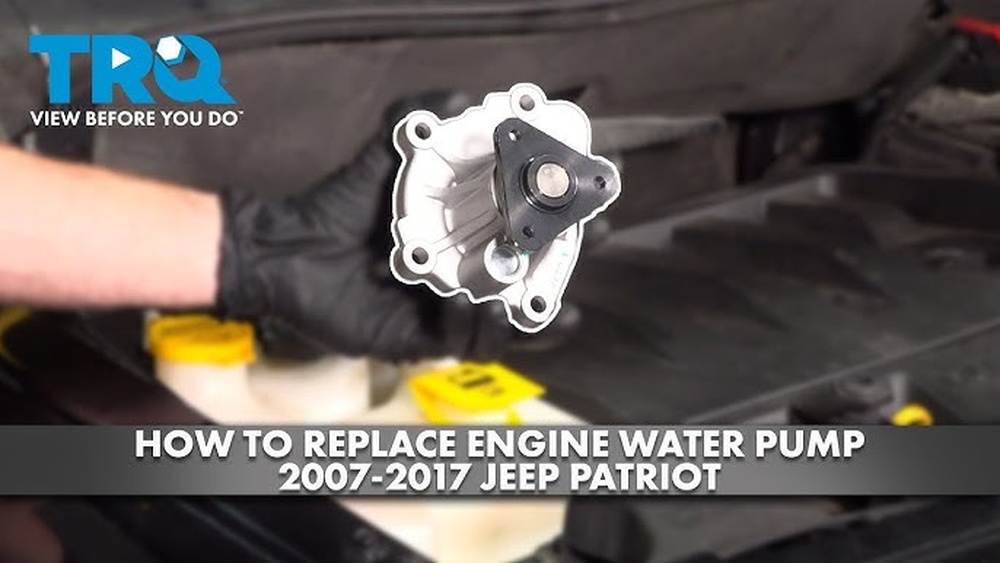
The water pump circulates coolant through the engine and radiator. Without it, heat builds up fast, causing potential engine failure. On the Jeep Patriot (especially models from 2007–2017), the water pump is driven by the serpentine belt and is located near the passenger side of the engine.
A failing water pump can show symptoms like:
- Coolant puddles under the front of your car
- High engine temperature or frequent overheating
- Grinding or whining sounds as the bearings wear out
Ignoring these signs can result in a blown head gasket or cracked engine block—repairs that cost thousands.
Tools And Parts Needed
Before starting, gather everything you need. Missing a tool halfway through is frustrating and time-consuming. Here’s what you’ll want:
- New water pump (OEM recommended)
- Coolant (check your owner’s manual for the right type)
- Gasket or sealant (often included with the new pump)
- Socket set (metric)
- Ratchet and extensions
- Torque wrench
- Pliers
- Drain pan
- Screwdrivers
- Shop towels and gloves
Some mechanics recommend replacing the serpentine belt at the same time since it must be removed and is often worn.
Step-by-step Replacement Process
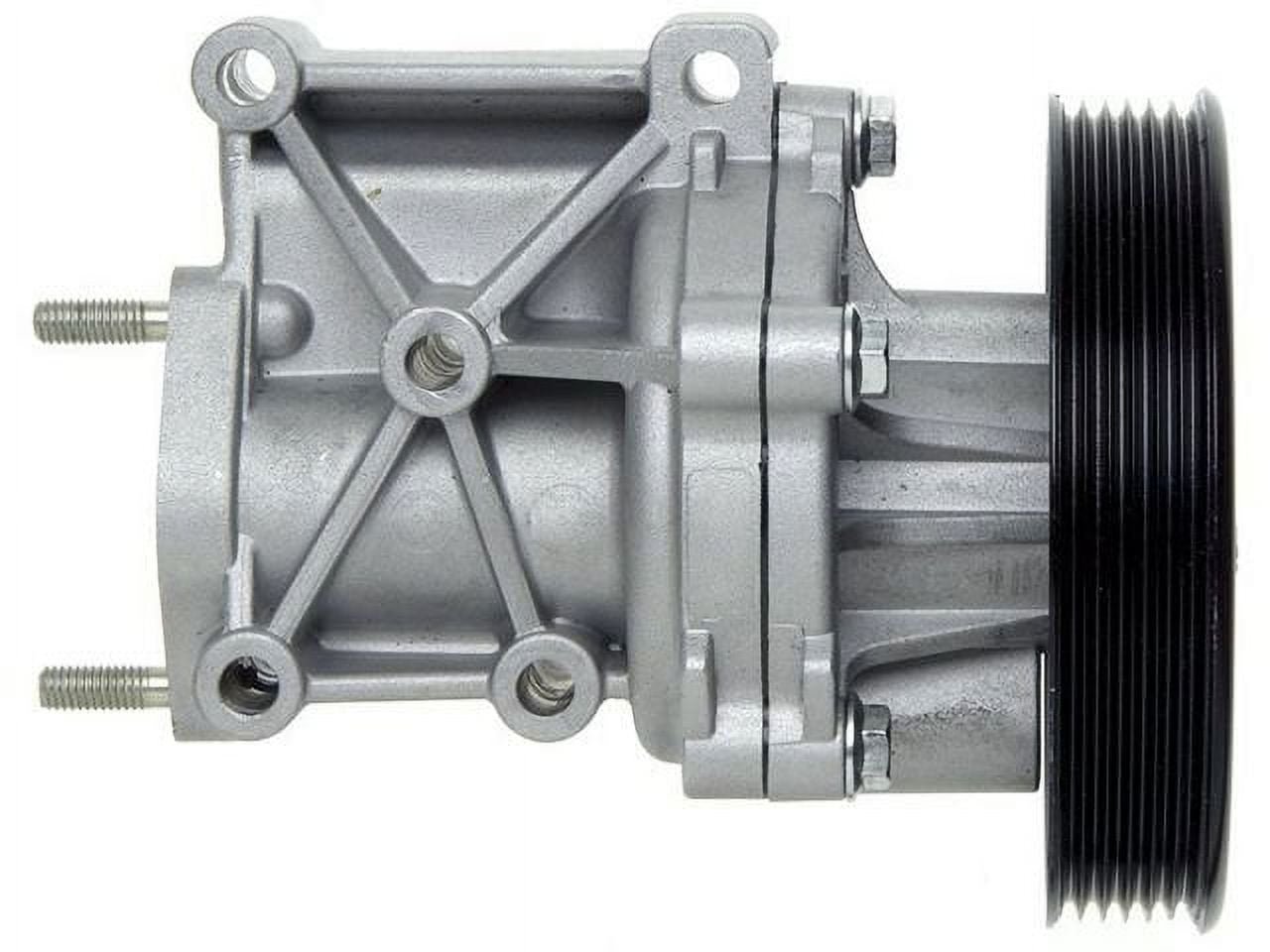
Replacing the water pump on a Jeep Patriot takes about 2–4 hours for most DIYers. Here’s a simplified guide:
- Park on a level surface and let the engine cool completely.
- Disconnect the battery to prevent electrical accidents.
- Drain the coolant by removing the radiator cap and opening the drain plug. Capture the old coolant with a pan.
- Remove the serpentine belt using the tensioner pulley.
- Disconnect hoses and wiring from the water pump.
- Unbolt the water pump and carefully remove it. Some coolant may spill, so have towels ready.
- Clean the mounting surface to remove old gasket material.
- Install the new water pump with a fresh gasket or sealant. Tighten bolts to factory specifications using a torque wrench.
- Reconnect hoses and wiring.
- Reinstall the serpentine belt.
- Refill the cooling system with new coolant, using the correct mix.
- Reconnect the battery and start the engine. Check for leaks and monitor the temperature gauge.
Common Mistakes To Avoid
- Failing to clean the mounting surface can lead to leaks.
- Over-tightening bolts may crack the pump or housing.
- Not bleeding air from the cooling system might cause overheating later.
Water Pump Costs: Diy Vs. Shop
Costs vary depending on where you live, the shop, and the part brand. Here’s a comparison:
| Replacement Method | Average Cost | Labor Time |
|---|---|---|
| DIY | $70–$150 (parts only) | 2–4 hours |
| Independent Shop | $350–$600 | 2–3 hours |
| Dealership | $500–$800 | 2–3 hours |
DIY saves on labor but requires patience and some skill. Shops offer guarantees and experience, which can give peace of mind.
Choosing A Quality Replacement Pump
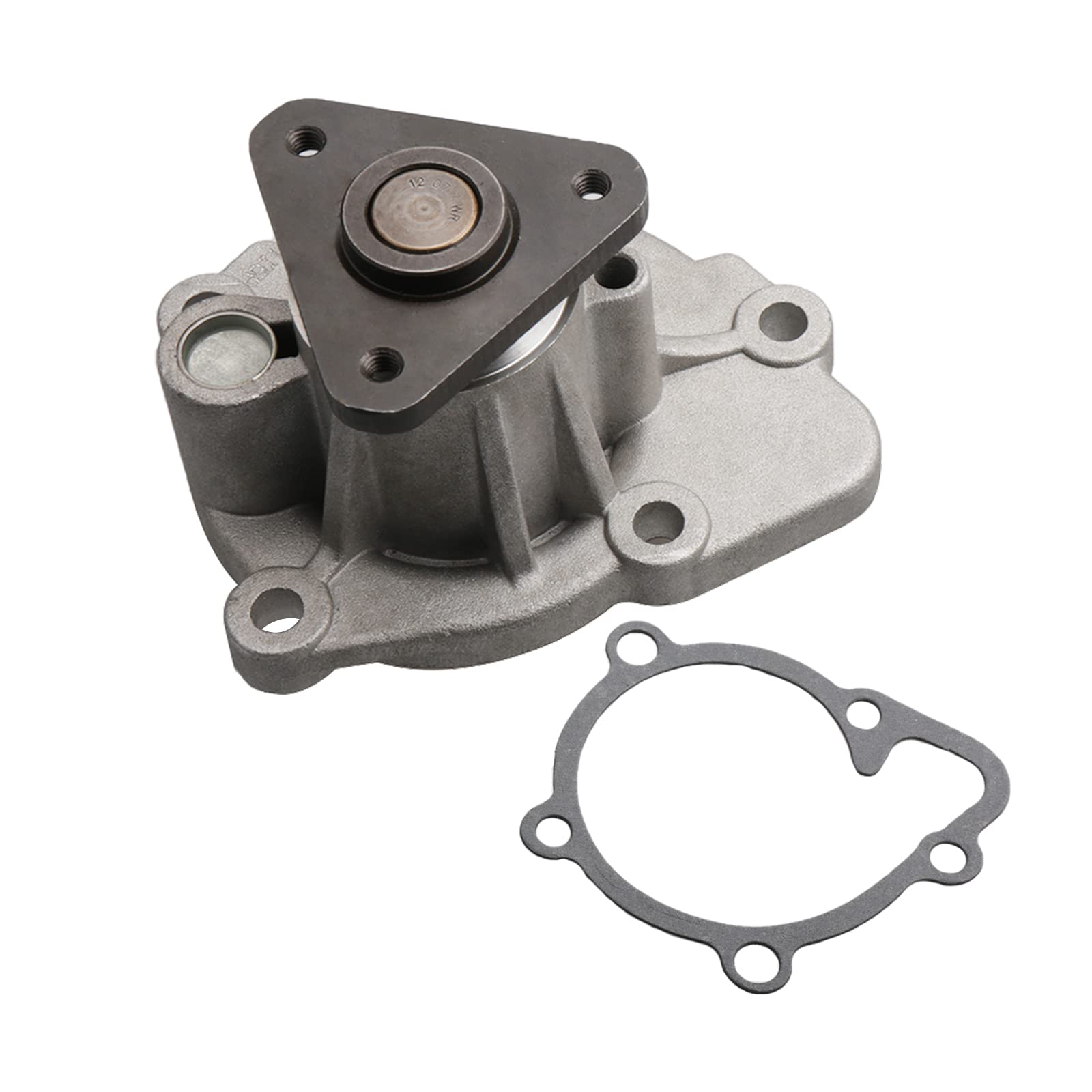
Not all water pumps are equal. Cheap pumps may fail early or leak. Focus on:
- OEM (Original Equipment Manufacturer) parts for best fit and reliability.
- Reputable brands like Gates, ACDelco, or Mopar.
- A solid warranty (at least 1 year).
Here’s a quick brand comparison for Jeep Patriot water pumps:
| Brand | Warranty | Estimated Price |
|---|---|---|
| Mopar (OEM) | 2 years | $120–$180 |
| Gates | Lifetime | $70–$110 |
| ACDelco | 1 year | $80–$130 |
When To Replace Your Water Pump
It’s smart to check your water pump every 60,000 miles. Most last between 80,000 and 120,000 miles.
Replace it sooner if you see leaks, overheating, or hear strange noises. If the timing belt or serpentine belt is being replaced, consider doing the water pump at the same time—this saves labor and avoids future breakdowns.
After Replacement: Final Checks
Once the new pump is installed:
- Check for leaks around the pump and hose connections.
- Monitor coolant level for a few days and top off if needed.
- Watch the temperature gauge—it should stay in the normal range.
If you notice persistent overheating, there may be trapped air. Bleed the cooling system by opening the bleeder valve (if equipped) or running the engine with the radiator cap off until air bubbles stop.
Practical Tips From Experience
Some first-time DIYers forget to dispose of old coolant safely. Used coolant is toxic to pets and wildlife. Always take it to a recycling center. Another tip: photograph each step as you go. This makes reassembly much easier if you forget where a bolt or hose belongs.
A non-obvious trick: buy a new thermostat and install it with the water pump. Thermostats often fail at similar mileage, and replacing both saves time and prevents future cooling issues.
For more details on engine cooling systems, visit the Wikipedia Cooling System page.
Frequently Asked Questions
How Do I Know If My Jeep Patriot’s Water Pump Is Failing?
Look for coolant leaks under the car, a rising temperature gauge, or whining sounds from the engine. Steam from the hood or a sweet smell (coolant) are also warning signs.
Can I Drive My Jeep Patriot With A Bad Water Pump?
It’s risky. Driving with a failing water pump can lead to severe overheating and engine damage. It’s best to fix it before driving further.
Do I Need Special Tools For This Job?
No special tools, but a torque wrench, socket set, and pliers are necessary. Having a repair manual can help with torque specs and bolt order.
Should I Replace The Thermostat Too?
Yes, it’s a good idea. Both parts often wear out together.
Replacing both saves you from repeating the job soon.
How Long Does A Water Pump Replacement Take?
Most DIYers finish in 2–4 hours. A professional mechanic may do it in 2 hours or less.
Changing your Jeep Patriot’s water pump might seem complex, but with preparation, patience, and attention to detail, it’s a project most owners can handle. Taking care of your cooling system keeps your engine reliable for years to come.