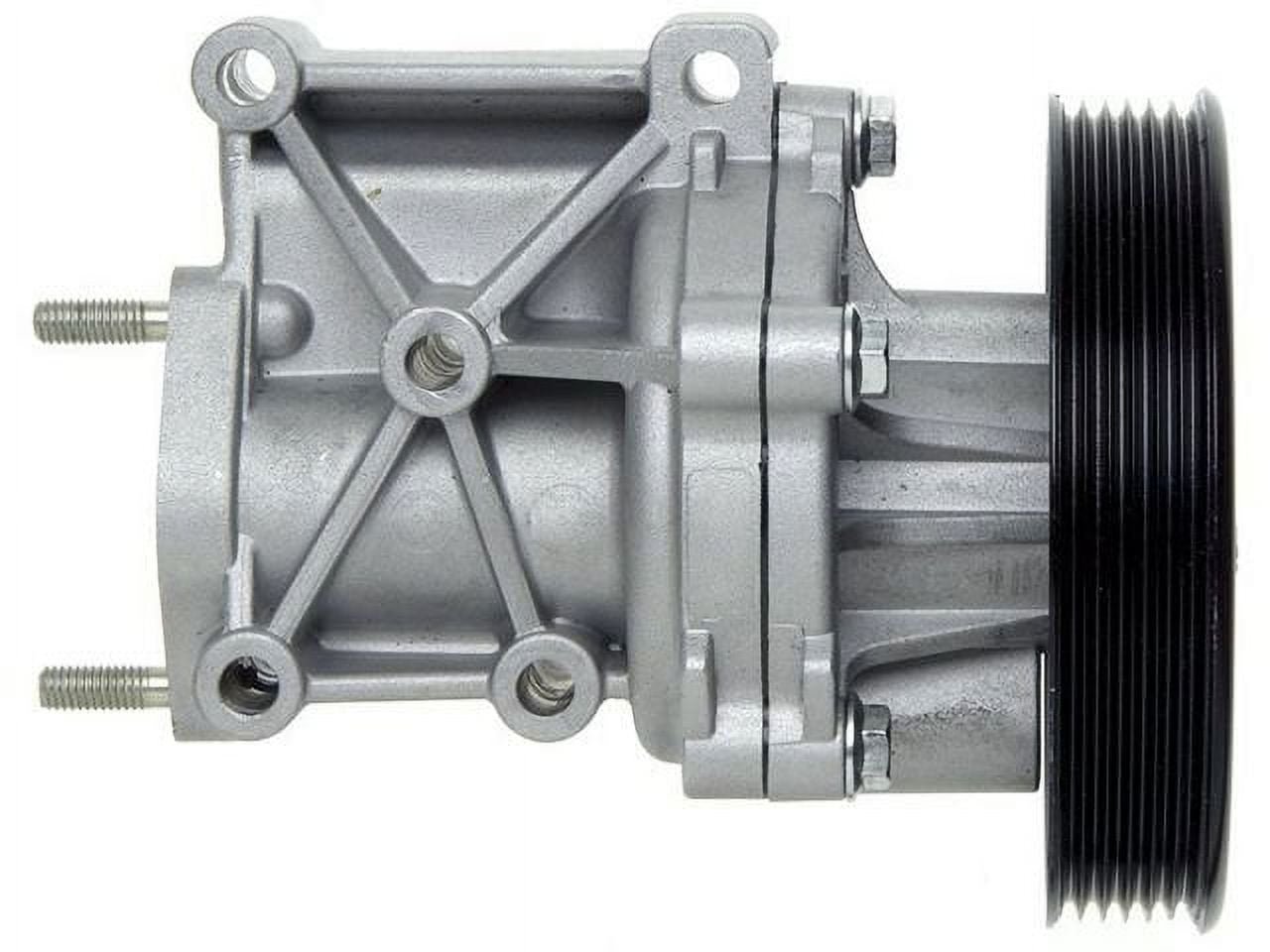
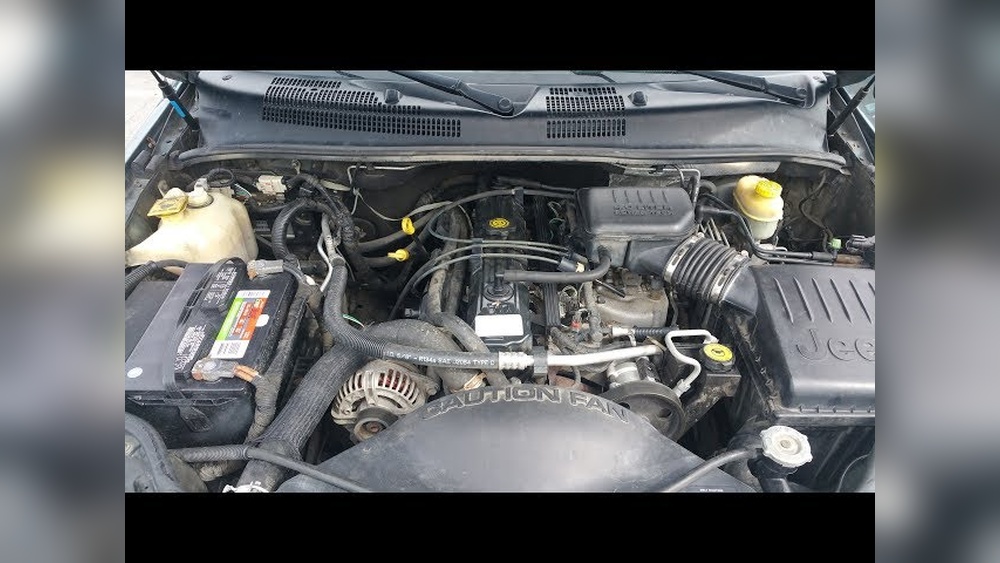
The Jeep Patriot is known for its reliability, but like any vehicle, some parts wear out over time. The water pump is a critical component that keeps your engine cool.
When it fails, overheating can lead to serious engine damage. If you own a Jeep Patriot, understanding how to replace the water pump can save you money and prevent bigger problems.
This guide breaks down the process, explains what to watch out for, and gives tips that even many experienced DIYers might overlook.
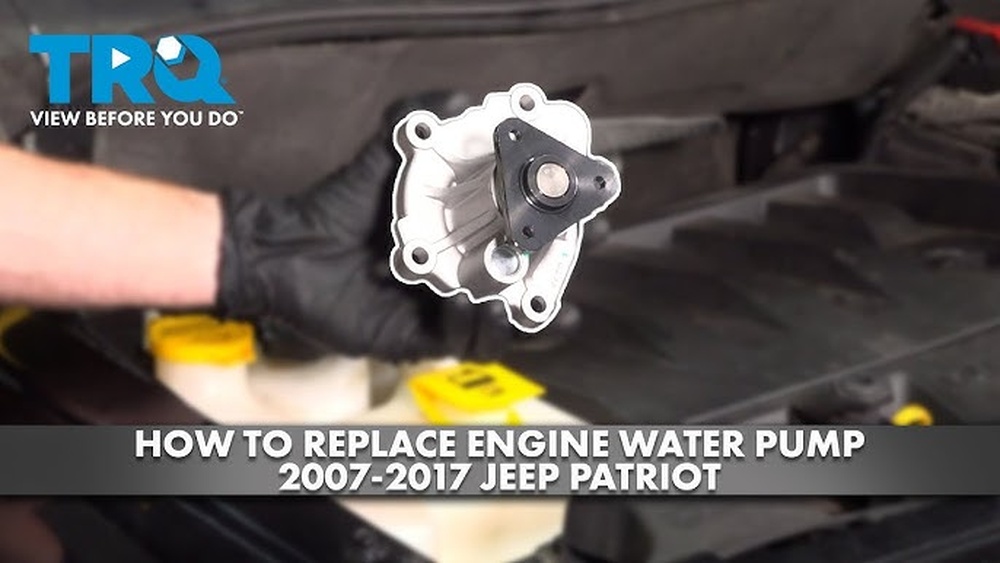
Understanding The Water Pump’s Role
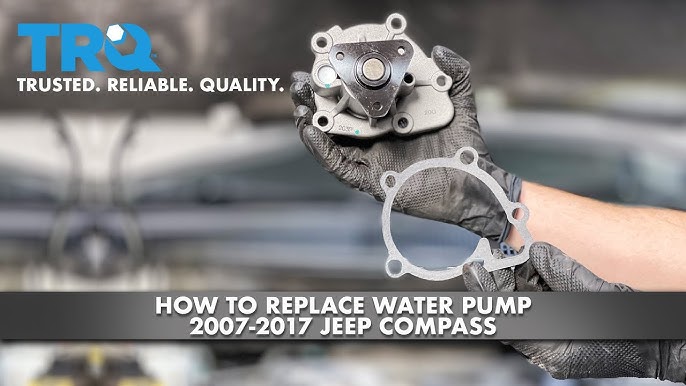
The water pump pushes coolant through the engine and radiator. This keeps the engine at a safe temperature. If the pump fails, you might see warning signs such as coolant leaks, overheating, or a whining noise from the engine bay.
A faulty water pump can cause rapid overheating. In the Jeep Patriot, the water pump is usually driven by the serpentine belt and is located near the front of the engine.
Signs Your Jeep Patriot’s Water Pump Needs Replacement
- Coolant leaks under the front of your vehicle.
- Grinding or whining noise from the engine area.
- Engine temperature rising quickly or warning light on.
- Steam coming from the hood.
- Low coolant levels even after refilling.
Ignoring these symptoms can cause engine damage costing thousands of dollars.
Tools And Parts Needed
Before starting, gather these items:
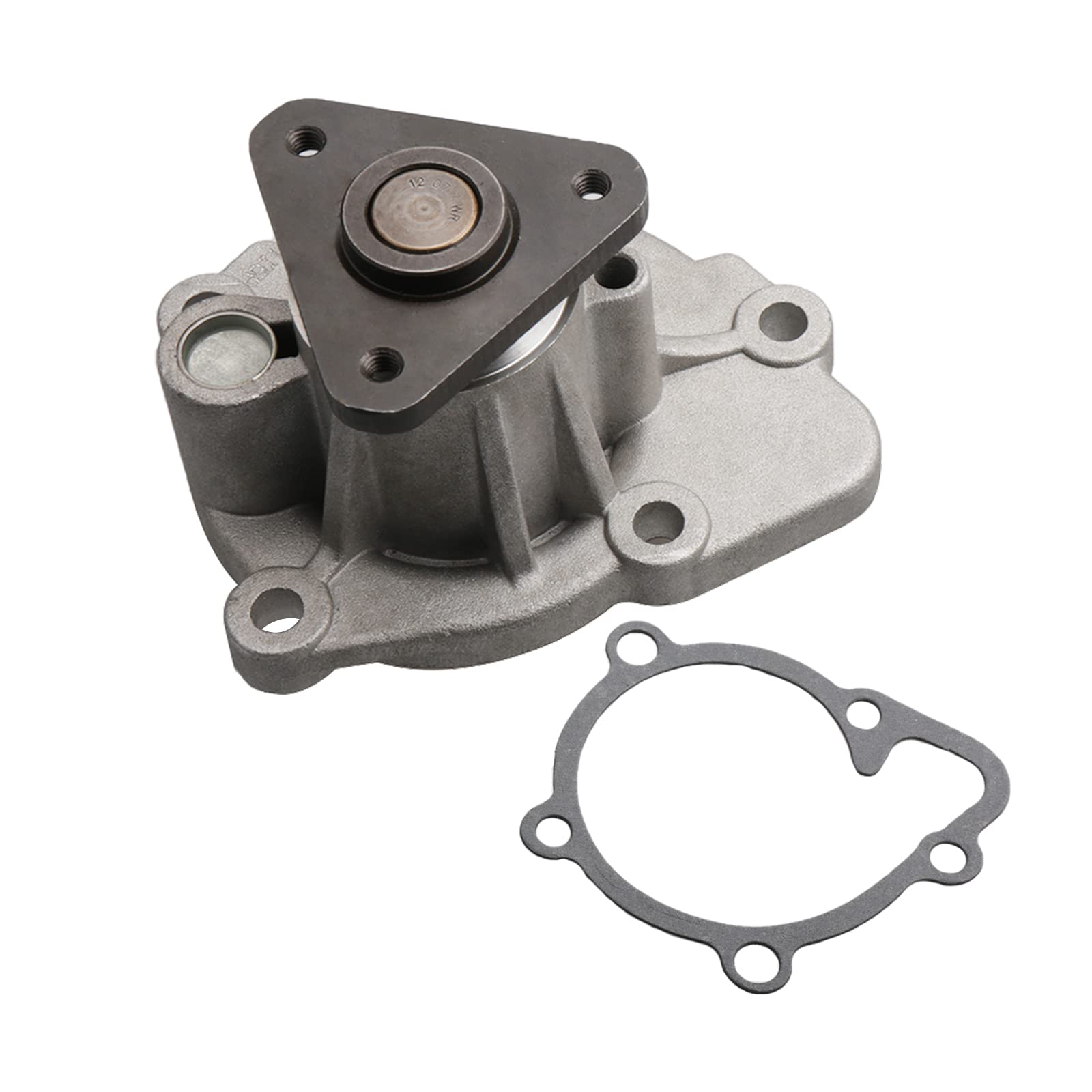
- New water pump (make sure it matches your Jeep Patriot’s engine size)
- Gasket or sealant (most new pumps include this)
- Socket set and wrenches
- Drain pan
- Screwdrivers
- Coolant
- Torque wrench (recommended for proper tightening)
- Pliers
- Shop rags and gloves
Jeep Patriot Water Pump Replacement Steps
Replacing the water pump can take 2–4 hours for someone with basic mechanical skills. Here’s a step-by-step overview:
1. Preparation
- Park the Jeep Patriot on a flat surface.
- Allow the engine to cool fully.
- Disconnect the negative battery terminal for safety.
2. Drain The Coolant
- Place a drain pan under the radiator.
- Open the radiator drain plug or remove the lower radiator hose to drain the coolant.
3. Remove Engine Components
- Remove the serpentine belt. Note its routing (draw a diagram if needed).
- Take off any covers or accessories blocking access to the water pump.
4. Remove The Old Water Pump
- Disconnect hoses attached to the pump.
- Remove mounting bolts with a socket wrench.
- Carefully pull out the old water pump.
- Clean the mounting surface completely. Any debris can cause leaks.
5. Install The New Water Pump
- Fit the new gasket or apply sealant as required.
- Place the new water pump onto the engine and hand-tighten the bolts.
- Use a torque wrench to tighten bolts to factory specs.
6. Reassemble And Refill
- Reattach hoses and accessories.
- Install the serpentine belt according to the diagram.
- Refill the cooling system with the correct type of coolant.
7. Test And Check For Leaks
- Reconnect the battery.
- Start the engine and let it reach operating temperature.
- Check for leaks around the pump and ensure the temperature gauge stays normal.
Jeep Patriot Water Pump Replacement Costs
Here’s a quick look at the typical costs involved, depending on whether you do it yourself or hire a mechanic:
| Replacement Option | Estimated Cost | Time Required |
|---|---|---|
| DIY Replacement | $60–$120 (parts only) | 2–4 hours |
| Professional Mechanic | $350–$500 (parts & labor) | 2–3 hours |
Most Jeep Patriot owners save over $200 by doing the job themselves.
Oem Vs Aftermarket Water Pumps
Choosing the right replacement part matters. Here’s a comparison:
| Type | Durability | Warranty | Price Range |
|---|---|---|---|
| OEM (Original Equipment) | High | 12–24 months | $90–$120 |
| Aftermarket | Varies | 6–12 months | $60–$100 |
OEM parts are more reliable but cost more. Aftermarket pumps can save money, but quality varies. Always check reviews and ensure compatibility.
Common Mistakes To Avoid
Many first-time DIYers make avoidable errors:
- Not cleaning the mounting surface: Even a small piece of old gasket can cause leaks.
- Incorrect torque: Overtightening bolts can warp the pump; undertightening can cause leaks.
- Using the wrong coolant: Jeep Patriots require specific coolant types—mixing can damage the cooling system.
- Skipping belt inspection: If your serpentine belt shows cracks or wear, replace it now.
Practical Tips For Success
- Take clear photos before removing parts, especially the serpentine belt routing.
- Always replace the gasket—never reuse the old one.
- Bleed the cooling system after refilling to remove air pockets. Some Patriots have a bleed screw for this purpose.
- Test drive after repair and keep an eye on coolant levels for a few days.
When To Call A Professional
While many Jeep Patriot owners can tackle this job, some situations need expert help:
- Severe corrosion or damaged mounting surfaces.
- Leaks that persist after proper installation.
- Lack of proper tools or mechanical confidence.
A failed attempt can lead to bigger problems, so don’t hesitate to contact a mechanic if needed.
Frequently Asked Questions