The Jeep Patriot has long been a favorite for people looking for a compact SUV with off-road potential. However, many owners have faced frustrating problems with the transmission system, sometimes leading to high repair bills and loss of confidence in the vehicle. Understanding these issues can help you avoid costly mistakes, make informed repair choices, and keep your Patriot running smoothly for longer.
Common Jeep Patriot Transmission Problems
Transmission issues in the Jeep Patriot are mostly linked to the Continuously Variable Transmission (CVT), used in models from 2007 to 2016. While the CVT was designed for better fuel efficiency, it has a history of reliability problems.
- Shuddering or Jerking: Many drivers report a shaking or jerking motion while accelerating, especially at low speeds. This often points to internal CVT wear or fluid breakdown.
- Overheating Warnings: The dashboard may display a transmission temperature warning light. Overheating can cause the transmission to go into “limp mode,” reducing power to protect itself.
- Delayed Engagement: Some owners notice a delay between shifting from park to drive or reverse. This lag is usually due to worn components or low transmission fluid.
- Loss of Acceleration: The Patriot may struggle to speed up, especially on highways or hills. This is a sign that the CVT belt or pulleys could be slipping.
- Unusual Noises: Whining, grinding, or humming sounds often mean mechanical failure inside the transmission.
These problems can appear as early as 60,000 miles, although some drivers experience issues sooner if maintenance is ignored.
How The Jeep Patriot Transmission Compares
It helps to see how the Patriot’s transmission stacks up against similar vehicles. Here’s a quick comparison of transmission reliability for compact SUVs in the same era:
| Model | Transmission Type | Common Issues | Average Repair Cost |
|---|---|---|---|
| Jeep Patriot | CVT | Shuddering, Overheating | $3,000–$4,500 |
| Nissan Rogue | CVT | Slipping, Failure | $3,000–$4,000 |
| Honda CR-V | Traditional Auto | Minor Fluid Leaks | $1,500–$2,500 |
| Ford Escape | 6-Speed Auto | Hard Shifts | $1,800–$2,800 |
As you can see, the Patriot’s CVT problems are not unique. However, repair costs can be high, and the symptoms often appear earlier than in some competitors.
Causes And Warning Signs
Understanding why these problems happen can help you catch them early.
- Poor Cooling Design: The Patriot’s transmission cooler is often not strong enough for hot climates or heavy loads.
- Fluid Degradation: CVT fluid breaks down faster under stress. Many drivers skip fluid changes, making things worse.
- Driving Habits: Towing heavy loads, frequent stop-and-go traffic, or off-roading can speed up transmission wear.
Watch for these early warning signs:
- Burning smell from under the hood
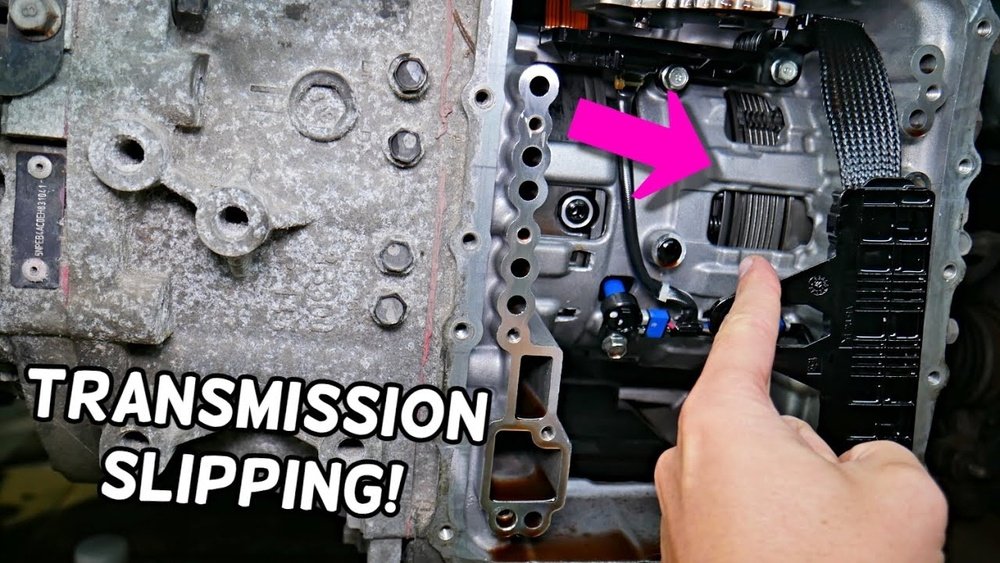
- Transmission slipping out of gear
- Warning lights on the dashboard
- Transmission fluid leaks under the car
Solutions And Preventive Steps
If you own a Jeep Patriot, you can take steps to reduce the risk of transmission failure.
- Regular Fluid Changes: Replace CVT fluid every 30,000–50,000 miles. Always use the correct type—using the wrong fluid can cause damage.
- Install an Auxiliary Cooler: For those in hot areas or who tow, an extra cooler helps control transmission temperature.
- Drive Gently: Avoid sudden starts, hard acceleration, and heavy towing.
- Prompt Repairs: Fix leaks or warning lights immediately before damage spreads.
Many owners are surprised to learn that the CVT is not rebuildable by most local shops. In most cases, a failed transmission requires a full replacement, which is costly.

What To Expect: Repair And Cost Breakdown
Transmission failure can be expensive. Here’s a simple breakdown of what repairs may involve:
| Repair Option | Parts Cost | Labor Cost | Total Estimate |
|---|---|---|---|
| Fluid Change | $80–$150 | $100–$200 | $180–$350 |
| CVT Replacement | $2,800–$3,800 | $800–$1,200 | $3,600–$5,000 |
| Auxiliary Cooler Install | $100–$200 | $150–$300 | $250–$500 |
A fluid change is affordable and can sometimes resolve minor symptoms if caught early. However, if the transmission needs full replacement, costs can be close to the vehicle’s value.
Should You Buy Or Keep A Jeep Patriot?
The Jeep Patriot offers value and off-road ability, but its transmission issues are a real concern. If you already own one, good maintenance is key.
If you are thinking of buying a used Patriot, ask for detailed service records and consider models with lower mileage.
If you need a reliable daily car for city driving, other compact SUVs may offer better long-term peace of mind. However, if you value the Patriot’s style and features, regular care can help you avoid the worst problems.
Frequently Asked Questions
What Years Of The Jeep Patriot Are Most Affected By Transmission Problems?
Most problems are found in 2007–2016 models with the CVT transmission. Later models, after 2017, are not affected because the Patriot was discontinued.
Can I Drive My Jeep Patriot If The Transmission Is Overheating?
It’s risky. Driving with an overheating transmission can cause total failure. It’s best to stop, let the car cool, and see a mechanic as soon as possible.
How Often Should I Change The Cvt Fluid?
Change the CVT fluid every 30,000–50,000 miles or sooner if you drive in tough conditions. Always use the fluid type recommended by Jeep.
Are There Any Recalls For The Jeep Patriot Transmission?
There have been several recalls for related issues, like transmission fluid leaks and power loss. You can check active recalls on the NHTSA website.
Is It Better To Repair Or Replace The Patriot Transmission?
For most CVT failures, replacement is the only option. Few shops can rebuild a CVT, and used units may have the same problems. Replacement is expensive but offers the best chance for long-term use.
Understanding Jeep Patriot transmission problems helps you make smarter choices as an owner or buyer. Spotting early signs, sticking to a maintenance plan, and knowing your repair options can save you stress and money.
If you’re set on the Patriot, proactive care is your best defense against unexpected breakdowns.