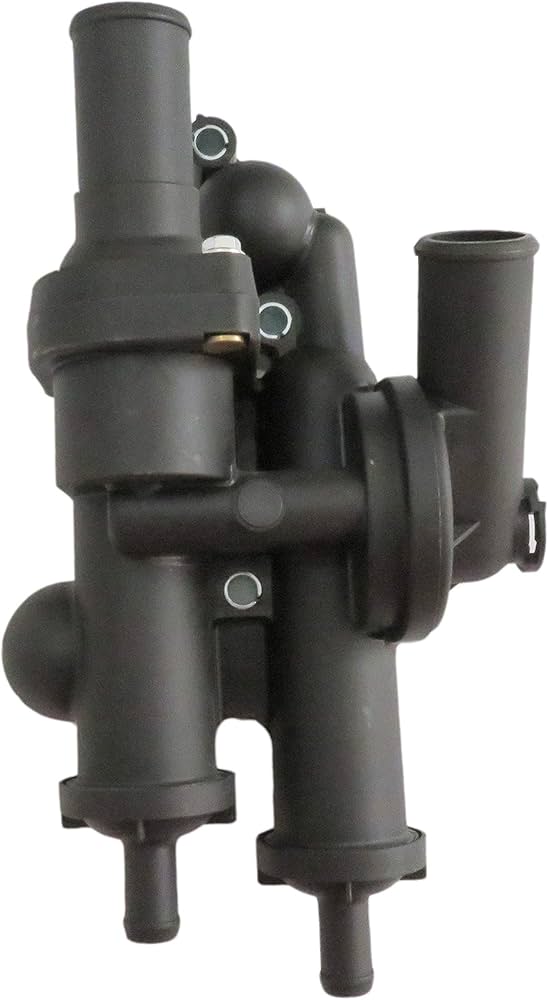
The Jeep Patriot thermostat housing is a small but important part of the engine’s cooling system. Many Jeep Patriot owners don’t think about it until something goes wrong, but this component can make a big difference in how your car performs.
If you’re experiencing overheating, coolant leaks, or temperature warning lights, the thermostat housing could be the cause. Understanding its role, signs of failure, and replacement options can help you keep your Jeep running smoothly and avoid costly engine repairs.
What Is A Thermostat Housing?
The thermostat housing is a metal or plastic cover that holds the engine thermostat in place. The thermostat itself opens and closes to control the flow of coolant between the engine and the radiator. This helps your engine reach and maintain the right operating temperature. On the Jeep Patriot, the housing is usually located at the top or side of the engine, depending on the model year and engine type.

If the housing cracks, warps, or its seal fails, coolant can escape. Loss of coolant can quickly lead to overheating and engine damage.
That’s why keeping the thermostat housing in good shape is important for any Jeep Patriot owner.
Common Problems With Jeep Patriot Thermostat Housings
Jeep Patriot thermostat housings are known to develop some issues over time. Here are the most common:
- Coolant leaks – The housing can crack due to heat cycles or age, leading to visible coolant leaks.
- Warping – Plastic housings may warp from engine heat, causing the seal to fail.
- Gasket failure – The gasket between the housing and engine can wear out, letting coolant escape.
- Stuck thermostat – Sometimes, the thermostat itself sticks open or closed, causing overheating or poor heater performance.
Example: 2012 Jeep Patriot
Many 2012-2017 Jeep Patriot owners report coolant leaks around 60,000-80,000 miles. This often comes from a cracked thermostat housing.
Replacing the housing and gasket usually solves the problem.

Symptoms Of A Bad Thermostat Housing
Watch for these signs that your Jeep Patriot’s thermostat housing may need attention:
- Coolant puddles under the vehicle
- Low coolant warning light on the dashboard
- Engine overheating or temperature gauge rising above normal
- Sweet smell from the engine bay (from leaking coolant)
- Steam coming from under the hood
If you notice any of these symptoms, check the housing for visible cracks, leaks, or damage.
Choosing A Replacement Thermostat Housing
Not all thermostat housings are created equal. Here’s what to consider when selecting a replacement for your Jeep Patriot:
| Feature | OEM (Original Equipment) | Aftermarket |
|---|---|---|
| Material | Aluminum or reinforced plastic | Plastic, aluminum, or composite |
| Price | Higher | Lower to mid-range |
| Fit | Guaranteed | Can vary by brand |
| Warranty | Often included | Depends on supplier |
- OEM parts are made by Jeep or its suppliers and offer the best fit and reliability.
- Aftermarket parts can be cheaper but may use lower-quality materials.
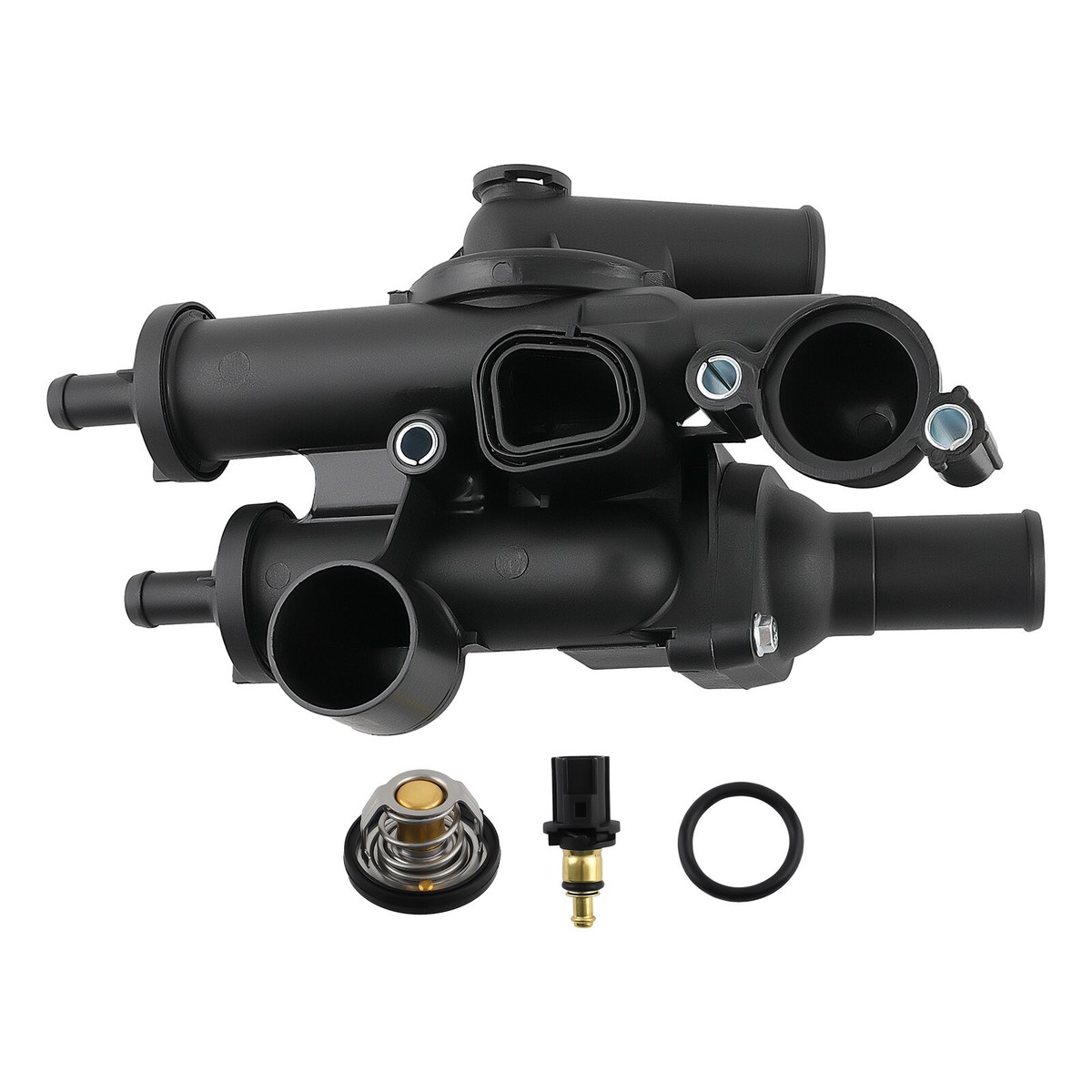
Practical tip: Look for housings with reinforced mounting points and a quality gasket. Some aftermarket kits include both the thermostat and the housing, which can save time and money.
How To Replace A Jeep Patriot Thermostat Housing
Replacing the thermostat housing is a moderate DIY job if you have basic tools. If you’re not comfortable working on engines, consider a professional mechanic.
Basic Steps
- Let the engine cool completely.
- Drain the coolant from the radiator.
- Remove the air intake and any parts blocking access.
- Unbolt the thermostat housing.
- Remove the old thermostat and gasket.
- Clean the mounting surfaces—this step is often overlooked but is critical for a good seal.
- Install the new thermostat and gasket.
- Bolt the new housing in place.
- Reassemble and refill with coolant.
- Start the engine and check for leaks.
Common mistake: Overtightening the bolts can crack the new housing, especially if it’s plastic.
Quick Comparison: Diy Vs. Mechanic
| Factor | DIY | Professional Mechanic |
|---|---|---|
| Cost | $30–$80 (parts only) | $150–$300 (parts + labor) |
| Time | 1–2 hours | 1–2 hours |
| Skill Needed | Moderate | None |
If you’re not familiar with draining and refilling coolant, it’s safer to have a pro handle the job.
Maintenance Tips To Extend Housing Life
- Check coolant level regularly. Low coolant can cause overheating, which damages the housing.
- Use the right coolant type for your Jeep Patriot.
- Inspect for leaks every oil change.
- Replace the gasket whenever you remove the housing.
- Avoid overtightening bolts during installation.
Small actions like these help prevent bigger, costlier issues later.
Why Thermostat Housing Quality Matters
A leaking or failed thermostat housing can lead to engine overheating, warped cylinder heads, or even total engine failure. This small part has a big job. Some owners try to save money by picking the cheapest replacement, but this can lead to more repairs down the road. Investing in a solid, well-made housing is a smart decision.
Non-obvious insight: Some Jeep Patriot models have a thermostat housing with integrated sensors. If yours does, double-check compatibility before buying a replacement.
Another common mistake is ignoring small leaks. Even minor coolant loss can quickly lead to expensive problems. Always address leaks as soon as possible.
Frequently Asked Questions