The Jeep Patriot is a popular compact SUV known for its simple design and reliability. One part that sometimes confuses owners and DIY mechanics is the serpentine belt.
This belt plays a key role under the hood, powering important systems like the alternator, air conditioning, and power steering. If you want to replace or inspect your serpentine belt, understanding the layout is essential.
Let’s look at the Jeep Patriot serpentine belt diagram, how the belt works, and tips for replacing it with confidence.

Why The Serpentine Belt Matters
The serpentine belt is a single, long belt that snakes around several pulleys on the front of your engine. It connects the crankshaft pulley to other accessories, transferring the engine’s rotation to them. If the belt fails, you’ll lose power to the alternator, AC compressor, and sometimes even the water pump. This can lead to a dead battery, overheating, and a loss of comfort or safety features.
Many Jeep Patriot owners only notice the belt when it starts to squeal or after it breaks. However, checking it regularly and understanding the diagram can prevent breakdowns.
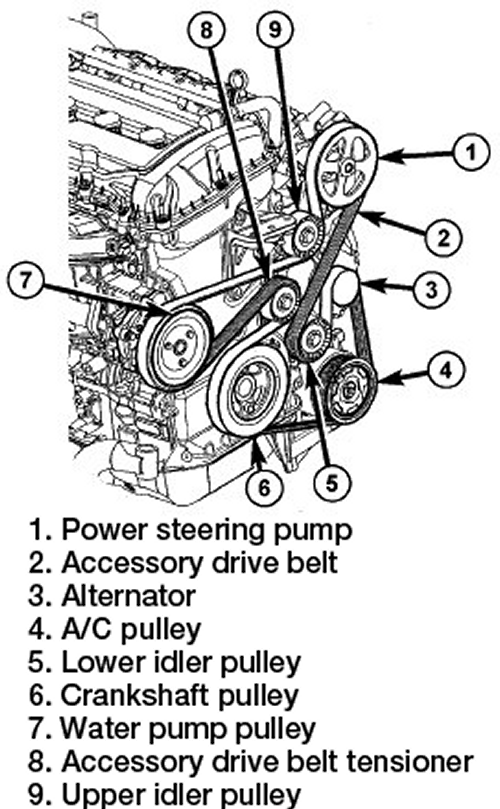
Jeep Patriot Serpentine Belt Diagram Explained
Most Jeep Patriot models use either a 2.0L or 2.4L four-cylinder engine. The layout of the serpentine belt is similar for both, but always check your specific model year for small differences.
Here’s a simple diagram that shows the typical routing for the Jeep Patriot’s serpentine belt:
| Pulley | Function | Common Location |
|---|---|---|
| Crankshaft Pulley | Drives the belt | Bottom center |
| Alternator | Charges battery | Top right |
| Idler Pulley | Guides belt | Middle left |
| AC Compressor | Powers air conditioning | Bottom right |
| Tensioner Pulley | Keeps belt tight | Center |
| Water Pump | Cools engine | Upper left (if driven by belt) |
The belt usually starts at the crankshaft pulley, wraps around the alternator, then follows the idler and tensioner pulleys, and finally loops around the AC compressor. Some engines also have the water pump on the belt, but others use a timing chain or another method.
Step-by-step: Replacing The Serpentine Belt
Replacing a serpentine belt on a Jeep Patriot is a task many owners can do at home with basic tools. Here’s how:
1. Check Belt Routing
Before removing the old belt, look for a diagram sticker under the hood. If it’s missing, take a clear photo or sketch the routing.
2. Release Tension
Use a wrench or special serpentine belt tool to rotate the tensioner pulley. This loosens the belt so you can remove it. Most Patriots use a spring-loaded tensioner.
3. Remove Old Belt
Slide the belt off the pulleys. Inspect it for cracks, splits, or glazing (shiny spots).
4. Compare Belts
Lay the new belt next to the old one. Make sure they’re the same length and width. Even a small difference can cause problems.
5. Install New Belt
Route the belt according to your diagram, leaving the tensioner pulley for last. Double-check the belt is seated in all pulley grooves.
6. Apply Tension
Rotate the tensioner again, slip the belt over, and slowly release tension. The belt should be tight, but not stretched.
7. Final Inspection
Start the engine and watch the belt. If it wobbles, squeals, or slips off, turn off the engine and check your work.
Essential Tools And Tips
- Serpentine belt tool (or a long-handled wrench)
- Good lighting
- Gloves for better grip
Changing the belt usually takes 30–60 minutes. Don’t forget to check the tensioner and idler pulleys for smooth movement. If they’re noisy or rough, replace them too.
Signs Your Serpentine Belt Needs Attention
Catching problems early can save you from bigger headaches later. Watch for these signs:
- Squealing noise from the engine bay, especially on startup
- Power steering feels heavy
- Battery warning light on the dashboard
- Air conditioning stops working
- Visible cracks, splits, or missing chunks on the belt
If you notice any of these, inspect the belt as soon as possible.
Jeep Patriot Serpentine Belt Sizes By Year
Choosing the right belt size is critical. Here’s a quick comparison for common Patriot engines:
| Model Year | Engine | Belt Length (Inches) | Number of Ribs |
|---|---|---|---|
| 2007–2010 | 2.0L | 81.5 | 6 |
| 2007–2017 | 2.4L | 86.5 | 6 |
| 2011–2017 | 2.0L | 81.5 | 6 |
Always confirm with your VIN or ask your auto parts supplier for the exact part number.
Common Mistakes To Avoid
Many beginners make simple errors when changing a serpentine belt. Here’s how to avoid them:
- Not checking the diagram: Routing the belt incorrectly can lead to instant failure.
- Forgetting to inspect pulleys: Worn pulleys can destroy a new belt quickly.
- Using the wrong belt size: Even a half-inch difference matters.
- Not releasing tension fully: This can make installation much harder.
A non-obvious tip: After installing the new belt, turn the engine over by hand (using a wrench on the crankshaft pulley) for one full rotation. This ensures the belt seats properly and gives you a chance to spot misrouting before starting the engine.
When To Replace The Serpentine Belt
Most Jeep Patriot manuals recommend changing the serpentine belt every 60,000–100,000 miles. However, real-world conditions can shorten this. Heat, oil leaks, and harsh driving can wear the belt faster. Inspect it at every oil change and replace it if you see:
- Deep cracks
- Frayed edges
- Missing ribs
Replacing early is always safer than waiting for a sudden break.
Where To Find Reliable Diagrams And Information
For the most accurate diagrams and maintenance guides, check your owner’s manual or visit official resources like the Mopar Jeep Maintenance Guide. Many auto parts stores also print routing diagrams on the back of belt packaging.
Online forums and YouTube have user-shared diagrams and videos, but always double-check the information with official sources.

Frequently Asked Questions
What Happens If My Jeep Patriot’s Serpentine Belt Breaks While Driving?
If the serpentine belt breaks, you’ll quickly lose power to the alternator, power steering, and possibly the water pump. The battery may die, the engine can overheat, and steering will become difficult. It’s best to stop the car and arrange for a tow or immediate repair.
How Do I Know If My Serpentine Belt Tensioner Is Bad?
A bad tensioner may cause the belt to squeal, slip, or jump off. If the tensioner pulley wobbles, feels rough, or doesn’t spring back when moved, it should be replaced along with the belt.
Can I Drive My Jeep Patriot With A Worn Serpentine Belt?
Driving with a worn belt is risky. If it fails, you’ll lose critical systems. Replace the belt at the first sign of trouble—prevention is much cheaper and safer than a breakdown.
Is The Serpentine Belt The Same As The Timing Belt?
No. The serpentine belt powers accessories like the alternator and AC, while the timing belt (or chain) keeps the engine’s valves and pistons in sync. They are separate parts with different functions.
How Much Does It Cost To Replace The Jeep Patriot Serpentine Belt?
If you do it yourself, a serpentine belt usually costs $20–$40. Professional labor can add $50–$100 depending on your location and the shop.
Understanding your Jeep Patriot’s serpentine belt diagram makes routine maintenance simple and helps you avoid unexpected problems. With the right information and a little care, you can keep your SUV running smoothly for years.