If your Jeep overheats at idle, it’s more than just annoying—it can lead to expensive engine repairs. Overheating is common in older Jeeps, but even newer models can suffer.
When your Jeep sits at a stoplight or in traffic, the temperature gauge rises, sometimes to dangerous levels. Understanding why this happens and what you can do about it will help you stay safe and protect your vehicle.
Why Does A Jeep Overheat At Idle?
When your Jeep is idling, the engine runs but the vehicle isn’t moving. Airflow through the radiator drops, so cooling depends mostly on the electric fan or mechanical fan. If something in the cooling system isn’t working properly, heat builds up fast. The most common causes include:
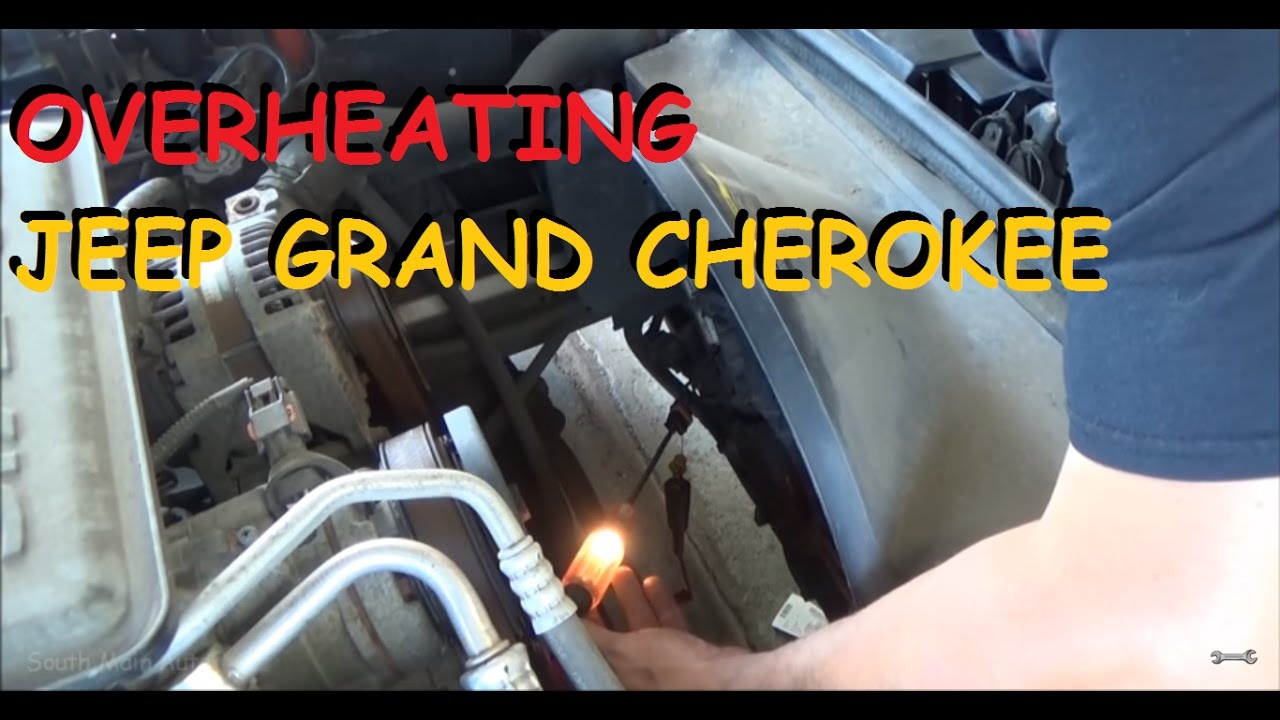
- Faulty radiator fan: If the fan doesn’t turn on, the radiator can’t cool the engine.
- Low coolant levels: Not enough coolant means less heat is carried away.
- Clogged radiator: Dirt, rust, or debris block coolant flow.
- Broken thermostat: If it sticks closed, coolant can’t circulate.
- Bad water pump: The pump moves coolant; if it fails, overheating happens.
Many Jeep owners notice overheating mainly at idle, not while driving. This is because moving air helps cool the engine when you’re on the road.
At idle, the system relies almost entirely on internal cooling parts.
Diagnosing The Problem
You can check for overheating issues yourself before visiting a mechanic. Here are some steps:
- Check coolant level: Open the radiator cap (when cold) and look inside. Low levels are a red flag.
- Inspect the fan: With the engine running and hot, see if the fan turns on. If not, it could be a blown fuse, bad relay, or failed motor.
- Look for leaks: Puddles under your Jeep or wet spots around hoses mean coolant is escaping.
- Examine the radiator: Look for dirt, leaves, or bent fins blocking airflow.
- Test the thermostat: If the top radiator hose stays cool after 10 minutes of running, the thermostat may be stuck shut.
Here’s a quick overview of common symptoms and possible causes:
| Symptom | Possible Cause |
|---|---|
| Temperature rises only at idle | Fan not working, blocked radiator |
| Coolant leaking | Bad hoses, loose clamps, water pump failure |
| Heater doesn’t blow hot air | Low coolant, air in system |
| Steam from engine bay | Overheated coolant, broken radiator cap |
Key Parts That Cause Overheating
Some Jeep models, like the Wrangler TJ and Cherokee XJ, are known for cooling system problems. Here are the main culprits:
Radiator
Older Jeeps often have aluminum or plastic radiators. Over time, these can corrode or clog.
Even new radiators can get blocked by bugs, leaves, or road debris.
Fan And Fan Clutch
Mechanical fans use a clutch that engages when the engine gets hot. Electric fans rely on sensors and relays.
If the fan doesn’t spin, the engine overheats quickly at idle.
Thermostat
A small part, but critical. If the thermostat sticks closed, coolant can’t flow to the radiator.
Some Jeep owners upgrade to lower-temperature thermostats to help prevent overheating.
Water Pump
The pump pushes coolant through the engine. If it leaks or the impeller wears out, flow drops and heat builds up.
Coolant
Coolant is often overlooked. Old coolant loses its ability to transfer heat.
Mixing the wrong types can cause clogs or reduce efficiency.
Real-world Example: Jeep Wrangler Tj
The Jeep Wrangler TJ (1997–2006) is famous for overheating at idle. Owners report that the problem is worse in hot climates or after off-roading. One study showed that a dirty radiator caused a 20% drop in cooling performance. Many TJ owners fix overheating by replacing the radiator fan, flushing the cooling system, and upgrading to a 180°F thermostat.

Solutions And Prevention
If your Jeep overheats at idle, try these steps:
- Flush the radiator: Remove old coolant and debris. Replace with fresh coolant.
- Replace the fan: Upgrade to a high-flow electric fan, especially for older Jeeps.
- Install a new thermostat: Consider a lower-temperature type for warm climates.
- Check hoses and belts: Old, cracked hoses or loose belts can cause problems.
- Clean the radiator: Use compressed air or a soft brush to remove dirt from the fins.
Here’s a comparison of common fixes and their effectiveness:
| Fix | Estimated Cost | Success Rate |
|---|---|---|
| Radiator flush | $80–$150 | High |
| Fan replacement | $120–$300 | Very High |
| Thermostat replacement | $60–$120 | Moderate |
| Hose/Clamp check | $30–$80 | Moderate |
Two Insights Most Owners Miss
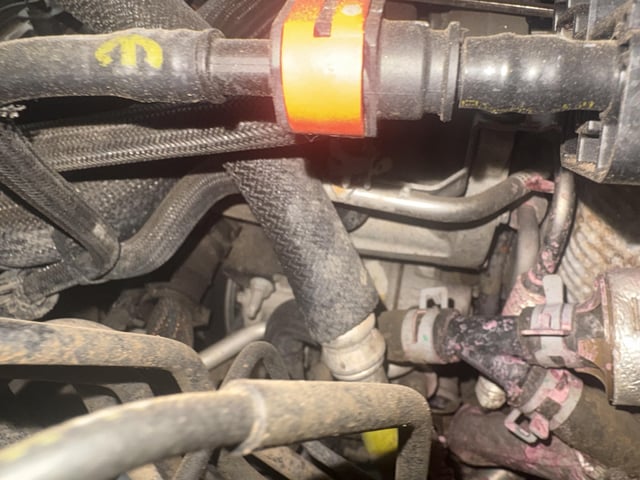
- Air pockets in the cooling system: After changing coolant, air can get trapped. This blocks flow and causes overheating. Always “burp” the system or use a vacuum fill tool.
- Radiator cap pressure: The cap keeps coolant under pressure. If it’s weak, boiling happens sooner. Replacing the cap is cheap and often solves overheating.
When To Seek Professional Help
If you’ve tried all basic fixes and your Jeep still overheats, it’s time to visit a mechanic. Persistent overheating can mean a blown head gasket or cracked cylinder head—both expensive repairs. A professional can test for exhaust gases in the coolant and check engine compression.
Frequently Asked Questions