Keeping your Jeep in top shape means more than just washing it after a muddy adventure. Regular maintenance is essential if you want your vehicle to last, stay safe, and hold its value.
Some Jeep owners overlook or delay basic care, which can lead to expensive repairs.
This guide gives you a clear Jeep maintenance schedule, explains why each step matters, and offers practical tips to keep your Jeep running strong for years.
Why A Jeep Maintenance Schedule Matters
Jeeps are built for tough conditions, but they still need routine maintenance. Following a schedule helps you:
- Avoid unexpected breakdowns
- Save money on repairs
- Improve fuel efficiency
- Maintain warranty coverage
- Extend your Jeep’s lifespan
Neglecting basic tasks, like oil changes or brake checks, might seem harmless at first. But over time, small problems can turn into big ones.
For example, skipping oil changes can cause engine damage, while ignoring tire rotation can lead to uneven wear.
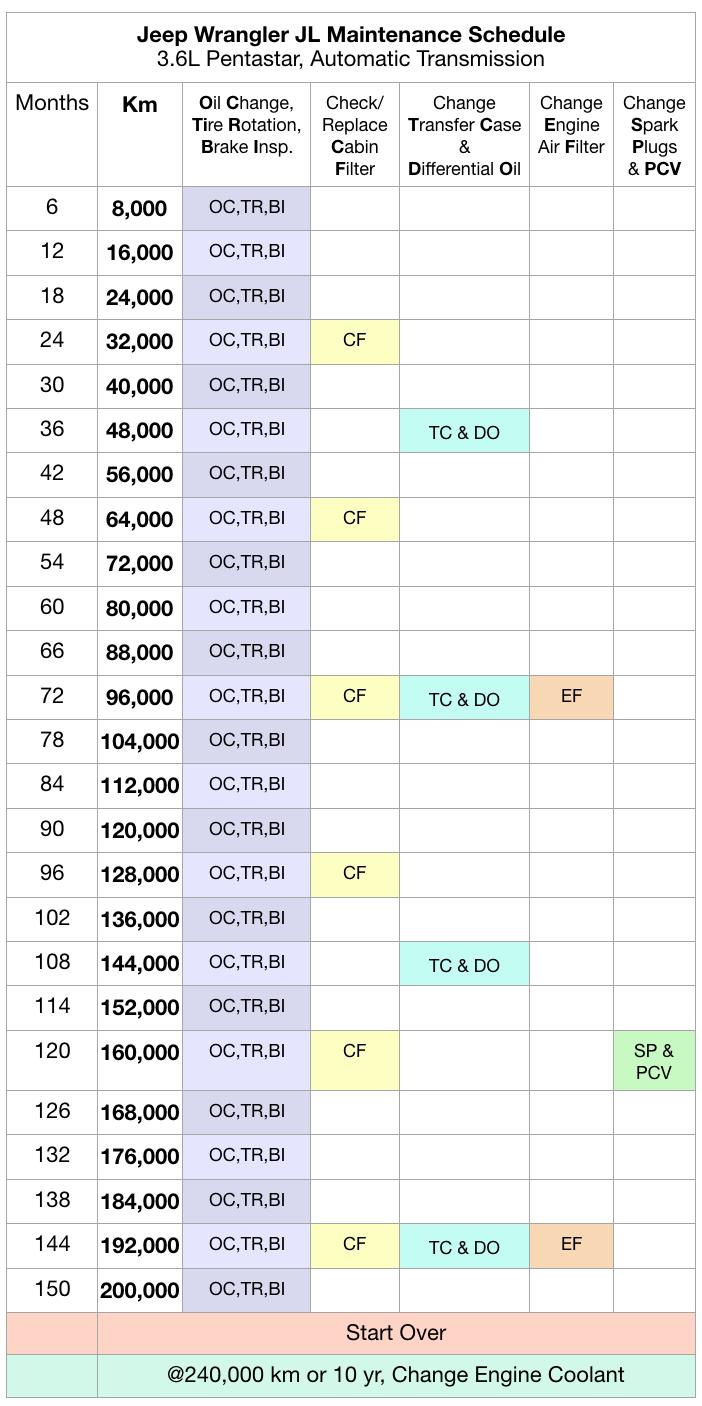
Jeep Maintenance Schedule Overview
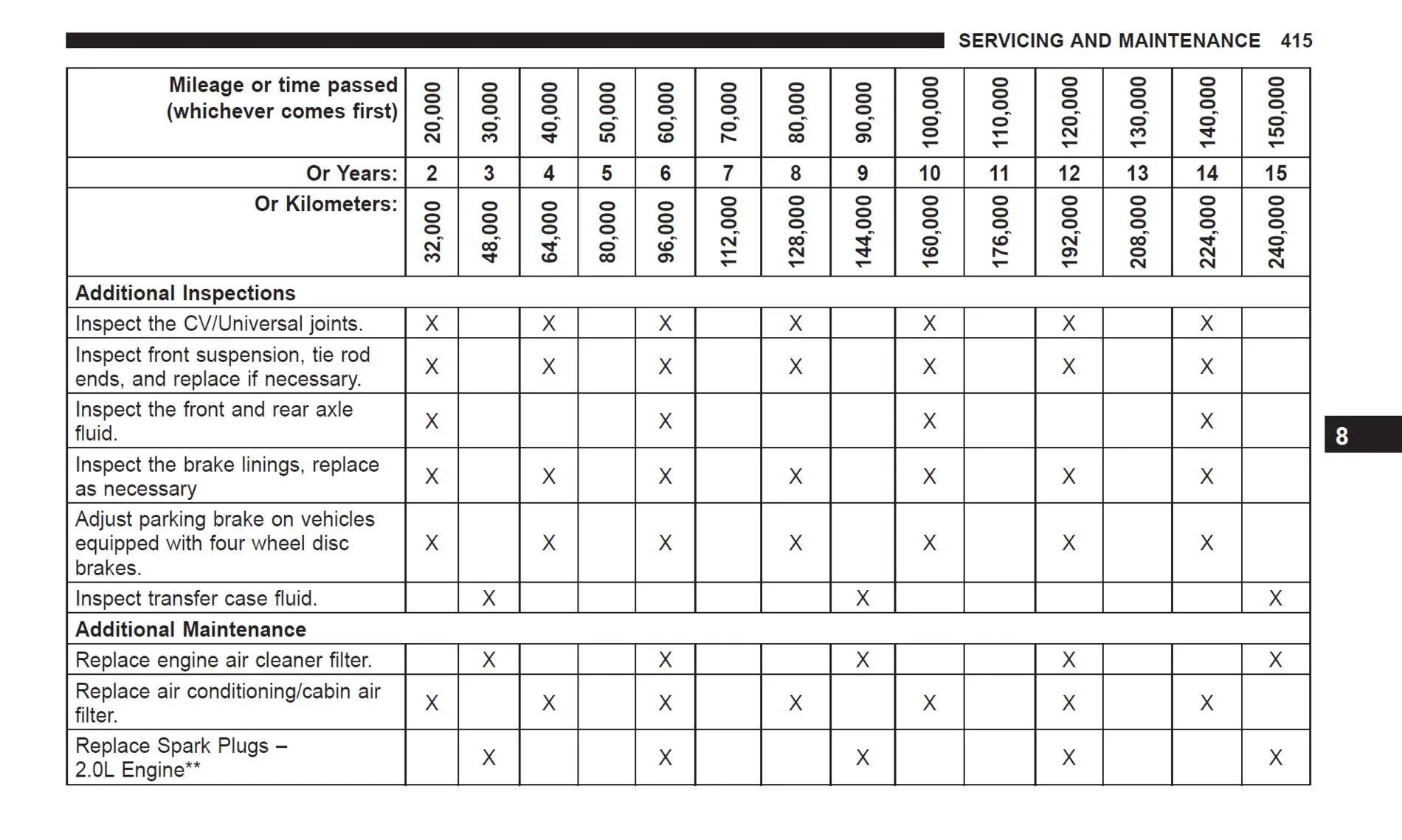
Jeep’s recommended maintenance schedule varies by model and year, but the basics stay the same. Most service intervals use miles or months, whichever comes first. Here’s a general timeline:
| Interval | Key Maintenance Tasks |
|---|---|
| Every 5,000–7,500 miles or 6 months |
|
| Every 15,000–20,000 miles or 12–18 months |
|
| Every 30,000–40,000 miles or 2–3 years |
|
Tip: Your Jeep’s owner manual has the exact schedule. Always check for model-specific tasks.
Essential Jeep Maintenance Tasks
Oil Changes
Changing oil regularly is key for engine health. Most Jeeps need this every 5,000 to 7,500 miles. Off-roading, towing, or severe weather may require more frequent changes.
Tire Care
Rotating tires every 6,000 to 8,000 miles prevents uneven wear, improves grip, and extends tire life. Don’t forget to check air pressure monthly—improper inflation reduces fuel economy and can cause blowouts.
Fluid Checks
Your Jeep uses several fluids: engine oil, transmission fluid, coolant, brake fluid, and power steering fluid. Low or dirty fluids can damage parts. Look for leaks and top off as needed.
Brake System
Inspect brake pads, rotors, and fluid at least every 15,000 miles. Listen for squeaking or grinding—these are warning signs.
Replacing brakes early costs less than waiting until parts fail.
Battery Maintenance
Test your battery twice a year, especially before winter. Corroded terminals or a weak charge can leave you stranded.
Air And Cabin Filters
Replace the engine air filter every 15,000 to 30,000 miles. Cabin air filters keep dust and pollen out—swap them every 15,000 miles or sooner in dusty climates.
Suspension And Drivetrain
Jeeps face tough roads, so inspect shocks, struts, and drivetrain components regularly. Worn parts affect ride comfort and safety.
Special Care For Off-road And Harsh Conditions
Jeeps often see rough use. If you drive off-road, tow heavy loads, or live where it’s very hot, cold, or humid, you’ll need extra maintenance.
| Condition | Extra Care Needed |
|---|---|
| Frequent Off-Roading |
|
| Towing/Heavy Loads |
|
| Extreme Temperatures |
|
Non-obvious tip: Even if you rarely drive, perform scheduled maintenance based on time, not just mileage. Fluids and rubber parts can break down just from age.
Cost Of Jeep Maintenance
Understanding the costs helps you budget and avoid surprises. On average, Jeep owners spend about $650–$800 per year on maintenance, according to AAA data. Newer models or those under warranty usually cost less.
Here’s a quick price comparison for common Jeep services:
| Service | Typical Cost |
|---|---|
| Oil change | $50–$100 |
| Tire rotation | $25–$60 |
| Brake pad replacement | $150–$300 |
| Transmission service | $150–$400 |
| Coolant flush | $100–$150 |
Dealerships may charge more than independent shops, but they use certified Jeep parts and have trained technicians.
Common Jeep Maintenance Mistakes
Many owners repeat the same errors:
- Ignoring warning lights. Dashboard alerts signal real problems—don’t delay.
- Using the wrong fluids. Jeep engines need specific types of oil and coolant.
- Skipping tire rotations. This leads to early tire wear and handling issues.
- Missing seasonal checks. Summer and winter call for special care.
- Not checking after off-roading. Mud and rocks can hide damage.
Non-obvious insight: After deep water crossings, always check for water in the axles and differentials. Water can cause serious internal damage if left unchecked.

Practical Tips For Jeep Owners
- Keep a maintenance log with dates and receipts.
- Set reminders for oil changes and inspections.
- Learn basic checks—fluids, tire pressure, and lights.
- Use only genuine or high-quality replacement parts.
- Don’t forget about software updates for newer Jeeps.
If you want more details, Jeep’s official site and resources like NHTSA offer up-to-date safety and recall information.
Taking care of your Jeep doesn’t have to be complicated. With a simple schedule and a bit of attention, you’ll enjoy reliable performance on and off the road for years to come.
Frequently Asked Questions
How Often Should I Service My Jeep?
Most Jeeps need basic service every 5,000 to 7,500 miles or every 6 months. Always follow the owner’s manual for your specific model.
What Fluids Should I Check Regularly?
You should check engine oil, coolant, brake fluid, transmission fluid, and power steering fluid. Low levels or dirty fluids can cause major problems.
Does Off-roading Change My Maintenance Needs?
Yes. Off-roading puts more stress on suspension, drivetrain, and undercarriage. Inspect these parts more often and clean your Jeep after every trip.
Can I Do Jeep Maintenance Myself?
Some tasks, like oil changes, air filter replacements, and checking fluids, are easy for DIYers. Complex jobs, like transmission service, are best left to professionals.
What Are Signs My Jeep Needs Immediate Attention?
Warning signs include strange noises, vibrations, fluid leaks, warning lights, or difficulty starting. Address these issues right away to avoid bigger repairs.