If you own a Jeep or are planning to modify one, you might ask: “What lug nut size does my Jeep use?” This detail matters more than most people think.
Using the wrong lug nut size can lead to wheel vibration, damaged threads, and even dangerous wheel loss on the road. In this guide, you’ll learn exactly what you need to know about Jeep lug nut sizes, why they matter, and how to choose the right ones for your model.
What Is A Lug Nut And Why Is Size Important?
A lug nut is a small but critical part that holds your Jeep’s wheels to the hub. Each wheel usually has five or six lug nuts. The correct size ensures a snug fit and keeps your wheels secure.

Using the wrong lug nut size creates several risks:
- Stripped threads on the wheel studs
- Uneven pressure on the wheel
- Risk of the wheel coming loose
Surprisingly, even experienced Jeep owners sometimes mix up sizes when switching wheels or adding aftermarket rims.
Common Jeep Lug Nut Sizes By Model
Jeep has produced many models over the years, and lug nut sizes are not the same for all. Here’s a comparison of the most popular models and their typical lug nut sizes:
| Jeep Model | Year Range | Lug Nut Size | Thread Pitch | Hex Size |
|---|---|---|---|---|
| Wrangler (JK) | 2007–2018 | 1/2″-20 | 20 TPI | 19mm |
| Wrangler (JL) | 2018–Present | M14x1.5 | 1.5mm | 22mm |
| Cherokee (XJ) | 1984–2001 | 1/2″-20 | 20 TPI | 19mm |
| Grand Cherokee (WK2) | 2011–2026 | M14x1.5 | 1.5mm | 22mm |
| Gladiator (JT) | 2020–Present | M14x1.5 | 1.5mm | 22mm |
Thread pitch means the distance between threads. “M14x1.5” means a 14mm diameter bolt with 1.5mm between threads. “1/2″-20” means a half-inch diameter with 20 threads per inch.
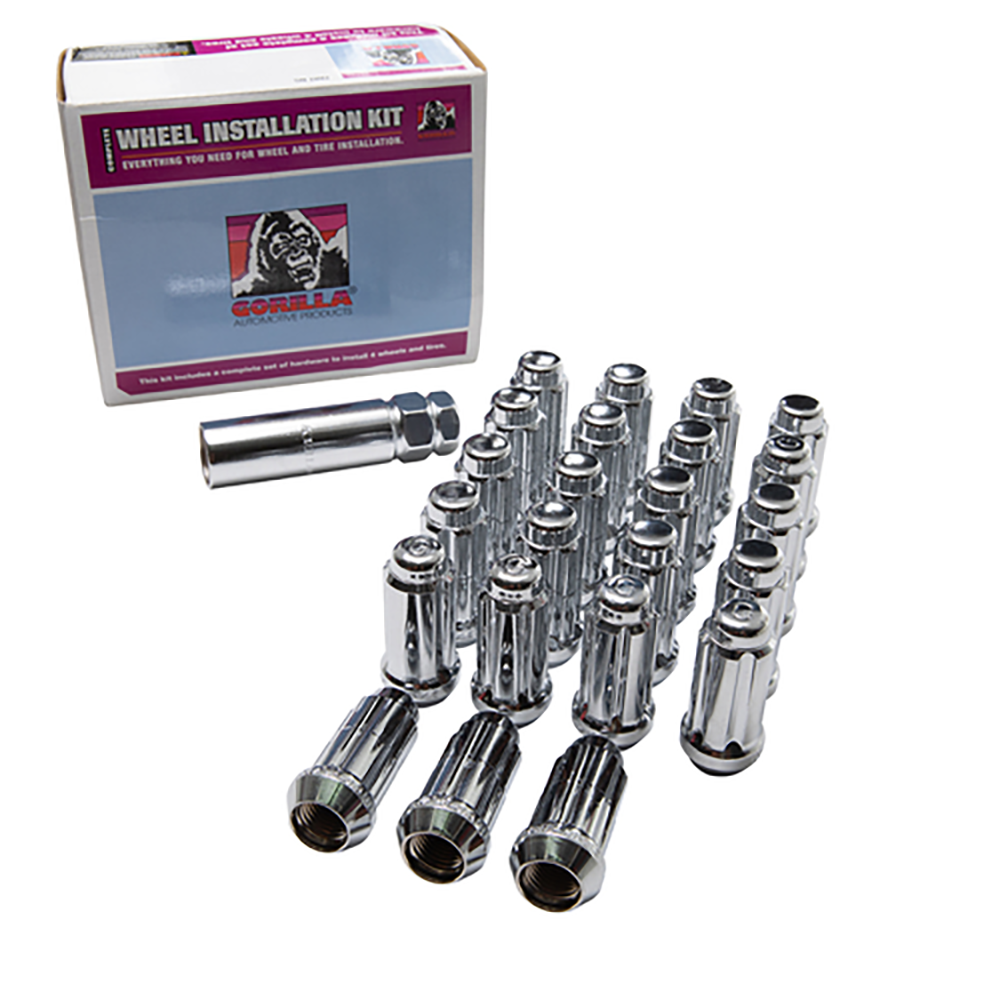
How To Identify Your Jeep’s Lug Nut Size
Even with a chart, you should double-check your own Jeep. Here’s how:
- Check the owner’s manual – Most Jeep manuals list the correct lug nut size.
- Inspect the current lug nuts – Look for numbers stamped on the side.
- Measure with a thread gauge – This tool can check both diameter and pitch.
- Ask a Jeep dealer – They can confirm based on your VIN.
A common mistake is guessing based on the wheel or using a random socket that fits. Always confirm the size, especially if you bought your Jeep used or the wheels have been changed.
Lug Nut Types And Seat Styles
Not all lug nuts are the same shape. The “seat” is the part that touches the wheel.
Using the wrong seat style can cause the wheel to loosen even if the size is correct.
Here’s a quick look at the main types:
| Seat Style | Description | Common Jeep Use |
|---|---|---|
| Conical (Tapered) | Angled base (usually 60°) | Most factory Jeep wheels |
| Mag/Flat | Flat base with washer | Some aftermarket wheels |
| Ball (Radius) | Rounded base | Rare on Jeeps |
Conical seats are the most common for factory Jeep wheels. If you’re switching to aftermarket wheels, always check if the seat style matches.
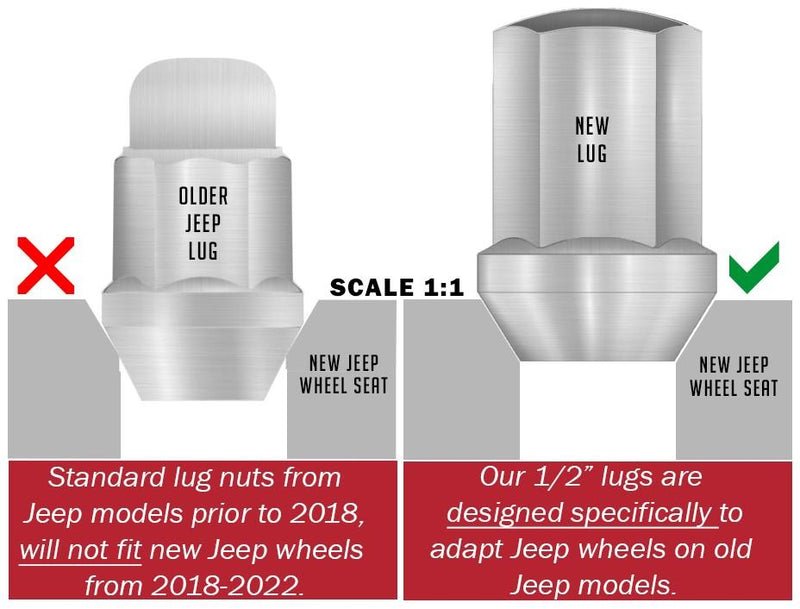
Upgrading Or Replacing Jeep Lug Nuts
You might want to upgrade your Jeep lug nuts for better looks, corrosion resistance, or added security. Here’s what you need to know:
- Material matters – Factory lug nuts are usually steel. Aftermarket options include chrome, stainless steel, and even aluminum (less common, not for off-road).
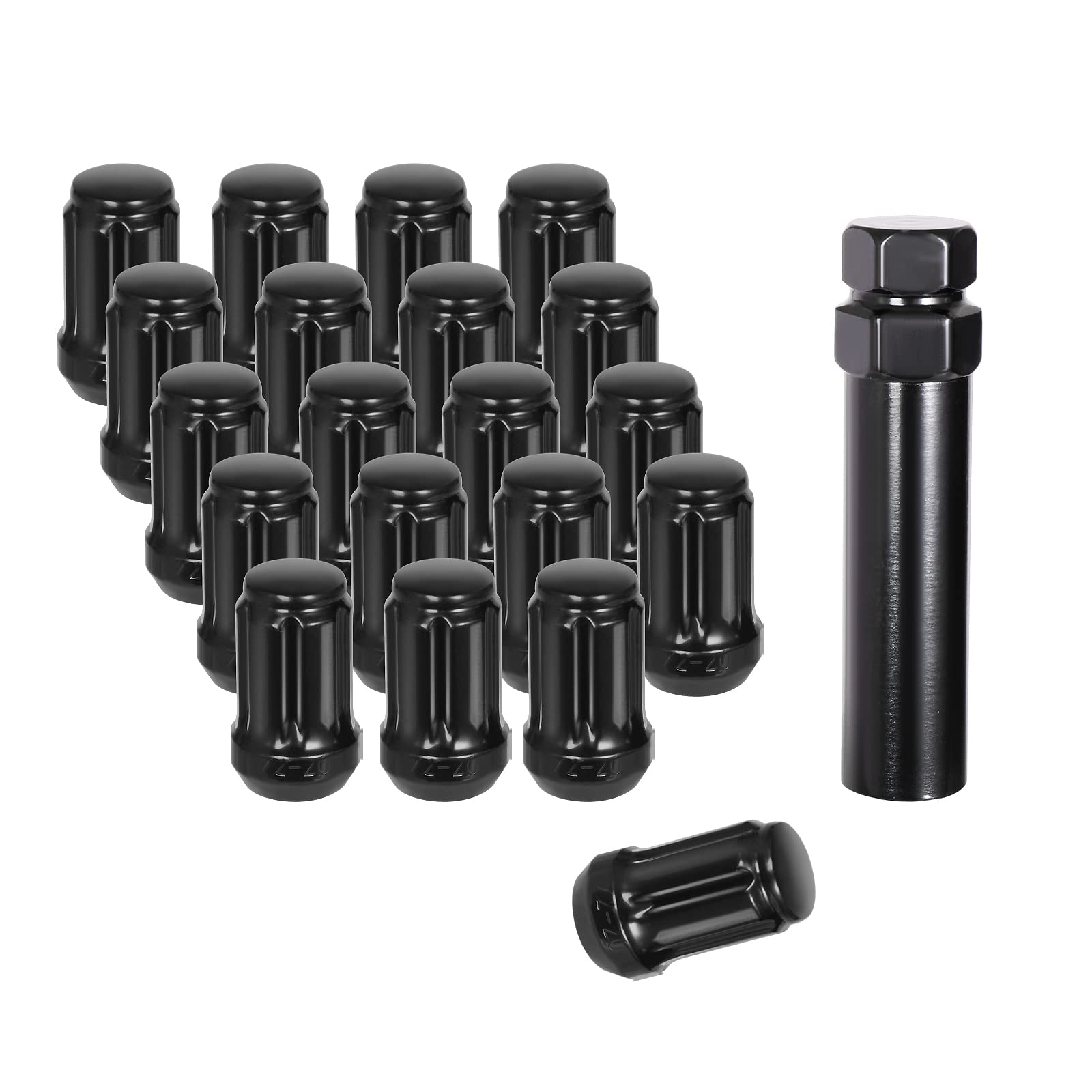
- Length and style – Some people choose “tuner” or “spike” style lug nuts. Make sure the length doesn’t interfere with the wheel or hub.
- Locking lug nuts – These require a special key and can stop wheel theft.
For off-road use, stick with strong, corrosion-resistant steel. Avoid aluminum lug nuts on Jeeps that see real trail action—they can crack under pressure.
Torque Specs For Jeep Lug Nuts
After you’ve picked the right size and type, tightening them to the proper torque is crucial. Over-tightening can break the stud, while under-tightening can let the wheel come loose.
Most modern Jeeps require between 95 and 130 ft-lbs of torque. For example:
- Wrangler JL: 130 ft-lbs
- Wrangler JK: 95 ft-lbs
- Grand Cherokee WK2: 130 ft-lbs
Always use a torque wrench for accuracy. Don’t guess or rely only on an impact gun. Re-check the lug nuts after driving 50–100 miles, especially if you’ve installed new wheels.
Jeep Lug Nut Sizes And Aftermarket Wheels
Many Jeep owners upgrade to aftermarket wheels for style or off-road performance. This often changes the lug nut requirements.
- Aftermarket wheels may need a different seat style (often conical, sometimes mag/flat).
- The lug nut diameter must match the wheel’s lug holes—sometimes aftermarket wheels use “tuner” lug nuts with a smaller outside diameter.
- Always check the wheel manufacturer’s recommendations, as wrong lug nuts can void wheel warranties.
A non-obvious tip: Some aftermarket wheels for Jeeps use metric lug nuts even if your Jeep originally used standard (imperial) sizes. Mixing these up can ruin both studs and wheels.
For more technical information on wheel fasteners, check the Wheel lug nut Wikipedia page.
Common Mistakes When Changing Jeep Lug Nuts
Jeep owners—especially beginners—often make these errors:
- Mixing seat styles – Using conical nuts on a mag seat (or vice versa) can damage wheels.
- Forgetting to retorque – After changing or rotating wheels, always retorque the lug nuts.
- Using impact-only – Relying solely on an impact wrench can overtighten or undertighten.
- Ignoring corrosion – Rusty lug nuts should be replaced, not reused.
A less obvious mistake: Using “universal” lug nuts from auto parts stores. These may fit, but they rarely match the exact requirements for torque and seat style, especially on newer Jeeps.