Many Jeep owners enjoy the adventure of off-roading and road trips. However, a small part like the lug nut plays a huge role in safety and performance.
If you own or plan to upgrade a Jeep, knowing the correct Jeep lug nut size is essential. The right size keeps your wheels secure and prevents dangerous situations on the road or trail.
This guide explains everything you need to know about Jeep lug nuts, including sizes, why they matter, and how to choose the best ones for your vehicle.
Why Lug Nut Size Matters
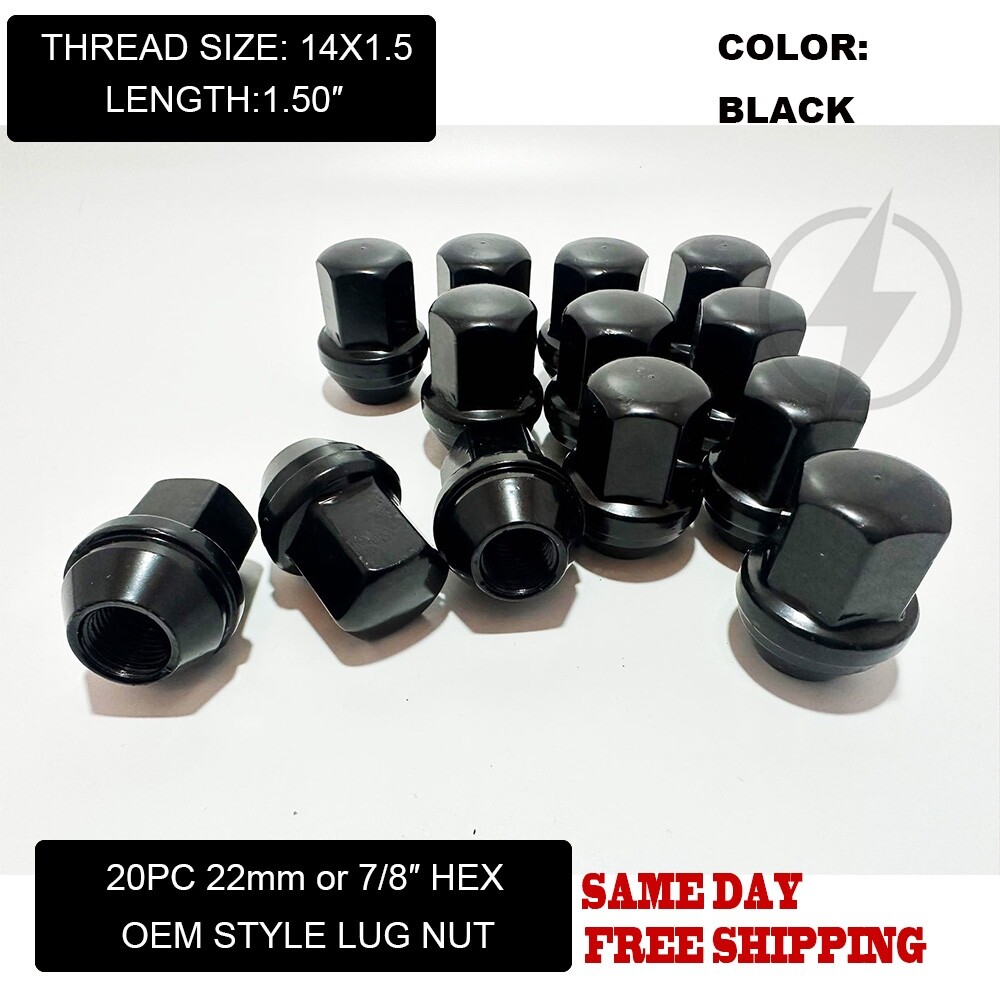
Lug nuts do more than just hold the wheel in place. The correct lug nut size ensures:
- Proper fitment: Prevents the wheel from wobbling or coming loose.
- Wheel safety: Reduces the risk of accidents caused by loose wheels.
- Easy maintenance: Makes tire changes and rotation simpler.
Using the wrong size can damage the wheel or studs, make it difficult to remove the lug nut, and even cause the wheel to fall off. This is especially risky during off-roading, where vibrations and impacts are common.
Common Jeep Lug Nut Sizes By Model
Jeep has produced many models over the years, and the lug nut size can vary. Here is a comparison of popular Jeep models and their typical lug nut sizes:
| Jeep Model | Years | Lug Nut Size | Thread Pitch | Hex Size |
|---|---|---|---|---|
| Wrangler JK | 2007-2018 | 1/2″-20 | 20 threads/inch | 19 mm |
| Wrangler JL | 2018-present | M14 x 1.5 | 1.5 mm | 22 mm |
| Grand Cherokee | 2011-present | M14 x 1.5 | 1.5 mm | 22 mm |
| Cherokee XJ | 1984-2001 | 1/2″-20 | 20 threads/inch | 19 mm |
| Gladiator JT | 2020-present | M14 x 1.5 | 1.5 mm | 22 mm |
Non-obvious insight: Even if two models use the same thread size, the hex size (the wrench size) can be different. Always check both before buying new tools or lug nuts.
How To Measure Lug Nut Size
If you are unsure of your Jeep’s lug nut size, measuring is easy with the right tools:
- Thread size: Use a thread pitch gauge or consult your owner’s manual.
- Hex size: Use a socket or wrench to check the fit.
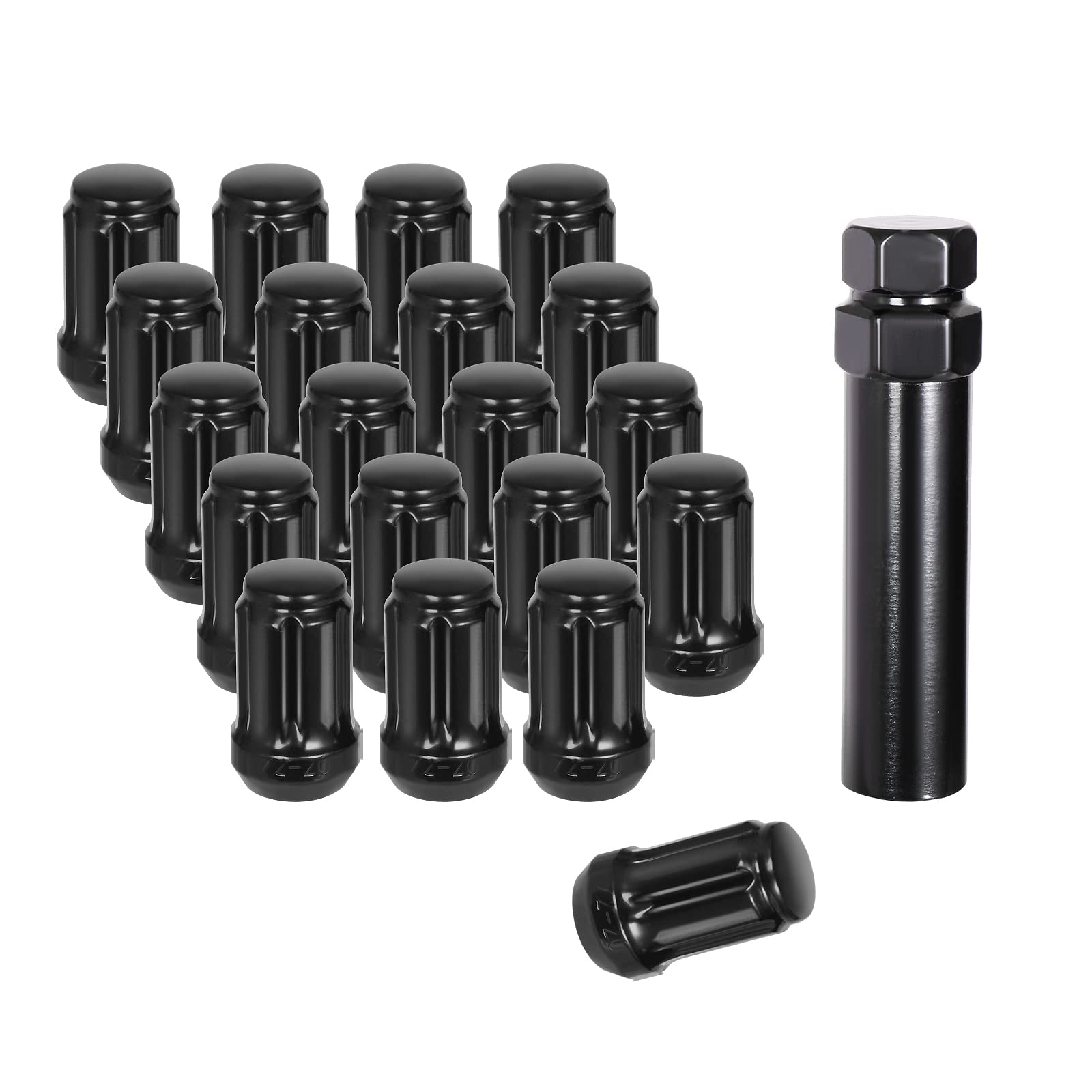
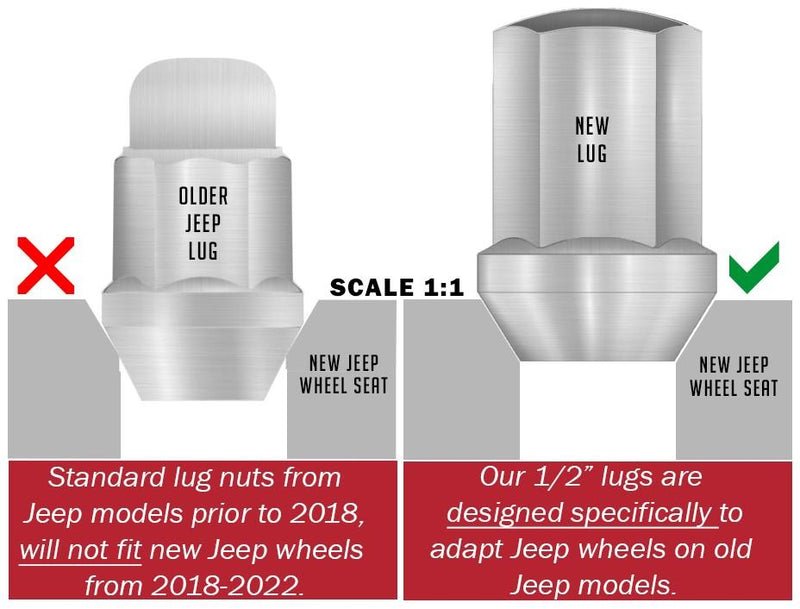
- Seat type: Most Jeeps use a conical seat (tapered), but some use flat or ball seats.
For best results, remove one lug nut and take it to an auto parts store for matching.
| Measurement | Tool Needed | What to Look For |
|---|---|---|
| Thread size | Thread gauge | Diameter x Pitch |
| Hex size | Socket set | Tightest fitting socket |
| Seat type | Visual check | Conical, flat, or ball |
Practical tip: Take a clear photo of your lug nut and the wheel seat—this helps when asking for advice or shopping online.
Types Of Jeep Lug Nuts
Not all lug nuts are the same. Here are the most common types you’ll see on Jeeps:
- Open-ended: Useful for extended wheel studs, often used in racing or off-road applications.
- Closed-ended (acorn style): Most stock Jeeps use these. They protect the stud from dirt and rust.
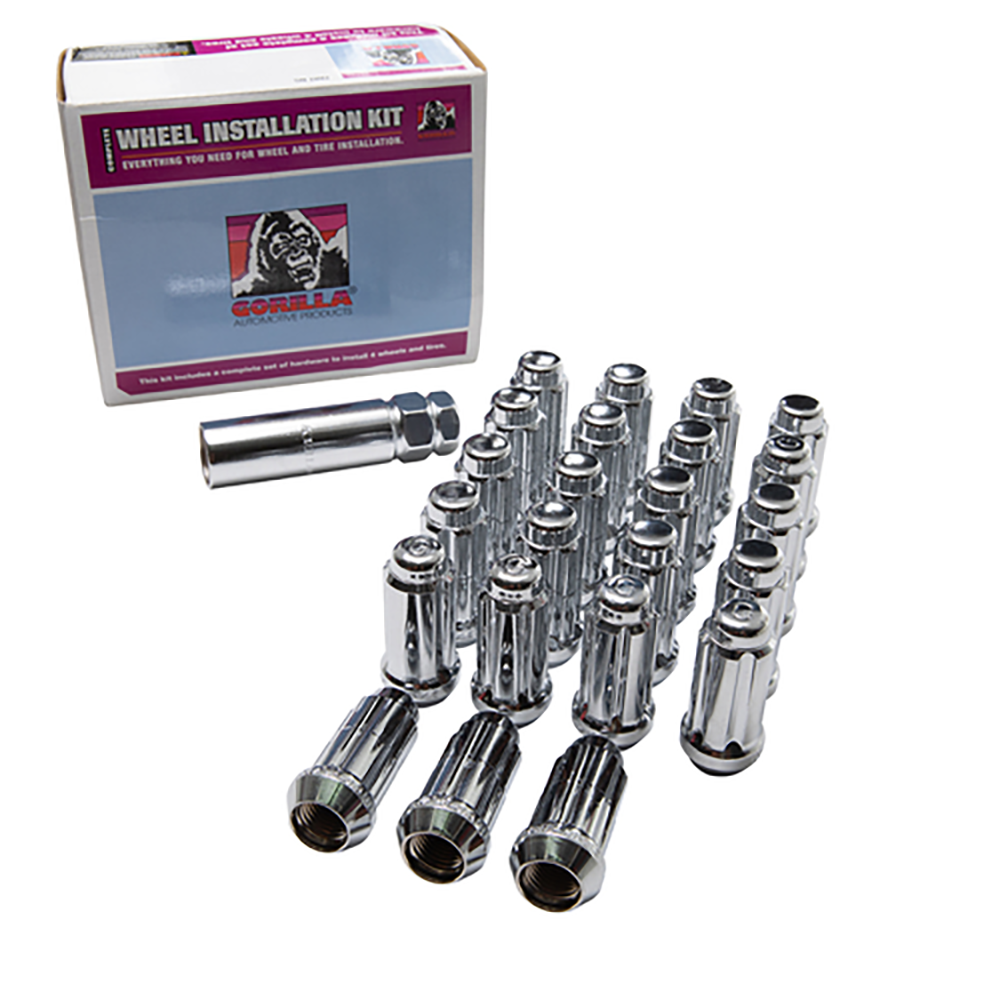
- Spline drive: Require a special tool, often used for aftermarket wheels.
- Locking lug nuts: Help prevent wheel theft.
Non-obvious insight: Aftermarket wheels may require a different seat type or lug nut length. Always check with the wheel manufacturer.
Upgrading Or Replacing Jeep Lug Nuts
Upgrading your lug nuts can improve both safety and style. Here’s what to consider:
- Material: Standard lug nuts are steel. Upgrades like chrome or anodized aluminum look better but may not be as strong.
- Length: Longer lug nuts can help with thicker aftermarket wheels.
- Finish: Black, chrome, or zinc coatings protect against rust.
- Brand: Stick to well-known brands for reliability.
Some Jeep owners upgrade after seeing their stock lug nuts swell or rust. Swollen nuts can make it hard to remove them in an emergency.
How To Replace Jeep Lug Nuts
- Loosen the old lug nuts with a breaker bar (while the vehicle is on the ground).
- Lift the vehicle with a jack.
- Remove the old nuts and replace with new ones, hand-tightening first.
- Lower the vehicle and torque the nuts to the Jeep’s recommended setting.
Tip: Retorque your lug nuts after 50-100 miles, especially if you install new wheels or lug nuts.
Torque Specifications
Each Jeep model has a recommended torque setting for its lug nuts. This ensures the nuts are tight enough to hold the wheel, but not so tight that you damage the studs.
| Model | Lug Nut Torque (ft-lbs) |
|---|---|
| Wrangler JK | 95-115 |
| Wrangler JL | 130 |
| Grand Cherokee (2011+) | 130 |
| Cherokee XJ | 85-110 |
| Gladiator JT | 130 |
Never guess the torque. Use a torque wrench for accuracy.
Common Mistakes When Dealing With Lug Nuts
- Over-tightening: Damages wheel studs and can cause them to snap.
- Under-tightening: The wheel can become loose, risking safety.
- Mismatched lug nuts: Using the wrong type or size can damage wheels and studs.
- Ignoring swelling: Some factory lug nuts have a chrome cap that can swell, making removal difficult.
If you’re buying used wheels or upgrading, always double-check the required lug nut style and torque specs.
Where To Find Reliable Information
Your owner’s manual is the best source for lug nut specs. If you do not have one, Jeep forums and official websites are helpful. For aftermarket wheels, always check with the wheel manufacturer.
For a detailed explanation about lug nuts and vehicle safety, see Wikipedia.