The Jeep Liberty is popular among drivers who want a rugged SUV with decent comfort. But if you care about fuel efficiency, you might wonder how many miles per gallon (MPG) the Liberty actually gets.
This article covers real-world MPG numbers, key factors that affect gas mileage, comparisons with other SUVs, and tips to make your Liberty go further on each tank.
Jeep Liberty Mpg: What To Expect
The Jeep Liberty was produced from 2002 to 2012. It came with different engines and trims, so MPG numbers vary. Most models use a V6 engine, but there was also a diesel option for a short time.

Here’s a quick look at average EPA ratings for key Liberty years:
| Model Year | Engine | MPG (City) | MPG (Highway) | MPG (Combined) |
|---|---|---|---|---|
| 2002–2007 | 3.7L V6 | 16 | 22 | 18 |
| 2005 | 2.8L Diesel | 21 | 26 | 23 |
| 2008–2012 | 3.7L V6 | 16 | 22 | 18 |
Most Jeep Liberty owners report real-world MPG between 16–20 miles per gallon. Older models and heavy 4WD versions sometimes dip lower, especially if driven in city traffic.
Factors Affecting Jeep Liberty Gas Mileage
Several things change how far your Liberty goes on a gallon of gas. Here are the most important:
- Engine Type: The 3.7L V6 is the most common, but the rare diesel model is more efficient.
- Driving Style: Fast acceleration and hard braking use more fuel. Smooth driving helps MPG.
- Vehicle Weight: Extra cargo or passengers reduce efficiency.
- Tire Condition: Under-inflated tires make the engine work harder.
- Maintenance: Clean air filters and regular oil changes help performance.
- Weather: Cold starts and winter driving lower MPG.
One insight many beginners miss: city driving hurts MPG more than expected. The Liberty is heavy, so stop-and-go traffic uses lots of fuel compared to highway cruising.
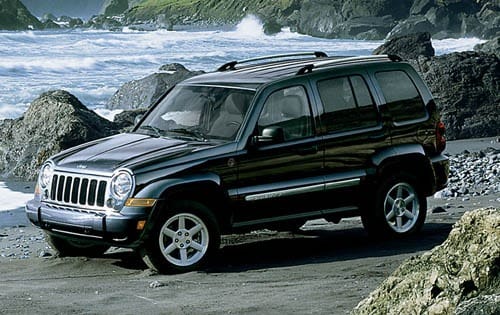
Jeep Liberty Vs Other Compact Suvs
Is the Jeep Liberty efficient compared to rivals? Let’s compare it to similar SUVs from the same era:
| Model | Engine | MPG (Combined) |
|---|---|---|
| Jeep Liberty (2008) | 3.7L V6 | 18 |
| Honda CR-V (2008) | 2.4L I4 | 23 |
| Ford Escape (2008) | 2.3L I4 | 22 |
| Toyota RAV4 (2008) | 2.4L I4 | 24 |
The Liberty’s MPG is lower than these popular competitors. Its heavier build and strong engine mean more power, but less efficiency.
Improving Your Jeep Liberty’s Mpg
You can’t turn the Liberty into a hybrid, but you can squeeze out more miles per gallon with smart habits:
- Check tire pressure monthly.
- Avoid heavy loads unless necessary.
- Drive gently—no sudden starts.
- Use cruise control on highways.
- Keep up with maintenance: Replace air filters, spark plugs, and fluids as needed.
- Plan routes: Choose roads with fewer stops.
A less-known tip: using high-quality synthetic oil can sometimes improve MPG by reducing engine friction, especially in older Liberties.
Real-world Mpg: What Owners Report
Official numbers don’t always match reality. Many Liberty owners share their actual MPG online:
- Drivers with mostly highway trips sometimes see 21–22 MPG.
- City commuters often report 15–17 MPG.
- The diesel model can reach 24–26 MPG, but is rare in the US.
Another insight: After about 80,000 miles, some Liberties show a drop in MPG. Regular service helps maintain good numbers as the vehicle ages.
Cost To Drive: Jeep Liberty Fuel Expenses
If you drive a Jeep Liberty, you might wonder how much you’ll spend on gas. Here’s a simple example:
- Average MPG: 18
- Typical gas price: $3.50/gallon
- Annual miles: 12,000
Annual fuel cost:
12,000 ÷ 18 = 666 Gallons
666 × $3.50 = $2,331
This is higher than some other compact SUVs. If you drive more or pay higher gas prices, expect costs to rise.

Is The Jeep Liberty Worth It For Fuel Economy?
The Jeep Liberty is not the most fuel-efficient SUV. It’s designed for off-road capability, towing, and rugged performance. If you value these features, and can accept 18 MPG, the Liberty is a solid choice.
If you need maximum efficiency, other models like the Honda CR-V or Toyota RAV4 offer better MPG. Still, the Liberty gives drivers a unique mix of power and comfort.
If you want more detailed specs and history, visit the Jeep Liberty Wikipedia page.
Frequently Asked Questions
How Many Miles Per Gallon Does A 2008 Jeep Liberty Get?
A 2008 Jeep Liberty with the 3.7L V6 engine usually gets 16 MPG in the city and 22 MPG on the highway. Combined, most drivers see 18 MPG.
Is The Jeep Liberty Fuel-efficient Compared To Other Suvs?
No, the Liberty has lower MPG than most compact SUVs from the same years. It’s built for power and off-road ability, not fuel savings.
What Affects My Jeep Liberty’s Gas Mileage The Most?
Driving style, vehicle weight, tire condition, and maintenance are the biggest factors. City driving uses more fuel than highway trips.
Can I Improve My Jeep Liberty’s Mpg?
Yes. Check tire pressure, drive smoothly, reduce extra weight, and keep up with maintenance. Using synthetic oil can sometimes help.
How Much Will I Spend On Gas With A Jeep Liberty?
With an average 18 MPG and 12,000 miles per year, expect to spend around $2,300 per year if gas costs $3.50 per gallon.
The Jeep Liberty is not a leader in fuel efficiency, but it offers strong performance for drivers who want a tough, reliable SUV. If MPG is your top priority, other models might fit better.
For those who value capability, the Liberty still has loyal fans—just keep an eye on your fuel costs and use smart habits to get the best mileage possible.